

How to Book Flights with Points: A Beginner's Complete Guide
June 11, 2026
Why Points Bookings Feel Complicated (And Why They're Not)
The loyalty points industry has a vested interest in complexity. Confusing redemption structures, blackout dates, partner booking fees, and constantly changing award charts all discourage casual users from redeeming effectively. Airlines and best travel credit cards companies benefit when you accumulate points and never use them — or use them for low-value redemptions like gift cards or hotel upgrades that cost the program far less than a business class seat. Understanding even the basics flips this dynamic entirely.
The fundamental principle is simple: a point has a variable value depending on how you redeem it. A British Airways Avios is worth roughly 0.4p toward a gift card but worth 2–4p toward a long-haul business class flight. Booking flights with points isn't a complex financial product — it's just a case of learning which redemptions give you the best value per point.
Step One: Know What Points You Have
Most people underestimate their existing balances. Points accumulate from:
- Credit card spending (the primary accumulation route for most people) - Actual flights on the earning airline or its partners - Hotel stays, car rentals, and retail partners - Credit card sign-up bonuses
Check your balances across every program you've signed up for. The most commonly forgotten pools are hotel points (Hilton Honors and Marriott Bonvoy both transfer to airline miles) and legacy balances from airlines you flew on years ago. Many programs don't expire points as long as you have some account activity every 12–18 months — a small credit card transaction or a partner activity can reset the clock.

Step Two: Understand the Two Booking Models
Award bookings work in one of two ways, and knowing which applies to your program changes your strategy completely.
Fixed award charts assign a set number of points to each zone pair. British Airways Avios, for example, uses a distance-based chart. A flight under 650 miles costs 4,500 Avios in economy. This means a London–Edinburgh flight (413 miles, often £100+ in cash) costs just 4,500 Avios plus taxes. These charts are predictable and easy to plan around.
Revenue-based pricing (used by most US airlines after they abandoned fixed charts) calculates award prices as a percentage of the cash fare. Delta SkyMiles, United MileagePlus, and American AAdvantage all use this model to varying degrees. The upside is flexibility — any seat available for cash can be booked with points. The downside is that there's no guaranteed "sweet spot": a cheap cash fare means a cheap award fare, but an expensive itinerary costs proportionally more miles.
Step Three: Transfer Partners Are the Most Powerful Tool
Credit card points from programs like American Express Membership Rewards, Chase Ultimate Rewards, Capital One Miles, and Virgin Atlantic Points are transferable to multiple airline and hotel programs. This is where real value lives.
Instead of booking through your credit card's own travel portal (usually poor value), you transfer your points to a partner program and book through that program's award inventory. Example: Chase Ultimate Rewards points transfer 1:1 to United MileagePlus. United has a partner award chart that allows you to book Lufthansa business class to Europe for 60,000 miles round-trip. That same Lufthansa seat in cash often costs £2,000–£3,000. At 60,000 miles, you're getting 3–5p per point — a dramatically better outcome than the 1p-per-point value Chase's portal typically offers.
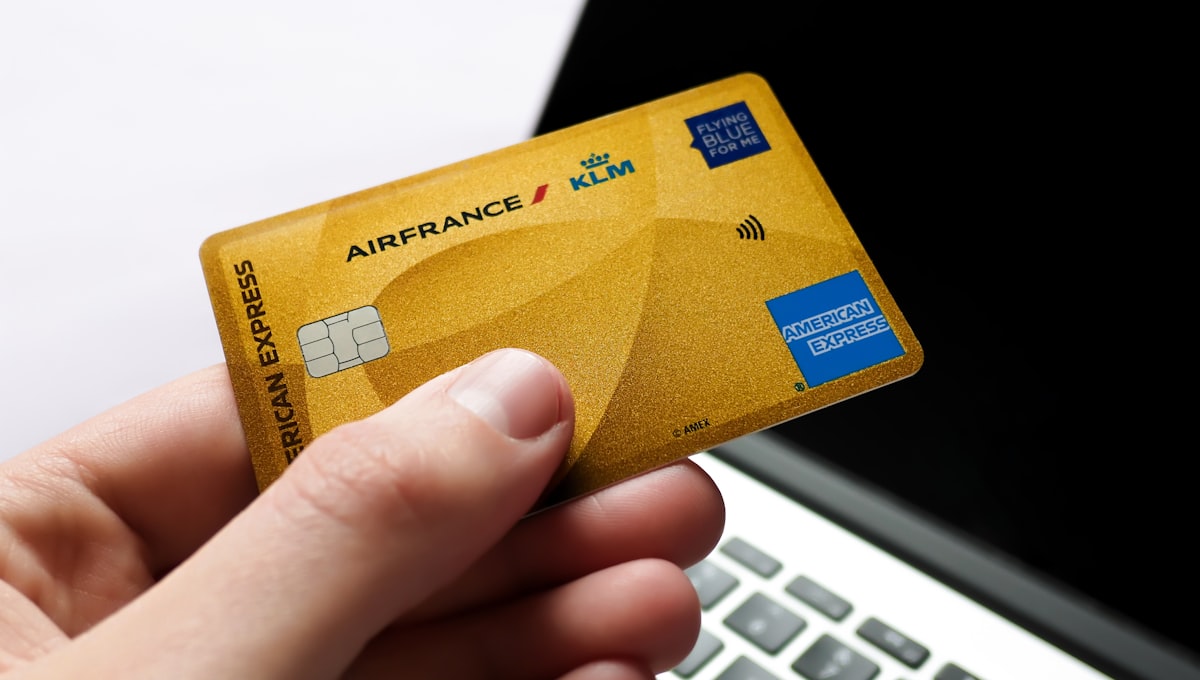
The key transfer partners to know: - Amex → ANA, Air France/KLM, Delta (for Pacific and transatlantic premium cabins) - Chase → United, Singapore Airlines (for Star Alliance awards globally) - Virgin Atlantic Points → ANA, Delta, Air France (some of the best premium cabin redemptions available)

Step Four: Find Award Space
Award seats are separate inventory from cash seats. An airline might have 200 seats on a flight but only release 2–4 as award seats per booking class. Finding those seats requires using the right search tools.
For Star Alliance partners (Lufthansa, Singapore, ANA, etc.), United's website shows partner award availability. For Oneworld partners (British Airways, Cathay, Qantas), American Airlines' website searches partner inventory. SeatSpy and Awayz are third-party tools that scan award availability and send alerts when seats open up. For premium cabins, awards often open at two windows: 355+ days out (when airlines first load long-haul inventory) and 2–3 weeks before departure (when airlines release unsold premium seats rather than fly them empty).
Step Five: Calculate Whether Paying Cash Is Better
Points aren't free — they have an opportunity cost. Before redeeming, compare the cash price of the ticket against what your points would be worth in their next-best use. If an economy ticket costs £200 and you'd need 25,000 miles, your redemption value is 0.8p per mile. If you could instead use those 25,000 miles for a £600 business class upgrade, the value is 2.4p per mile. Economy awards on cheap routes are often poor value; business and first class awards on expensive routes are usually excellent.
RegionFare can help benchmark the cash fare side of this equation — checking the same route across multiple markets sometimes reveals that the "expensive" route you were considering redeeming points for is actually available cheaply in cash through a different national pricing market, changing the calculation entirely.
Common Beginner Mistakes
Transferring points before confirming award availability is the most expensive mistake in points travel. Points transfers are almost always one-way and non-reversible. Find the space, confirm it can be held or booked, then transfer. The 24–48 hour transfer time (sometimes instant for some Chase or Amex partners) usually allows enough time.
Ignoring taxes and fees is the second mistake. Some programs — British Airways Avios in particular — pass through full carrier-imposed surcharges on partner awards. Booking a Avios award on a British Airways transatlantic flight can cost £600+ in fees on top of the points. The same seat booked through American Airlines AAdvantage (which doesn't pass through BA surcharges) often has fees under $50.

Getting Started This Week
You don't need to overhaul your financial life to start using points effectively. Three actionable steps:
1. Apply for one transferable currency credit card — Amex Platinum, Chase Sapphire Preferred, or Capital One Venture X are the most widely recommended entry points for UK, US, and international travelers respectively. 2. Pick one target redemption — a business class flight to Japan, a trip to New York, whatever your travel goal is. Work backward from that to understand which programs have the best award rates for that route. 3. Search award space now, even before you have enough points — knowing which flights release awards and when teaches you the patterns before you need to act on them.
Points travel has a learning curve of about one afternoon. After that, it becomes a system that funds significant travel at a fraction of cash prices for as long as you engage with it.
 Star Alliance vs Oneworld vs SkyTeam: Which Matters for Cheap Flights?
 How to Get Airport Lounge Access Without a Business Class Ticket
 Best Credit Cards for International Flight Bookings: FX Fees, Points, and Protections