
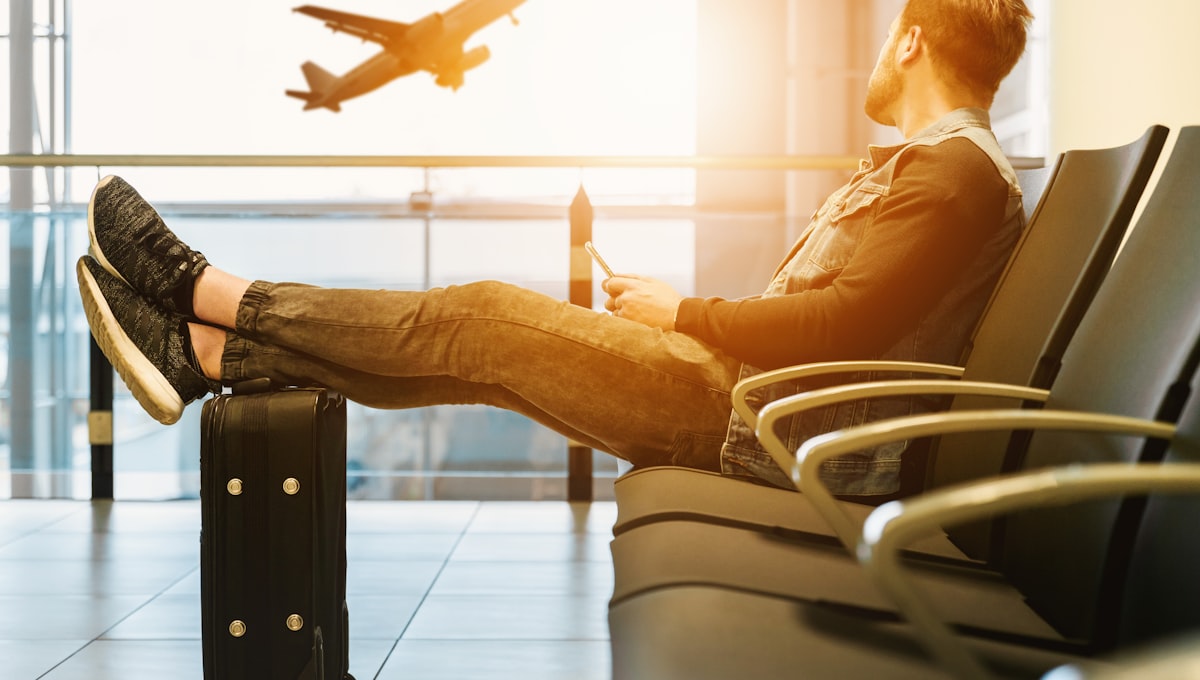
How to Get Airport Lounge Access Without a Business Class Ticket
June 8, 2026
The airport lounge used to be a genuine perk of flying business class or holding elite status on a frequent flyer programme. Neither of those remains true in the way it once did. The economics of lounge access have shifted significantly over the past decade, and today there are at least five distinct routes to lounge access that don't involve buying a £3,000 business class ticket or accumulating 100,000 qualifying miles per year.
Why This Matters More Than It Used To
Airports have got measurably worse over the past decade. Security queues at Heathrow Terminal 5, Amsterdam Schiphol, and Dallas Fort Worth regularly run 30–60 minutes even with pre-check or fast-track access. Gate-area seating is inadequate, poorly configured, and increasingly resembles an outdoor food court rather than a waiting space. Food and drink prices in airside retail zones are genuinely offensive by any comparison to the real world — £8 for a pint of beer at most Heathrow bars, £5 for a 500ml bottle of water, £15 for a mediocre hot sandwich, £6 for a flat white.
A lounge solves all of this simultaneously. It offers proper seating with power outlets, a decent buffet or à la carte menu, free drinks including alcohol, fast and reliable Wi-Fi, quieter ambient conditions, and sometimes showers or sleeping pods. The delta between an airport lounge and a standard departure gate area is measurable in both comfort and cost — spend two hours in a good lounge and you'll likely consume the equivalent of £20–£25 in food and drink that you'd have paid £50+ for in the departure zone. The question is getting there without the ticket that used to be the only valid entry credential.
Route 1: Priority Pass
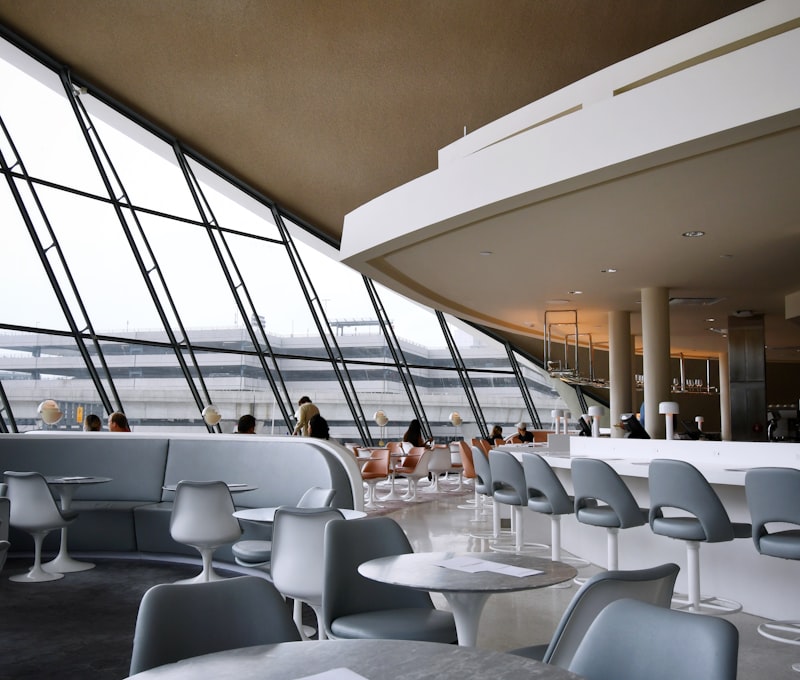
Priority Pass is the most widely held independent lounge membership programme globally, granting access to over 1,400 airport lounges across more than 140 countries. It's not restricted to airline-operated lounges — it covers independent Plaza Premium lounges, Aspire lounges, and regional operators that aren't tied to any specific carrier. At Heathrow, Priority Pass works at the Aspire lounge in Terminal 3 and the Plaza Premium in Terminals 2, 4, and 5. The programme's coverage map at Amsterdam Schiphol, Singapore Changi, and Hong Kong is similarly broad.
The complication is pricing. Priority Pass membership purchased directly runs $429 per year for the standard tier, which includes 10 free visits. Beyond the first 10, each visit costs $35. For a traveller who flies 4–5 return trips per year, using the lounge each time, that's $429 + (8 x $35) = $709 annually for 18 visits. That's not obviously a bargain.
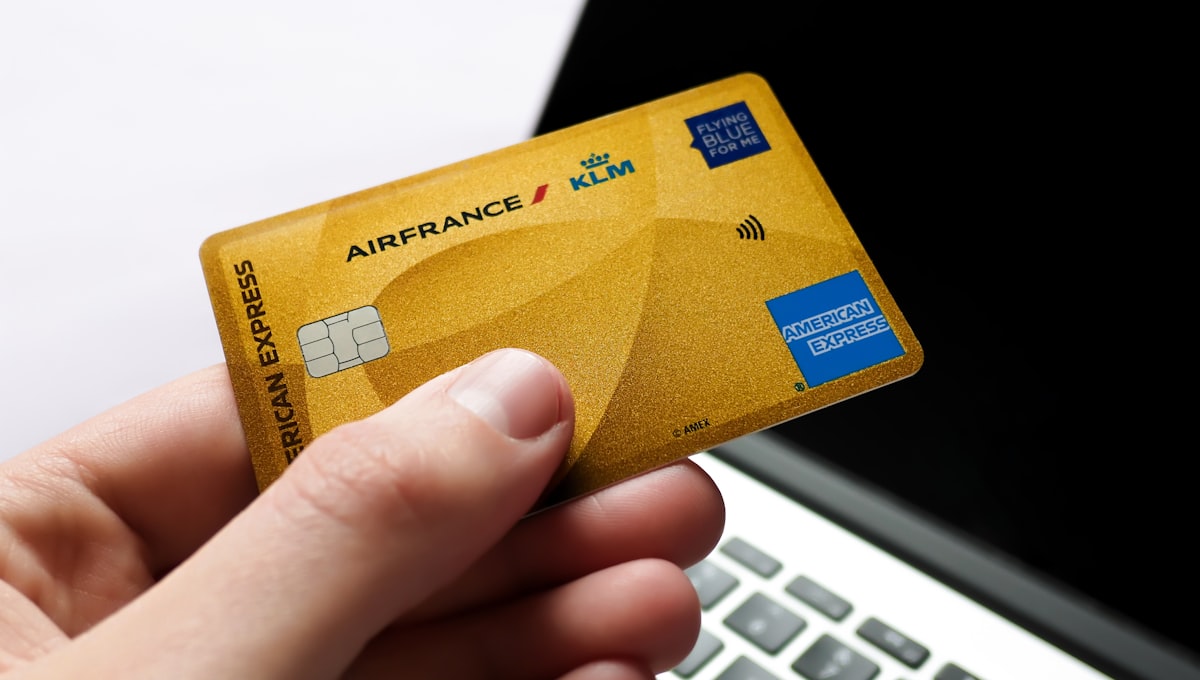
The better route is Priority Pass bundled with a premium travel credit cards — and multiple cards make this genuinely accessible. In the UK, the American Express Platinum card (annual fee £650) includes Priority Pass membership with unlimited free visits for the cardholder and one guest. That sounds expensive until you account for the card's offsetting benefits: £200 hotel credit per year (usable at Fine Hotels + Resorts or Hotel Collection properties), £200 Amex Travel credit, and £100 Global Dining credit — potentially £500 in annual value before the lounge access is factored in. Barclays' Avios Plus card also includes Priority Pass at a lower annual fee.
In the US, the Chase Sapphire Reserve ($550 annual fee) includes Priority Pass with unlimited access and has a $300 travel credit that offsets most of the fee. The Capital One Venture X ($395/year) includes Priority Pass Standard Plus with unlimited visits plus a $300 Capital One Travel credit. Both cards effectively provide lounge access for free as part of a card worth holding for its other travel benefits.
Route 2: Pay-Per-Visit at Reasonable Prices
Paying for individual lounge visits without a membership is straightforward and sometimes the most rational option for occasional travellers. LoungeBuddy (owned by Capital One), LoungePass, and individual airport lounge websites all sell day passes. Pricing varies by lounge and airport, but benchmarks at the UK's major airports give a sense of the range.
The No1 Lounge at Heathrow Terminal 2 charges around £35–£40 for a day pass booked online. The Aspire lounge at Gatwick North charges around £38. Plaza Premium at Heathrow Terminal 5 runs £45–£50. The No1 Lounge at Manchester Terminals 1 and 2 price at £32–£36. Edinburgh Airport's lounge sits around £28.
These prices look steep in isolation until you compare them with the alternative. Two drinks, a meal, and a coffee in the Heathrow airside retail zone costs £25–£40 at standard airport pricing. The lounge at £38 includes unlimited food and non-alcoholic drinks, beer and wine, Wi-Fi, and quiet seating for the full duration before your flight. If your flight is delayed by 90 minutes, that changes the calculation further in the lounge's favour.
The key practical tip: book online rather than walking up. Airport lounge day passes booked in advance are typically £5–£10 cheaper than the walk-in rate, and some lounges cap capacity with a booking system that can turn away unbooked walk-ins during peak morning departure rushes.
Route 3: Airline Status at a Lower Level Than You'd Think
Many travellers assume lounge access requires Platinum, Gold, or the highest tier of an airline's frequent flyer programme. This isn't always true and the thresholds are occasionally more accessible than assumed.
British Airways Silver in the Executive Club is the UK's most attainable level that includes meaningful lounge access. BA Silver gives access to BA lounges at Heathrow when flying on a BA or oneworld partner flight — including the UK lounges at T3 and T5 — and the requirement is 600 Tier Points in a membership year, not 600 flights. Points accrue based on distance, cabin, and fare class. Collecting 600 TPs through European flights in higher fare buckets is achievable within a year for someone who travels regularly for work and books non-basic-economy fares.
Turkish Airlines Miles&Smiles Elite deserves mention as an internationally accessible status. TK's Elite tier provides Star Alliance Gold benefits, which means access to Star Alliance Gold lounges across the entire alliance network — Lufthansa Business Lounges, United Clubs, Singapore Airlines SilverKris lounges, Air Canada Maple Leaf Lounges, and many others. The qualification threshold for TK Elite is relatively accessible compared to equivalent Star Alliance Gold levels at other carriers. Frequent Istanbul (IST) transit travellers are well-positioned to accumulate the required miles.
Lufthansa Miles & More Senator (one tier below HON Circle, which is unreachable for most) provides access to Lufthansa Business Lounges across Germany, partner airports in Europe, and Senator Lounges globally. This is achievable in two years of regular transatlantic flying on Lufthansa or Star Alliance partners and produces lounge access at a quality that genuinely rivals business class lounges.
Route 4: Day Rooms and Hotel Alternatives for Long Layovers
This option is less commonly discussed but worth including for layovers exceeding six hours. Several major airports have airside hotels with rooms available for day use rather than full overnight stays. The Yotel at Heathrow Terminal 4 offers "cabin" bookings by the hour from around £25 for the first two hours, adding a shower, bed, and workspace. At Singapore Changi's Terminal 3, the Ambassador Transit Hotel offers day-room bookings inside the terminal.
For layovers of 8 hours or more, a day room can be cheaper than lounge access while adding a shower and a proper bed. For layovers of 3–4 hours, the standard Priority Pass lounge is more space-efficient. The calculation also depends on your purpose: if you're trying to sleep before a long onward flight, the day room is clearly better regardless of price comparison.
Route 5: Flying the Right Economy or Premium Economy Fare Class
Several airlines include lounge access as a benefit on is premium economy worth it tickets, and this is often overlooked when comparing the premium economy upgrade cost against its benefits. Japan Airlines (JL) premium economy passengers receive access to JAL's Sakura Lounge. Singapore Airlines (SQ) premium economy passengers at Changi receive lounge access at SQ's regional lounges. Cathay Pacific (CX) premium economy passengers receive access to The Bridge lounge at Hong Kong — a genuinely business-class-quality space with à la carte dining.
If you're weighing an economy-to-premium-economy upgrade for a long-haul flight and the lounge is a factor, verify the carrier's specific premium economy lounge policy before booking. It varies widely — some carriers include it explicitly, others exclude it explicitly, and some handle it at the gate agent's discretion.
The Credit Card Route for Regular Travellers
For anyone flying more than 6–8 return trips per year, the credit card route is almost always the best answer on pure economics. The Amex Platinum (UK) or Chase Sapphire Reserve (US) effectively offset most of their annual fees through travel credits and hotel benefits, making the lounge access functionally free as part of a card worth holding for other reasons. The math works most clearly if you're already spending on the card for everyday purchases and redeeming the card's travel credits annually.
For occasional travellers — two or three flights per year — the pay-per-visit model at £35–£45 makes more sense than a full Priority Pass membership. Paying £38 for the lounge on a 7am departure before a long-haul flight to Asia is rational. Paying for the lounge on a 90-minute hop to Edinburgh is not.
Lounge Quality Varies — How to Check Before You Arrive
Not all Priority Pass lounges are equal, and knowing this before you arrive prevents disappointment. The Aspire lounges in UK airports are consistently rated higher than some independent regional lounges in terms of food quality and atmosphere. Before any trip, spend three minutes checking the current rating for the lounge you plan to use on the Priority Pass website's own lounge pages or LoungeBuddy's app. Lounge quality can change with new operators, refurbishments, or declining food standards — reviews tend to reflect this in real time.
Some Priority Pass lounges in certain regions have become notably overcrowded as membership has expanded — particularly at busy Asian hubs where multiple credit card programmes have issued Priority Pass broadly. Arriving at a full lounge is a real phenomenon. Booking via LoungePass or LoungeBuddy, which operate capacity controls at some lounges, partially mitigates this. For first-class airline lounges — Qantas First at Singapore Changi, JAL's Sakura Lounge in Tokyo — no amount of Priority Pass will get you in without the matching ticket or status. Know what your access credentials actually cover before the airport.
The era of lounge access being exclusively reserved for business class passengers effectively ended around 2012–2015 when Priority Pass expanded, credit card bundling became common, and airports began opening independent lounges accessible to anyone who booked in advance. Today it's a product you can access at various price points. You just have to know which doors to walk through.
 Star Alliance vs Oneworld vs SkyTeam: Which Matters for Cheap Flights?
 Best Credit Cards for International Flight Bookings: FX Fees, Points, and Protections
 Airline Miles Programs Compared: Which One Is Actually Worth Joining?