
Best Time to Visit Mexico: Beach, Mountains, and Día de los Muertos
June 14, 2026
Mexico Is Not One Climate
The mistake most travelers make when planning a Mexico trip is treating the country as a single weather system. Mexico spans 30 degrees of latitude, has snow-capped volcanoes over 5,000 meters high, Caribbean beaches, Pacific surf coast, highland deserts, and cloud forests. What's true about cheapest flights to Mexico City's climate in July — mild, rainy afternoons — tells you nothing about Cancún (hot, humid, peak hurricane zone) or Baja California (desert dry, ocean breeze).
Planning a Mexico trip by region and season, rather than by month alone, produces a dramatically better outcome. Here's how the major regions break down.
Yucatán Peninsula and Cancún: The Caribbean Coast
The Yucatán (Cancún, Tulum, Playa del Carmen, Holbox, Mérida) runs on a dry/wet season pattern. The dry season from December through April is peak tourism, peak prices, and the best beach weather — humidity is relatively low, temperatures hover at 25–30°C, and the Caribbean sea is turquoise and calm.
May through October is the wet season, and July through October sits squarely in hurricane season. Tropical storms and occasionally full hurricanes track across this coast during these months. That said, the statistics are more forgiving than they sound: actual hurricane landfalls on the Mexican Caribbean coast happen roughly once every 3–4 years on average. Most storms track north of Cozumel into the Gulf. The practical reality is that October visits in non-hurricane years are often extraordinary — prices drop 40–50% from peak, the jungle is electric green, and tourist crowds thin to almost nothing.
For Mayan ruins — Chichén Itzá, Uxmal, Tulum's cliff-top site — the cooler dry season months of December through February are most comfortable. Chichén Itzá in July is a genuinely difficult experience: 37°C with full sun and no shade. The spring equinox (around March 21) creates the famous serpent shadow on Chichén Itzá's El Castillo pyramid — one of the most remarkable astronomical events built into any ancient structure — but crowds at this event are extreme.
Mexico City: Year-Round With Caveats
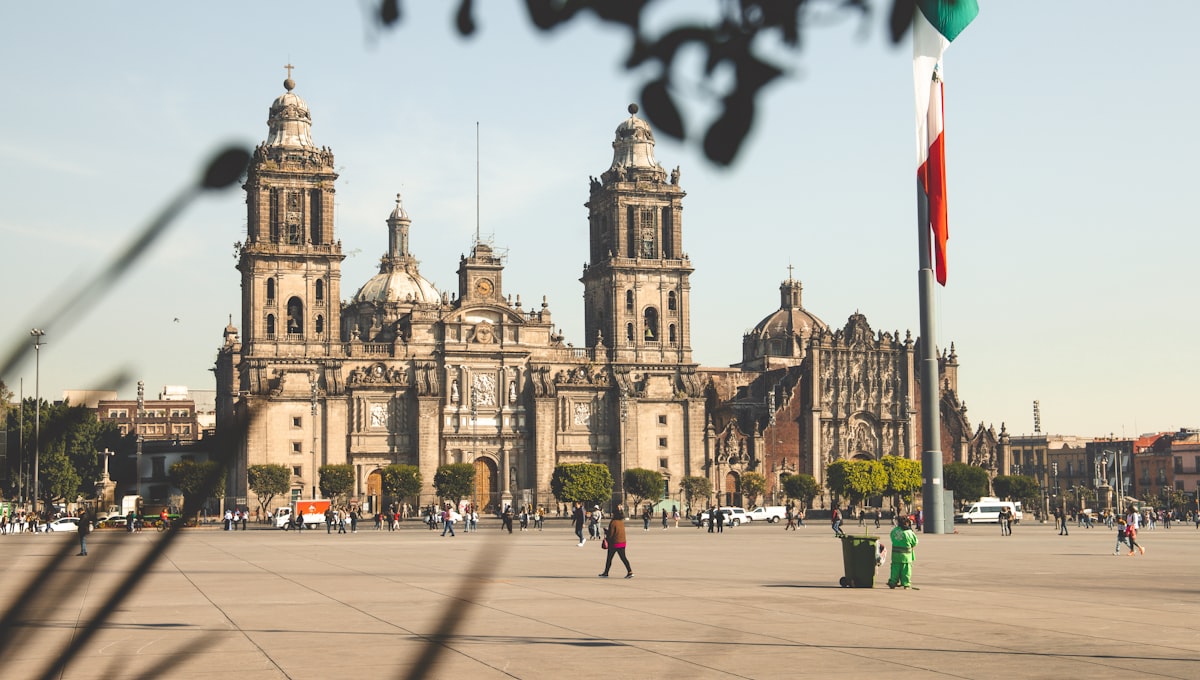
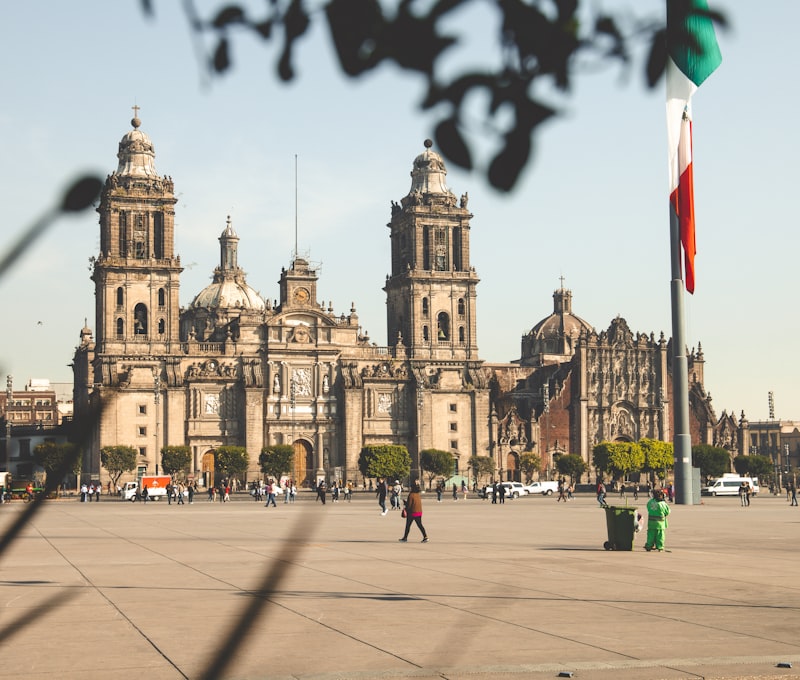
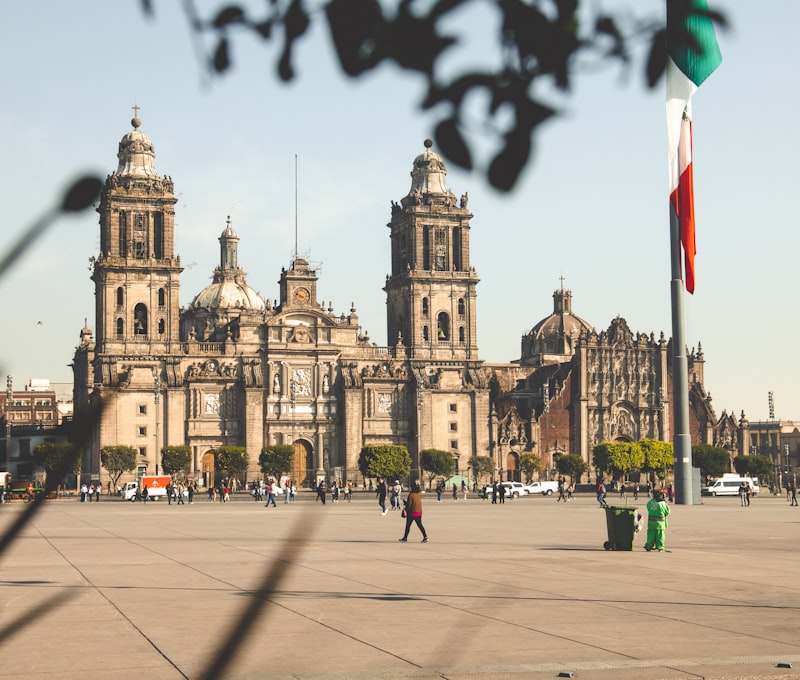
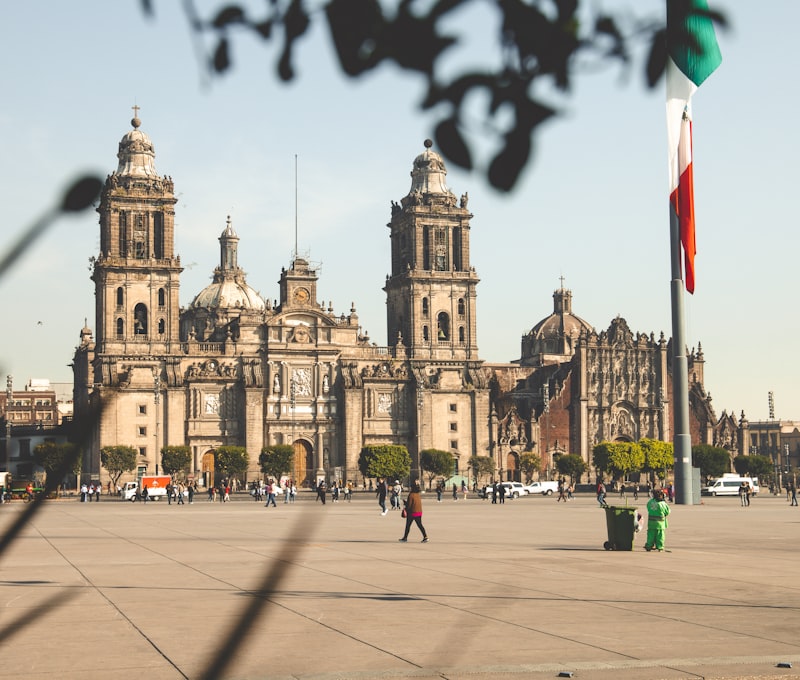
Mexico City sits at 2,240 meters elevation, which moderates temperatures to a remarkably consistent 12–25°C year-round. The city's "winter" (November through February) is dry, clear, and sunny — ideal for walking the Zócalo, Coyoacán, and Roma Norte. Afternoons can be cool enough to need a light jacket, which many tropical-destination visitors don't expect.
The rainy season (June–September) brings afternoon thunderstorms — typically starting around 3pm and lasting 1–2 hours — that can flood streets, delay transport, and make outdoor sightseeing miserable in the late afternoon. Mornings are usually clear and fine. Museum-heavy travelers handle rainy season better than those focused on outdoor markets and street exploration.
Air quality in Mexico City is a genuine consideration. Inversions in March and April, when atmospheric conditions trap pollution below the surrounding mountains, create periods of poor air quality that affect outdoor activity and can be problematic for people with respiratory conditions. February through March is also the least scenic period — brown hillsides, dusty, before the first rains.
Oaxaca and the Southern Highlands
Oaxaca is a strong candidate for the most perfect climate in Mexico — dry, warm (22–26°C), sunny, and at an elevation (1,550 meters) that eliminates the humid coastal heaviness. The city is spectacular for food (mole negro, tlayudas, mezcal), crafts (alebrijes, black clay), and pre-Columbian archaeology (Monte Albán).
The best time to visit is Día de los Muertos, October 31–November 2. This is when Oaxaca becomes genuinely extraordinary: candlelit processions through the cemetery at Xoxocotlán, marigold-carpeted altars (ofrendas) filling the streets, the market at Mercado Benito Juárez overflowing with sugar skulls and incense. Oaxaca's Día de los Muertos is more authentic and more moving than the commercialized versions in Mexico City or tourist-focused events in Cancún. The tradeoff is that this week is Oaxaca's most expensive, with hotels often booked 4–5 months in advance.
Baja California: Desert, Whales, and Pacific Surf
The Baja California peninsula is most famous internationally for two wildlife events. Gray whale migration season runs January through April, when whales calve in the protected lagoons of Guerrero Negro and San Ignacio — pods of gray whales, including curious mothers and calves who approach whale-watching boats, make this one of the most accessible whale watching experiences in the world. Tours run from small fishing villages and cost roughly $40–60 per person for a half-day trip.
The Pacific coast surf season peaks May through October, when northwest swells push into breaks at Todos Santos, Ensenada, and La Jolla (Baja). Los Cabos at the southern tip has increasingly strong international flight connections — American Airlines, United, Alaska Airlines, and Delta all fly direct from US gateway cities, and charter flights from Canada and Europe make it a viable beach resort destination.
The Copper Canyon: October and May Are Your Windows
The Sierra Madre Occidental and Copper Canyon (Barranca del Cobre) — a system of canyons larger and deeper than the Grand Canyon — is one of Mexico's most dramatic landscapes and least-visited by international travelers. The Chepe Express train that runs from Los Mochis through the canyon to Chihuahua is one of the great rail journeys of the Americas.
The canyon's temperature varies dramatically with altitude — the canyon floor can be 35°C while the rim is 15°C on the same day. October and May offer the most moderate conditions at both elevations. The rainy season (July–September) makes trails slippery and some sections of the rail route occasionally disrupted, but also fills the canyon's waterfalls and turns the vegetation an intense green.
Flights and Pricing
Mexico is served from Europe primarily via connections through US hubs (Atlanta, Miami, Dallas, Houston) or directly on Aeromexico and Iberia. Aeromexico flies direct from Madrid to Mexico City (MEX) with fares that regularly come in at €500–€700 economy round-trip. Iberia's Madrid–Mexico City routing is often slightly cheaper than Aeromexico's on equivalent dates.
From the UK, British Airways and Aeromexico run direct Heathrow–Mexico City services. Connecting via Miami on American Airlines or via Bogotá on Avianca sometimes undercuts the direct fare by 20–30% if you're comfortable with a longer journey.
The Verdict by Traveler Type
- Beach (Caribbean): December through April. Book accommodation 3–4 months ahead; prices are premium but the weather is guaranteed. - Beach (Pacific/Baja): May through October for surf; January–March for whale watching. - Mexico City culture: November through February. Clear skies, comfortable temperatures, no rainy-season afternoon disruptions. - Oaxaca food and culture: October for Día de los Muertos (book months ahead); March through May or October–November otherwise. - Wildlife: January–March (gray whales, Baja); November–February (monarch butterfly migration, Michoacán). - Budget travel: May–June or September–October. These shoulder months balance acceptable weather with 30–50% lower accommodation prices than peak season.
Mexico rewards visitors who choose their region and season deliberately. The country is too diverse to have a single best time — but for almost any travel goal, there's a window that's clearly better than the alternatives.
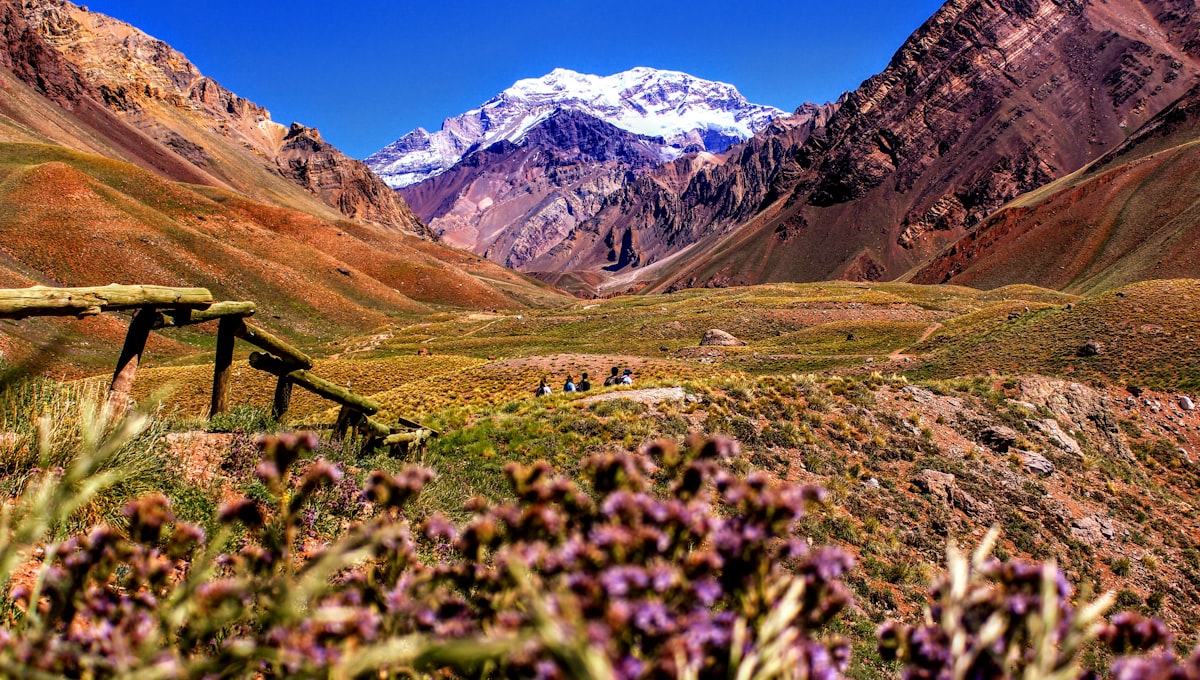 Best Time to Visit Argentina: Patagonia, Buenos Aires, and Wine Country
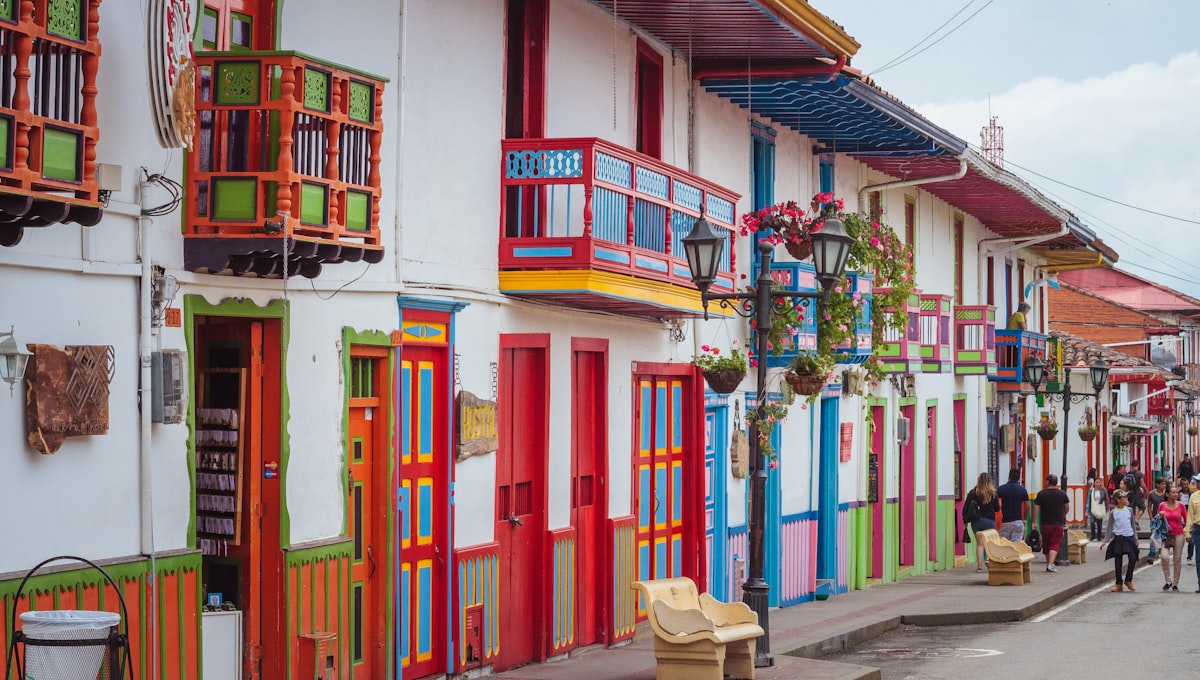 Best Time to Visit Colombia: Cartagena, Medellín, and the Coffee Triangle
 Best Time to Visit Costa Rica: Rainforests, Beaches, and Budget Windows