
Best Time to Visit Argentina: Patagonia, Buenos Aires, and Wine Country
June 1, 2026
Argentina is enormous — the eighth-largest country in the world, stretching from the subtropical north to within 1,000 kilometres of Antarctica — and its size means that "best time to visit" doesn't have a single answer. The conditions that make Patagonia ideal in late October would make Buenos Aires swampy and uncomfortably hot; the dry harvest season that suits Mendoza best coincides with peak demand and premium pricing in the Andes lake district. Getting the timing right requires thinking by region, then building an itinerary that sequences them intelligently.
Buenos Aires: March to May and September to November
The Argentine capital sits at around 34°S latitude — roughly equivalent to Cape Town or Sydney — which means it has a temperate climate with genuine hot summers (December–February, regularly 32–36°C) and mild winters (June–August, typically 8–14°C) rather than the extreme cold that European travellers sometimes imagine for a South American city.
The sweet spots for Buenos Aires are the shoulder seasons. March to May brings warm days (20–28°C), lower humidity than summer, lower hotel prices, and the cultural calendar in full swing. The city's theatre scene, gallery openings, and restaurant launches operate on European rhythms — things happen in March when residents return from their own summer holidays. The Buenos Aires design and food scene, which has grown substantially in the last decade, is at its most vibrant in this period.
September to November is equally good. Spring in Buenos Aires is one of the city's best-kept secrets. The jacaranda trees along Avenida de Mayo bloom an extraordinary violet-purple in October–November, café terraces fill up, and the weather is consistently sunny without the oppressive January heat. Hotel prices in spring are typically 20–30% lower than the December–January peak when international visitors arrive in largest numbers.
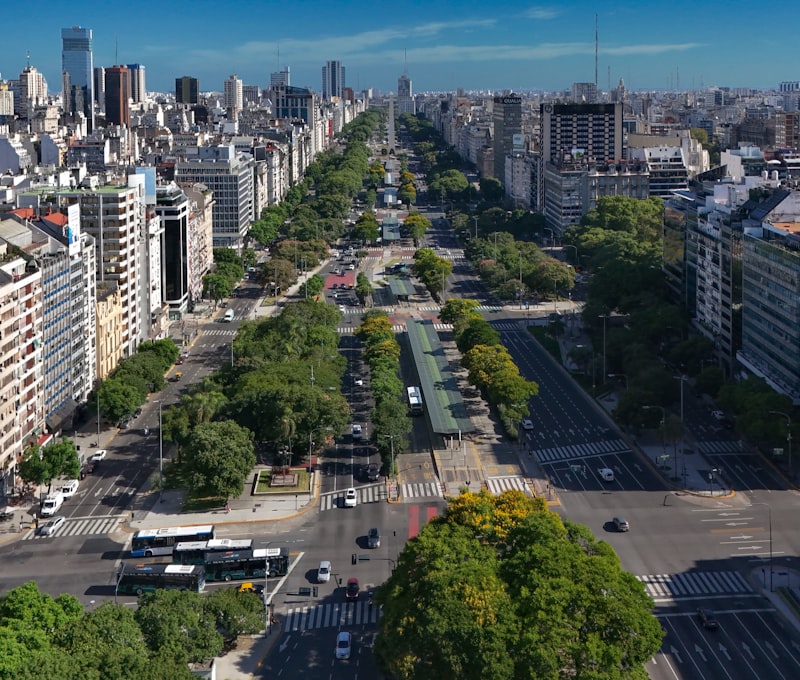
What to see: the Recoleta cemetery (genuinely fascinating — Argentina's cultural history is written in its mausolea, including Evita's grave and a remarkable collection of turn-of-the-century architecture); the Teatro Colón opera house, one of the world's five finest opera venues (book months ahead for good seats); the San Telmo Sunday antiques market; and the Palermo Soho and Hollywood neighbourhoods for restaurants. Don Julio for steak is the most celebrated option (book six weeks ahead minimum); Chila on the Puerto Madero waterfront offers the best tasting menu experience; Tegui in Palermo is outstanding for modern Argentine cuisine at more accessible prices.
Buenos Aires is also the starting point for day trips worth considering: the Tigre delta (1 hour by suburban train, a labyrinth of river channels and wooden summer houses), Montevideo, Uruguay (1 hour by fast ferry, a quieter and remarkably pleasant capital), and Colonia del Sacramento (2.5 hours by slower ferry, a charming colonial Uruguayan town).
Patagonia: October to April, with Peaks in November and March
Patagonia — specifically the region around Torres del Paine in Chilean Patagonia and the Argentine side around El Calafate, El Chaltén, and Lago Argentino — has an extremely short optimal trekking season driven by the notoriously unpredictable Patagonian wind and the high Andean latitude.
The trekking season runs November to late March. Peak season (December–February) is expensive, crowded on the major trails, and not actually the best weather: Patagonian summer often means violent winds and irregular precipitation that make multi-day trekking uncomfortable. The sweet spots are the shoulder months on either end:
- November: shoulder season pricing — accommodation 30–40% below December rates — wildflowers on the Patagonian steppe, fewer crowds, trails reopening after winter, and wildlife at its most active. - March: the most underrated Patagonia month. Autumn light, the southern beech forests (lengas and ñires) turning brilliant gold and red, similar shoulder pricing, and notably calmer winds than mid-summer because the frontal systems are less aggressive.
The famous W-Trek in Torres del Paine (Chile) requires refugio bookings 6–8 months ahead for December–February; November and March bookings can often be secured 3–4 months out. Glacier Perito Moreno near El Calafate is year-round accessible — unlike most Patagonian attractions — and spectacular in any season. The glacier calving (massive sections of ice breaking off the face into the turquoise Lago Argentino) is most dramatic in spring and autumn when temperature differentials promote movement.
El Chaltén, the trekking capital for the Fitz Roy massif, is worth two to three days for the Laguna de los Tres hike (views directly facing the Fitz Roy spire at 1,800m) and the Laguna Torre walk. Both trails are day-hike accessible from the town without prior bookings.
Mendoza Wine Country: March to May (Harvest Season)
Mendoza, Argentina's premier wine region in the foothills of the Andes, has its own best-time logic entirely separate from the rest of the country. The harvest (vendimia) runs from late February through April, and this is unambiguously the best time to visit. Wineries are in active production, you can often participate in harvest activities at smaller bodegas, the vineyards are at their most visually rich with heavy grape clusters, and the Andes are snow-capped behind.
The Fiesta Nacional de la Vendimia in early March is Argentina's largest wine festival, held in Mendoza city's amphitheatre with parade floats, concerts, and winery events. Accommodation books out months ahead for festival weekend itself, but the surrounding two weeks are very manageable. Restaurants across Mendoza run harvest menus featuring new-vintage bottles released a year ahead of international markets.
Beyond harvest, Mendoza works well in October–November (spring, when blossom is on the vines and the Andes are still snow-capped). Avoid January–February if you're sensitive to heat — Mendoza in midsummer regularly hits 36–40°C with low humidity that's tolerable only if you're moving between air-conditioned wineries.
For wine touring: rent a bicycle and self-guide through the Luján de Cuyo and Maipú districts, which are flat and pleasant for cycling. Marquee wineries worth the visit include Catena Zapata (the Mayan pyramid-shaped winery with the best Adrianna Vineyard vertical tasting), Achaval Ferrer (Malbec specialists), and Zuccardi Valle de Uco (the most dramatic setting, with mountain views and exceptional Malbec blends). For better value tastings and more personal experiences, smaller bodegas like Clos de los Siete and Finca Decero offer comparable quality without the tour-group atmosphere.
The Northwest: Salta and the Puna, April to June
Salta province and the high Andean Puna plateau (3,500–4,800m above sea level) are best visited in April to June, after the rainy season ends and roads become fully passable. The landscape at this time — luminous salt flats, the 14-colour Cerro de los Siete Colores at Purmamarca, the wine-producing Calchaquí Valleys — is at peak photographic quality with clear air and soft autumn light.
The Salinas Grandes salt flat (at 3,500m, one of the world's largest) creates surreal reflections after morning rains. The Quebrada de Humahuaca canyon valley (UNESCO World Heritage Site) is best in morning light when the colours in the rock are most vivid. Cafayate wine town, 3 hours south of Salta city, produces Argentina's best Torrontés white wine — fresh, aromatic, and unlike anything else in the wine world. The drive between Salta and Cafayate through the Quebrada de las Conchas is among the most dramatic in South America.
Combining Regions: The Logical Three-Week Sequence
For a three-week Argentina trip that covers the main regions effectively, the logical sequence exploits the southern hemisphere spring in November:
1. Buenos Aires (4 nights) — spring jacarandas, restaurant scene, cultural highlights 2. Mendoza (3 nights) — spring blossom on vines, mountain backdrops, the best wineries 3. Salta/Northwest (3 nights) — dry and clear, dramatic canyon landscapes 4. Patagonia (7–8 nights) — Torres del Paine or El Chaltén opening for the season, fewer crowds, competitive pricing
This sequence takes advantage of shoulder-season pricing across all regions, encounters each place in its most photogenic seasonal state, and allows for a Buenos Aires re-entry at the end for departure without backtracking unnecessarily.
Flights and Practicalities
Buenos Aires Ezeiza (EZE) is the international gateway for virtually all visitors. From London, direct British Airways and Aerolíneas Argentinas flights take around 14 hours and typically run £700–£1,100 return in shoulder season, with occasional sale fares below £600. From the US, American (via Miami), United, and Aerolíneas serve EZE from multiple hubs.
Domestic flights within Argentina connect Buenos Aires to Mendoza (2 hours), Salta (2.5 hours), Bariloche (2.5 hours), and El Calafate (3 hours). Book domestic legs early — Aerolíneas prices surge as load factors increase, and Patagonian routes in peak season can exceed $400 USD return if booked late.
Currency, Costs, and Practical Realities
Argentina's currency situation has been notable in recent years. The Argentine peso has undergone significant depreciation and the relationship between the official exchange rate, the tourist card rate, and the informal rate has shifted repeatedly. As of 2026, check current advice from recent travellers and financial publications before travel, as the effective cost of Argentina in your home currency depends considerably on how you handle local currency.
In approximate USD terms at tourist-accessible rates: a mid-range Buenos Aires restaurant dinner for two with wine runs US$25–$50; a top-end restaurant like Don Julio or Tegui runs US$80–$130 for two. Patagonia is internationally priced — El Calafate and Torres del Paine accommodation and guided experiences are typically denominated in USD and run US$200–$400 per person per day in peak season for decent trekking packages. Mendoza is the most affordable region relative to quality: wine-country set lunch menus at serious wineries run US$30–$60 per person with multiple wines.
Buenos Aires' Ezeiza Airport (EZE) is 35km from the city centre. Official regulated taxis operate at fixed rates from the arrivals hall; Uber operates from EZE and is generally cheaper but requires booking inside the terminal before exiting the secure zone. The Tienda León bus-shuttle to the Madero terminal near Puerto Madero runs every 30 minutes and is the most reliable public transport option for those staying in central Buenos Aires.
Tipping is customary in Argentina: 10–15% in restaurants, rounding up for guides and taxi drivers. The service culture in Buenos Aires' better restaurants is formal and attentive; the more casual parrilla culture of a neighbourhood asado is relaxed and self-service in style. Both are worth experiencing over a three-week visit.
Getting the Cheapest Flights to Buenos Aires
From London, the best fares to EZE appear on British Airways (which prices competitively to match Aerolíneas Argentinas) and on Air France via CDG or Iberia via MAD, both of which offer competitive one-stop options with short layovers. The direct Aerolíneas Argentinas service is worth checking, though the airline's pricing is inconsistent and sometimes considerably more expensive than European carrier alternatives.
The cheapest Buenos Aires fares from London tend to appear in September–October (UK autumn, Argentine spring) and again in late January–February after the Christmas–New Year peak collapses. The worst time to search is November and December, when Patagonia-focused travellers book for the December–February Patagonian high season and drive prices up across all Buenos Aires-bound itineraries. Booking 12–16 weeks ahead for shoulder-season travel and 16–20 weeks for December–February high season gives the best combination of price and availability on a long-haul route where the number of direct European carrier options is limited.
From the US, the Miami–Buenos Aires corridor via American, LATAM, and Aerolíneas Argentinas is the busiest and most competitive: fares from MIA to EZE regularly run $600–$900 return. New York JFK to EZE takes 10+ hours non-stop on American or Aerolíneas and typically prices $700–$1,100 return in shoulder season. The Star Alliance carriers — United via various hubs — offer another set of options worth checking if you're building a trip that connects US cities with Buenos Aires.
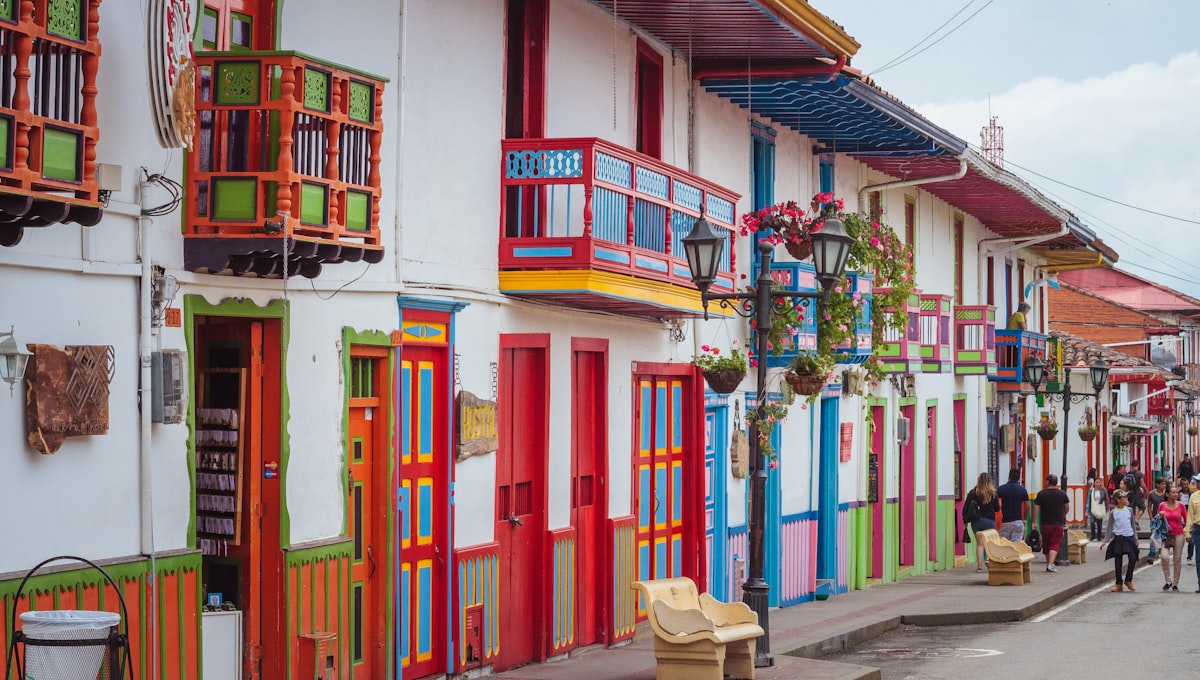 Best Time to Visit Colombia: Cartagena, Medellín, and the Coffee Triangle