
Best Time to Visit Costa Rica: Rainforests, Beaches, and Budget Windows
June 5, 2026
Costa Rica is a country that changes completely depending on when you visit. The same week in January and the same week in October can feel like two different destinations — one dry and packed with tourists, the other lush, quiet, and soaked through with afternoon downpours that part by evening. Understanding Costa Rica's seasons isn't optional for a good trip; it's the whole game.
The Two-Season Structure
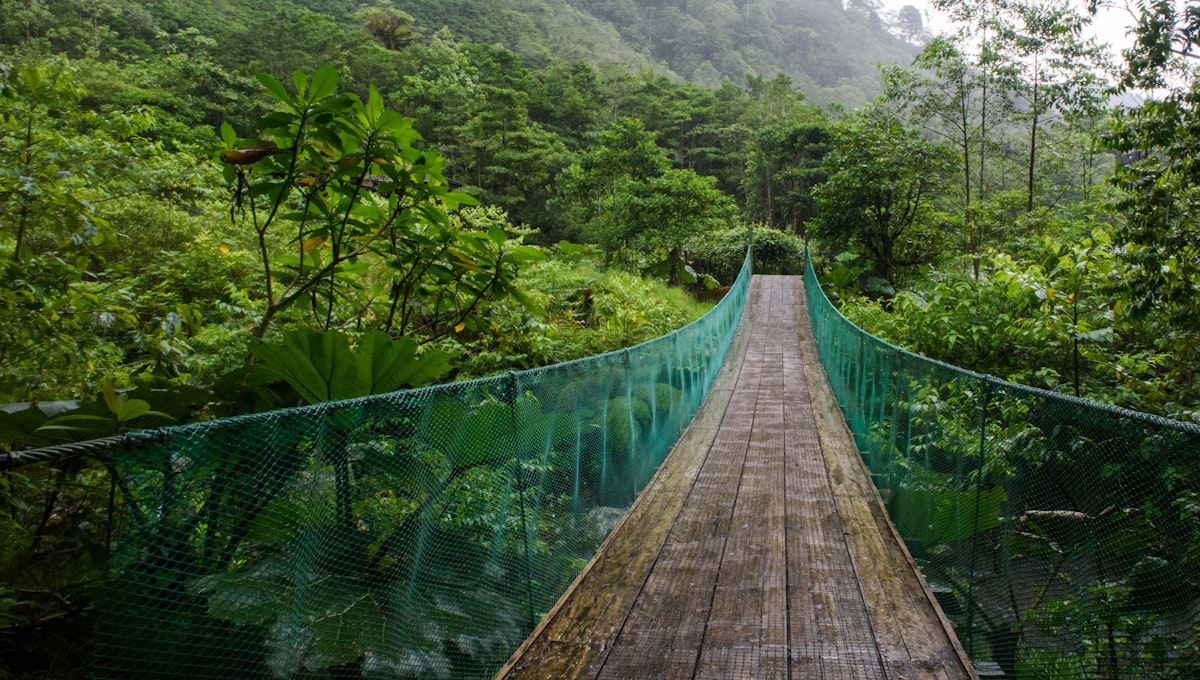
Costa Rica divides into two clear seasons: the dry season (December through April, locally called verano or summer) and the green season (May through November, called invierno or winter). But those labels are misleading. "Green season" doesn't mean constant rain and misery — it means predictable afternoon showers, lower prices, smaller crowds, and a landscape that's genuinely vivid with the kind of lush saturation that gave this country its reputation as an ecological showpiece.
The country also splits geographically. The Pacific coast and Central Valley get drier during December–April. The Caribbean coast operates on its own weather calendar entirely: it's wetter from January to April (when the Pacific is at its driest) and has two shorter dry windows in February–March and September–October. If your trip centres on Tortuguero or Puerto Viejo rather than Manuel Antonio or Guanacaste, flip the conventional advice entirely.
That geographic complexity matters when planning. A traveller who arrives in January expecting dry beaches on the Caribbean coast will find the opposite. A traveller who avoids October because of the word "rainy" might miss one of the best months on the Caribbean side. Costa Rica rewards travellers who do the regional homework rather than treating the country as a single climatic unit.
Peak Season (December–April): Best Weather, Highest Prices
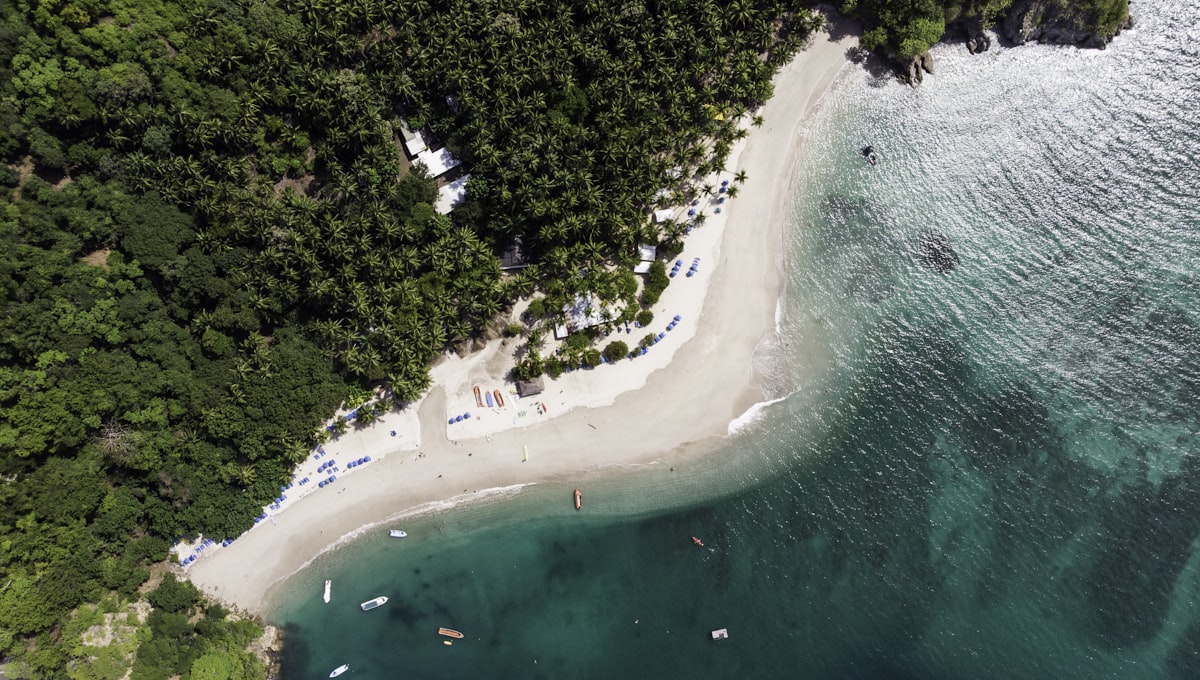
December through April brings the most reliable dry conditions to the Pacific coast and the Central Valley. San José (SJO) connects to Guanacaste, Tamarindo, Manuel Antonio, and the Nicoya Peninsula — all seeing low humidity, clear skies, and calm Pacific waters ideal for surfing and snorkelling. The dry season is also when the Pacific coast's famous beach towns are at full operational capacity — boat tours, surf schools, yoga retreats, and canopy experiences all running at peak.
January and February are the most expensive months. US demand surges after New Year's, and school holidays in February push both flight prices and hotel rates to their annual highs. Expect to pay $700–$950 return from the US East Coast on American (AA), United (UA), or LATAM (LA). From London, indirect fares via Miami or Houston run £750–£950 in this peak window. Budget accommodation in Tamarindo or Manuel Antonio that costs $80/night in May might run $180–$200 in February. The peak is real and expensive.
March and April see slightly lower prices as the US school break ends but weather remains excellent across the Pacific coast. April is the hottest and driest month in Guanacaste — some consider this a positive (guaranteed sunshine) while others find the heat excessive. Late March occasionally overlaps with Semana Santa (Holy Week), which drives significant domestic Costa Rican tourism to the beaches and should be avoided unless you enjoy crowds.
Shoulder Season (May and November): The Smart Windows
May marks the technical start of the green season, but the rains are typically light in the first weeks and come mostly in the late afternoon, leaving mornings clear. Temperatures are warm, vegetation is at its most dramatic green, and prices drop noticeably. US East Coast return fares commonly fall to $550–$680 in May. Hotels that were $220/night in February run $130–$150. Tour operators actively discount to maintain occupancy. The overall calculus is excellent: near-peak-season weather on the Pacific with substantially lower prices across all categories.
November is the mirror image. Most of the green season rain has passed on the Pacific coast, the dry season hasn't fully settled, but wildlife activity is high — sea turtles are nesting on both coasts, migratory bird species are arriving from North America in significant numbers, and the country is operating at lower capacity. November flights from the US typically price similarly to May. The National Parks are quieter, trails are uncrowded, and the wildlife-to-tourist ratio is noticeably favourable compared to peak season.
One specific November advantage: the orange of the Pacific coast dry forests as their leaves begin to turn before the first dry-season rains arrive. Guanacaste's dry tropical forest in November has a different palette than the wet-season green — muted golds and ochres against the blue Pacific sky. It's a version of Costa Rica that fewer travellers see.
Green Season (June–October): Cheap, Green, and Misunderstood
The green season has a reputation problem. Travellers from Europe and the US often avoid it based on the word "rainy," when the reality is far more nuanced. Rain in Costa Rica tends to follow a reliable pattern: mornings are mostly clear, clouds build through the afternoon, heavy showers fall in the late afternoon or early evening, and nights are cool and clear. That structure means you can typically complete morning hikes on the Monteverde cloud forest trails, boat tours on the Río Tárcoles for crocodile watching, or Arenal volcano walks before the rain arrives in the afternoon.
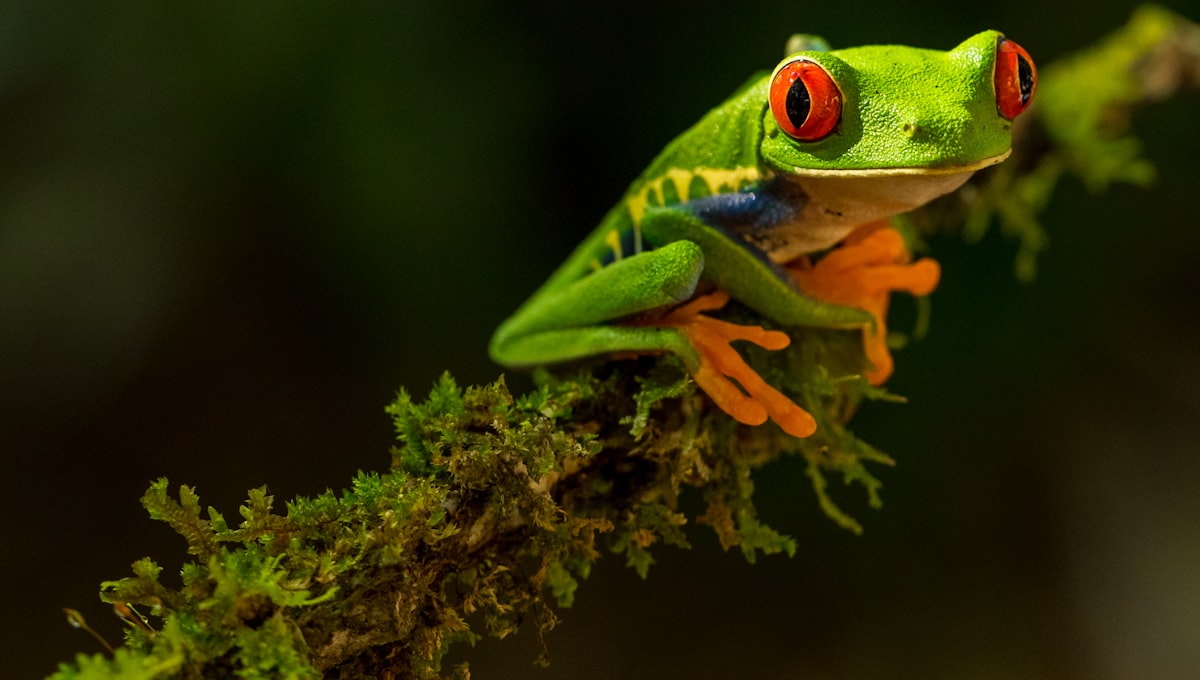
What the green season genuinely delivers is an emptier, cheaper, and greener version of the country. Prices in June–October drop 30–40% on accommodation across the board. Flight fares reflect weaker demand: $480–$600 return from New York or Miami, sometimes touching $420 during slow periods. The rainforest genuinely justifies its name when it's green, and wildlife is often more active — poison dart frogs are particularly visible on wet trails, toucans move more freely, and coatis are frequently easier to spot when trails aren't crowded with people.
September is often cited as the wettest month on the Pacific coast, with the most consistent afternoon rain. Even so, experienced Costa Rica travellers who visit in September consistently report the experience as positive: the parks are near-empty, the waterfalls are at full volume, and the country at its most biologically productive. The famous Nauyaca Waterfalls near Dominical are substantially more impressive in wet season than dry.
Flight Logistics
The main airport is Juan Santamaría International (SJO) in San José. A second option is Daniel Oduber Quirós International (LIR) in Liberia, which serves the Guanacaste region directly and saves 4–5 hours of road transfer if your trip focuses on the northern Pacific beaches. LIR has expanded its international service significantly and American, Delta, and United all serve it directly from major US hubs. If you're going to Tamarindo, Flamingo, or Playa Hermosa, LIR is meaningfully better than SJO even if the flight price is slightly higher.
From the US, the main carriers are American via Miami (MIA) or Dallas (DFW), United via Houston (IAH) or Newark (EWR), Delta via Atlanta (ATL) and sometimes Boston (BOS), and LATAM connecting through Lima (LIM) or Bogotá (BOG). Spirit Airlines and Frontier occasionally serve SJO at significantly lower headline fares, though these ultra-low-cost carriers charge substantially for baggage and seat selection — always model the total cost including a checked bag before assuming the Spirit fare is cheaper.
From Europe, there are no non-stop services. The most common routings go through Miami, Houston, Atlanta, or Madrid on Iberia (IB). Iberia is worth monitoring because it occasionally prices the London–SJO routing via MAD at competitive rates, particularly in the green season. London to SJO return via Miami typically runs £650–£850 in dry season and £500–£620 in green season.
The Caribbean Coast Timing
If your itinerary includes the Caribbean coast — specifically Puerto Viejo de Talamanca, Cahuita, or the Tortuguero canals — recalibrate your expectations about timing. The Caribbean coast's dry windows are September–October and February–March, which is the reverse of the Pacific coast's peak season. A trip built around October on the Caribbean coast can be genuinely dry, uncrowded, and exceptionally affordable — and the Caribbean coast's Afro-Caribbean culture, reggae soundtrack, and chocolate-producing farms near Puerto Viejo offer a completely different experience from the Pacific resorts.
Tortuguero National Park deserves extended attention. Accessible only by boat or small plane (no roads reach the village), Tortuguero hosts one of the most important green sea turtle nesting sites in the Atlantic world. Green turtle nesting peaks from July through September, with August the most intensive month. Leatherback turtles nest from March through July. The canals supporting the park — navigated by motorised canoe — hold caimans, river otters, monkeys of four species, manatees, and an extraordinary diversity of wading birds. Lodge prices at the all-inclusive Tortuguero lodges drop significantly outside the July–August turtle peak, and the wildlife is present throughout the year regardless.
Budget Summary by Season
To give concrete numbers: a 10-day Costa Rica trip from the US East Coast in high season (January–February) realistically costs $3,200–$4,500 per person including flights, accommodation, and tours at mid-range hotels and reputable tour operators. The same itinerary in green season (June–September) runs $1,800–$2,600 — a difference of $1,000–$2,000 per person for largely the same experience, with more visible wildlife and far fewer people at the trailheads.
For budget travellers, the green season is the only sensible option. Hostel beds in La Fortuna near Arenal run $15–$22 in green season. Mid-range hotels with breakfast in Manuel Antonio run $80–$110. Food at local sodas (Costa Rica's informal restaurants) costs $5–$10 for a casado (rice, beans, salad, meat or fish). Getting around by shared shuttle — Interbus and Monkey Rides cover the main tourist routes — costs $20–$40 per leg.
The best overall window for value-to-experience is May or November. You get weather that's mostly manageable, prices that are substantially lower than peak, a Costa Rica that feels proportionally sized rather than overwhelmed by tourism, and the satisfaction of having figured out what the repeat visitors already know.
Practical Getting-Around Notes
Once in Costa Rica, getting between regions requires planning. The road network is functional but distances are longer than maps suggest due to winding mountain roads. San José to La Fortuna (the Arenal region) takes 3–4 hours by bus or shared shuttle. La Fortuna to Monteverde is 3 hours on a scenic but rough road. Monteverde to Manuel Antonio is 5–6 hours via San José. Self-driving is possible in a 4WD vehicle and gives maximum flexibility, but roads in the rainy season can develop potholes and river crossing points that require judgement.
The shared shuttle network — Interbus, Gray Line, and Monkey Rides — covers all the main tourist routes at fixed prices of $35–$65 per leg, includes hotel pickup, and is the most time-efficient option for travellers without a rental car. Domestic flights on Sansa or Nature Air connect San José to Quepos (for Manuel Antonio), Tamarindo, Liberia, and Puerto Jiménez for the Osa Peninsula, cutting 3–5 hour road journeys to 30-minute hops for $80–$120 per flight. On longer trips, replacing one or two road transfers with domestic flights is a worthwhile investment in time.
Costa Rica doesn't have a bad time to visit. It has expensive times, wet times, crowded times, and a sweet spot in the shoulder months that most first-time visitors overlook entirely because the conventional advice is too simplified. Do the regional research. The data on the shoulder season is unambiguous.
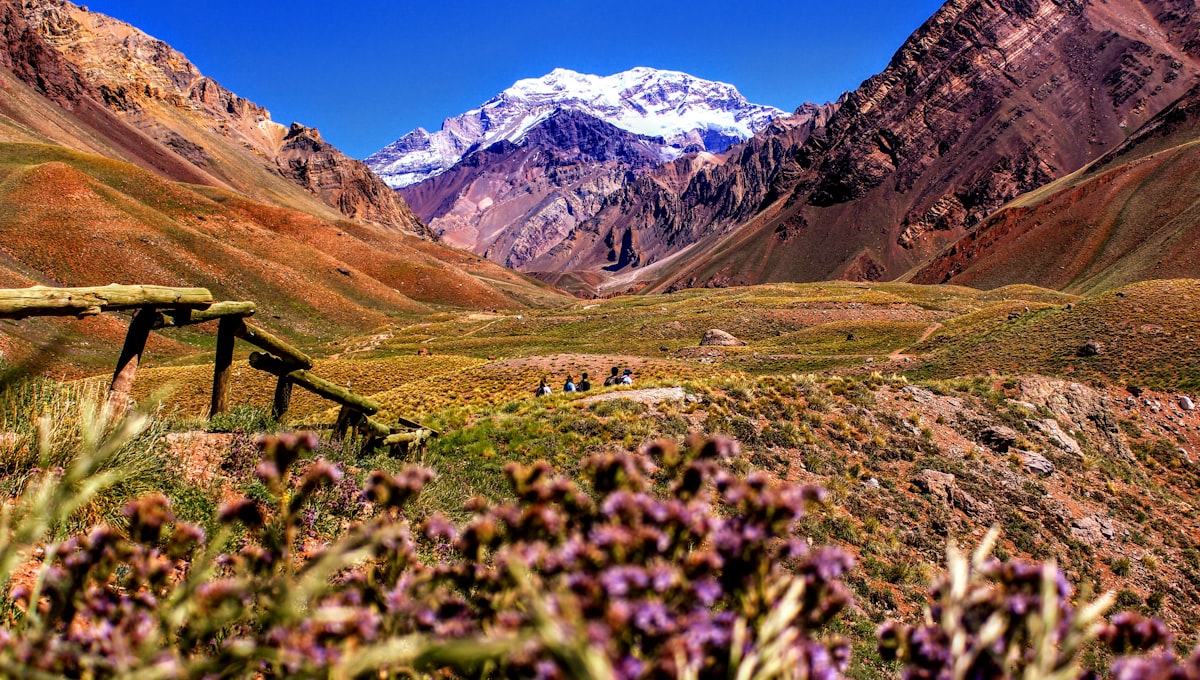 Best Time to Visit Argentina: Patagonia, Buenos Aires, and Wine Country
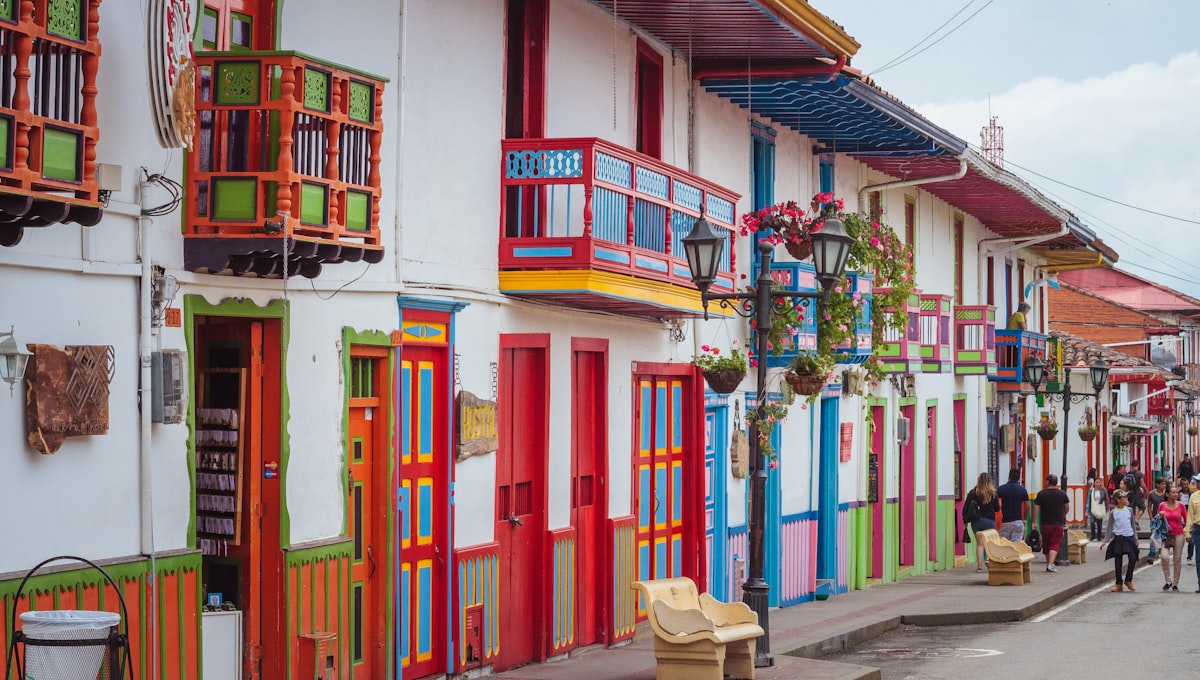 Best Time to Visit Colombia: Cartagena, Medellín, and the Coffee Triangle