

Airline Miles Programs Compared: Which One Is Actually Worth Joining?
May 29, 2026
Airline loyalty programs are simultaneously the best deal in travel and one of the most misunderstood products in retail. The best programs can yield flights worth $5,000 or more from miles that cost a fraction of that in accumulated credit card spend. The worst programs are designed primarily to generate credit card revenue while making redemptions increasingly difficult. Knowing which is which — and what changed since each program's golden era — is what separates travellers who extract real value from those who accumulate miles they'll never use.
How Airline Miles Programs Actually Make Money
This is the starting point for any honest assessment. Airlines earn more from their loyalty programs than they do from flying planes on most routes. The mechanism: banks pay airlines 1.5–2.5 cents per mile for the miles they issue when customers spend on co-branded credit cards. American Airlines, for example, earns billions of dollars per year from Citibank and Barclays for AAdvantage miles. This revenue stream is so significant that it largely funded the US airlines' survival through the COVID-19 pandemic.
The implication: programs are optimised to issue miles and create credit card spend, not to facilitate easy redemptions. Every devaluation, every dynamic pricing change, every restriction added to award booking is in the economic interest of the program (it costs them less per mile issued) and against the economic interest of the member. Understanding this conflict of interest is the foundation of evaluating any program.
American Airlines AAdvantage: The Devaluation Story
AAdvantage was for many years considered the best US major carrier program for international premium cabin redemptions. The key advantage was access to partner airline awards — cathay Pacific first class to Hong Kong, Japan Airlines business class to Tokyo, British Airways short-haul — at fixed prices from a published chart. Savvy travellers built elaborate itineraries using partner space booked through AAdvantage miles.
In 2023, AAdvantage eliminated its fixed award chart and moved to fully dynamic pricing. This is the most significant negative development in US airline miles in a decade. Dynamic pricing means award costs are determined by the cash price at the time of search, removing the predictability that made AAdvantage valuable. A JFK-LHR business class award that used to cost 57,500 miles one-way can now cost 120,000 or more on peak dates. The program still has value — partner awards sometimes remain competitive — but it requires much more work to find good value, and the predictability is gone.
United MileagePlus: The Most Consistently Useful US Program
MileagePlus has undergone fewer structural changes than its peers and retains a published partner award chart (Saver Awards) that gives reasonably consistent redemption values. The Star the three alliances network — Lufthansa, Singapore Airlines, ANA, Swiss, Copa — provides a wide range of premium cabin award space that MileagePlus members can access.
The highest-value MileagePlus redemptions are through partner airlines. ANA first class from the US West Coast to Tokyo via Japan runs 55,000 MileagePlus miles one-way — a first-class seat that retails for $7,000–12,000. United's own Polaris business class is solid and can be booked on saver award pricing (70,000 miles one-way to Europe) more reliably than American's equivalent. The credit card (Chase United Explorer, Chase United Club Infinite) earns well and the signup bonuses are periodically generous.

Delta SkyMiles: The Warning
Delta SkyMiles has the nickname "SkyPesos" in the frequent flyer community — not entirely fair, but rooted in a real pattern of aggressive devaluations and unfavourable dynamic pricing. Delta moved to fully dynamic award pricing years before the other US majors, which means there are almost no fixed-price sweet spots. A seat costs what Delta thinks it's worth, which tends to track cash prices closely.
The program is not worthless — Delta partners with Air France-KLM's Flying Blue, Korean Air, and Virgin Atlantic, and occasionally award space on partner airlines at the partner airline's fixed rates (rather than Delta's dynamic rate) creates good value. But finding it requires significantly more effort than it once did, and the structural drift of the program is away from member value.
The Amex Delta credit card has one of the strongest co-branded card ecosystems in the US market, and the SkyMiles earned as signup bonuses and through spend can be useful if you're already a Delta loyalist by geography or preference. But as a program to deliberately accumulate miles in for redemption planning, it ranks below MileagePlus and AAdvantage in the current environment.
Emirates Skywards: The Premium Carrier Program
Emirates Skywards operates differently from the US legacy programs. It's primarily an earn-and-burn system focused on Emirates' own flights rather than a partner network. Miles earn well on Emirates flights and through a reasonably broad range of hotel, car rental, and retail partners. Redemptions on Emirates' own flights — economy, business, first class — follow a published award chart with predictable pricing.
The highest-value Skywards redemptions are First Class on Emirates' A380 routes — the private suites with closing doors, showers, bar. A first class award on A380 routes can run 200,000–300,000 Skywards miles return, which sounds like a lot, but the cash price of those seats (£8,000–18,000 return) makes the redemption value extremely strong for travellers who have accumulated miles through credit card spend in markets where Skywards-affiliated cards are available.
For most travellers, the practical Skywards play is accumulating miles through Emirates flights on a route they already fly regularly (Dubai is a major hub for South Asian, African, and Middle Eastern travellers) and redeeming for business class upgrades or award tickets during the airline's periodic "partner sale" promotional windows.
Singapore Airlines KrisFlyer: The Best Overall Program
KrisFlyer is the frequent flyer program most consistently cited by booking flights with points-optimization experts as offering the best combination of partner breadth, award availability, and value per mile. Singapore Airlines is a member of Star Alliance and has unilateral partnerships with several airlines outside the alliance, giving KrisFlyer members access to awards on Lufthansa, ANA, Air New Zealand, Cathay Pacific, and many others.
The KrisFlyer sweet spot: Singapore Airlines' own Suites Class (the private cabin on A380 routes) and Business Class awards, which follow a published chart with real availability. Singapore to London in Business Class costs 85,500 KrisFlyer miles one-way — a seat that retails for $3,500–5,000. Singapore Suites (the double-bed suite on A380 routes) is genuinely among the finest air travel experiences available and redeems at 86,000 miles one-way for top tier routes.
KrisFlyer miles are earned through Singapore Airlines flights, their credit card partners (Amex, Citi in Singapore; Amex and others in the US and UK), and through the airline's retail and hotel partnerships. The key limitation: KrisFlyer miles expire 36 months after being earned, which requires active management to prevent accumulation decay.

Transferable Points: The Meta-Strategy
The single most important development in the loyalty program space in the past decade is the rise of transferable points currencies: Amex Membership Rewards, Chase Ultimate Rewards, Citi ThankYou Points, and Capital One Miles. These are points earned through credit card spend that can be transferred to multiple airline and hotel programs.
Chase Ultimate Rewards transfers to United MileagePlus, British Airways Avios, Air France-KLM Flying Blue, Singapore KrisFlyer, and others at a 1:1 ratio. Amex Membership Rewards transfers to ANA, Singapore Airlines, Delta, British Airways, Air France, Emirates, and more. The flexibility to accumulate a single currency and then transfer to whichever airline program has the best availability for a specific redemption is structurally superior to locking miles into a single airline program.
The practical strategy: accumulate a transferable points currency through everyday spend (grocery, dining, travel) and one or two high-earning credit cards; research the specific redemption you want 4–6 months before travel; transfer the appropriate number of points to the specific airline program with the best availability for your target route; and book the award. This approach captures the best of all programs rather than being locked into one.
The Honest Rankings
For most travellers, in order of overall value in 2026: Singapore KrisFlyer (best program, requires building Singapore card ecosystem). United MileagePlus (most versatile US program with retained structure). Chase Ultimate Rewards/Amex MR as transferable currencies (meta-strategy beats any single program). Emirates Skywards (strong for Emirates-heavy travellers). British Airways Avios (best for short-haul Europe redemptions, increasingly complex for long-haul). American AAdvantage (post-dynamic pricing, situationally useful). Delta SkyMiles (functional, rarely excellent).

A Note on Earning vs. Redemption
Many travellers focus heavily on earning miles and then find redemptions frustrating. The mental model should run the other direction: identify the redemption first (the destination, the cabin, the airline) and then work backwards to the program and the earning strategy. Accumulating Delta miles for five years and then discovering that the redemption you want costs three times what you expected is a common outcome for travellers who didn't run the process in the correct order. Start with the redemption. Build the earning strategy around it. Use RegionFare to find the cash price of the flight first so you can calculate the cents-per-mile value of the award and decide whether miles are actually the right currency for your trip.
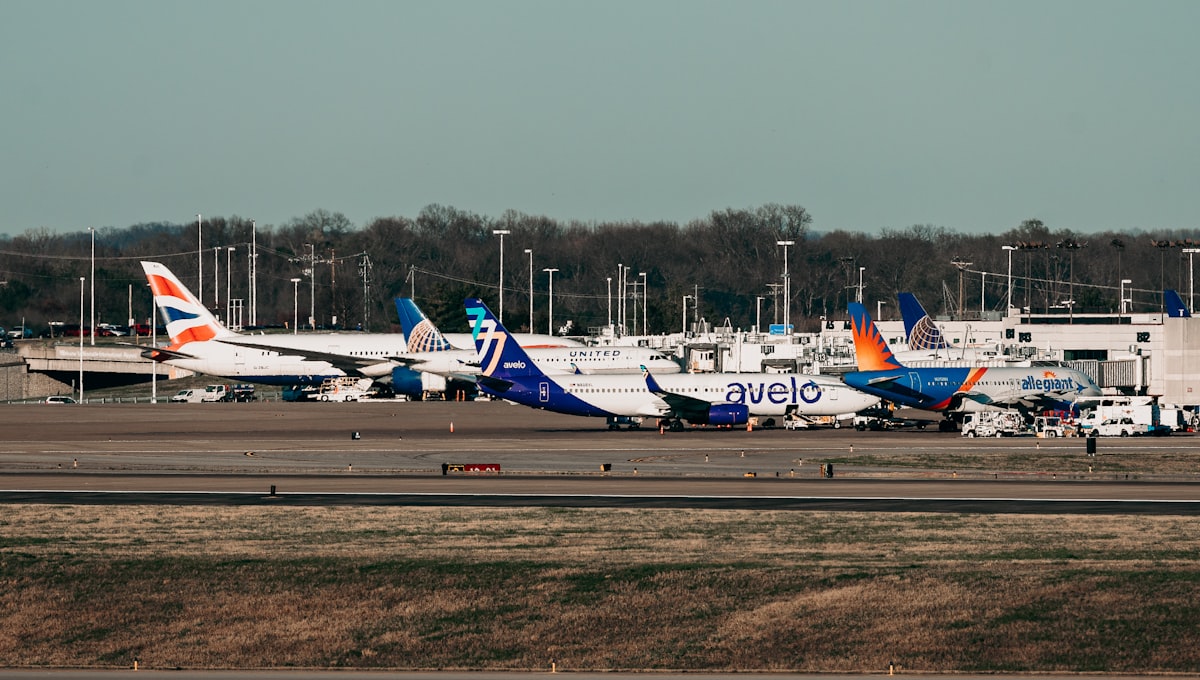 Star Alliance vs Oneworld vs SkyTeam: Which Matters for Cheap Flights?
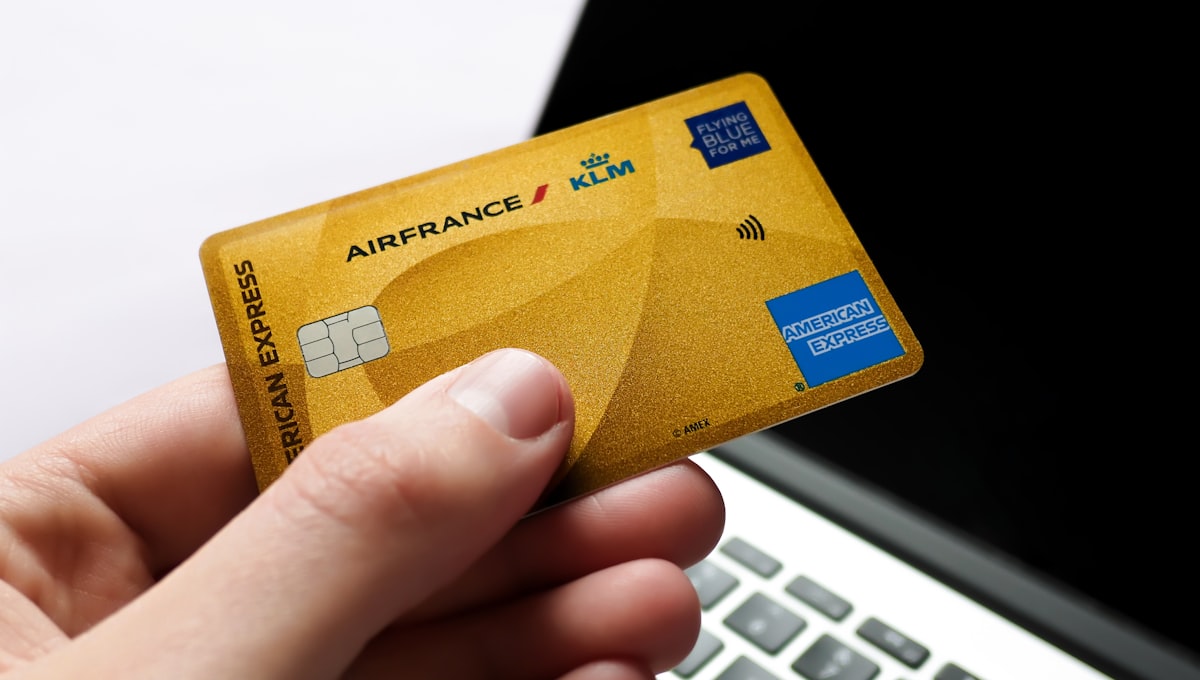 Best Credit Cards for International Flight Bookings: FX Fees, Points, and Protections