
3 Days in Granada: The Alhambra, Albaicín, and Free Tapas
June 18, 2026
3 Days in Granada: The Alhambra, Albaicín, and Free Tapas
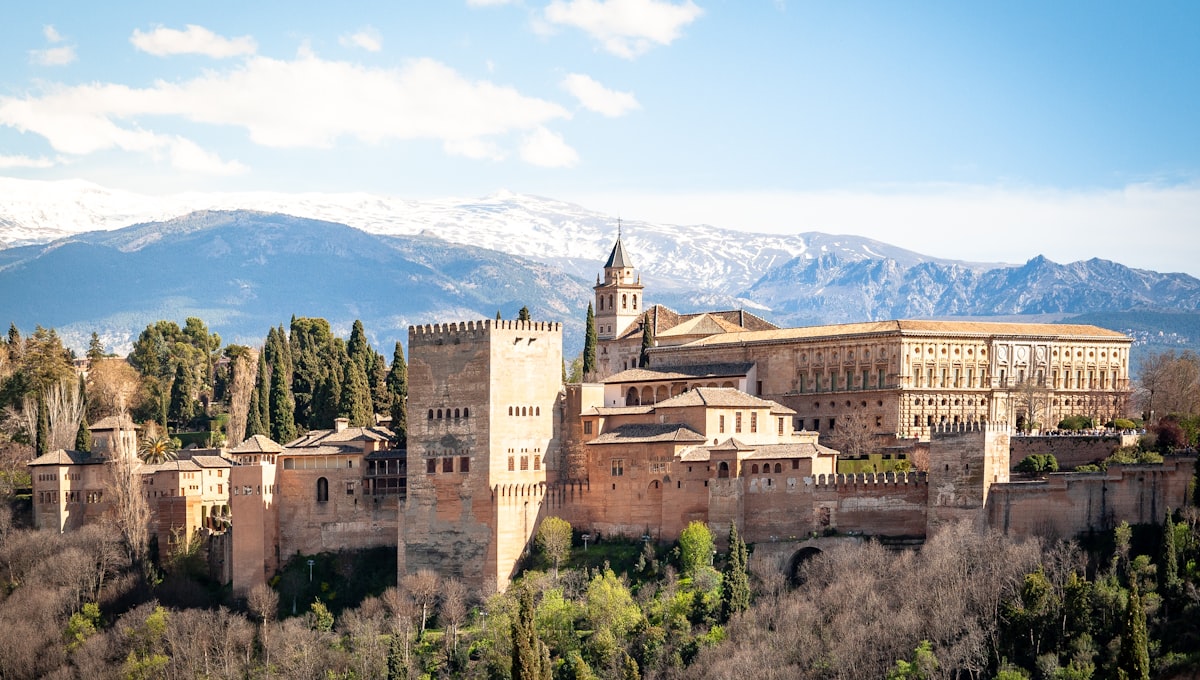
Granada occupies a unique position among Spanish cities. It is simultaneously an ancient Moorish capital of extraordinary architectural ambition, a university town buzzing with student energy and cheap bars, and the last holdout of Islamic civilization in Western Europe before the Reconquista concluded in January 1492. This layered history sits beneath the Sierra Nevada — visible, snow-capped, for much of the year — and creates a city of such extraordinary depth that three days pass before you feel you've scratched the surface.
One thing that sets Granada apart from any other city in hidden gems in Spain, and arguably in Europe: in most bars and restaurants, every drink you order comes with a free tapa. This is not a tourist gimmick or a special promotion. It is cultural policy, a surviving tradition from the era when glasses of manzanilla sherry were served with a small plate of food to soak up the alcohol — the word tapa literally means "lid," from the practice of covering the glass with a small plate. A beer costs €2–3 and arrives with a piece of tortilla, fried fish, a generous portion of slow-cooked stew, or half a bocadillo. Three drinks at three different bars effectively constitutes dinner at a total cost of €7–10.
Getting to Granada
Granada is well served by Renfe long-distance rail from Madrid (4.5 hours on the Avant service, from around €25 booked in advance) and by Alsa coaches from a weekend in Seville (3.5 hours), Málaga (1 hour 45 minutes), and Córdoba (2.5 hours). The bus from Málaga Airport runs directly and frequently — if you're flying into southern Spain, Málaga is almost always the cheapest airport gateway to Granada.
Ryanair operates direct flights from London Stansted, Manchester, Edinburgh, and several Irish airports to Granada Airport (GRX), which is small, manageable, and 15 minutes from the city centre. Return fares in the shoulder season regularly fall below £60, making Granada one of the cheapest European city-break flights from the UK.
Day One: The Alhambra
Book your Alhambra tickets the moment you know your travel dates. This is not optional, not an exaggeration, and not something you can sort out when you arrive. The Alhambra is the most visited monument in Spain — over 3 million visitors per year — and entry is strictly limited to approximately 6,600 tickets per day across all zones. Tickets for the full complex, including the Nasrid Palaces, typically sell out 2–4 weeks in advance in the busy season (March–October). Tickets cost €19.09 and are only available through the official Alhambra website (alhambra.org). Never buy from third-party resellers — unofficial tickets are frequently invalid.
The Nasrid Palaces are the absolute heart of the complex and the reason the Alhambra is considered one of the greatest achievements of Islamic architecture in the world. A series of interconnected courtyards, throne rooms, and intimate chambers decorated with the most intricate plasterwork (muqarnas stalactite vaulting), zellige tile mosaics climbing to eye level, and carved cedarwood ceilings of geometrical complexity that took craftsmen years to execute. The Court of the Lions, with its 12 carved marble lions supporting the famous central fountain, is the signature image that has defined the Alhambra in the world's imagination. Tickets for the Nasrid Palaces come with a strict 30-minute entry window — arrive on time, because late entry is firmly refused regardless of circumstances.
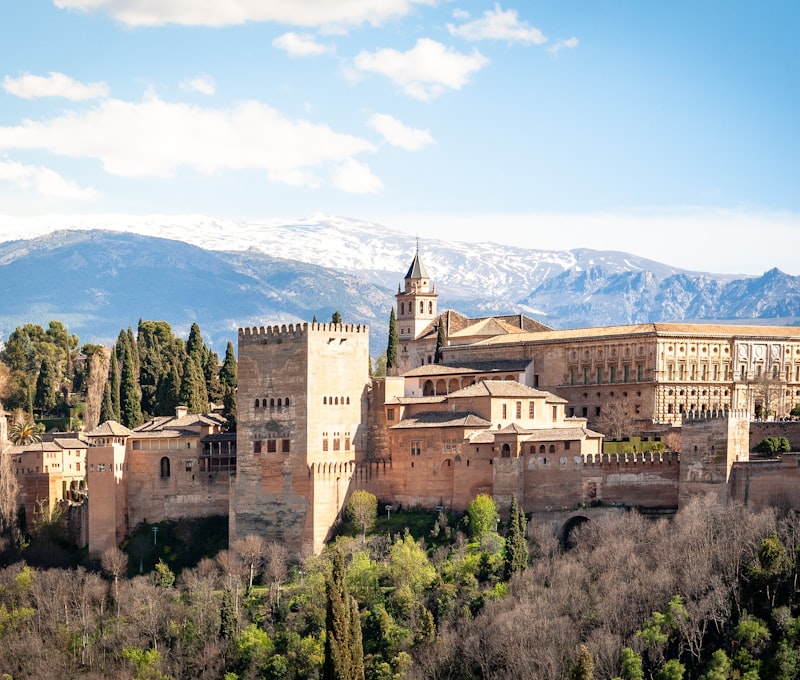
Allow at least four hours for the full complex. The Alcazaba military fortress at the western end offers the best panoramic views over the city and the Albaicín hill. The Generalife summer palace gardens — with their long water channels running between trimmed hedges and rose beds, designed to create the sound and sensation of a cool retreat in an Andalusian summer — are a meditative and beautiful counterpoint to the ornate palace architecture. Visit early in the morning to beat the heat (June to August temperatures regularly exceed 36°C in Granada) and to photograph the Nasrid Palaces before they fill with visitors.
Day Two: Albaicín, Sacromonte, and the Cathedral Quarter
The Albaicín is the ancient Moorish residential quarter that climbs the hillside directly opposite the Alhambra, separated from it by the deep Darro gorge. Its labyrinthine narrow streets, whitewashed carmen walls with jasmine tumbling over the tops, and traditional teterías (Moorish tea houses serving mint tea and Moroccan pastries) create an atmosphere that feels more like Marrakech or Fez than southern Spain — a deliberate preservation of a pre-Reconquista urban fabric that survived because successive generations maintained it rather than replacing it.
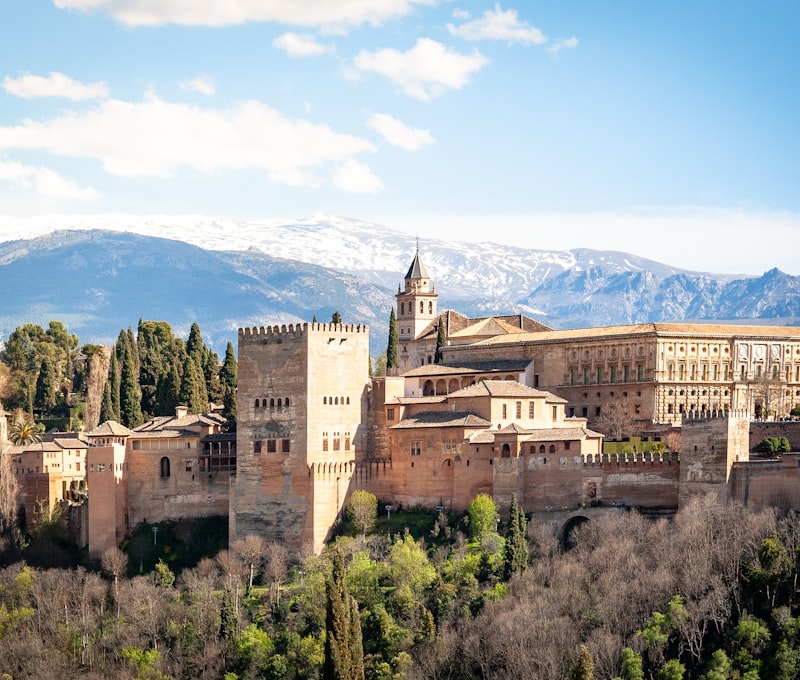
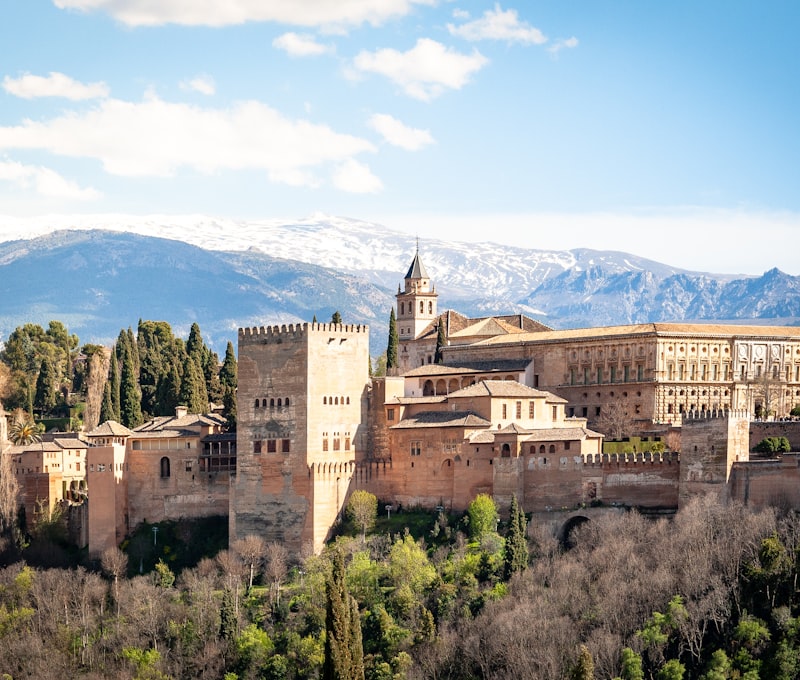
Walk up through the Albaicín, getting deliberately lost in streets barely wide enough for two people to pass, and you'll find miradores (viewpoints) at every elevation offering increasingly dramatic perspectives of the Alhambra across the gorge. The Mirador de San Nicolás at the summit is Granada's most famous viewpoint — celebrated particularly at sunset when the Alhambra's ochre towers turn amber-red against the white peaks of the Sierra Nevada. Arrive 30–45 minutes before sunset to secure a good position; it becomes crowded in summer but the collective atmosphere of hundreds of people watching the same spectacle in silence is quite remarkable.
Sacromonte, adjacent to and below the Albaicín, is a hillside neighbourhood of cave homes carved into the sandstone rock face, traditionally inhabited by the gitano (Roma) community and widely recognized as one of the birthplaces of Flamenco gitano — the most raw and authentic form of flamenco. The cave homes are still lived in; many have functioning interiors painted brilliant white inside. Some have been converted into intimate flamenco venues where tablao performances happen nightly. A show at the Cueva de la Rocío or the Venta El Gallo includes drinks and runs 45–60 minutes for approximately €25–30. The intimacy of a cave performance — a small room, a single guitarist, a single dancer, hand-claps bouncing off ancient rock walls — is categorically different from a formal theatre performance.
The Granada Cathedral, built on the site of the city's Great Mosque following the Reconquista in a deliberate act of symbolic replacement, is one of Spain's finest and most underappreciated Renaissance churches. The adjoining Royal Chapel holds the tombs of Ferdinand and Isabella — the monarchs who funded Columbus's voyages, expelled the Jews from Spain, and who received the surrender of Boabdil, the last Nasrid sultan, in the very palace you visited yesterday. The Royal Chapel collection includes extraordinary Flemish paintings from the royal collection and the monarchs' private prayer objects. Entry costs €6 and is separately ticketed from the cathedral; both are worth the combined €10.
Day Three: El Bañuelo, the Hammam, and the Full Tapas Circuit
Granada has several surviving Arab bathhouses (hammams) from the Nasrid period. El Bañuelo, off the Carrera del Darro in the lower Albaicín, is the oldest surviving bath complex in Spain — 11th century construction, still with its characteristic star-shaped and octagonal skylights that cast geometric light patterns on the warm stone floors. Entry is free of charge and it receives surprisingly few visitors, making it one of Granada's most atmospheric and genuinely special sites. Spend 20 minutes here in quiet contemplation of how the space was designed, used, and what it says about the culture that built it.
The modern hammam Aljibe de San Miguel offers full contemporary Arab bath experiences in a beautifully restored historic building: three pools at different temperatures (cold, warm, hot), an optional kessa scrub and soap massage, and a relaxation room with mint tea. A two-hour session on a weekday afternoon costs €40–70 depending on the extras you add. This is one of Granada's finest experiences — deeply relaxing, historically resonant, and competitively priced compared to spa facilities in comparable European cities.
For the rest of the afternoon and evening, do what Granada does more genuinely well than anywhere else in Spain: the tapas circuit. The system is simple — you order a drink, the tapa arrives free, you finish both, and you move to the next bar. Each establishment brings a different tapa, chosen by the house. Over the course of a long evening, you might eat half a dozen different dishes without ordering a single one.
Start at Bar Los Diamantes on Calle Navas for the freshest fried seafood in Granada — calamares fritos, gambas al ajillo, and a fried boquerones (fresh anchovies) tapa that arrives without asking. Move to Bar Bodegas Castañeda on the corner of Calle Almireceros and Calle Elvira for a vermouth or fino sherry with Serrano ham and aged cheese. Finish at Taberna La Tana in the Realejo quarter, a specialist natural wine bar with an exceptional selection of small-production Andalusian and Spanish wines paired with thoughtful tapas that exceed the standard free offering.
The total cost of this evening — six or seven drinks across four bars, with a substantial and varied meal included — will be under €20 per person. This is Granada's most authentic gift to the visitor, and it's entirely free.
Where to Stay and Practical Notes
The Realejo neighbourhood (the old Jewish quarter, south of the Cathedral) is the best base — quieter than the tourist-dense Cathedral district, well-positioned for both the historic centre and the Alhambra hill, and home to Granada's best independent restaurants and bars. Budget hotels here run €60–90/night for a double in the shoulder season. For an atmospheric splurge, the Parador de Granada is housed inside the Alhambra complex itself — you can walk through the gardens to the Nasrid Palaces after the day visitors leave, which is an experience with no equivalent.
Weather: Granada's interior location creates an extreme continental climate — 37–42°C in July and August (making midday street walking unpleasant), genuine snow on the Sierra Nevada through March, and brilliant spring weather in April–May. September and October are arguably the best months: temperatures fall to 25–28°C, the harvest festival season begins in the surrounding villages, and the tourist crowds thin meaningfully from peak summer levels.
Budget summary per person: Alhambra €19, cathedral and royal chapel €10, flamenco cave €25, hammam €45, food and drink across three full days €55–70. Total for three days in Granada excluding flights and accommodation: approximately €154–169. This makes Granada one of the most culturally rich and simultaneously affordable city breaks available in Europe.
Sierra Nevada Day Trip: Skiing from the Beach
One of Europe's most extraordinary geographical curiosities sits just south of Granada: the Sierra Nevada ski resort, at 2,100–3,300m elevation, is the most southerly ski resort in continental Europe and the highest in Spain. From late November to April, you can ski in the morning and be on the Mediterranean coast at Motril or Salobreña — a 65km drive — by afternoon. The ski season and beach season genuinely overlap in February and March in a way that's unique in Europe outside the Atlas Mountains.
For non-skiers, a drive or bus up to the Pradollano base station offers extraordinary views across Andalusia and, on clear days, the Atlas Mountains of Morocco across the Strait of Gibraltar. The Veleta summit road (highest paved road in Europe at 3,394m) is open in summer for cyclists and hikers.
Day Trips from Granada
The city makes an excellent base for Andalusian day trips. Córdoba is 2.5 hours by bus — the Mezquita-Catedral de Córdoba (a mosque that was converted into a cathedral during the Reconquista, with both architectural identities preserved) is one of Spain's most quietly moving buildings. The Judería (Jewish Quarter) around the Mezquita is spectacularly intact. Seville is 3.5 hours by bus, best done as an overnight rather than a day trip given the distance. The white villages of the Alpujarras — a series of Moorish-era mountain villages in the Sierra Nevada foothills — are reachable by local bus in 90 minutes and offer a completely different, quieter vision of Andalusian life than Granada's busy tourist core.
Granada rewards unhurried visitors. Three days scratches the surface; a week lets you settle into the rhythm of morning coffee, a long afternoon in the shade, and evenings that extend naturally across three or four tapa bars until midnight. This is Andalusia's gift to those who slow down enough to receive it.
 3 Days in Dubrovnik: Old Town, Islands, and the Best Sunset Spots
 3 Days in Marrakech: Riads, Souks, and the Atlas Mountains
 3 Days in Split: Diocletian's Palace and the Islands Beyond