
Hidden Gems in Spain: 7 Places Beyond Barcelona and Madrid
May 22, 2026
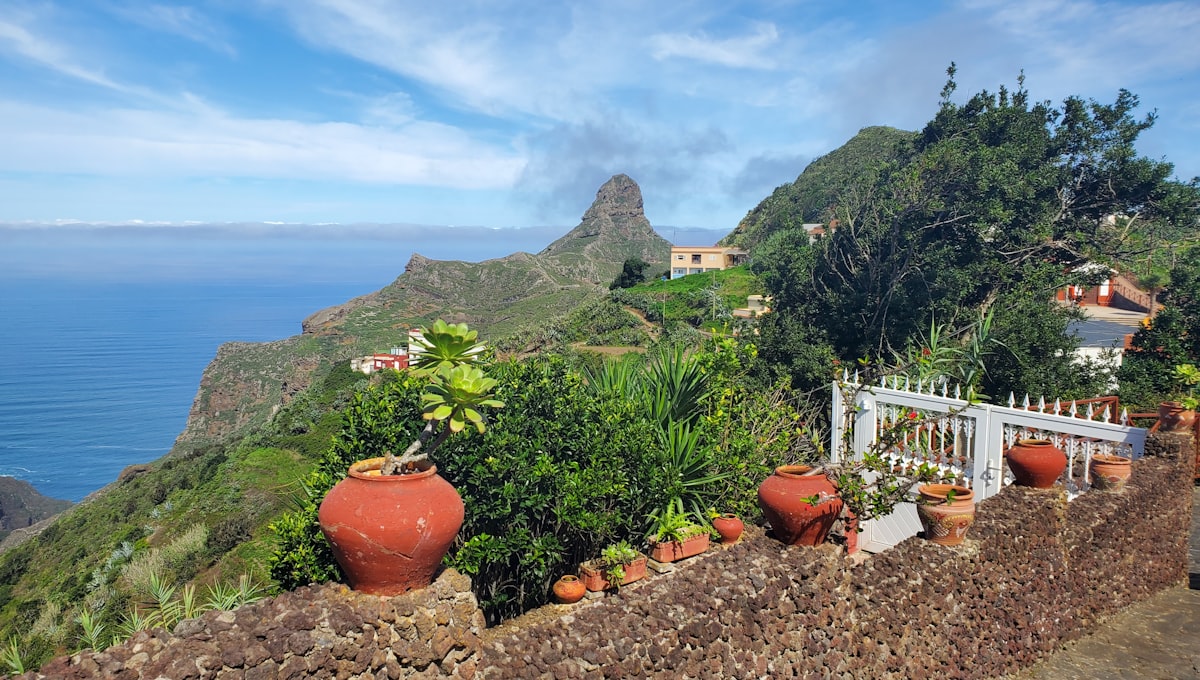
Spain is the second most visited country in Europe, and yet most of that visitor traffic concentrates in five or six well-worn destinations. The country rewards exploration; its geography—four mountain ranges, two coastlines, a plateau, and a subtropical archipelago—produces radically different environments within a short train ride of each other. These seven places deserve far more attention than they receive.
1. Cádiz
Cádiz is one of the oldest continuously inhabited cities in Western Europe, founded by the Phoenicians around 1100 BCE. It sits on a narrow peninsula jutting into the Atlantic, giving it an atmosphere more Caribbean than typically Spanish—probably because it was the main port of departure for the colonial Americas for over two centuries. The old town is a maze of whitewashed buildings, crumbling baroque churches, and seafood restaurants. The fish market near the Mercado Central is where locals shop; a lunch of tortillitas de camarones (shrimp fritters) and grilled urta (a local bream) in one of the adjacent bars costs under €15.
Getting there: Ryanair (FR) flies to Jerez de la Frontera (XRY), 40 minutes from Cádiz by bus. Direct trains from Madrid Atocha take around 4 hours and cost €30–€50 on Renfe.
2. Girona
72 hours in Barcelona pulls all the attention in Catalonia, but Girona—90 minutes north by AVE train—is one of the most beautifully preserved medieval cities in Europe. Its Jewish quarter (the Call) is among the best-maintained in the world, a labyrinth of narrow lanes that climb the hillside above the Onyar River. The city walls are walkable and give views over the brightly painted houses that line the riverbank. Girona also has a quietly excellent food scene—the province produces outstanding produce including anchovies from L'Escala, cured meats from the Pyrenean foothills, and cheeses that rarely travel far.
Getting there: High-speed train from Barcelona Sants takes 38 minutes and costs €11–€16 on Renfe.
3. Teruel
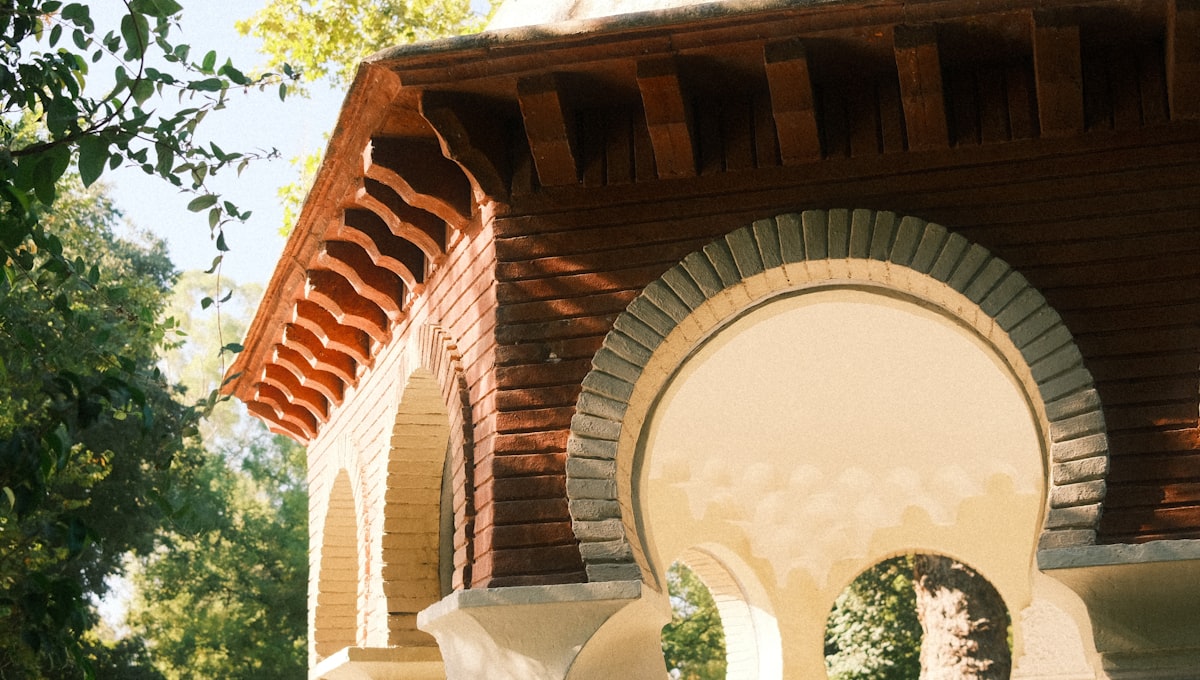
Teruel is the capital of one of the most sparsely populated provinces in Spain and one of its least visited, which makes the density of Mudéjar architecture all the more astonishing. Four towers and a cathedral decorated in the Mudéjar style—a synthesis of Islamic and Christian architectural traditions developed in medieval Iberia—have earned UNESCO World Heritage status. The city is small enough to walk in a day but rewards two nights: the Dinópolis dinosaur park (the region has extraordinarily rich fossil beds) appeals to all ages, and the mountain town of Albarracín, 38 kilometres west, is one of the most photogenic medieval villages in Spain.
Getting there: Direct buses from Valencia (VLC) and Zaragoza. No airport; fly to Valencia or Zaragoza and drive or bus.
4. Cáceres
The old city of Cáceres is a UNESCO World Heritage Site that receives a fraction of the tourists that Salamanca or Toledo attract, despite a medieval walled core that is arguably better preserved than either. The granite towers of the 15th-century nobility still loom over the Plaza Mayor—Cáceres was chosen as a filming location for Game of Thrones, and the connection brings some visitors, but not enough to spoil it. The city is also a gateway to Extremadura's dehesa landscape: cork oak savannah that supports the free-ranging pigs whose acorn diet produces the best jamón ibérico in Spain.
Getting there: High-speed train from Madrid Atocha takes 1 hour 30 minutes. Fares from €20 on early booking.
5. Ronda
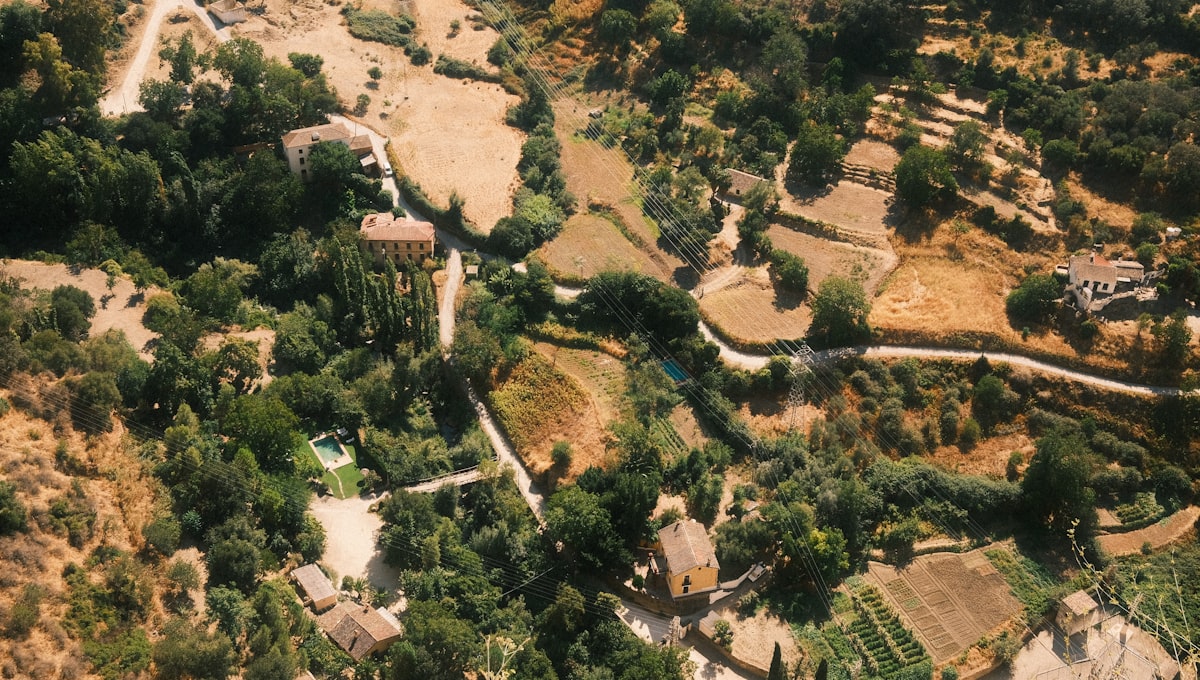
Ronda sits in the mountains of Málaga province on a dramatic plateau split in two by a 120-metre gorge. The Puente Nuevo bridge spanning the gorge is the city's visual signature, but Ronda has substance beyond the postcard shot. The old Moorish quarter (La Ciudad) contains the oldest bullring in Spain, a Moorish palace, and streets that give the impression of having changed very little since the 19th century. Ronda is also surrounded by vineyards producing a revived Serranía de Ronda appellation whose reds—made largely from tempranillo, syrah, and the local cabernet-adjacent variety garnacha—have attracted serious attention.
Getting there: Bus or hired car from Málaga (AGP, about 1.5 hours). Buses also connect from Marbella and Sevilla.
6. Logroño
Logroño is the capital of La Rioja, the most famous wine region in Spain, and yet the city itself receives few tourists despite having arguably the best tapas scene per capita in the country. The Calle del Laurel and adjoining streets constitute a pintxo bar circuit where from 7pm onwards locals migrate systematically from bar to bar, each stop producing one speciality: mushrooms fried in olive oil here, skewered chorizo there, a cod brandade somewhere else. The culture demands you stand, order, eat, pay, and move on. A full evening—six or seven stops—costs €20–€30 per person including wine. The wine is local Rioja. It is as good as it sounds.
Getting there: Renfe trains from Madrid Chamartín take 2 hours 20 minutes. Ryanair operates seasonal routes from London Stansted to Logroño (RJL) though the schedule is limited.
7. Cartagena
Not to be confused with the Colombian city of the same name, Cartagena on Spain's Mediterranean coast has 2,000 years of layered history visible in a compact area. A Punic necropolis, a Roman theatre (only excavated in the 1990s and still partially under active study), a Byzantine-era wall, and a baroque town hall occupy the same few city blocks. The city is genuinely under-visited—partly because of its proximity to Murcia (MJV), which is served by Ryanair from across Europe, but lacks name recognition. The port area has been intelligently redeveloped without losing its working-harbour character, and the seafood—particularly the local species of prawn and the caldero (a local rice and fish stew)—is superb.
Getting there: Ryanair flies to Murcia International (MJV) from London Stansted and other UK airports. Bus from Murcia to Cartagena takes 50 minutes.
A Note on Fares
Spain's domestic budget airline market is well developed, and connections between regional airports are cheap when booked ahead. When comparing prices for the international leg into Spain across different European markets, using RegionFare can reveal meaningful differences in what Vueling, Ryanair, and Iberia charge depending on which country's storefront you book through—a saving of €40–€80 on a return fare is common.
For any of these seven cities, the combination of an inexpensive flight into a regional airport—Jerez, Murcia, Girona, Logroño—and a hire car or intercity bus unlocks itineraries that most visitors to Spain never consider.
 Hidden Gems in Japan: 6 Places Beyond Tokyo and Kyoto
 Hidden Gems in Portugal: 7 Places Beyond Lisbon and Porto
 Hidden Gems in South Korea: 6 Places Beyond Seoul