
A Weekend in Seville: Flamenco, Tapas, and the Alcázar
June 6, 2026
Seville is made for long weekends. The city is compact enough to walk almost everywhere that matters, dense enough that you'll never run out of things to see, and warm enough from March through November that outdoor eating and evening wandering feel effortless. Two nights and three days is sufficient to get a serious introduction; any more and you'll want to stay permanently.
Getting There and When to Go
Seville's San Pablo Airport (SVQ) is served from London by Ryanair (direct from Stansted, typically £40–£90 each way depending on season), Vueling (via Barcelona or Madrid), and British Airways (seasonal direct from Heathrow, priced higher but more convenient for west London residents). From Madrid, the high-speed AVE train covers the 530 km to Seville in 2.5 hours for €30–€70 depending on class and advance booking — one of Europe's best rail deals and a more pleasant journey than any flight.
Timing matters considerably in Seville. The city in July and August is brutal — daytime temperatures regularly hit 40°C and the city quiets as residents escape to the coast. The famous orange trees that line the streets provide some shade but the heat between noon and 4pm makes exploring genuinely uncomfortable. Avoid summer unless you have no choice.
Spring (March–May) is ideal and widely known. Semana Santa (Holy Week) in late March or April fills the streets with extraordinary religious processions — some of the most visually powerful events in Europe — and the Feria de Abril follows two weeks later with flamenco, horses, and all-night dancing in a pop-up fairground city on the edge of town. Both festivals are extraordinary but they have a cost: hotel prices triple or quadruple in the weeks surrounding Semana Santa and Feria, and rooms book out months in advance. If your dates overlap with these events, book at least four months ahead and accept the premium as the price of a once-in-a-lifetime experience.
The best underrated window is October and November. Temperatures drop to a pleasant 20–24°C, tourist volumes thin significantly, and room rates return to their baseline. November in Seville is one of southern hidden gems in Spain's most underappreciated travel experiences. The city is calm, the tapas bars have their regulars back, and the slant of autumn light on the cathedral's bell tower and the Alcázar's domed rooflines is something photographers wait all year to capture.
Day One: The Old City
Start at the Cathedral (Catedral de Sevilla), which is the largest Gothic cathedral in the world by interior volume, surpassing Notre-Dame and St. Peter's Basilica. It's a building of genuinely overwhelming scale — the nave is 42 metres high and the choir stalls alone contain 117 seats. Book online at least a day in advance at the cathedral's official website — queues without a reservation can exceed an hour during peak season, and the €12.50 ticket includes the Giralda tower. The Giralda climb is worth every step: 35 ramps instead of stairs (designed so that mules could carry the muezzin to the top when the tower was a minaret) and a panoramic view of the entire city from 70 metres.
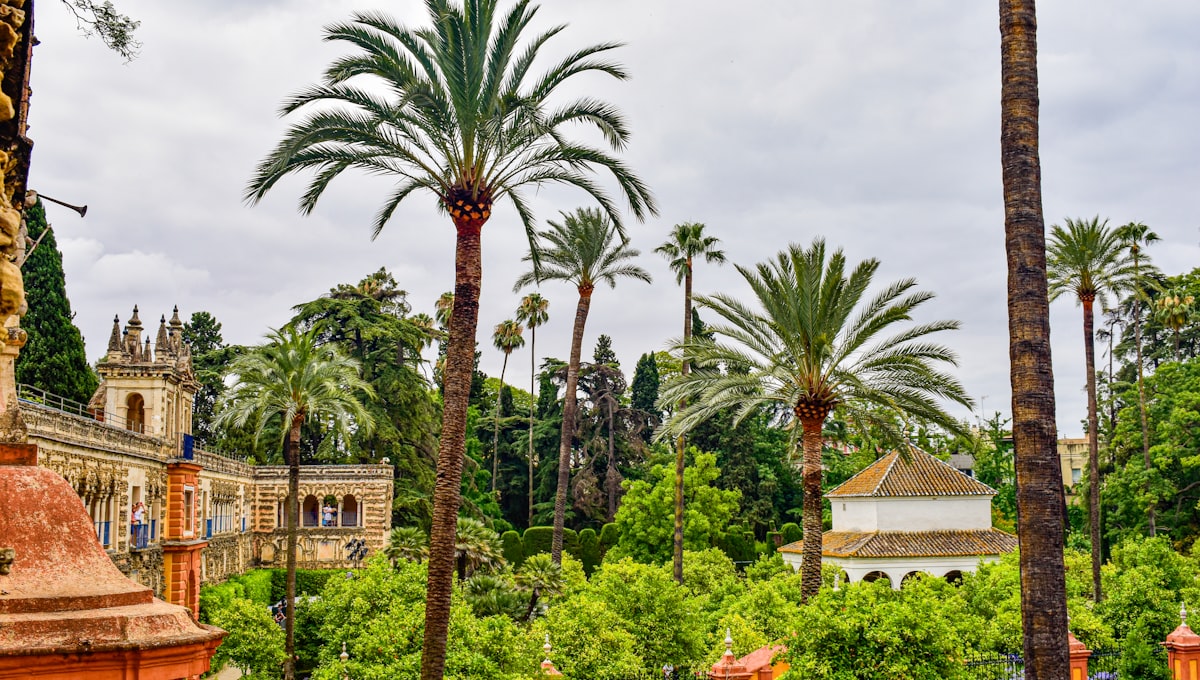
Walk directly from the cathedral to the Real Alcázar, which shares a UNESCO listing and is Seville's single most important architectural site. The Alcázar is a royal palace complex with Mudéjar, Gothic, and Renaissance architecture layered across 900 years of continuous construction. It's still an official royal residence — the Spanish royal family uses it as their Seville quarters — which means it's maintained to an extraordinary standard. The Patio de las Doncellas, the Sala de los Embajadores with its golden half-dome ceiling, and the gardens — a maze of fountains, ornamental hedges, and orange trees extending over 7 hectares — are all included in the €14.50 ticket. Book the Alcázar entry online too; it sells out regularly in spring and autumn.
The Barrio de Santa Cruz, the old Jewish quarter immediately behind the Alcázar, is best explored without a map or a plan. The whitewashed lanes, hidden courtyards, and ceramic-tiled doorways reward wandering. There are a few unavoidable tourist traps (the gift shops around Plaza de la Alianza) but also genuinely authentic spots. Bar El Rinconcillo on Calle Gerona opened in 1670 and is Seville's oldest bar, serving cold Manzanilla sherry poured from barrels chalked with the running total of your tab, alongside jamón cortado at the counter and croquetas de jamón from the kitchen. The setting hasn't changed in any meaningful way for decades.
Dinner on the first night should be in the Triana neighbourhood rather than Santa Cruz. Cross the Puente de Isabel II — the old iron bridge built in 1852 — into a working-class district that feels distinctly different from the tourist-heavy old quarter. Triana has its own parish churches, its own ceramics tradition, and its own flamenco lineage. Bar Santa Ana on Plaza de Santa Ana is the archetype of a neighbourhood Seville bar: simple tapas (croquetas, boquerones en vinagre, espinacas con garbanzos), cold draft Cruzcampo, and absolute zero in Instagram aesthetics. Sit outside on the plaza if the evening is warm enough, which it usually is through October.
Day Two: Triana, Flamenco, and the Tapas Circuit
Triana was historically the ceramics district and flamenco's spiritual heartland — both traditions survive in forms that predate modern tourism. The Mercado de Triana, a covered market operating inside the remains of a 19th-century castle gatehouse (the Castillo de San Jorge), opens at 9am and is the city's best market for breakfast. Fresh-squeezed orange juice from Sevillian oranges, churros with thick hot chocolate, and local pastries called tortas de aceite cost less than €5. The market's stallholders have been there for decades and the atmosphere is as far from a food-hall experience as possible.
The morning can include a visit to the Centro Cerámica Triana, a free museum in a restored ceramics factory that traces the history of Triana's tile-making tradition. Seville's azulejo ceramic tradition produced the tiles on the Alcázar walls, the station facades, the fountains, and the bench decorations in the Plaza de España — understanding the craft makes everything you've already seen more legible.
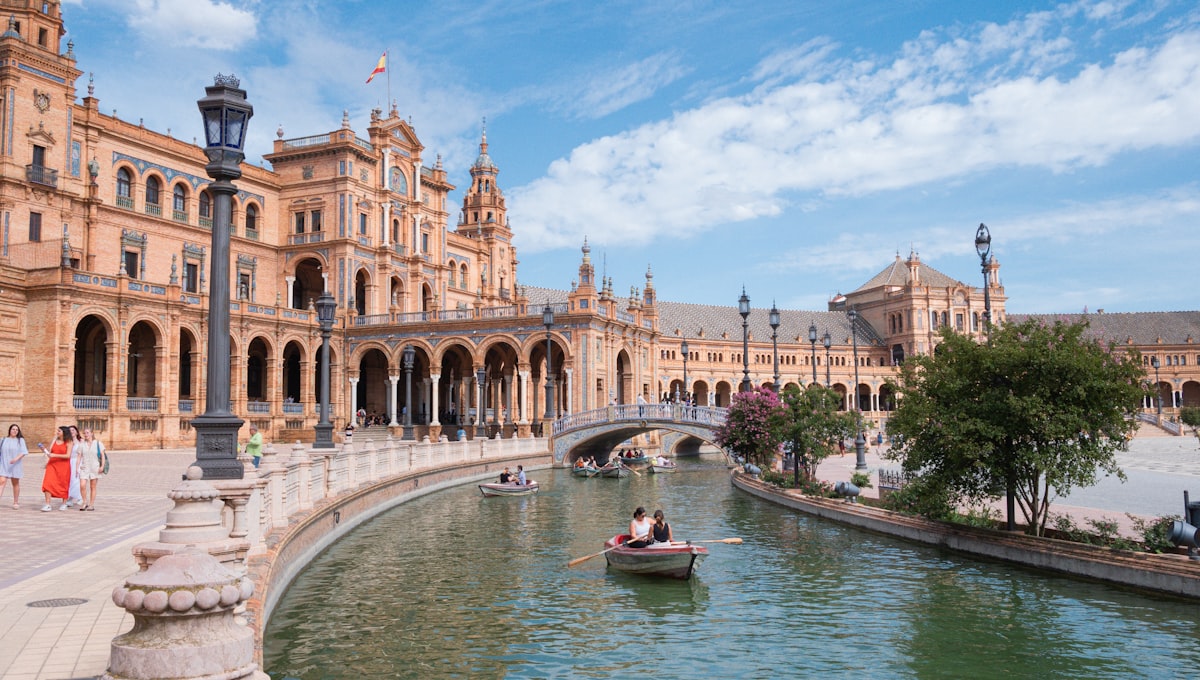
The afternoon belongs to the Plaza de España, an extraordinary horseshoe-shaped palace complex built for the 1929 Ibero-American Exposition. It's free to enter and the scale is genuinely staggering: 500 metres of curved neoclassical-Moorish architecture, two baroque towers at each end, a canal with rowing boats, and the famous tiled alcoves — one for each Spanish province — along the curved base wall. Most tourists underestimate how long they spend there. Allow two hours. The light in the late afternoon is particularly flattering for the terracotta and blue tiles.
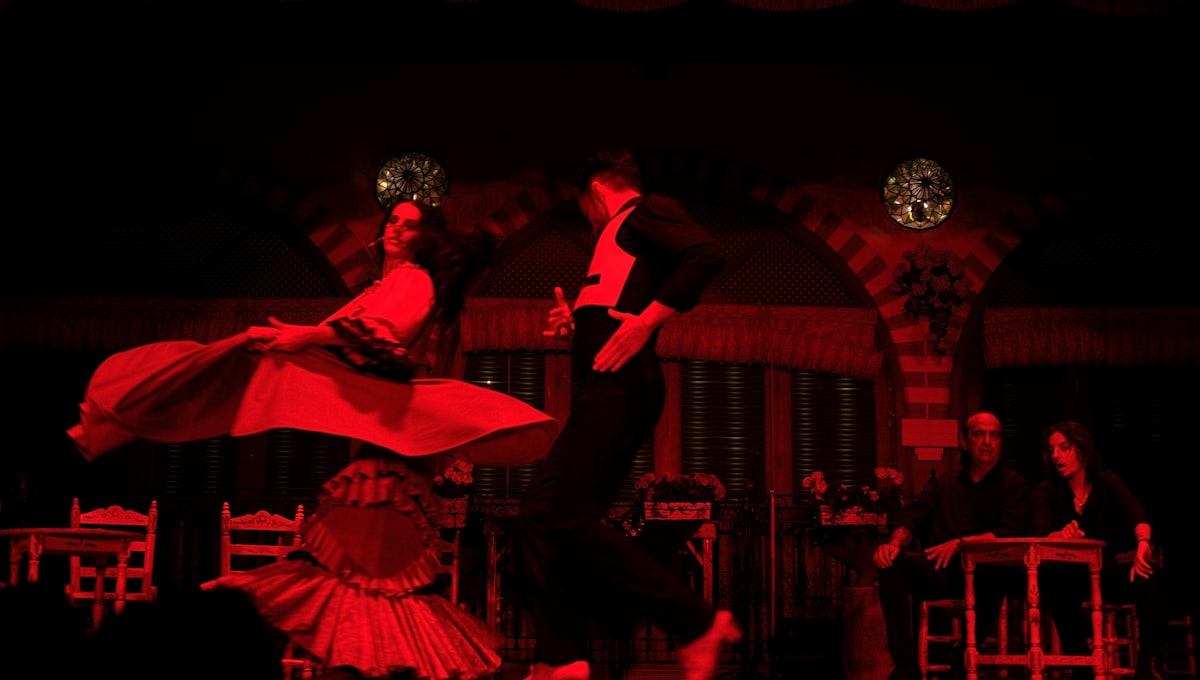
Flamenco in Seville is a serious art form and a tourist trap in roughly equal measure, depending entirely on where you go. The tourist dinner-show tablaos — competent but commercial — are not where flamenco is experienced at its most powerful. The better options are Casa de la Memoria on Calle Cuna in Santa Cruz, which seats only 100 and runs nightly shows at €22–€28 that feature professional performers from the city's active flamenco community. It's intimate enough to feel like an event rather than an attraction. La Carbonería, a free-admission bar in a converted coal warehouse on Calle Levíes, runs informal late-night performances from around 11pm — more spontaneous, louder, and with the participation of people who've had a few glasses of Ribera del Duero. Arrive before 10pm to get a position near the small stage area.
Day Three: Morning Market and Departure
The El Jueves flea market on Calle Feria in the Alameda district runs every Thursday morning and is one of Andalusia's best. If your weekend falls on a Thursday — and with flexibility this is easy to arrange — build your departure around it. The walk from Triana through the Alameda de Hércules neighbourhood to Calle Feria takes 20 minutes through streets that haven't been gentrified into uniformity. Alameda has independent bookshops, vintage clothing, and a café culture that's specifically not for tourists.
For the final meal before the airport, Eslava on Calle Eslava just off Alameda de Hércules is consistently regarded as one of Seville's finest contemporary tapas bars. The creative raciones — slow-cooked pork cheek with caramelised onion, a prawn and potato tortilla that bears no resemblance to its diner-café version, cured tuna with olive oil — are at a level that's genuinely hard to find in the tourist zones. Expect a wait even at lunch; locals know it well and reserve tables when possible.
Budget Benchmarks
Seville is still meaningfully cheaper than Madrid or Barcelona, particularly for food and accommodation. A good hotel in the Santa Cruz or Arenal neighbourhood runs €90–€140 per night in shoulder season — a three-star boutique with patio costs what a budget chain would charge in London or Amsterdam. Tapas at a non-tourist bar run €2–€4 per plate, making a proper early evening tapas circuit across four or five bars a genuine alternative to a single restaurant meal. The cathedral and Alcázar tickets combined cost around €25–€27. A return taxi to SVQ from the city centre is about €25.
A realistic two-night weekend budget — Ryanair or easyJet flights from London, a mid-range hotel in Santa Cruz, food and drinks across all three days, entry to the cathedral and Alcázar, and one flamenco show at Casa de la Memoria — runs £350–£500 per person in October or November. In peak Feria week, double that minimum and book months in advance.
The Seville Evening Rhythm
Seville operates on a schedule that takes adjustment for northern European visitors. Lunch is from 2–4pm, not noon. Dinner rarely starts before 9pm and is typically eaten between 9:30pm and 11pm. Tapas bars have their first serious rush between 7pm and 9pm — that's the local aperitivo hour, the equivalent of Italian aperitivo culture but with cold manzanilla sherry and jamón rather than Aperol Spritz. If you arrive at a tapas bar at 6pm looking for dinner, you'll eat alone; return at 7:30pm and the place will have transformed.
This pace means your days can start late without missing anything. Breakfast at a local bar — café con leche and a tostada con tomate (toast with crushed tomato and olive oil) for €3 — is available until noon. Museums open at 9am but are genuinely quiet before 11am. The Alcázar in the early morning, just after opening, with low-angle light in the gardens, is a different and superior experience to the midday crowds.
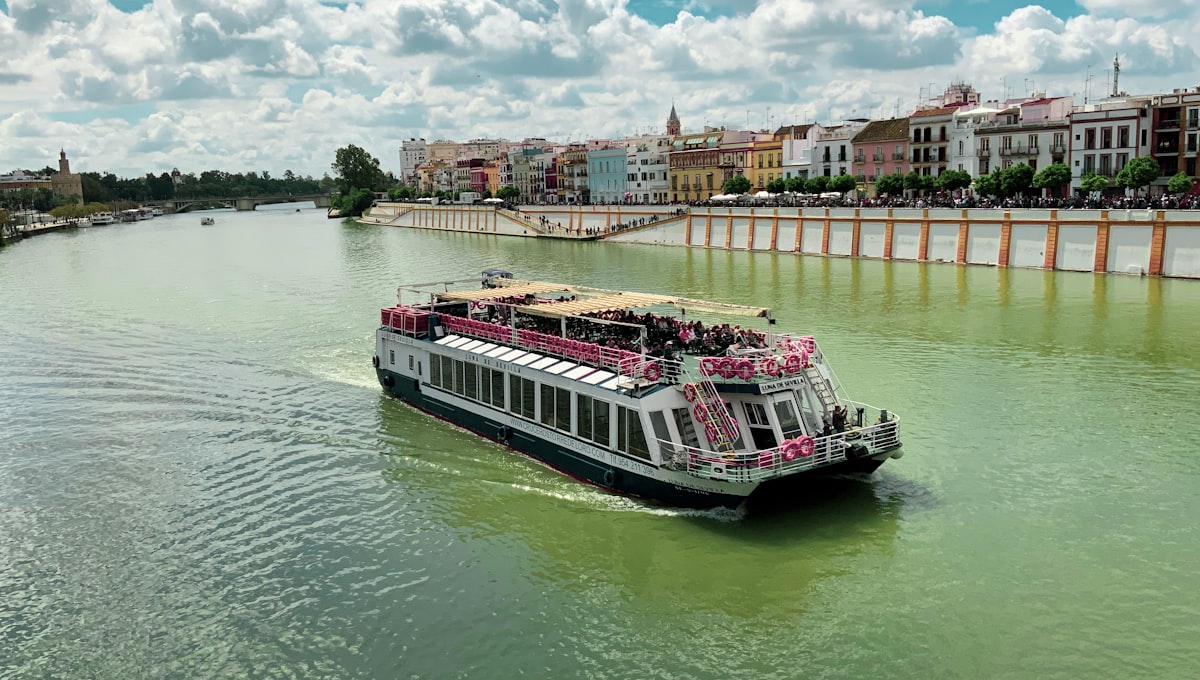
The evening walk — the paseo — is taken seriously in Seville. From 7pm onward, the streets of the old city and along the Betis riverbank in Triana fill with families, couples, and groups of friends moving between bars, restaurants, and plazas at a pace that has no northern European equivalent. Joining this rhythm for an evening, even briefly, communicates what Seville is more effectively than any museum visit.
Seville is one of southern Europe's most rewarding short breaks. The combination of monumental architecture, living food culture, and the specifically Andalusian pace of evening life is nearly unmatched at this distance from the UK. Get there before the summer heat makes the streets feel like an oven.
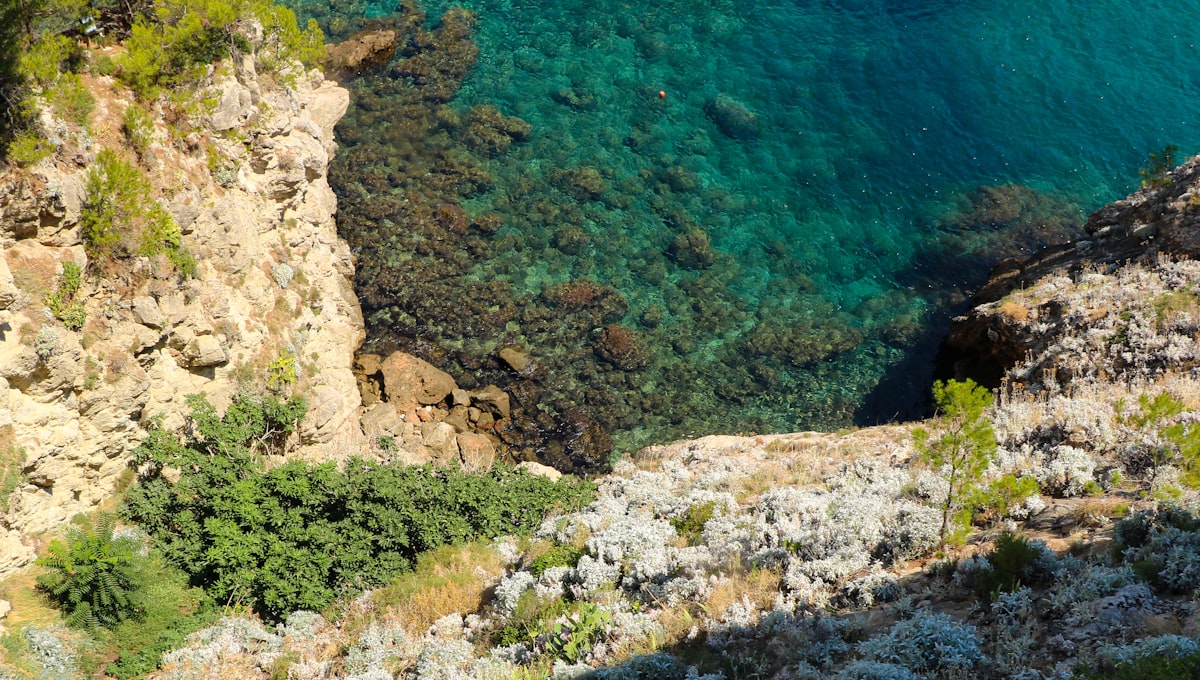 3 Days in Dubrovnik: Old Town, Islands, and the Best Sunset Spots
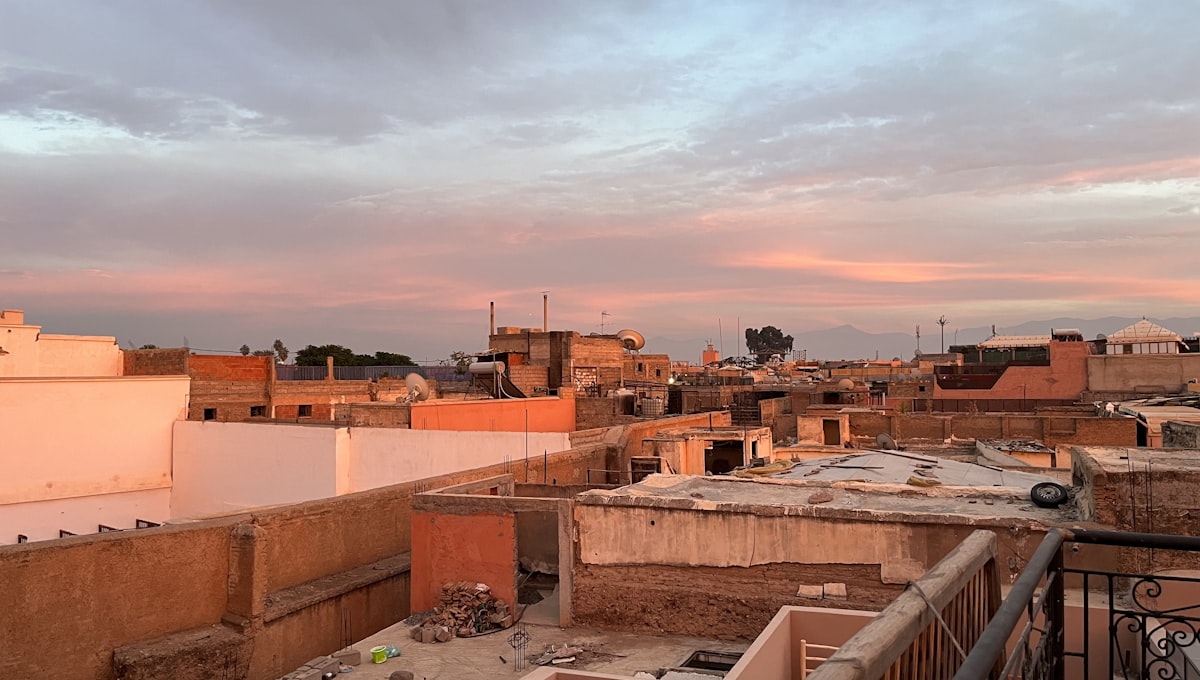 3 Days in Marrakech: Riads, Souks, and the Atlas Mountains