
A Weekend in Riga: Art Nouveau, Markets, and the Baltic
June 11, 2026
Why Riga Belongs on Your Short-Break List
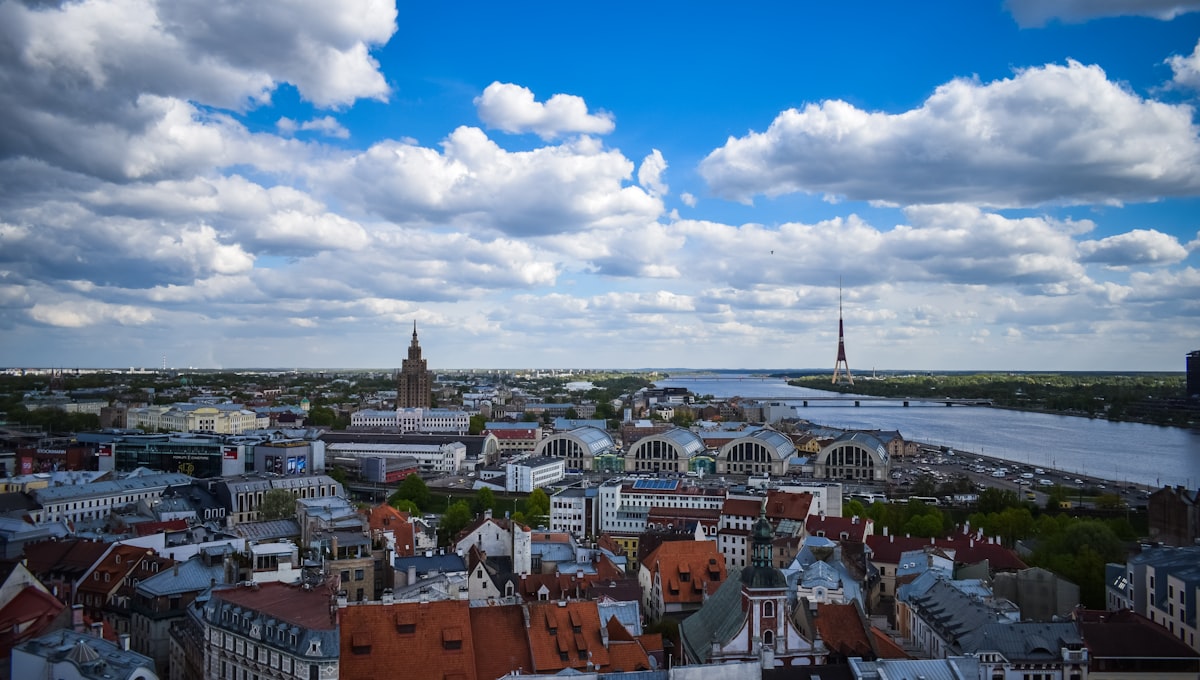
Riga has one of the highest concentrations of Art Nouveau architecture in the world — more than any city except perhaps Prague — yet it rarely appears on the standard European short-break circuit. That's partly a consequence of geography (Latvia is in the northeast corner of Europe, which many travelers conflate with being difficult to reach) and partly a branding gap. Riga has done relatively little to market itself as a city-break destination, which means the travelers who do show up are rewarded with short queues, reasonable prices, and a city that hasn't been buffed and optimized for Instagram.
Getting there has become easier. Ryanair, airBaltic, and easyJet connect Riga to most major European cities. Fares from London often dip below £60 return when booked 4–6 weeks ahead, and the city is compact enough that 48 hours covers the essentials without feeling rushed.
Friday Evening: Arrive and Orient
Riga International Airport is 10 kilometers from the Old Town. The route 22 bus takes 30 minutes and costs €1.15. Taxis from the official rank run €12–18. Avoid unofficial taxis outside the terminal; they're a well-documented tourist trap.
The Old Town (Vecrīga) is a UNESCO World Heritage Site and easy to navigate on foot. Check into your hotel and walk to Town Hall Square (Rātslaukums), which is the geographic and psychological center of the old city. The square is flanked by the House of the Blackheads — a restored 14th-century merchant guild building with a Gothic-Baroque facade that becomes spectacular when lit at night. Dinner at one of the restaurants around the square runs €20–35 per person for a full meal with drinks, which makes Riga noticeably cheaper than a weekend in Tallinn or Helsinki.
Saturday Morning: Art Nouveau District
Wake early and walk north from the Old Town into the Quiet Centre (Klusais centrs), a residential district built almost entirely in Art Nouveau style between 1896 and 1913. The address everyone visits first is Alberta iela 13, designed by Mikhail Eisenstein (father of filmmaker Sergei) — the facade is a cascade of screaming faces, flowing organic forms, and allegorical figures that looks more like a fever dream than a building exterior.
Walk the length of Alberta iela and then detour to Elizabetes iela and Strēlnieku iela. The scale of this district is difficult to convey until you're standing in it: entire city blocks of buildings that would each individually be museum pieces in other European cities. The Riga Art Nouveau Museum at Alberta iela 12 occupies a perfectly preserved apartment and explains the historical context well. Entry costs €6, and the reconstructed rooms give you a sense of how the bourgeoisie of early 20th-century Riga actually lived.
Saturday Midday: Riga Central Market
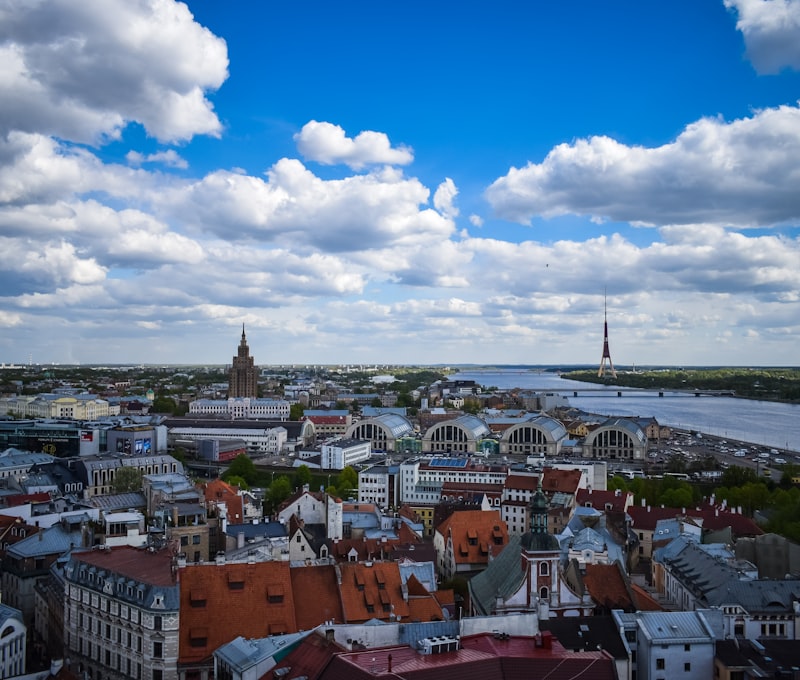
Riga Central Market (Rīgas Centrāltirgus) is one of the largest and best-preserved markets in Europe. It occupies five enormous former German Zeppelin hangars on the edge of the city center — each hangar dedicated to a different food category: meat, fish, dairy, vegetables, and a general goods pavilion. The structures themselves date to the early 20th century and have the cathedral-like scale that old industrial architecture occasionally achieves.
Come hungry. The dairy pavilion is where you find smoked cheese in forms you haven't encountered before — hard rounds flavored with caraway, fresh curds sold by the scoop, and thick cultured butter that bears little resemblance to the supermarket variety. The fish pavilion has Baltic sprats, hot-smoked eel, and fresh herring that locals buy by the kilogram. Street food stalls around the market perimeter sell grey peas with bacon (pelēkie zirņi ar speķi), Latvia's most beloved traditional dish — rich, filling, and available for around €3.
Saturday Afternoon: Three Brothers and the Cathedral
Back in the Old Town, the Three Brothers (Trīs brāļi) on Mazā Pils iela are the oldest surviving residential buildings in the city — three medieval townhouses pressed shoulder-to-shoulder, each built in a different century and each slightly different in scale. The White Brother dates to the 15th century and is the oldest stone dwelling in Riga. There's something grounding about standing in front of a building that predates Columbus reaching the Americas.
Riga Cathedral (Rīgas Doms) is the largest medieval church in the Baltic states. The interior mixes Romanesque foundations, Gothic vaulting, and Baroque additions — the organ, installed in 1884, was briefly the largest in the world. Organ concerts are held several evenings a week and cost €10–15. The cathedral cloister is a quiet courtyard worth sitting in for ten minutes regardless of the weather.
Saturday Evening: The Andrejsala District
The Andrejsala waterfront district, a 15-minute walk from the Old Town, has become Riga's most interesting food and bar neighborhood. It occupies a former industrial port area and has the raw brick, exposed structure, and post-industrial atmosphere that characterizes creative districts in similar cities — think Hackney Wick or Hamburg's Schanzenviertel. Craft beer bars, natural wine shops, and restaurants serving modern Latvian food (rye bread, pickled vegetables, game, river fish) line the waterfront.
Budget €25–40 for dinner in this district. Latvian natural wines, made primarily from Rondo grapes that can survive the Baltic climate, are worth seeking out — they're rarely exported and this is one of the only places to try them.
Sunday Morning: Bastejkalns Park and the Freedom Monument
Sunday mornings in Riga are quiet. Walk through Bastejkalns Park, built on the site of the demolished city fortifications, and down the length of Brīvības bulvāris to the Freedom Monument — a 42-meter column completed in 1935 that survived Soviet occupation and became a focal point for the peaceful singing revolution of 1987–1991. The monument is guarded around the clock by honor guard soldiers who change every hour.
The Latvian National Museum of Art, facing the park, opens at 10am. Its collection of 19th and early 20th century Latvian and Baltic German painting is excellent and largely unknown outside the region. Entry is €5. Allow 90 minutes if you're interested in this period of northern European realist painting.
Practical Notes
Riga uses the Euro, which simplifies budgeting for most European travelers. The city is extremely walkable — the Old Town and Quiet Centre together cover maybe 4 square kilometers. Accommodation in the Old Town runs €60–120 per night for a decent mid-range hotel. The best weather window is May through August; January and February are cold and dark, though the city is atmospheric and prices drop significantly.
A weekend in Riga typically costs €400–600 all-in from most Western European cities when you include flights, accommodation, food, and activities — significantly cheaper than a comparable weekend in Amsterdam, Copenhagen, or Barcelona, with a depth of architecture and culture that rivals any of them.
 3 Days in Dubrovnik: Old Town, Islands, and the Best Sunset Spots
 3 Days in Marrakech: Riads, Souks, and the Atlas Mountains