

Travel Hacking for Beginners: Points, Miles, and Mistake Fares Explained
June 18, 2026
Travel Hacking for Beginners: Points, Miles, and Mistake Fares Explained
The term "travel hacking" sounds like it involves something illegal or technically complex. It doesn't. At its core, travel hacking is simply the practice of using travel credit cards reward programs, airline miles, and booking knowledge strategically to pay less — sometimes dramatically less — for flights and hotels. The most sophisticated practitioners fly business class to Tokyo for the price of a medium pizza. The entry-level version is more modest but still genuinely valuable: a free flight here, a hotel upgrade there, a 30% discount on a route you'd have paid full price for otherwise.
This guide is for people who have heard about points and miles but don't know where to start. By the end, you'll have a concrete framework to begin building value from the travel you already do.
Part 1: Understanding Points and Miles
Points and miles are currencies issued by credit card companies and airlines. You earn them by spending — on everyday purchases if you hold a travel rewards credit card, and on flights if you book directly with an airline or their partner. The key insight that separates informed travelers from everyone else is that these currencies can sometimes be redeemed at values far above what their face value implies, particularly for premium cabin travel.
A concrete example: an American Express Membership Rewards point might be worth approximately 0.8p if you use it as cash back or toward a voucher. Transferred to British Airways Avios and used to book a short-haul economy flight, the same point might be worth 1.5–2p. Used for a long-haul business class redemption on a partner airline, it could be worth 4–6p per point. The value is not fixed — it depends entirely on how intelligently you choose to redeem.
The key metric every travel hacker uses is "pence per point" (or cents per mile in the US). Always calculate the cash value of what you're redeeming, divide by the points cost, and compare that against the best available alternatives before committing. Never redeem points just because you have them — hold out for the high-value opportunities.
Part 2: Credit Cards Worth Getting
The UK market has three primary travel-focused credit cards worth knowing about as a starting point:
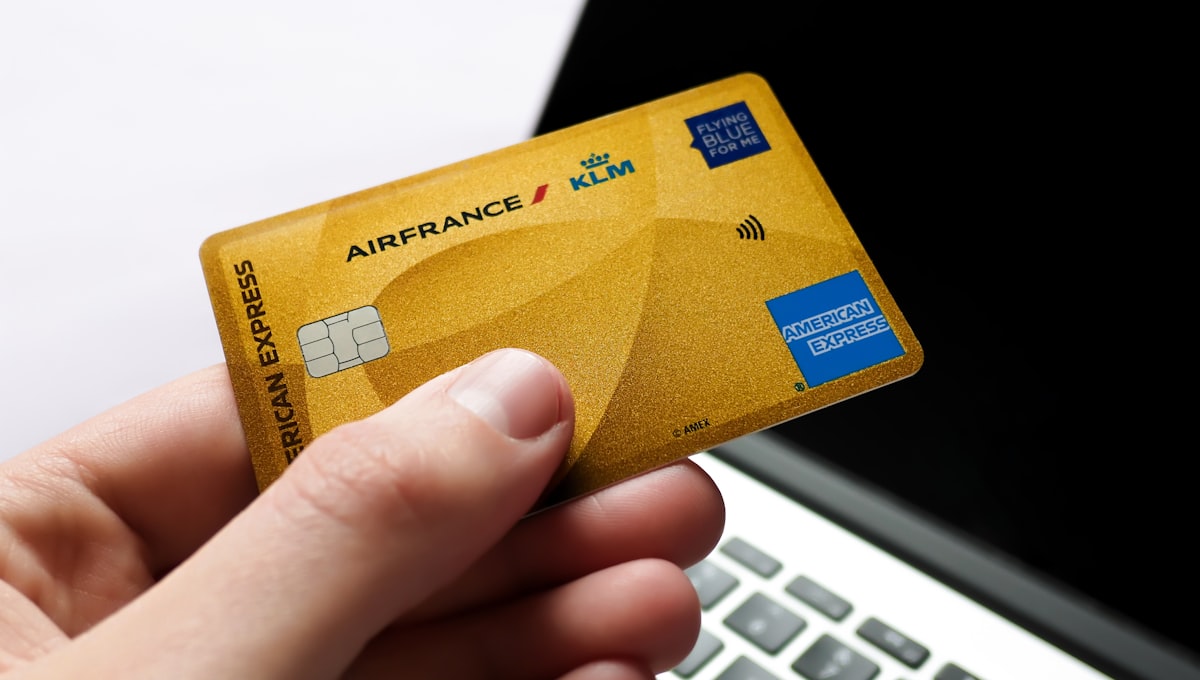
The American Express Preferred Rewards Gold Card is the best entry-level option — no annual fee in the first year, 20,000 Membership Rewards welcome bonus points on meeting minimum spend, and earning that transfers to over 20 airline and hotel partner programs. The card earns 1 MR point per £1 on general spending and 2x on airlines and restaurants. This is the card most people should start with because the no-first-year-fee structure lets you learn the system before committing.
The British Airways American Express Premium Plus card earns Avios directly — 1.5 Avios per £1 on general spending, 3 Avios per £1 on BA purchases — and offers a Companion Voucher (a buy-one-get-one-free on British Airways flights) when you spend £15,000 in a calendar year. For couples who travel together and can reach that spend threshold, the companion voucher is worth £800–2,500 depending on the route and cabin class.
The American Express Platinum Charge Card is the premium tier: 80,000 Membership Rewards welcome points (roughly enough for a long-haul business class return when transferred well), lounge access via Priority Pass and Centurion, hotel status with Marriott and Hilton, travel insurance, and a concierge service. The annual fee is £650, but the benefits — particularly if you use the $200 hotel credit, airport lounge access, and global dining credits — can offset this substantially for frequent travelers.

Part 3: Airline Programs to Join
Join at least two or three airline frequent flyer programs and use them for every flight you take, regardless of the airline. The major alliances — Star Alliance (Lufthansa, United, Singapore Airlines, Air Canada), oneworld (British Airways, Cathay Pacific, American, Qantas), and SkyTeam (Air France, Delta, Korean Air) — allow cross-earning, meaning a British Airways flight can earn miles in your American Airlines AAdvantage account.
British Airways Executive Club (Avios) is particularly versatile for UK-based travelers. Avios prices short-haul flights on a distance-based model, which means London–Dublin costs just 4,500 Avios each way in economy — an extremely efficient redemption that regularly undercuts cash prices on popular routes. London–Tel Aviv in business class costs 50,000 Avios return — a business class ticket that would cost £2,000+ in cash, redeemable for points worth far less.
Flying Blue (Air France/KLM) runs monthly promotions called Promo Rewards that discount selected redemptions by 25–50%. These are essentially flash sales in the miles world and can make business class to North Africa, the Middle East, or Reunion Island extraordinarily cheap in points terms. Sign up for Flying Blue email alerts and check the monthly promotions when they release.
Singapore Airlines KrisFlyer is worth joining for its Star Alliance access and its consistently high standard on redemption availability. Singapore Airlines releases partner award space more generously than most carriers and the product quality on their aircraft makes business class redemptions genuinely exceptional value.
Part 4: What Are Mistake Fares?
Occasionally, airlines or booking systems publish fares with significant pricing errors — a business class ticket to Thailand priced at the economy fare level, a fare denominated in the wrong currency that converts to $100 instead of $1,000, or a technical glitch that applies a massive discount to a limited set of tickets. These are called mistake fares explained or error fares, and they represent some of the most dramatic deals available in commercial aviation.
The window to book a mistake fare is typically 30 minutes to a few hours before the airline's revenue management system flags the discrepancy and corrects the price. Dedicated deal communities track these errors — Secret Flying (UK and global) and The Flight Deal (US) are the most widely used, both with free newsletter and social media tiers that alert you when a significant error fare appears.

The critical practical question with mistake fares is whether the airline will honour the booking once they realise the error. In the European Union, consumer protection law generally requires airlines to honour fares unless they can demonstrate a manifest clerical error. In the US, the situation is less consistent — the DOT previously required airlines to honour purchased fares, but guidance has shifted. Airlines often honour them due to reputational pressure even when they technically might not have to.
Best practice: when you spot a mistake fare, book immediately (and pay with a card that offers good purchase protection), then arrange any hotels or onward connections with fully refundable options until the airline confirms your ticket. Never book non-refundable connections based on a mistake fare that hasn't been confirmed.
Part 5: Cross-Market Pricing — The Underused Strategy
Even without any points, miles, or credit card complexity, a simple practice of comparing flight prices across different national portals can save meaningful money on every booking. Airlines price identical seats differently depending on the country where the purchase originates — this is systematic, legal, and persistent.
A British Airways flight from London to Singapore might show £780 on the UK portal and £650 through an Australian or Singaporean booking portal. Emirates flights from London to Dubai often show a £60–90 difference between UK and UAE origin pricing for the same cabin and same flight. These aren't glitches — they're deliberate market-pricing decisions.
Tools like RegionFare automate this comparison across dozens of markets simultaneously, surfacing the cheapest available market price for any route in seconds. This isn't a trick — it's simply recognising that global airline pricing is not homogeneous and choosing the cheapest legal market to purchase from. The flight is identical; only the price differs. Combined with the discipline of checking multiple markets before every booking, travelers can save £80–200 per long-haul ticket without any points or credit card sophistication required.
Part 6: Building Your System Over 12 Months
A realistic first-year travel hacking roadmap for a UK-based traveler:
Month 1: Join British Airways Executive Club (free), Flying Blue (free), and Singapore Airlines KrisFlyer (free). Add your membership numbers to your account profiles on every airline and booking site you use.
Month 3: Apply for the Amex Preferred Rewards Gold (no first-year fee). Start using it for restaurant and everyday spending. Hit the minimum spend threshold for the welcome bonus.
Month 6: Transfer your Membership Rewards points to Avios. Use them for a short-haul redemption — London–Edinburgh or London–Amsterdam. Test the system on a low-stakes booking to understand how it works in practice.
Month 9: Evaluate your actual annual travel spend and decide whether a premium card (Amex Platinum or BA Premium Plus) justifies the annual fee. Run the numbers on companion voucher potential if you travel as a couple.
Month 12: Review the pence-per-point value you've achieved across all redemptions. Identify which programs and redemption types gave the best return. Iterate your strategy for year two with that data.

Common Beginner Mistakes to Avoid
Hoarding points indefinitely. Points and miles devalue over time as airlines adjust their award charts. Use them within 18–24 months of earning. The best redemption value always beats the theoretical future value of holding.
Using points for economy when cash is cheaper. Points are most valuable on premium cabins. Don't spend 50,000 Avios on an economy flight you could buy for £85 cash. Save those points for the business class redemption that would cost £3,000 in cash.
Ignoring the annual fee calculation. A £200 annual fee card is worth it if the perks genuinely save you more than £200 per year. Do the arithmetic honestly — include only benefits you'll actually use, not theoretical ones.
Opening too many cards at once. Your credit score depends on low utilization and consistent payment history. Space credit card applications 3–6 months apart. And never carry a balance — interest charges at 30–40% APR will destroy any reward value instantly.
Travel hacking is a long-term system, not a one-time trick. The travelers who get the most from it are consistent, patient, and disciplined about paying balances in full. Start simply, stay consistent, and the compound value accumulates into something genuinely meaningful over two or three years.
Hotels: The Other Side of the Equation
The points-and-miles world extends well beyond flights into hotel loyalty programs, which can be equally valuable. Marriott Bonvoy, World of Hyatt, and Hilton Honors all offer point-earning credit cards that transfer to hotel redemptions. World of Hyatt is widely regarded as the highest-value hotel program — a Park Hyatt in Paris or Tokyo costs 25,000–35,000 Hyatt points per night, with cash rates frequently exceeding £500. American Express Membership Rewards transfers 1:1 to Marriott Bonvoy, making the Amex card a dual-purpose tool for both flight and hotel redemptions.
Hotel status benefits — free upgrades, late checkout, club lounge access — add disproportionate value to travel experiences beyond just the room cost. Marriott Titanium status (requiring 75 nights per year, usually achieved by combining stays and credit card spending) effectively adds a service tier equivalent to a room category upgrade at every property worldwide. For travelers who stay 40+ nights per year in hotels, targeting elite status in one program is often more valuable than maximizing airline points alone.
The broader principle of travel hacking — understanding how loyalty currencies work, maximizing earning on spending you already do, and being strategic rather than reactive in redemptions — applies identically to hotels as to flights. The same patience and consistency that builds a meaningful airline miles balance builds a hotel points balance that pays for itself many times over.
 Star Alliance vs Oneworld vs SkyTeam: Which Matters for Cheap Flights?
 How to Get Airport Lounge Access Without a Business Class Ticket
 Best Credit Cards for International Flight Bookings: FX Fees, Points, and Protections