
Spain Travel Cost Per Day: What to Budget for Food, Hotels & Transport
June 6, 2026
Spain's travel cost varies more dramatically by city than almost any other Western European country. Barcelona and Madrid have hotel prices and restaurant bills that compare with Paris or Amsterdam. Seville, Valencia, and Granada run 25–40% cheaper for comparable quality. The Canary Islands are affordable beach holidays. Understanding this geography of cost is the foundation of budgeting a Spain trip accurately.
Madrid: The Capital's Real Costs
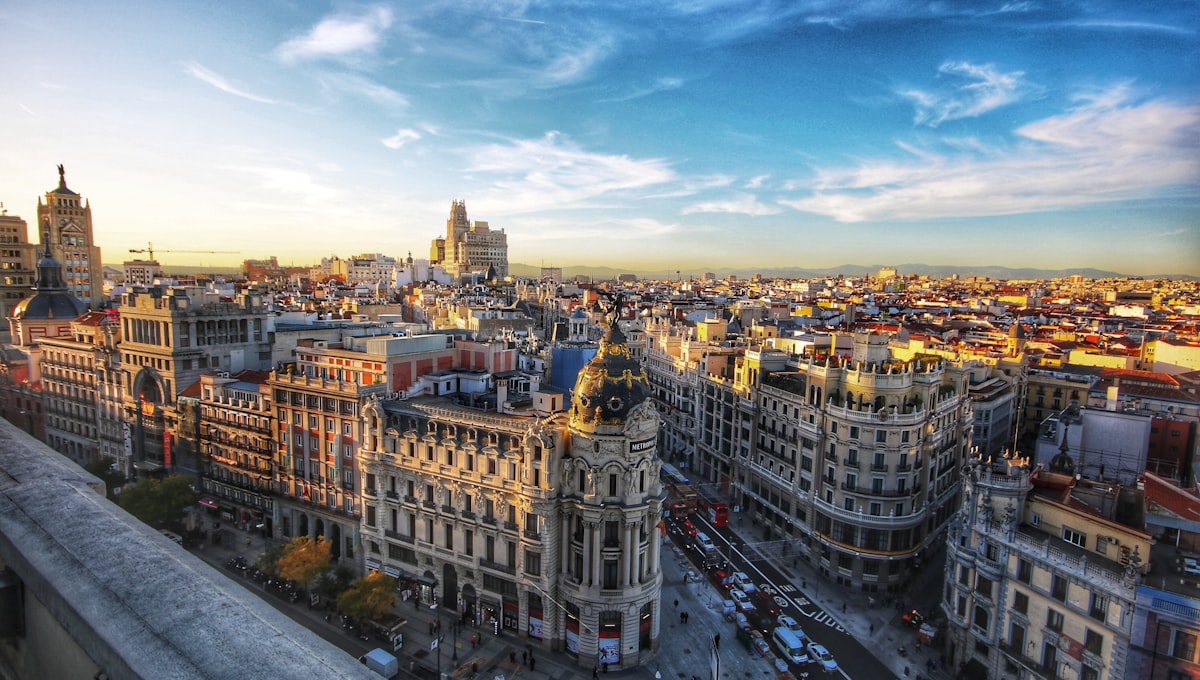
A solid 3-star hotel in Madrid's Malasaña or Lavapiés neighborhoods — the ones that feel like the actual city rather than tourist infrastructure — runs €85–130/night. The Puerta del Sol tourist zone charges €130–200 for equivalent rooms. An Airbnb one-bedroom in Chueca or La Latina runs €80–120.
Food in Madrid operates on a tapas logic that inherently keeps costs manageable if you lean into it. The Mercado de San Miguel (Plaza Mayor side entrance) charges tourist prices for everything; the stalls at Mercado de Antón Martín serve the same ibérico ham and manchego cheese at half the price to local workers. A proper Madrid lunch of a three-course menú del día (starter, main, dessert, bread, wine) costs €12–16 at neighborhood restaurants from 2pm–4pm — this is one of Europe's great bargain meals. Dinner à la carte at a restaurant in Malasaña runs €25–35 per person with wine; a sit-down dinner at a high-end tablao flamenco venue runs €80–120 including the show.
The Prado Museum (€15) and Museo Reina Sofía (€12, free on Monday evenings) are the main paid attractions. The Retiro Park, the Sunday El Rastro flea market, and walking the Habsburg Madrid streets around Plaza Mayor are free.
Barcelona: More Expensive, Different Logic
Barcelona (BCN) runs 15–25% more expensive than Madrid for hotels and restaurants. The Barceloneta neighborhood for seafood, Gràcia for local eating, and Eixample for mid-range hotels are the right areas. Avoid the immediate Gothic Quarter hotel zone, which charges London prices for small rooms.
A 3-star hotel in Eixample costs €110–160/night in shoulder season (April–June, September–October); July–August adds 30–40%. Tapas bars in El Born charge €3–5 per plate; a full dinner at a mid-range Eixample restaurant runs €30–45 per person. The daily food budget for eating properly without extravagance is €35–50 per person.
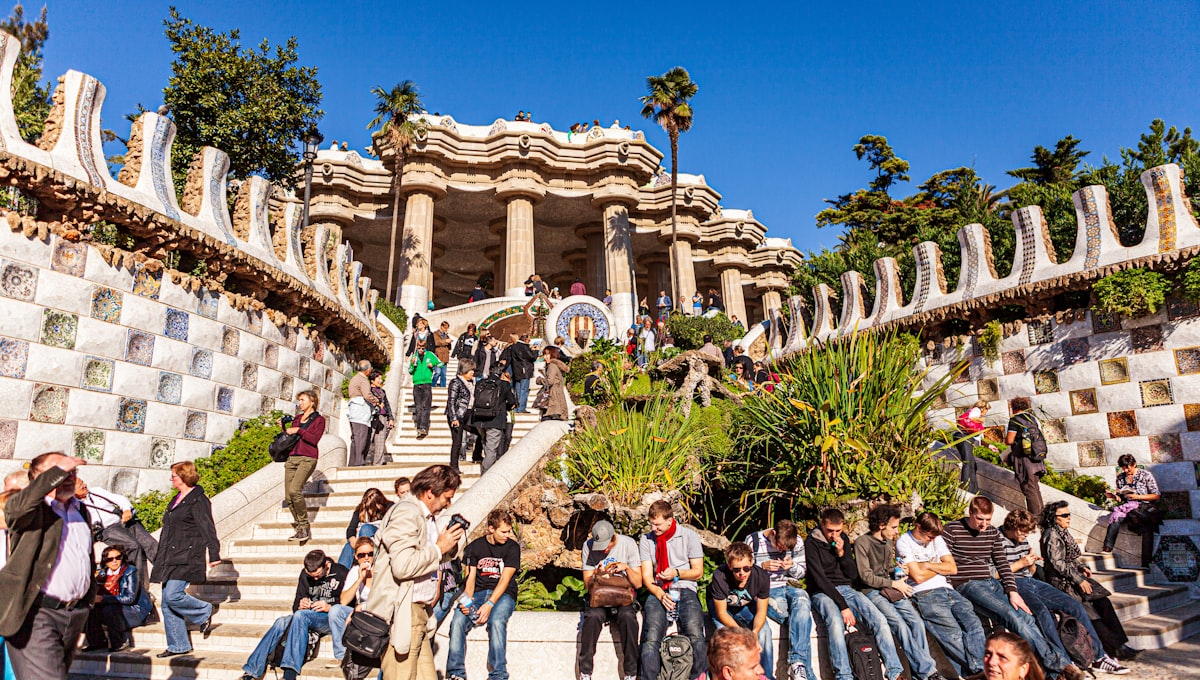
Barcelona entry fees: Sagrada Família (€26–33 depending on tower access, book weeks ahead in summer), Casa Batlló (€35), Park Güell free area (the monumental zone costs €10). Two major Gaudí sights plus meals plus hotel puts mid-range Barcelona at €150–200/day per person easily.

Seville: The Best Value Major Spanish City
Seville (SVQ) is the strongest argument for not starting a Spain trip in Barcelona. A boutique hotel in the Santa Cruz or Triana neighborhoods costs €80–120/night in shoulder season; guesthouses within walking distance of the Cathedral run €55–80. The city's tapas culture is different from Barcelona's — more generous, often free with a drink at traditional bars, and deeply embedded in the evening social ritual.
Afternoon tapas in Seville: at most traditional bars, a glass of local manzanilla sherry (€2–3) comes with a free tapa — olives, a slice of ham, a small plate of salmorejo. A proper tapas crawl through the Alameda de Hércules or Feria Street costs €15–20 per person if you're disciplined about drink-plus-tapa timing.
The Alcázar (€14.50, book in advance in high season) and the Cathedral/La Giralda (€12, free Monday mornings) are the main paid attractions. The rest of the historic center — the Jewish quarter, Triana's ceramic workshop district, the riverside Paseo de las Delicias — is free.
Seville daily budget: Budget (hostel €30, tapas evenings, one sight): €50–65/day Mid-range (boutique hotel €100, mix of restaurant meals): €100–130/day
Valencia: Food Capital, Mid-Range Prices
Valencia (VLC) offers excellent value and has a food culture — as the origin of paella valenciana — that justifies a standalone visit. Hotels in the Carmen neighborhood or near the Central Market run €75–115/night for 3-star quality. A proper paella valenciana (rabbit, green beans, saffron — not the tourist seafood version) at Restaurante La Pepica on Malvarrosa beach costs €18–22 per person and is one of Spain's non-negotiable culinary experiences.
The City of Arts and Sciences complex (€32 for main venues) is the headline modern attraction. The Central Market building (free entry, €10–15 for a proper market lunch) and the Barrio del Carmen's street art are both free.
Granada and the Smaller Cities
Granada (GRX) is a budget traveler's asset. Flamenco shows in the Sacromonte cave district run €20–35 (considerably cheaper than Seville or Madrid). The Alhambra (€14–19 depending on access; book 2–4 weeks ahead in summer, essential) is world-class. Tapas in Granada have the most generous free-tapa culture in Spain — at traditional bars in the Realejo or Albaicín neighborhoods, a cerveza comes with a substantial free tapa, meaning dinner for two runs €12–16 in drinks alone.
Transport Within Spain
The Renfe AVE high-speed rail network is efficient and well-priced for advance tickets. Madrid–Seville (2h 20m, €25–45 advance), Madrid–Barcelona (2h 30m, €40–80 advance), and Madrid–Granada (3h, €30–55 advance) are all competitive with flying once you add airport transfer time.
Urban transport is cheap: Madrid and Barcelona metro day passes run €8–11. Taxis from Barcelona airport (BCN) to the center run €35–45; the Aerobus (€6.75) takes 35 minutes.
Canary Islands: A Different Budget
Tenerife (TFN/TFS), Gran Canaria (LPA), and Lanzarote (ACE) operate on a resort-and-all-inclusive model for package tourists but have a decent local scene at much lower prices. A guesthouse in Santa Cruz de Tenerife or Las Palmas de Gran Canaria runs €50–80/night. Local restaurants (not the Puerto de la Cruz beachfront) serve fish grills and papas arrugadas (wrinkled potatoes with mojo sauce) for €10–15 per person at lunch.
Consolidated Spain Daily Budget
| City | Budget/day | Mid-range/day | July–Aug premium | |------|-----------|---------------|------------------| | Madrid | $70–90 | $130–170 | +20% | | Barcelona | $80–100 | $150–200 | +30–40% | | Seville | $55–70 | $100–140 | +15–25% | | Valencia | $60–75 | $110–145 | +15% | | Granada | $50–65 | $90–120 | +10–20% |
Getting the Best Airfare
Return fares to Madrid (MAD) or Barcelona (BCN) from London run £60–130 on Vueling, Ryanair, easyJet, BA, or Iberia in shoulder season. Summer fares climb to £160–280. From New York, round-trip fares to Madrid range $500–850.
The hidden gems in Spain guide covers Extremadura, Asturias, and other regions where costs drop further and crowds thin out entirely. Spain rewards the traveler who gets past Barcelona and Madrid — both in terms of experience and daily spend.
 72 Hours in Barcelona: Beyond La Rambla
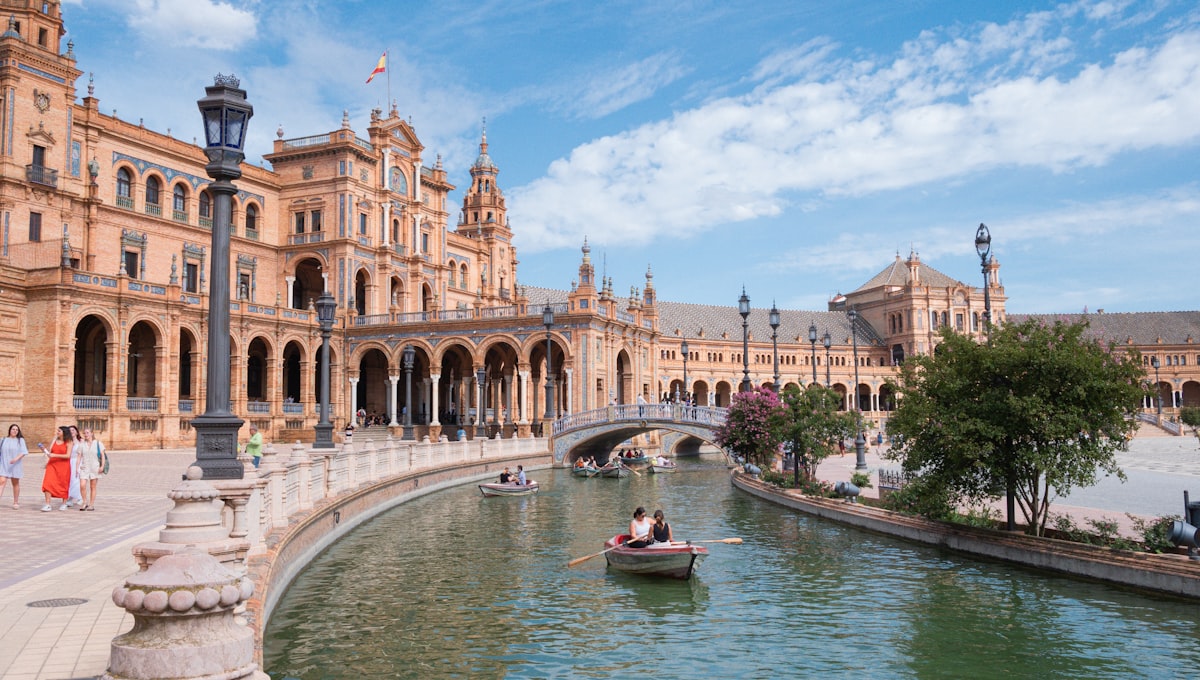 A Weekend in Seville: Flamenco, Tapas, and the Alcázar
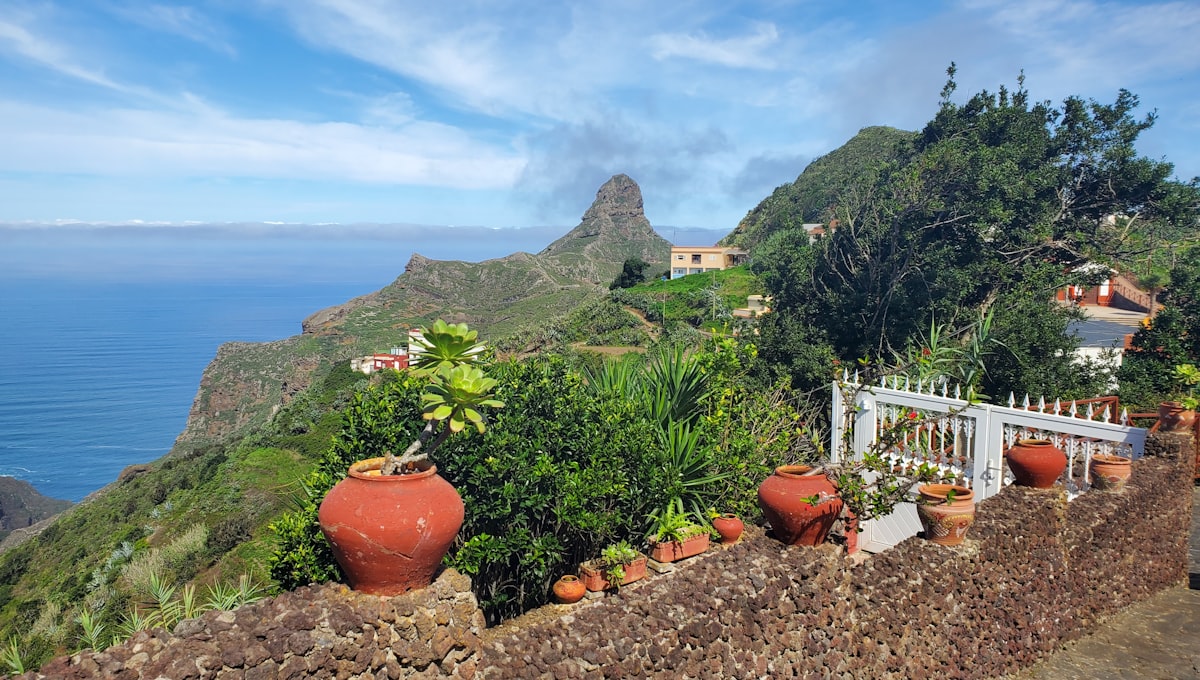 Hidden Gems in Spain: 7 Places Beyond Barcelona and Madrid