
Peru Travel Cost Per Day: Lima, Cusco & Machu Picchu
June 8, 2026
Peru offers some of South America's best food, most extraordinary landscapes, and most concentrated archaeological heritage — and it does so at a price point that makes it accessible to travelers at almost every budget level. The exception is the Machu Picchu admission system, which has become genuinely expensive and requires advance planning. Here's what a day in Peru actually costs in 2026.
Lima: Surprisingly Good Value
Lima (LIM) suffers an undeserved reputation as a transit city that visitors pass through quickly. It's actually one of South America's most interesting food capitals and a genuinely affordable place to spend 2–3 days.
Miraflores and Barranco are the right neighborhoods: safe, walkable, well-connected by taxi and public transit, with excellent restaurants. A 3-star hotel in Miraflores costs $55–90/night. Guesthouses in Barranco (the artsy, slightly bohemian neighborhood 15 minutes south) run $35–65. Midrange Airbnb apartments in either neighborhood cost $40–70.
Lima food culture is exceptional and prices mostly reflect that ambition rather than the city's wealth. A ceviche lunch at a local cevichería in Surquillo — the neighborhood market district — costs 20–30 soles ($5–8). The ceviche at La Mar (one of Gastón Acurio's flagship restaurants in Miraflores) costs 60–90 soles per dish ($16–24) but is an argument for Lima being among the world's best food cities. The evening set menu at Central (ranked among the world's top 5 restaurants in 2025) runs $200 per person — expensive by Lima standards but a fraction of equivalent dining in New York.
Budget Lima (hostel $30, set lunches at markets, street food): $45–60/day Mid-range Lima (3-star hotel, mix of restaurant meals): $85–120/day
Cusco: The Gateway City
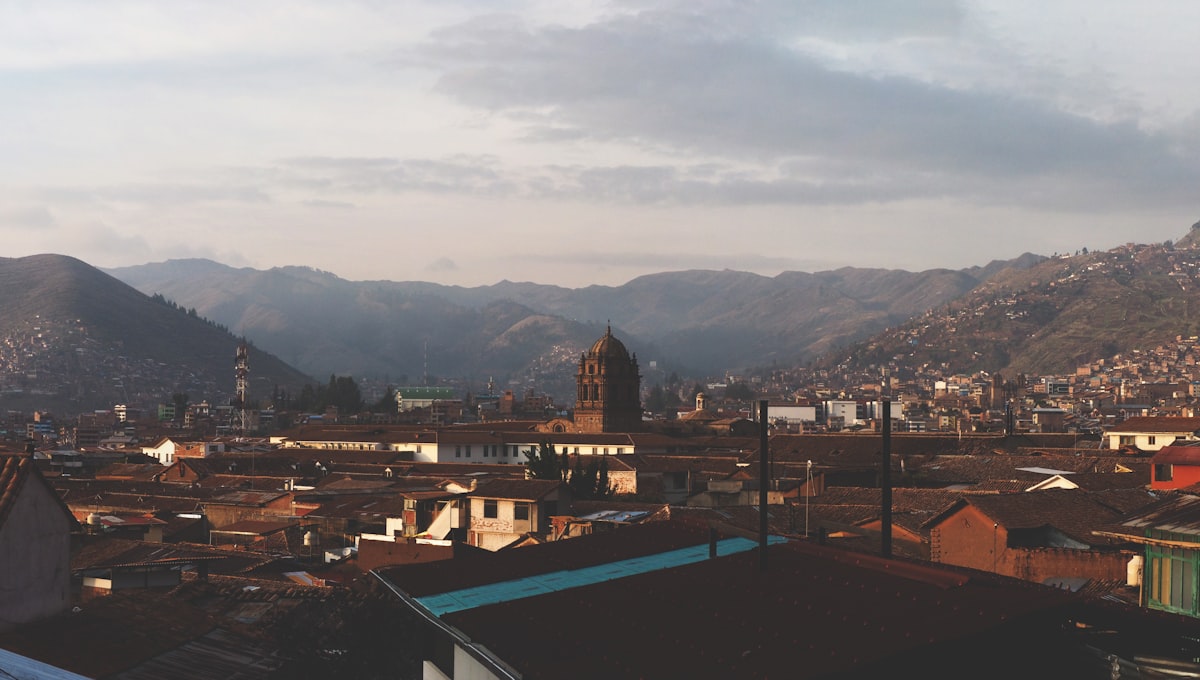
Cusco (CUZ) sits at 3,400m altitude and is the base for the Machu Picchu circuit, the Sacred Valley, and the Inca Trail. It's meaningfully more expensive than Lima for accommodation due to its role as a tourism hub, but still reasonable.
A solid 3-star hotel in the San Blas neighborhood (uphill from the Plaza de Armas, colonial architecture, artisan workshops) costs $50–90/night. Budget guesthouses near Plateros Street run $25–45. The boutique hotels around the Plaza de Armas charge $100–180 but are genuinely beautiful colonial conversions.
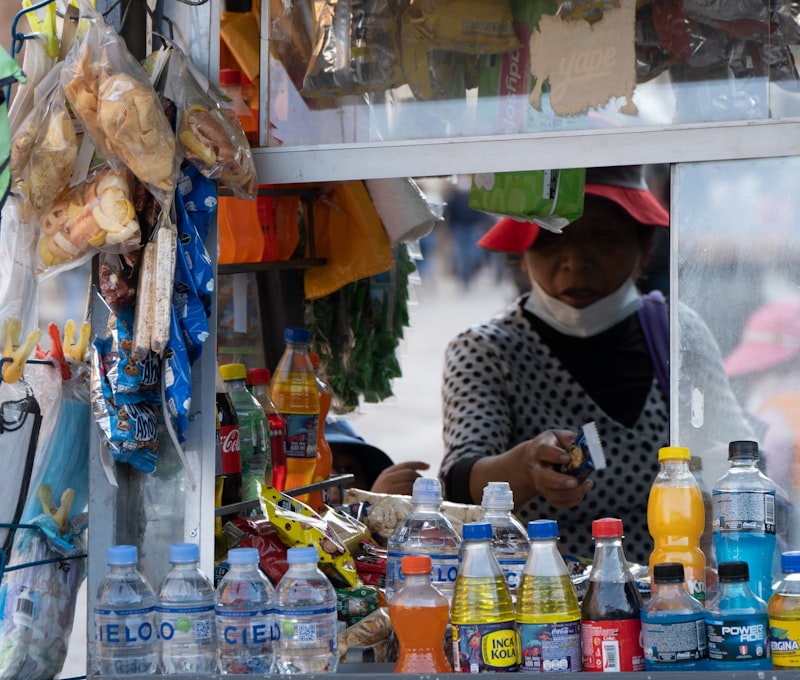
Food in Cusco: the market at San Pedro (the covered market two blocks from the Plaza) serves complete market lunches for 10–15 soles ($2.50–4). Restaurants on the Plaza de Armas charge tourist prices (40–60 soles for a main course); two streets back in San Blas, the same quality food costs 20–35 soles ($5–9). Chicha morada (purple corn drink) and mate de coca (coca leaf tea) are served everywhere for 3–5 soles.
The Machu Picchu Admission System
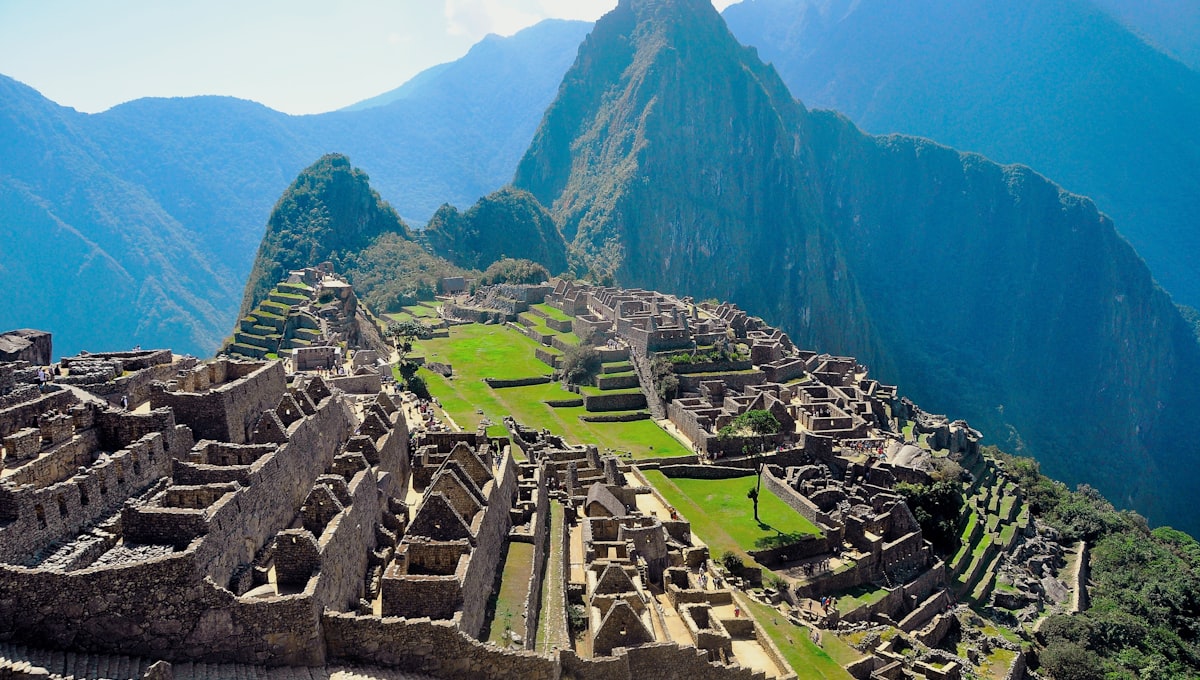
Machu Picchu admission has been restructured into timed slot ticketing that must be booked in advance. The site is divided into circuits (Circuit 1, 2, 3, 4, and the Huayna Picchu and Montana mountain hikes).
Current admission costs (2026): - Machu Picchu site only: $52 (low season, afternoon) to $65 (morning peak) - Machu Picchu + Huayna Picchu mountain: $75–82 - Machu Picchu + Montana: $75–82
Slots sell out weeks to months ahead in June–August peak season. Book at the official Ministerio de Cultura portal only — third-party sites add $10–30 in fees.
The Aguas Calientes (Machu Picchu Pueblo) to Machu Picchu bus costs $24 return (15 minutes up the switchback road). The PeruRail or Inca Rail train from Cusco/Ollantaytambo to Aguas Calientes runs $50–110 one way depending on departure time. A budget night in Aguas Calientes itself (stay there to be first through the gates at 6am) costs $30–60 at a basic guesthouse.
Machu Picchu total cost per person (including transport from Cusco): $150–200.
The Sacred Valley: Budget Alternative Base
Staying in the Sacred Valley — Pisac, Ollantaytambo, or Urubamba — rather than Cusco saves 20–30% on accommodation and provides direct train access to Aguas Calientes. A guesthouse in Ollantaytambo (a perfectly preserved Inca town, itself worth a half-day) costs $30–55/night. The Pisac market on Sundays and Tuesdays is one of Peru's best craft markets and reached from Cusco by shared colectivo for $2.
The Inca Trail: Premium Experience, Real Cost
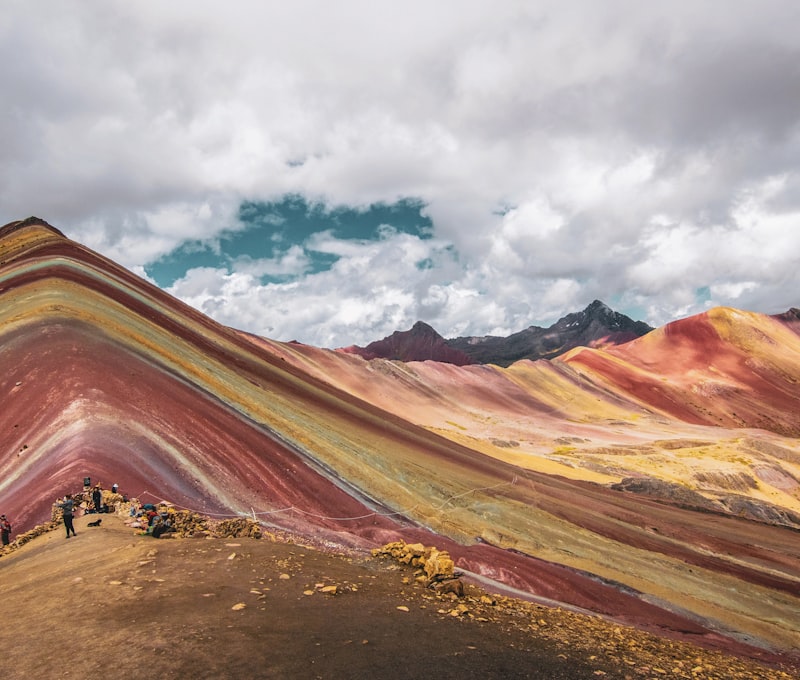
The Classic Inca Trail (4 days, 3 nights, arrival at Machu Picchu via the Sun Gate) requires an operator permit and is limited to 500 people per day including guides and porters. The cheapest legitimate operators charge $550–700 per person; mid-range operators charge $750–1,000. This includes all meals, camping equipment, and the Machu Picchu entry. Permits sell out in January for the June–August high season — book in October or November.
The Salkantay Trek (5 days, no permit required) offers comparable or better mountain scenery at $300–500 per person with a reputable operator, and arrives at Machu Picchu via Aguas Calientes.
Lake Titicaca and Puno
Puno (JUL — airport served by LATAM from Cusco) is the gateway to Lake Titicaca and the Uros floating reed islands. A guesthouse in Puno costs $20–40/night. A half-day boat tour to the Uros islands costs $8–15 organized locally. The Taquile Island full-day tour runs $20–30. Puno itself is one of Peru's most affordable travel bases.
The Cusco–Puno route by PeruHop tourist bus (scenic, stop-optional, English-narrated) costs $20–35. The Peru Rail Andean Explorer luxury train covers the same route in 10 hours for $200+ — expensive but one of South America's great train journeys.
Peru Daily Budget by Region
| Region | Budget/day | Mid-range/day | |--------|-----------|---------------| | Lima | $45–60 | $85–120 | | Cusco | $50–70 | $90–130 | | Sacred Valley | $40–60 | $75–105 | | Aguas Calientes | $60–80 | $100–140 | | Puno/Titicaca | $35–50 | $65–90 |
Note: Machu Picchu entry ($52–82) and transport ($74–135) are one-time costs that average $150–220 total and should be budgeted as a standalone item.
International Flights
Lima (LIM) is the main South American gateway. Return fares from Miami (MIA) run $350–550 on LATAM, American, or Copa. From New York (JFK), $400–650. From London (LHR), £600–900 on Iberia via Madrid (MAD) or LATAM via São Paulo (GRU).
The best time to visit Peru guide covers the dry season (May–October, optimal for Machu Picchu and trekking) versus the wet season trade-offs in detail. The key budget planning insight: Machu Picchu should be budgeted as a fixed $200 cost per person regardless of how carefully you manage other expenses, and permits must be secured months ahead for peak season travel.
 Best Time to Visit Peru: Machu Picchu, Amazon, and Lima on a Budget
 Backpacking Southeast Asia: Real Costs in 2026 by Country
 Round-the-World Tickets in 2026: Prices, Airlines & Whether They're Worth It