
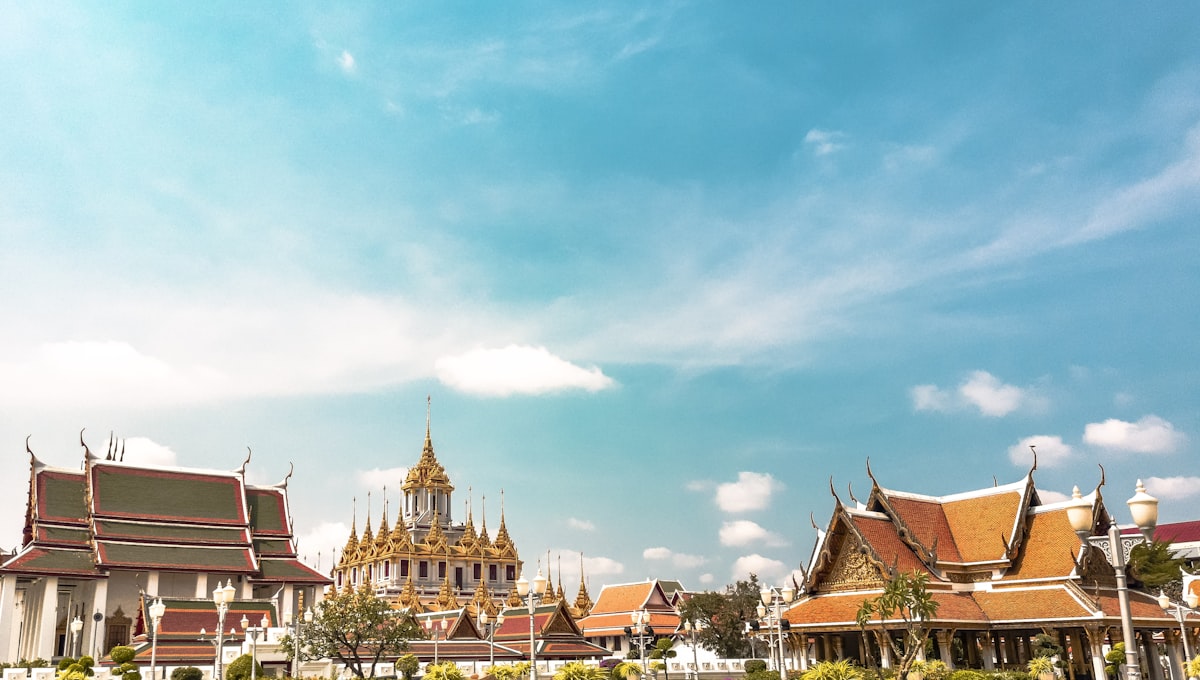
Backpacking Southeast Asia: Real Costs in 2026 by Country
May 10, 2026
Southeast Asia has been the canonical backpacker destination for four decades, and despite inflation, rising tourism infrastructure costs, and post-pandemic adjustments, it remains one of the most accessible travel regions in the world for budget travellers. But costs vary enormously between countries — and even within countries between tourist zones and off-the-beaten-path areas. This is what things actually cost in 2026.
Getting There: The Gateway Flight
The cheapest entry points into Southeast Asia from Europe and the US are typically cheapest flights to Bangkok (BKK/DMK), Kuala Lumpur (KUL), and Singapore (SIN). Thai Airways (TG), Malaysia Airlines (MH), Singapore Airlines (SQ), Emirates (EK), and Qatar Airways (QR) all run competitive long-haul fares to the region.
From London, return fares to Bangkok typically run £550–£800 depending on season. Kuala Lumpur is often £50–£80 cheaper given Malaysia Airlines' strong competition on the route. Singapore is usually the most expensive of the three gateways.
From the US West Coast, fares to Bangkok or KUL run $650–$950 return. East Coast travellers add $100–$200 for positioning or connecting flights.
Regional pricing variation matters here. The same Malaysia Airlines or Singapore Airlines long-haul ticket can be priced differently depending on which national booking market you use. Running a cross-market check via a tool like RegionFare is worthwhile on fares of this size — a 6–8% market pricing difference on a £700 fare is real money.
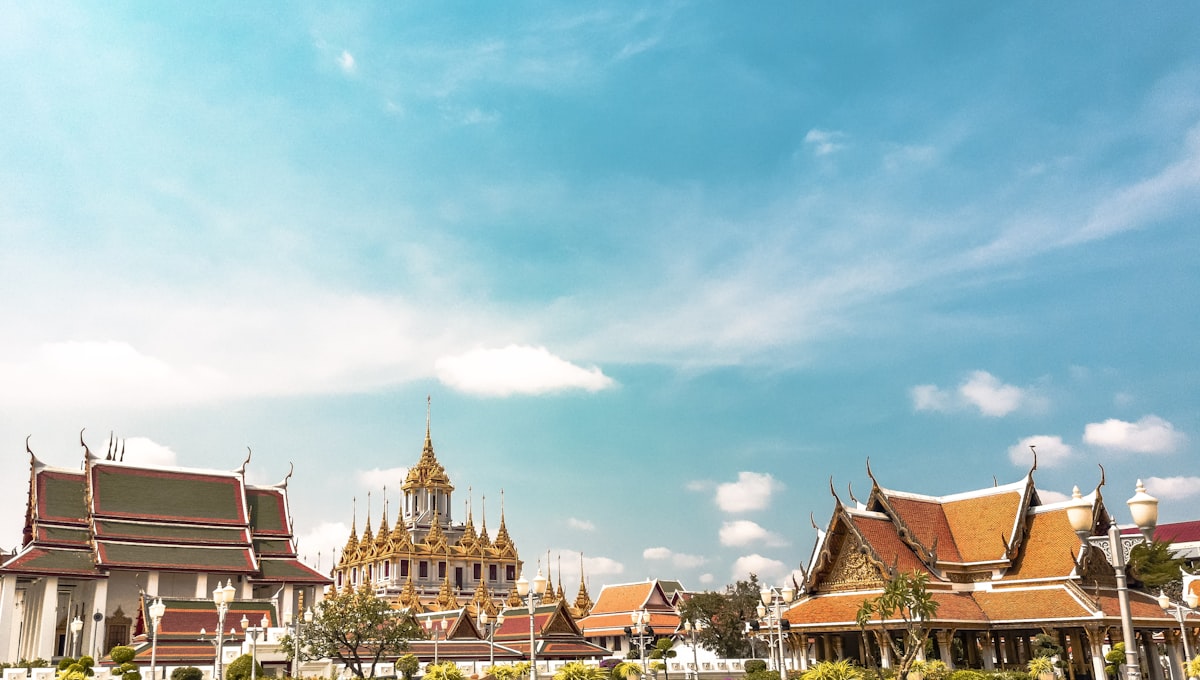
Thailand: The Benchmark
Thailand remains the most popular backpacker destination in the region and the de facto baseline against which other countries are measured.
Budget daily costs: - Dorm bed in Khao San Road area (Bangkok): €8–12 - Guesthouse/private room (Bangkok/Chiang Mai): €15–25 - Local street food meal (pad thai, som tam): €1.50–2.50 - Restaurant meal mid-range: €5–10 - Long-distance overnight bus: €10–18 - Domestic flight (Bangkok–Chiang Mai or Bangkok–Phuket): €25–60 - Chang beer (large bottle, 7-Eleven): €1.20 - 30-day SIM card with data: €10–15
Realistic daily budget (dorm accommodation, street food, local transport): €35–50 Mid-range daily budget (private room, mix of restaurants): €65–90
Thailand's tourist infrastructure is excellent. Tuk-tuks, songthaews, and the BTS Skytrain (Bangkok) are reliable. Long-distance buses are comfortable and cheap. Internal flights on Thai Lion Air, AirAsia (FD), and Nok Air offer competitive prices, though booking well ahead is necessary for the cheapest fares.
Islands like Koh Samui (USM) and Phuket (HKT) have become expensive relative to the mainland — budget accommodation is limited and restaurants in tourist areas charge European prices. Koh Tao, Koh Phangan, and the Gulf Coast islands remain cheaper. Chiang Mai is generally less expensive than Bangkok for food and accommodation.
Vietnam: Excellent Value
hidden gems in Vietnam has emerged as the strongest competitor to Thailand among Southeast Asian backpacker destinations, and in many ways surpasses it for value in 2026.
Budget daily costs: - Dorm bed (Ho Chi Minh City/Hanoi): €5–9 - Mini-hotel private room: €12–20 - Pho or banh mi (street stall): €1–2 - Restaurant meal: €4–8 - Open-tour bus (Ho Chi Minh City to Hanoi full route): €30–45 - Sleeper train (Hanoi–Ho Chi Minh City): €25–40 - Bia hoi (draft beer, street corner): €0.30–0.50
Realistic daily budget: $25–35 Mid-range daily budget: €55–75
Vietnam's north-to-south geography suits the classic backpacker routing: Hanoi — Halong Bay — Hue — Hoi An — Ho Chi Minh City, with the option to extend north into Sapa and the mountain provinces or south into the Mekong Delta. The country is long and transit costs add up — the open-tour bus network is convenient but slow; the north–south train is more pleasant and still affordable.

Indonesia: Bali and Beyond
Indonesia's tourist economy is dominated by Bali (DPS), but the archipelago is vast and varied.
Bali budget daily costs: - Guesthouse in Ubud or Seminyak: €15–30 - Warungs (local restaurants): €2–4 per meal - Scooter rental per day: €4–6 - Surf lesson: €15–25 - Bintang beer (restaurant): €2.50–4
Realistic Bali daily budget: $30–50
Outside Bali, costs drop significantly. Java — including Yogyakarta (JOG) and the access point for Borobudur and Prambanan — is notably cheaper. Lombok is developing rapidly but remains cheaper than Bali. The Gili Islands have a premium attached given their beach-party reputation.
Cambodia: The Budget Champion
Cambodia is consistently the cheapest country in Southeast Asia for budget travellers.
Budget daily costs: - Guesthouse room (Phnom Penh/Siem Reap): €8–15 - Meal at local restaurant: €2–4 - Beer (Angkor draft): €1.50 - Tuk-tuk cross-city: €2–4
Realistic daily budget: $20–30
The Angkor complex near Siem Reap is the main draw — the three-day temple pass costs $72, which is expensive by local standards but extraordinary value for what it covers. Phnom Penh's S-21 and Killing Fields sites require emotional preparation; they are among the most important 20th-century historical sites in Asia.
Malaysia and Singapore: The Higher-Cost Outliers
Malaysia is more expensive than the Indochina countries but significantly cheaper than Singapore. Kuala Lumpur is well-connected and affordable; Penang's food culture is world-class and reasonably priced; the Perhentian Islands are a dive destination worth the premium.
Malaysia daily budget: $25–40 Singapore daily budget: €90–140
Singapore is exceptional. The city-state is more expensive than some Western European capitals and isn't really a "backpacker" destination in the traditional sense. It's a gateway, a transit hub, and a fascinating destination in its own right, but budget travellers typically spend 2–3 days rather than using it as a base.
Regional Transport: The Hidden Cost
Inter-country flights in Southeast Asia are cheap but add up. Air Asia (AK) and its affiliates dominate budget regional flying. A Bangkok–Hanoi flight costs €40–80. Hanoi–Da Nang might be €20–35. These look cheap but if you're making 8–10 regional hops in a month, the transport budget can easily reach €300–400.

Land crossings remain viable and substantially cheaper than flying: the Bangkok–Siem Reap overland route costs around €20–25 total. The Vietnam–Cambodia border crossing at Moc Bai/Bavet is straightforward. Border crossings into Myanmar have varying restrictions depending on current political situation — check the latest advice before planning.
Country-by-Country Daily Budget at a Glance
If you're planning a multi-country route, these are the realistic all-in daily costs for a budget backpacker in 2026 — covering a dorm bed or cheap private room, two to three local meals, and basic local transport:
- Vietnam: $25–35/day. A dorm in Hanoi or HCMC runs $6–10, street pho twice a day costs under $4 combined, and xe om (motorbike taxis) or buses handle city movement cheaply. The open-tour bus pass between cities is the economical backbone. - Thailand: $30–45/day. Bangkok is pricier than it was a decade ago but still manageable. Street food keeps meal costs low ($2–4 per sit-down), but island transport and entry fees push the daily average up if you're island-hopping. - Cambodia: $20–30/day. The cheapest country in the region. Accommodation and food are dollar-priced, tuk-tuks are negotiable, and outside of the Angkor pass, there are few expensive must-dos. - Laos: $20–30/day. Budget travel here is anchored around guesthouses in Vang Vieng and Luang Prabang ($8–15/night), cheap Lao noodle soup ($1.50–2), and either local buses or the high-speed train to China for longer stretches. - Indonesia/Bali: $30–50/day. Bali has drifted upmarket — tourist-facing restaurants in Seminyak and Canggu charge near-European prices, though warungs keep the floor reasonable at $3–5 a meal. Scooter rental ($5/day) is essential. Budget private rooms in Ubud or Canggu run $20–35. - Philippines: $25–40/day. Manila is manageable but not the draw; the islands are. Accommodation on Palawan or Siargao ranges from $10 dorm beds to $25 fan rooms. Island-hopping tours add a daily premium of $15–25. Local jeepneys and tricycles cost cents for short hops. - Myanmar: $30–40/day. The political situation has made travel complicated and the number of budget options in some areas has contracted. Where accessible, guesthouse rooms run $12–20, meals are cheap ($2–4), and transport by slow boat or bus is inexpensive. Check current advice carefully before including Myanmar in any itinerary. - Malaysia: $25–40/day. KL has well-priced food (Jalan Alor night market, mamak stalls), good hostel infrastructure, and a functional metro. Penang is a food destination and reasonable value. The east coast islands (Perhentians) cost more once you add dive trips.
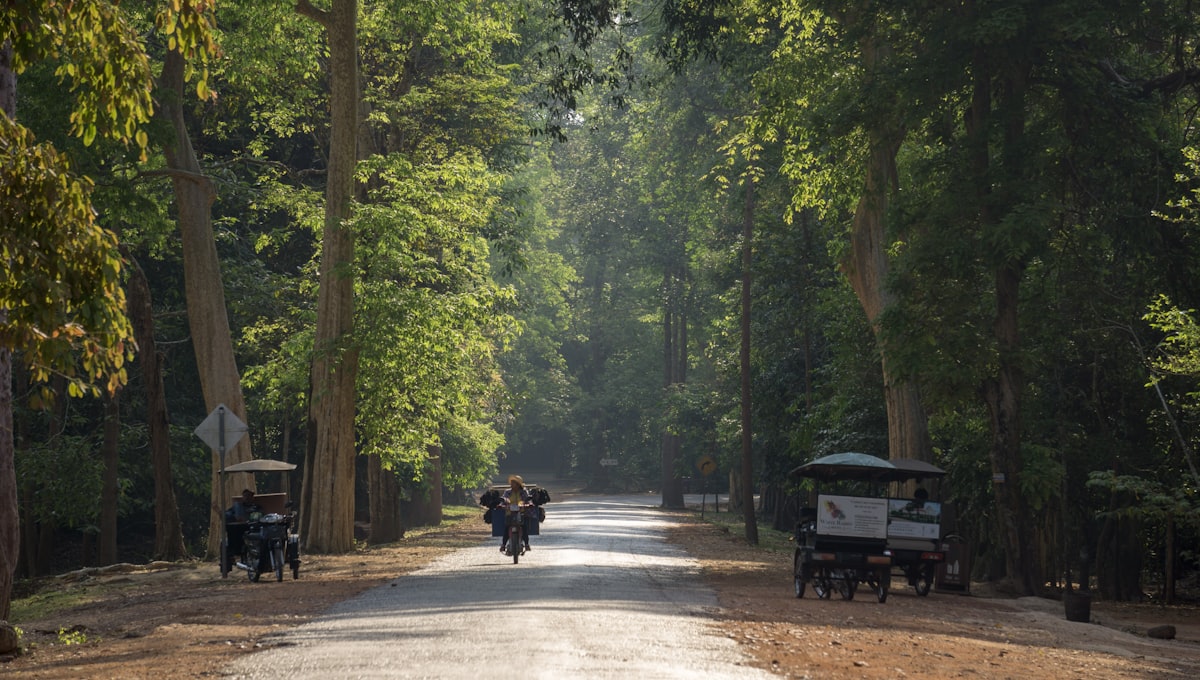
Getting Around — Transport Costs
In-country and inter-country transport is where many backpacker budgets quietly leak. Here's what the main options cost in practice:
Overnight buses are the backbone of budget overland travel. A Chiang Mai–Bangkok sleeper bus costs $10–15. Hanoi–Hue runs $12–18. Phnom Penh–Bangkok is around $15–25 depending on the operator and class. Most routes have air-conditioned buses with reclining seats or full lie-flat sleepers — the overnight bus replaces both a hotel night and a daytime journey, making it genuinely cost-effective.
Trains are slower but more comfortable on certain routes. The Thai sleeper train from Bangkok to Chiang Mai costs $15–30 for a second-class sleeper berth and takes about 13 hours — a proper overnight journey with dining car and wide berths. Vietnam's Reunification Express from Hanoi to HCMC runs $25–40 for a four-berth sleeper and is a scenic alternative to flying the full route, though most travellers break it into legs.
Domestic flights have transformed what's practical on a 30-day trip. AirAsia (AK/FD), VietJet (VJ), and Cebu Pacific (5J) dominate budget flying across the region. Typical short-haul fares booked a few weeks out: Bangkok–Chiang Mai $30–50, Hanoi–Da Nang $20–40, Manila–Cebu $25–45, KL–Kota Kinabalu $35–60. Book at least three to four weeks ahead and prices stay manageable. Leave it to 48 hours and you'll pay multiples of those figures.
Ferries are unavoidable if you're island-hopping. Ko Pha Ngan or Ko Tao from the Koh Samui pier costs $8–15. The Lombok–Gili Islands speedboat is around $15–20. Inter-island ferries in the Philippines (2Go Travel or Lite Ferries) run $10–30 for overnight slow ferries between major islands. Budget separately for ferry transport — it adds up faster than it appears on paper.
When to Go
Timing your trip affects costs significantly. The November–February window is dry season across most of mainland Southeast Asia — the safest weather, the most reliable sunsets, and the most crowds. High-season prices apply: accommodation costs 20–30% more in popular areas, and flights from Europe and North America hit their peak fares. Angkor Wat at dawn in December has thousands of people; in June it might be a dozen.
Shoulder seasons — March to May and September to October — offer meaningfully better deals. March is genuinely excellent in Thailand and Vietnam before the heat becomes extreme. September and October see reduced crowds and lower accommodation prices across Cambodia and Laos, though the tail end of the wet season means some flooding risk on lower-lying routes.
Monsoon timing is country-specific and complicated. Vietnam has two distinct coastlines with opposite wet seasons — when the south is dry (November–April), the north can be cool and wet, and the central coast (Da Nang, Hoi An) has its own rainy season from October to January. Thailand's Gulf Coast and Pacific Coast islands are on different seasonal schedules. The Philippines typhoon season peaks September–November. Laos and Cambodia's wet season runs May–October but rarely causes serious travel disruption.
The practical upshot: if you're flexible, shoulder season travel saves money on accommodation and doesn't sacrifice much on experience. If you have a fixed window in peak season, budget for 20–30% higher accommodation costs and book hostels and popular guesthouses well in advance.
How to Save on International Flights
The flight to Southeast Asia is typically the single largest expense of the trip — often matching or exceeding the total cost of a full month in-country. Getting this right matters.
Routing strategy. From Europe, the cheapest long-haul fares to Bangkok, KL, or Singapore usually route through the Gulf: Emirates (EK) via Dubai, Qatar Airways (QR) via Doha, and Etihad (EY) via Abu Dhabi consistently undercut European carriers on Southeast Asia routes. From the UK, Emirates often prices £480–£600 return to Bangkok in shoulder season. Qatar to KL can hit similar lows. These are genuinely competitive — not a compromise.
From North America, Korean Air (KE) via Seoul and Cathay Pacific (CX) via Hong Kong often beat direct options. The Seoul–Southeast Asia connection is well-priced and the layover can be made into a stopover for little additional cost.
Booking market matters. Airlines publish the same flights at different prices in different national markets. A Qatar Airways fare from London to Bangkok may be priced differently in the UK market versus the French, German, or Malaysian booking market. The difference is typically 5–12%, but on a £700 fare that's £35–85 in real money — and on longer premium routes the spread can reach £200–300. Cross-market flight search tools like RegionFare surface these variations automatically, making it easy to see which market prices the fare most competitively before you commit.
Flexibility pays. Flying into Bangkok and out of Singapore (or vice versa) — an open-jaw itinerary — avoids the cost and time of backtracking and sometimes prices out cheaper than a return on a single gateway. Low-cost carriers like Scoot (TR) and AirAsia X (D7) operate long-haul routes from Australia, the UK, and Europe to Southeast Asian hubs at budget-carrier prices, though baggage costs and connection times require careful attention.
A Realistic One-Month Budget
For a one-month trip covering Thailand, Vietnam, and Cambodia in 2026, budget travellers should realistically plan for:
- Flights in/out: €600–900 - Accommodation (dorms/cheap private): €500–700 - Food (mix of street food and restaurants): €350–500 - Internal transport: €250–350 - Activities/entrance fees/visas: €200–300
Total: approximately €1,900–2,750 for a genuine month of travel.
Mid-range travellers (private rooms throughout, eating at proper restaurants, occasional splurge) should budget €3,500–4,500. The region remains genuinely affordable — the question is how much of the infrastructure you're willing to bypass.
 Istanbul on a Budget: Where Locals Eat, Shop, and Stay
 Best Time to Visit Japan: Cherry Blossoms, Autumn, or Cheap Season?