
Best Time to Visit Peru: Machu Picchu, Amazon, and Lima on a Budget
May 15, 2026
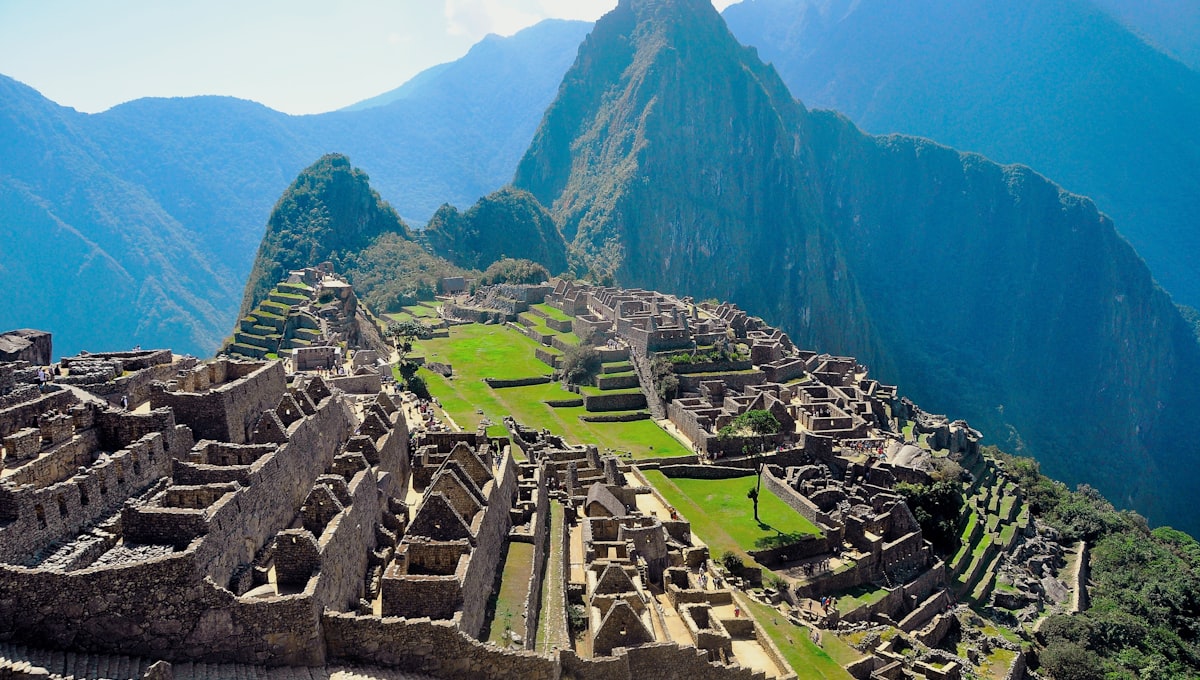
Peru is one of South America's most geographically diverse countries. Lima sits in a coastal desert strip that receives almost no rain. Cusco and the Sacred Valley occupy high Andean highlands at altitudes between 3,000 and 3,800 metres. Machu Picchu clings to a cloud forest ridge at 2,430 metres. And the Amazon basin — accessible via Puerto Maldonado or Iquitos — is one of the world's great ecosystems.
Each of these regions has its own optimal season, and they do not always align. Getting the timing right for Peru is one of the most important planning decisions you will make — the difference between hiking the Inca Trail in clear sunshine and slogging through Andean rain, or between a Colca Canyon at dawn and a viewpoint obscured in cloud.
The Two Seasons That Matter
Peru broadly divides into a dry season (May through October) and a wet season (November through April). This pattern is most relevant to the Andean highlands and Machu Picchu region. The coast and the Amazon follow different rhythms.
Dry Season (May–October) is the Andean highland's best window. Skies are clear, temperatures are cool (around 20°C in Cusco by day, dropping to near-freezing at night), and the Inca Trail is fully operational. This is peak tourist season, and both prices and visitor numbers at Machu Picchu reach their annual maximums.
Wet Season (November–April) brings afternoon rains to the highlands and sustained heavy rain in January and February. The Inca Trail closes entirely in February for maintenance. However, this is also when the landscape is at its most green and vivid, crowds are significantly reduced, and prices drop across the board.
Machu Picchu: The Practical Realities
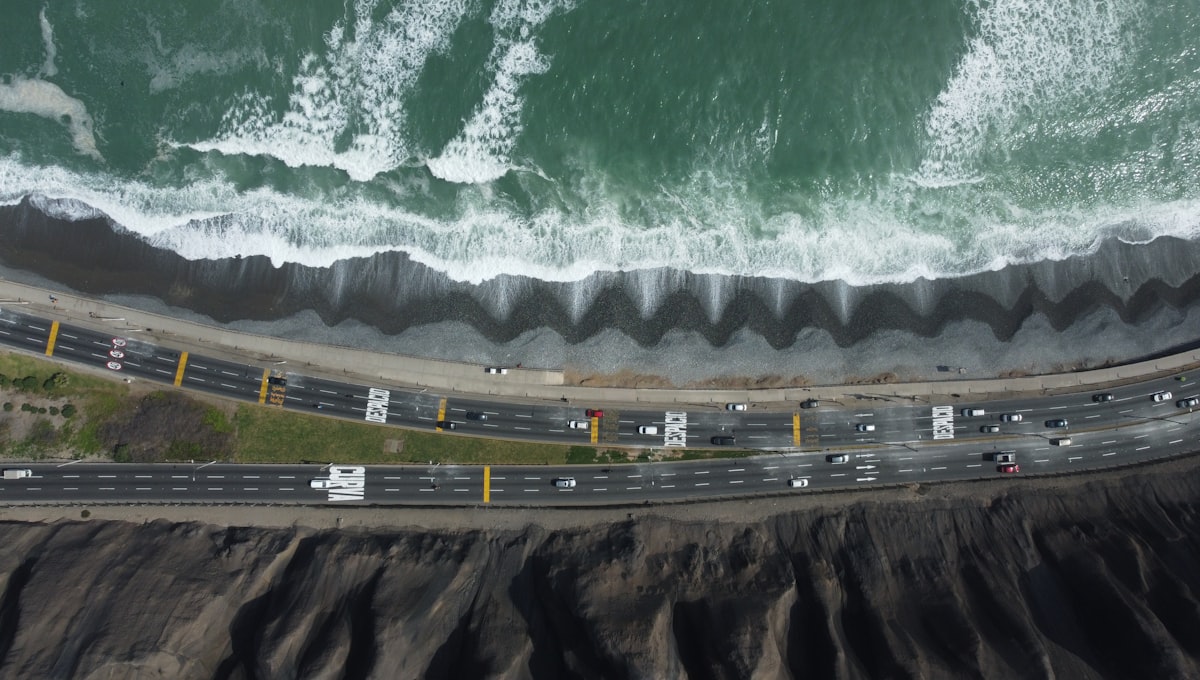
Entry to Machu Picchu is managed through a timed-entry ticket system with a daily cap of 4,500 visitors. Tickets must be booked in advance through the official government portal, and peak season slots (June–August) sell out 2–3 months ahead. Outside peak season, tickets remain available at shorter notice.
The iconic empty-citadel photograph requires arriving with the first entry group (6am–7am) during low season. During June–August, even the 6am slot has significant crowds. Rain or not, the "empty" Machu Picchu exists only in the shoulder season travel's early mornings.
Consider the shoulder months of May, September, and October as the optimal balance: dry-season conditions with peak-season crowds only at weekends and on public holidays.
The Inca Trail
Permits for the classic 4-day Inca Trail must be booked through a licensed operator and sell out fast — often within hours of availability opening, up to a year in advance for peak months. Operators offer the trail between April and January (February is the maintenance closure month).
If the classic trail is full, the Salkantay Trek (5–7 days, higher elevation, more dramatic mountain scenery) and the Lares Trek (3–4 days, Quechua communities focus) operate year-round through licensed operators and can often be booked with shorter lead times.
Lima: A Year-Round City
Lima itself is largely season-independent. The coastal capital sits under a marine layer of garúa (coastal fog) from May through November — the "Lima grey," which the rest of Peru considers the city's curse. Temperatures remain mild (14–18°C) regardless. The occasional beach escape to Miraflores' clifftop bars is possible year-round.
Lima's restaurant scene is the best in South America by most metrics. Astrid y Gastón, Maido, and Central (run by Virgilio Martínez, who works with every altitude zone of Peru's geography as culinary source material) are the headline names, but the city's ceviche traditions — abundant everywhere from market stalls to neighbourhood restaurants — are what most visitors remember longest.
The Amazon Basin
The Amazon around Puerto Maldonado (the southern Amazon, most accessible from Cusco) is year-round but has a distinct wet season (December–April) when rivers flood and boat access extends into the jungle. This is actually good for wildlife viewing — river levels are high and animals concentrate around water sources.
The dry season (May–November) is more comfortable for human visitors — fewer mosquitoes, walkable forest paths. Amazon wildlife — tapirs, giant otters, macaws, caimans, capybaras — is present year-round.
Iquitos (northern Amazon, accessible only by air or river) is a different and longer experience. The northern Amazon floods more dramatically and the wet-season rivers genuinely change the landscape's character. Either season is viable depending on your tolerance for heat and humidity.
Colca Canyon
The Colca Canyon, near Arequipa, is best visited in the dry season (May–November) for the condor viewpoint at Cruz del Condor. Condors ride thermal air currents in the morning, typically most active between 9–10am. The wet season does not preclude condor sightings but visibility is more unpredictable.
Flight Costs to Peru
Lima (LIM) is Peru's main international gateway. From Europe, Iberia (IB) via Madrid, Air Europa (UX) via Madrid, and KLM (KL) via Amsterdam are the primary carriers. From the US East Coast, American Airlines (AA) via Miami, United (UA) via Houston, and LATAM (LA) via several Latin American hubs are dominant.
Fares from London to Lima range from £600 in low season (February–March) to £900+ in July–August. From New York JFK, prices typically run $650–$950 depending on season. Cross-market price checking via tools like RegionFare consistently shows that Spanish and Dutch booking markets price the same Iberia and KLM flights 10–18% lower than UK or US market equivalents.
Budget Planning
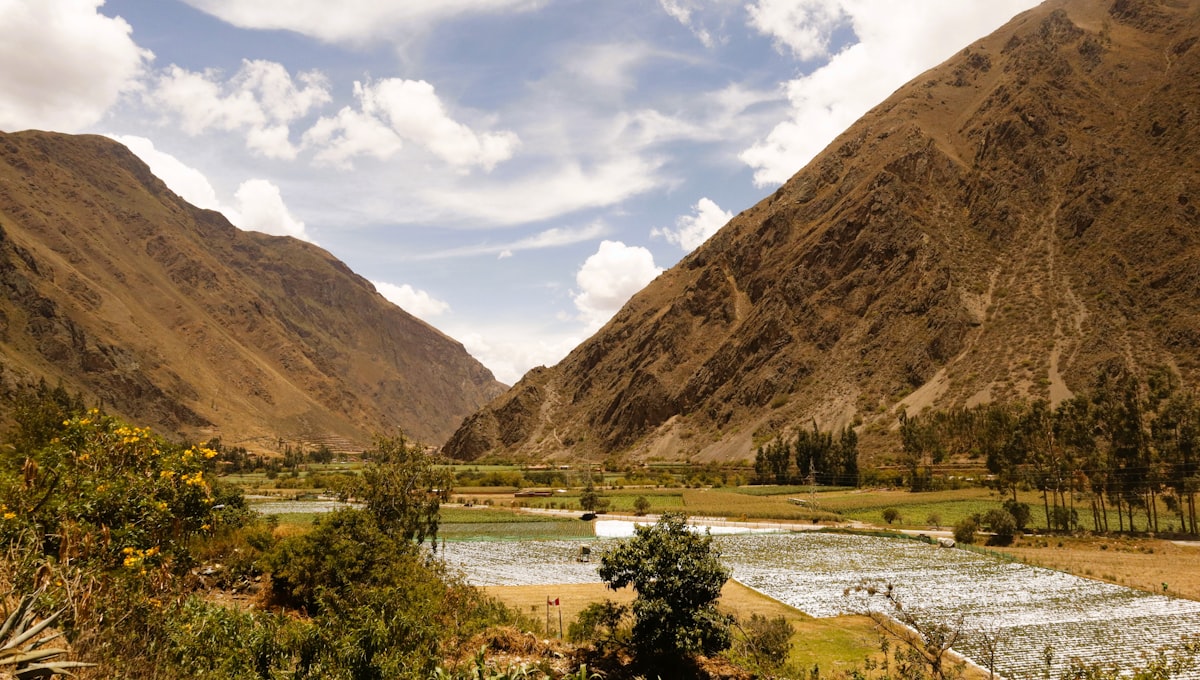
Peru is genuinely affordable once you have paid for the international flight. Daily expenses in Cusco and the Sacred Valley run £40–£70 including accommodation, food, and local transport. Lima's Miraflores neighbourhood is more expensive (£80–£120/day for a comfortable experience). Budget accommodation in the Sacred Valley can bring costs below £30/day.
The main fixed costs to account for: Machu Picchu entry (around $20–$40 depending on circuit), Inca Trail permit through a licensed operator (minimum $600–$700 all-inclusive), and the Cusco Tourist Ticket (boleto turístico) if visiting multiple Sacred Valley archaeological sites (around $50 for a 10-day multi-site pass).
Peru's combination of extraordinary archaeology, Andean landscapes, world-class cuisine, and Amazon basin biodiversity makes it one of South America's most complete destinations. The timing decision matters — get it right and the experience is extraordinary.
Region-by-Region Timing: The Nuanced Version
Peru's three major geographic zones — coast, highlands, and Amazon — follow different precipitation patterns, and if your itinerary spans all three (as most do), you need to understand the trade-offs specific to each.
The coast (Lima and the northern beach towns like Mancora) operates almost independently of the highland rain cycle. Lima's garúa fog is heaviest from June through October — the city can go weeks without direct sunlight. If you're combining Lima with beach time in Mancora, January through March is the warmest and sunniest coastal period, with water temperatures reaching 27°C. However, this coincides with the peak highland wet season — so a combined Lima/Mancora plus Cusco itinerary in January requires accepting that the Andean portion will be wet.
The highlands (Cusco, Sacred Valley, Machu Picchu, Lake Titicaca, Arequipa, Colca Canyon) are at their best from May through September. October is an excellent shoulder month — the rains haven't arrived in earnest and the July peak crowds have cleared. November is the transition month: occasional afternoon showers begin but mornings are usually clear enough for Machu Picchu. December through February is full wet season, with January and February being the wettest months. The Inca Trail closes in February. Machu Picchu itself remains open year-round but the citadel can be shrouded in cloud for hours during wet season mornings.
The Amazon (Puerto Maldonado in the south, Iquitos in the north) defies the simple wet/dry binary. The wet season from December through April raises river levels significantly, which extends accessible habitat for wildlife — macaws, giant otters, caimans, and river dolphins are more visible because they concentrate near the higher water. Lodges in Madre de Dios operate by boat rather than walking trails during high water. The dry season (May–November) offers easier land-based access and fewer mosquitoes. Either approach yields remarkable wildlife; the question is whether you prefer boat-based or trail-based exploration.
Inca Trail Permits: The Logistics Nobody Warns You About
The classic 4-day Inca Trail has 500 daily permit slots — that number includes guides, cooks, and porters, so the actual hiker quota is closer to 200–250 per day. Permits for June, July, and August sell out within minutes of becoming available, which typically happens about 6 months before the target travel month. For October and November, permits often sell within hours. For April, May, and September, slots may last days to weeks.
The practical implication: if you want to hike the classic Inca Trail in July, you need to book with a licensed operator in January at the latest, and some popular operators sell out even earlier. This is not an exaggeration — travellers who leave it to 3 months before regularly find every licensed operator fully committed.
Operators to look for: Peru Treks, Alpaca Expeditions, Andean Treks, and Llama Path consistently appear in the top tier for quality and responsible employment practices. Prices range from $600 to $950 per person all-inclusive (permits, camping, meals, guide, porters). Cheaper operators exist but quality of porter treatment is a legitimate ethical concern — look for operators who are members of the Inca Trail Porters Association.

Altitude Acclimatisation: A Practical Guide
Cusco sits at 3,400 metres. Many first-time visitors underestimate altitude sickness (soroche) and it genuinely derails trips. The symptoms — headache, nausea, fatigue, breathlessness — typically peak on day one and two at altitude and resolve by day three for most people.
The standard medical advice is to spend one or two nights at an intermediate altitude before reaching Cusco. Arriving in Cusco via Lima and then flying directly to Cusco (3,400m) gives you no acclimatisation time. Instead, some itineraries start in the Sacred Valley (Pisac, Urubamba, Ollantaytambo) at around 2,900–3,000 metres — a gentler introduction that still feels high but lets your body begin adjusting before you reach Cusco.
Practical measures that help: arrive by afternoon not morning (so you can rest immediately), stay hydrated, avoid alcohol on day one, eat lightly. Coca tea (mate de coca) is universally available in Cusco and is a mild stimulant that reduces soroche symptoms for many people — it contains small amounts of the cocaine alkaloid but is legal in Peru and non-addictive at the quantities in tea. Acetazolamide (Diamox) is a prescription medication that speeds acclimatisation; consult a GP or travel clinic before departure if you're concerned.
If you're flying from sea level to Cusco, budget two full days before any physically demanding activity — the Inca Trail, Salkantay, or Colca Canyon. Starting a strenuous trek on day one at altitude is how people end up in hospital.
Festivals and Cultural Calendar
Peru's festival calendar is rich and worth building your itinerary around if timing allows.
Inti Raymi — the Festival of the Sun — takes place on June 24th each year at Sacsayhuamán, the massive Inca fortress complex above Cusco. It's a recreation of the Inca winter solstice ceremony with costumed processions, ceremonial offerings, and theatrical performances for an audience of thousands. Tickets for the main ceremony at Sacsayhuamán cost around $50–80 USD; the free street processions in Cusco's main square on the same day are equally spectacular. June 24th is Cusco's biggest day of the year, and the city fills the surrounding week with events. Book flights and hotels 4–6 months out for this window.
Corpus Christi (usually June, date varies with Easter) brings 15 gilded saint statues from parish churches around Cusco to the main cathedral for a 9-day festival. The religious parade through Cusco's Plaza de Armas is one of the most visually striking Catholic-Andean syncretism events in South America.
Semana Santa (Holy Week, date varies with Easter — March or April) sees Ayacucho, in the central highlands, host what many consider Peru's most elaborate Easter procession — more spectacular than even the Cusco equivalent. Ayacucho is accessible by flight from Lima (around 1 hour, $80–$150 each way) and is largely off the mass tourist circuit.
The Virgen de la Candelaria festival in Puno (on Lake Titicaca) takes place in early February — technically wet season but the festival itself is so extraordinary that it justifies the rain. Thousands of dancers in elaborate costumes representing 200+ traditional dances from the Altiplano compete in a weeks-long celebration that UNESCO has listed as Intangible Cultural Heritage. Accommodation in Puno during the festival books out months in advance.