
Japan Travel Budget Per Day: Tokyo, Kyoto & Beyond
June 9, 2026
Japan's reputation as an expensive destination is outdated. The yen has weakened substantially against the dollar and euro since 2022, and a country that felt premium-priced a decade ago now offers remarkable value for international visitors. A mid-range traveler in 2026 can cover Tokyo, Kyoto, and several regional highlights for $90–130/day. Here's how the costs actually break down.
The Yen Reality
At the time of writing (June 2026), ¥1,000 equals roughly $6.80 USD or €6.20. This matters because Japanese prices haven't risen proportionally — accommodation, food, and transport that felt expensive at ¥100/dollar now feels very competitive at the current rate. Budget travelers who did Japan in 2015 will find it cheaper now in dollar terms for the same experience.
Tokyo: Costs by Neighborhood
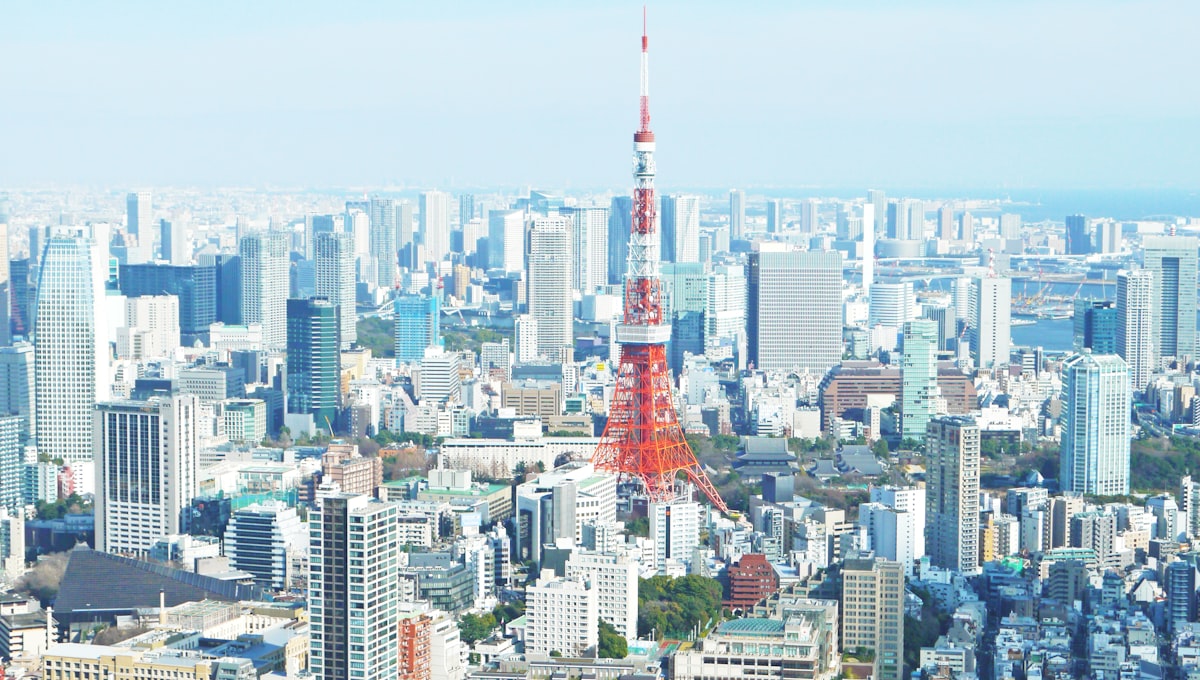
Tokyo (NRT/HND) accommodation costs vary enormously by location and type. A business hotel (Toyoko Inn, Dormy Inn, Richmond Hotel brands) in Shinjuku, Shibuya, or Asakusa runs ¥8,000–14,000 per night ($54–95) for a clean, well-located single room. Double rooms at the same chains cost ¥12,000–18,000 ($82–122). Capsule hotels start at ¥3,000–5,500 ($20–37). Airbnb apartments outside central Tokyo (Nakameguro, Shimokitazawa) run ¥8,000–15,000 ($54–102) for a studio.
Premium hotels in Shinjuku or Ginza charge ¥30,000–80,000+ ($200–540). The Park Hyatt Tokyo (the Lost in Translation hotel) currently runs around ¥55,000–75,000/night ($375–510) — expensive by any standard but cheaper than equivalent hotels in London or New York.
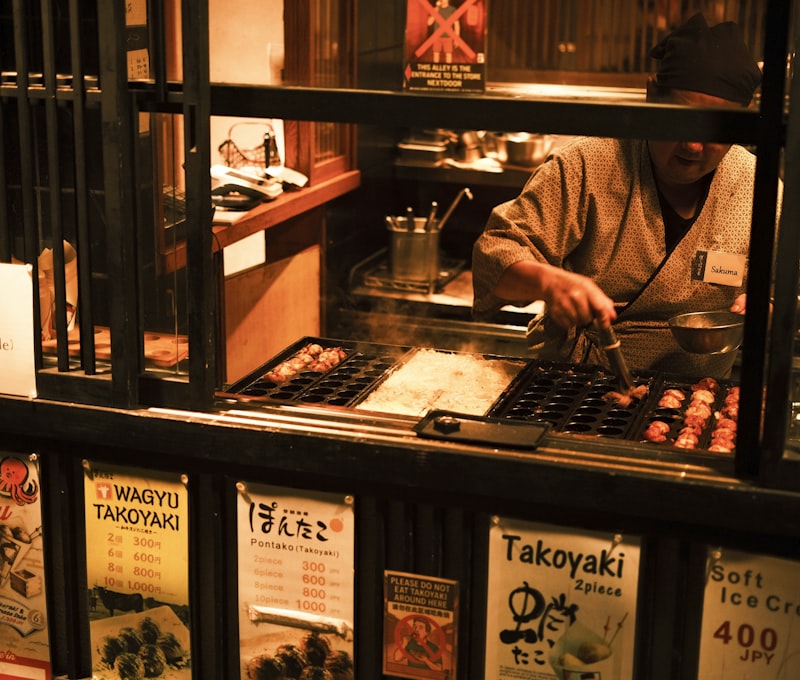
Food in Tokyo is where the value argument is strongest. The ramen at Ichiran on Dogenzaka in Shibuya costs ¥980 ($6.70) for a full bowl of hakata-style tonkotsu. A sushi lunch at a conveyor belt sushi restaurant (kaiten-zushi) — 10 plates at ¥100–150 per plate — costs ¥1,000–1,500 ($6.80–10). A sit-down lunch teishoku (set meal: main, rice, miso soup, pickles) at a shokudo neighborhood restaurant runs ¥800–1,200 ($5.50–8.20).
Dinner escalates: an izakaya dinner with beer and several plates runs ¥2,500–4,000 ($17–27) per person. Yakitori under the Yurakucho tracks costs similar. A tempura or sushi dinner at a proper counter restaurant runs ¥6,000–15,000 ($41–102). Tokyo's Michelin-starred restaurants have the world's highest concentration of stars per capita — many are surprisingly affordable (¥8,000–15,000 tasting menus, $54–102).
Tokyo Daily Budget: Budget (capsule hotel, ramen and convenience store meals): $45–65/day Mid-range (business hotel, restaurants twice daily): $90–130/day Comfortable (3-star hotel, izakaya dinners, taxis): $160–230/day
The Japan Rail Pass: Worth It or Not?
The JR Pass (7-day: ¥50,000 / $340, 14-day: ¥80,000 / $544, 21-day: ¥100,000 / $680) covers all Shinkansen (bullet train) travel, JR local trains throughout Japan, and some ferry and bus routes. Whether it pays off depends entirely on your itinerary.
Tokyo–Kyoto Shinkansen (Nozomi, fastest): ¥13,870 one way ($94). Tokyo–Hiroshima: ¥19,080 ($130). Tokyo–Osaka: ¥15,010 ($102). If your itinerary includes Tokyo → Kyoto/Osaka → Hiroshima → return to Tokyo, the round-trip on Shinkansen alone approaches the 7-day pass price. Add local JR travel in each city and it pays for itself comfortably.
Purchase the JR Pass before you leave home — it cannot be purchased in Japan at the same price (Japanese residents pay ¥60,000 for the 7-day, 20% more than the export price).
Kyoto: Cultural Capital, Premium Pricing
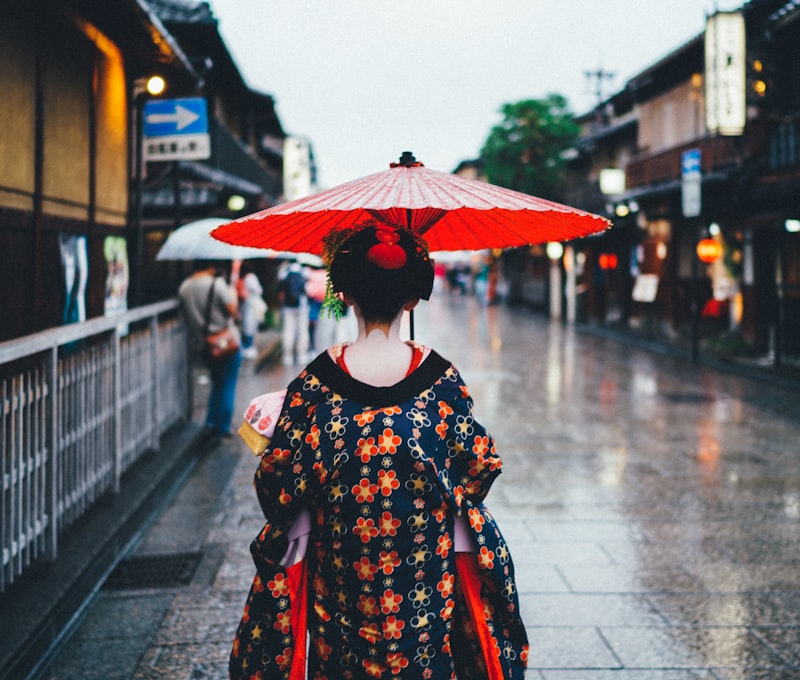
Kyoto (ITM — the closest major airport is Osaka Kansai KIX, 75 minutes by train) is slightly more expensive than Tokyo for accommodation due to the concentration of ryokan (traditional inns) that set the benchmark for guest expectations. A good ryokan in Gion or Higashiyama — tatami rooms, futon bedding, yukata robe, seasonal kaiseki dinner and breakfast included — runs ¥30,000–60,000 ($204–408) per person. This is the authentic Kyoto experience and justifies the premium for at least one night.
Western-style hotels in Kyoto center run ¥12,000–22,000 for a double ($82–150). Guesthouses (machiya townhouse stays, modern hostels) start at ¥4,000–8,000 ($27–54).
Temple entry in Kyoto: most major temples charge ¥400–800 ($2.70–5.50). Kinkaku-ji (Golden Pavilion): ¥500. Fushimi Inari-taisha (the thousand torii gates on Mt. Inari): free. Bamboo Grove at Arashiyama: free (the Tenryu-ji garden costs ¥500 extra). Nijo Castle: ¥1,300 ($8.85). A day covering three or four sights costs ¥1,500–3,000 in entry fees.
Kyoto food: kaiseki (multi-course seasonal Japanese haute cuisine) at a mid-range restaurant starts at ¥6,000 ($41) for a lunch set. Yudofu (Kyoto-style tofu hot pot) at a Nanzen-ji temple district restaurant runs ¥2,500–4,000 ($17–27). Nishiki Market ("Kyoto's kitchen" — a covered market street) has the best food-for-walking options: grilled scallops, pickled vegetables, skewered chicken tofu, all at ¥200–500 per item.
Osaka: The Best Value Major City
Osaka (KIX/ITM) is meaningfully cheaper than Kyoto and has the strongest food culture in Japan — the city's reputation for takoyaki (octopus balls), okonomiyaki (savory pancakes), and kushikatsu (deep-fried skewers) is well-earned and street prices are low.
Takoyaki from a Dotonbori stand: ¥600–800 ($4–5.50) for 8 pieces. A full kushikatsu dinner at a standing bar in Shinsekai: ¥1,500–2,500 ($10–17). Ramen in Osaka's Namba district: ¥900–1,400 ($6–9.50). Hotels in Namba or Shinsaibashi run ¥9,000–16,000 ($61–109) for a solid business hotel.
Osaka is the right base for day trips: Universal Studios Japan (¥9,800–14,000 / $67–95 depending on date), Nara deer park (45 minutes, free to enter), Hiroshima and Miyajima Island (90 minutes by Shinkansen, highly recommended for a full day trip, Hiroshima Peace Memorial Museum entry ¥200).
Regional Japan: Budget-Friendly Destinations
Hiroshima — Peace Memorial Museum (¥200, $1.36), Miyajima Island ferry (¥200, free if you have a JR Pass), Itsukushima Shrine entry (¥300). One of Japan's most moving day trips at almost no cost.
Hakone — Mountain resort 90 minutes from Tokyo with views of Mt. Fuji. Ryokan rooms with outdoor onsen (hot spring bath) and two meals: ¥25,000–45,000/person ($170–306). Day-tripper option: Hakone Freepass (¥5,000 / $34) covers the loop of train, cable car, ropeway, and boat.
Kanazawa — "Little Kyoto" on the Japan Sea coast with Kenroku-en garden (one of Japan's top three), samurai district, and excellent fresh seafood market. Hotels run ¥10,000–18,000 ($68–122). A sushi counter breakfast at Omicho Market costs ¥2,000–3,500.
Japan Consolidated Daily Budget:
| City/Region | Budget/day | Mid-range/day | |-------------|-----------|---------------| | Tokyo | $45–65 | $90–130 | | Kyoto (Western hotel) | $55–75 | $100–145 | | Kyoto (ryokan, with meals) | $200–350 | (all-in per person) | | Osaka | $50–70 | $85–120 | | Hiroshima | $45–65 | $80–110 | | Hakone (ryokan with meals) | $170–300 | (all-in per person) |
Convenience Stores as a Budget Strategy
7-Eleven, FamilyMart, and Lawson in Japan are not the same as their Western equivalents. Onigiri (rice triangles with fillings): ¥120–180 ($0.82–1.22). Sushi packs: ¥480–680 ($3.27–4.63). Hot foods at the counter (steamed buns, fried chicken, hot soups): ¥130–320 ($0.89–2.18). A full convenience store meal costs ¥500–900 ($3.40–6.13) and is genuinely good. This is the Japanese budget traveler's primary food strategy and it works.
International Flights
Return fares to Tokyo Narita (NRT) from New York (JFK) run $700–1,100 on ANA, JAL, United, or Delta. From London, £650–950 on ANA, JAL, British Airways, or Finnair via Helsinki (HEL). From Los Angeles (LAX), $500–800 on JAL or United. The yen advantage means Japan is competitive with Southeast Asian destinations when total trip cost (flights + in-country) is compared.
RegionFare's cross-market comparison consistently finds $80–150 differences on Japan routes between booking markets — Japanese portal pricing, US portal pricing, and UK portal pricing regularly diverge on the same ANA or JAL itinerary. Combined with the cheapest months to fly to Tokyo guide, these two tools give you the best chance of arriving in Japan having paid the minimum possible for the flight.
Japan's value equation in 2026 is genuinely different from the country's reputation. Fly when the fare markets are weakest, book business hotels rather than tourist-zone hotels, eat ramen and convenience store meals without apology, and use the JR Pass smartly — and one of the world's most extraordinary travel destinations comes in well under $100/day for most of the trip.
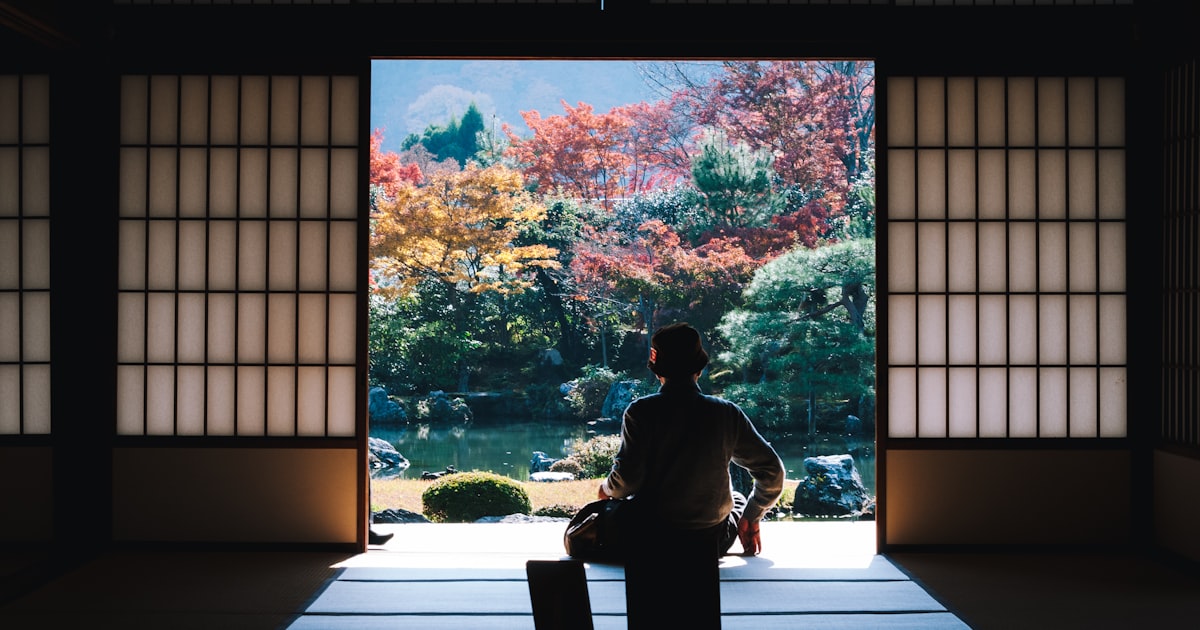 Best Time to Visit Japan: Cherry Blossoms, Autumn, or Cheap Season?
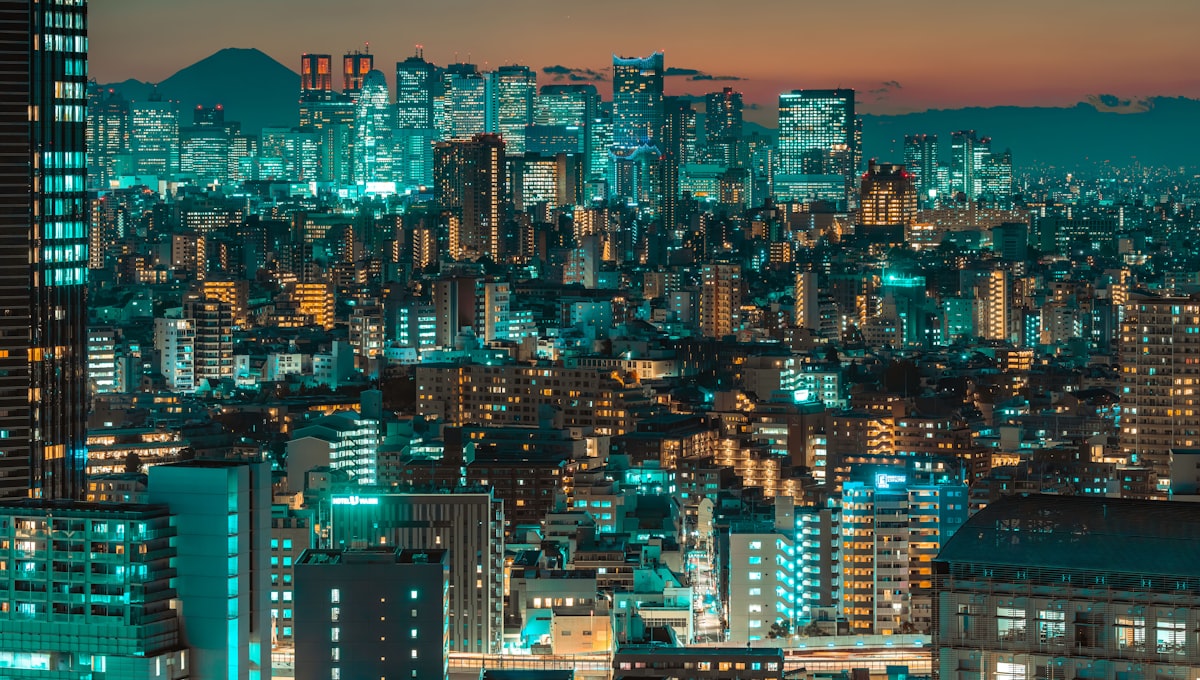 When Are Flights to Tokyo Cheapest? Month-by-Month Breakdown (2026)
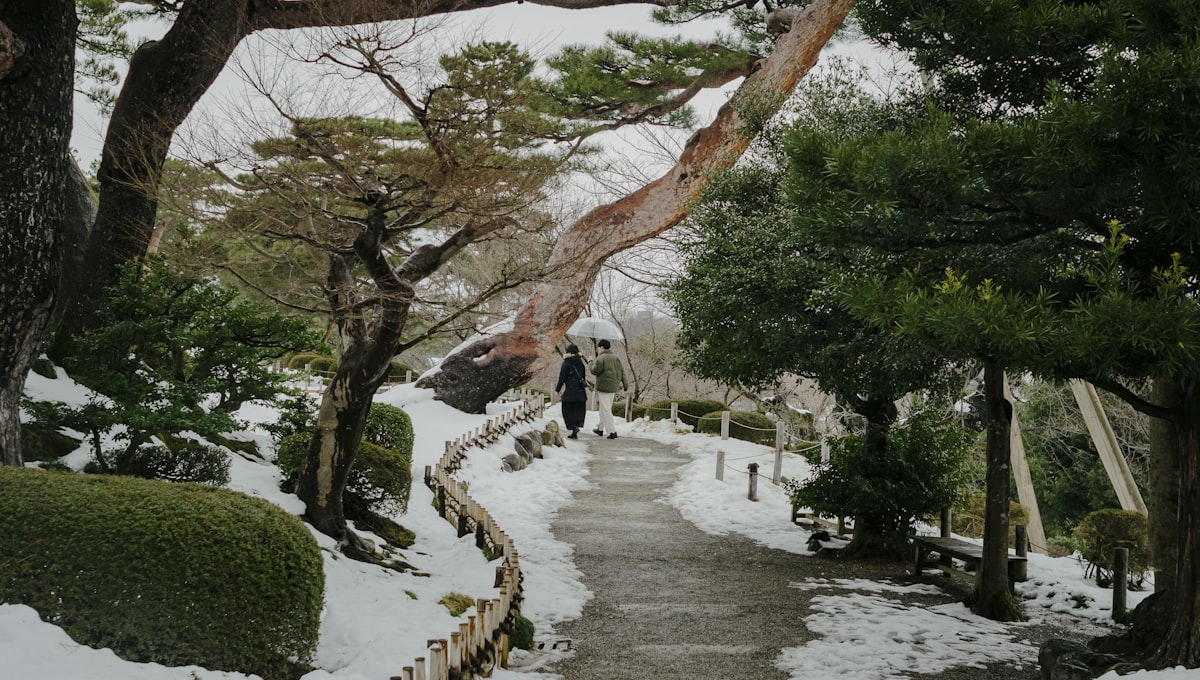 Hidden Gems in Japan: 6 Places Beyond Tokyo and Kyoto