
Best Time to Visit Japan: Cherry Blossoms, Autumn, or Cheap Season?
April 30, 2026
Japan rewards timing more than almost any destination in the world. The difference between arriving during peak cherry blossom season and a week earlier can mean double the hotel prices, triple the crowds, and flights that cost 40% more than they would in January. Understanding Japan's seasonal rhythm — not just the headline seasons but the regional differences between Tokyo, Kyoto, and Osaka — is the foundation of planning a trip that's both memorable and reasonably priced.
Cherry Blossom Season: Late March to Mid April
The sakura front moves northward across Japan from late March through early May. The progression is remarkably precise: Kyushu and Shikoku see blossoms in mid-March, Tokyo peaks around late March to early April, Kyoto follows by a few days to a week, Osaka usually aligns closely with Kyoto, and Hokkaido doesn't see peak bloom until early to mid-May.
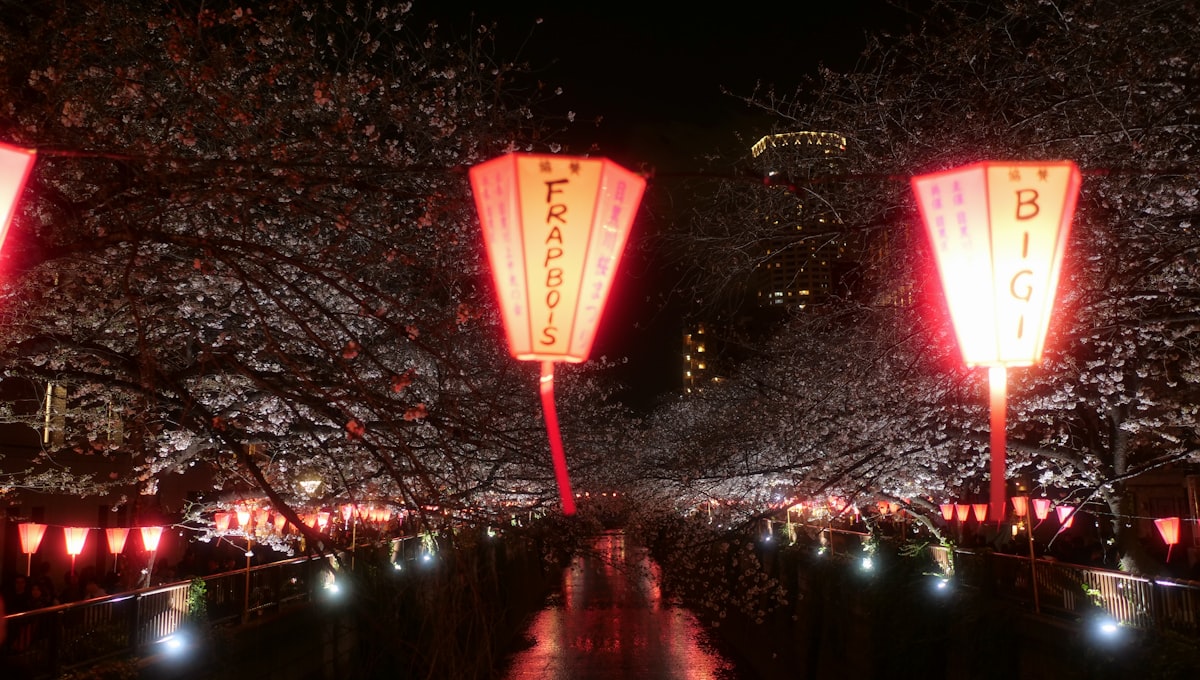
Tokyo's sakura centers are Ueno Park, Shinjuku Gyoen (¥500 entry, no alcohol allowed — quieter and more beautiful than Ueno), Chidorigafuchi moat, and the Meguro River walk. The latter is especially beautiful in the evening when the trees are lit along the canal banks. Expect crowds at all of these on weekends in late March and early April.
Kyoto's best blossom sites are Maruyama Park (free, chaotic, worth it for the weeping cherry at night), Philosopher's Path along the canal connecting Nanzen-ji and Ginkaku-ji, and Arashiyama along the Oi River. Kyoto's tourist infrastructure around sakura season is extremely strained — some streets in Gion and around Kiyomizudera become essentially impassable on weekends. Visiting on weekdays and arriving before 8am makes an enormous practical difference.
Osaka is slightly more relaxed than Kyoto for cherry blossoms. Osaka Castle Park has 600 trees and a large open space that absorbs crowds better than Kyoto's temple corridors. Sakuranomiya Park along the Okawa River is the local favorite.
Pricing during sakura season: Tokyo hotels that run ¥15,000–18,000 per night in January easily reach ¥30,000–45,000 in late March and early April. Flights from London to Tokyo during cherry blossom peak run £800–1,100 return; the same route in January or September costs £450–650. Book 4–6 months in advance if you want anything approaching a reasonable price.
Autumn Foliage: Mid October to Late November
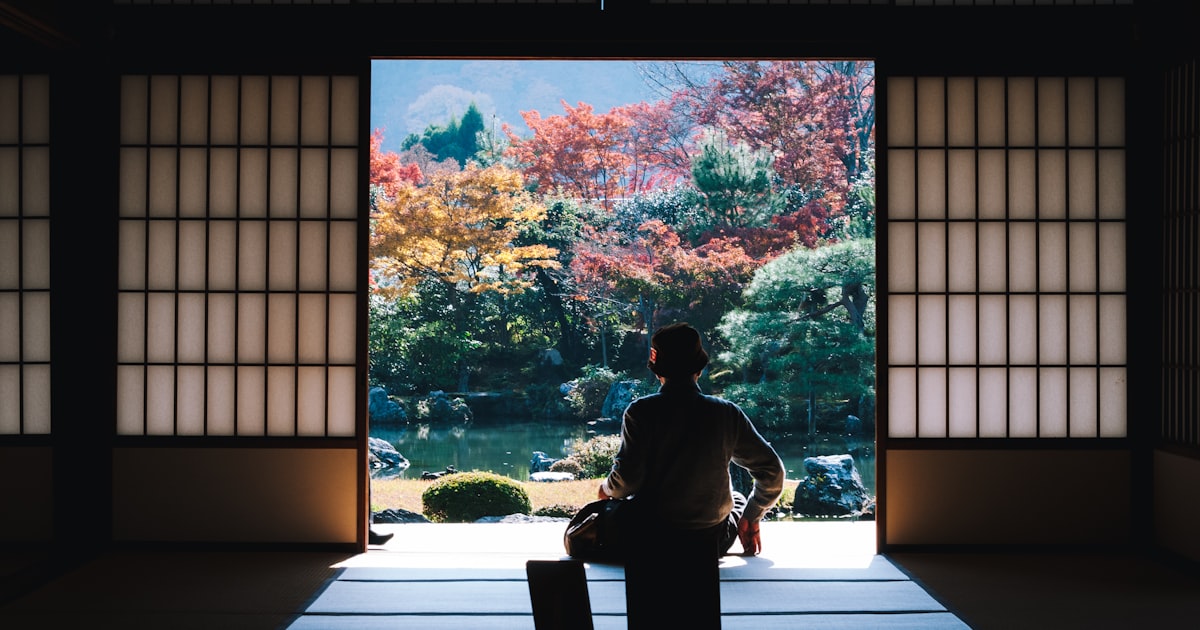
Koyo — autumn colors — rivals sakura for beauty and is slightly less internationally promoted, which means slightly smaller crowds even at equivalent visual spectacle. The color front moves southward: Hokkaido and the Japanese Alps see peak foliage in early October, Kyoto and Nara in mid-to-late November, Tokyo in early December.
Kyoto in November is the high point. Tofuku-ji in mid-November is one of the most visually dramatic landscapes in Japan — the Tsutenkyo bridge over a ravine of maples that turn deep red and orange. Go on a Tuesday or Wednesday morning. Eikan-do (Zenrin-ji) is another November landmark: the pond-and-maple garden at night during the illumination season is worth the ¥600 evening entry. Arashiyama in late November, with bamboo groves and foliage above Tenryu-ji, is extraordinary if you're there early.
Nara is worth a day trip from Kyoto or Osaka during autumn. The deer park and Todai-ji temple against autumn foliage backgrounds are as good as anything in Japan's tourist circuit, and Nara is significantly quieter than Kyoto.
Tokyo's autumn foliage is best in early December — Rikugien garden, Koishikawa Korakuen, and Shinjuku Gyoen all do illuminations. Nikko, two hours north of Tokyo by train, has some of the country's most dramatic autumn mountain foliage through October.
Pricing during autumn: Costs run 20–30% below sakura peak but above the winter low. A Kyoto mid-range hotel during mid-November runs ¥20,000–30,000 per night. Flights from Europe run £550–750 return in October, rising toward £700–900 for November Kyoto timing. Book 3–4 months out.
Summer: July and August
Japan in summer is hot, humid, and — once you accept this — genuinely exciting in a way the shoulder seasons aren't. Summer matsuri (festivals) run from late July through mid-August, culminating in the Obon holiday around August 13–16 when the entire country appears to be traveling simultaneously.
Specific festivals worth timing around: Gion Matsuri in Kyoto runs through July with the main float procession on July 17th — one of the largest and most spectacular festivals in Japan; Tanabata in Sendai (August 5–8) has enormous handmade streamers covering the shopping streets; Awa Odori in Tokushima (August 12–15) is Japan's biggest dance festival. Summer fireworks (hanabi) happen almost nightly somewhere in July and August — Tokyo Sumida fireworks, the Nagaoka Festival in Niigata, and the Tenjin Matsuri boat procession in Osaka are the most famous.
The trade-off: Tokyo in August regularly hits 36–38°C with 80%+ humidity. Kyoto is often worse — the city sits in a basin that traps heat. Practical advice: shift activities to early morning and evening, use convenience stores (7-Eleven, FamilyMart) aggressively for cold drinks and food, and don't underestimate how quickly dehydration hits when you're walking temple complexes in midday heat.
Pricing in summer: Mixed. Domestic travel is very expensive during Obon and the school holiday peak. International flights are moderately expensive — London to Tokyo runs £650–850 return in July and August. Hotels in popular areas fill fast for Obon. Outside the festival week, mid-August is actually somewhat lower demand than July for international travelers.
Winter: January and February
January and February are the cheapest months to fly to Tokyo months to visit Japan and carry serious underrated appeal. Tokyo in winter averages 5–10°C — cold but very manageable with a layer. The city is fully operational, crowds at popular sites are a fraction of spring or autumn, and everything is priced at the annual low. Hotels that run ¥30,000 in late March cost ¥12,000–16,000 in late January. Flights from London hover around £450–600 return.
The case for winter Japan: ski resorts in Hokkaido (Niseko, Rusutsu, Furano) deliver some of the world's best powder snow and remain significantly cheaper than Swiss or Austrian alternatives for comparable terrain. A week's ski trip to Niseko costs substantially less than a week in Verbier at equivalent accommodation level. JR trains connect Sapporo to Furano and Biei, where the winter landscape of snow-covered hills and farm tracks is quietly spectacular.
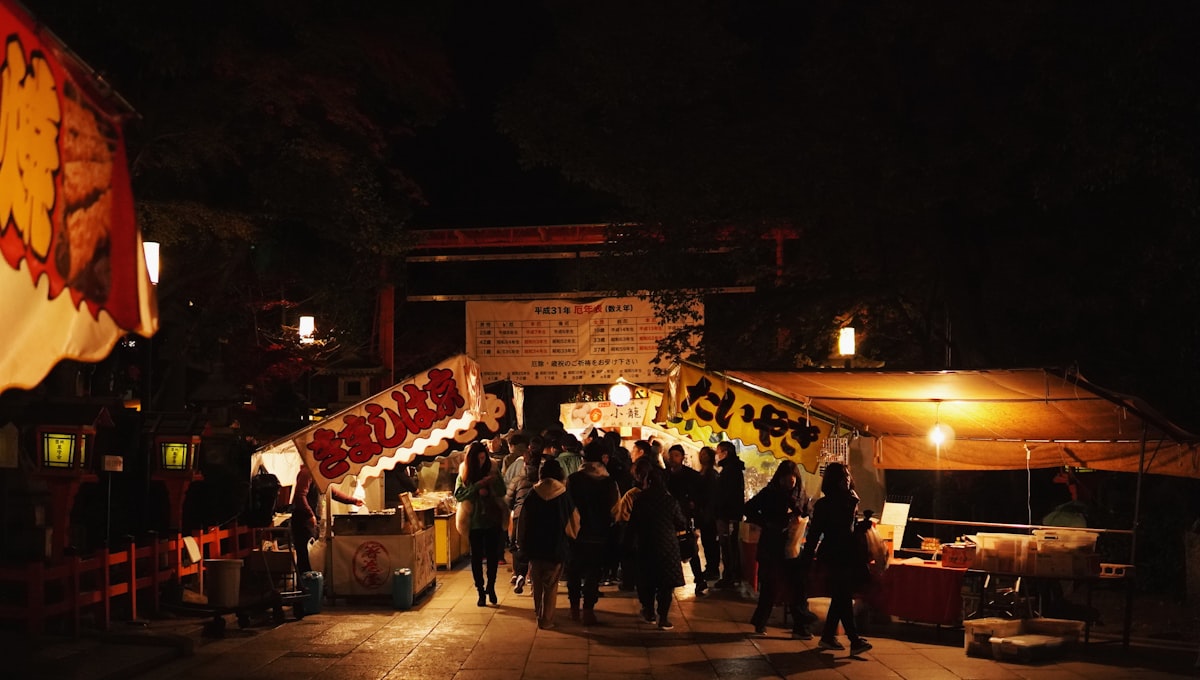
Tokyo in winter has its own rhythm: ice skating at the Meiji Shrine outer gardens, the illumination displays in Roppongi Hills and Marunouchi, the open-air winter markets in Hibiya. It's a functioning city in winter, not a hibernating one.
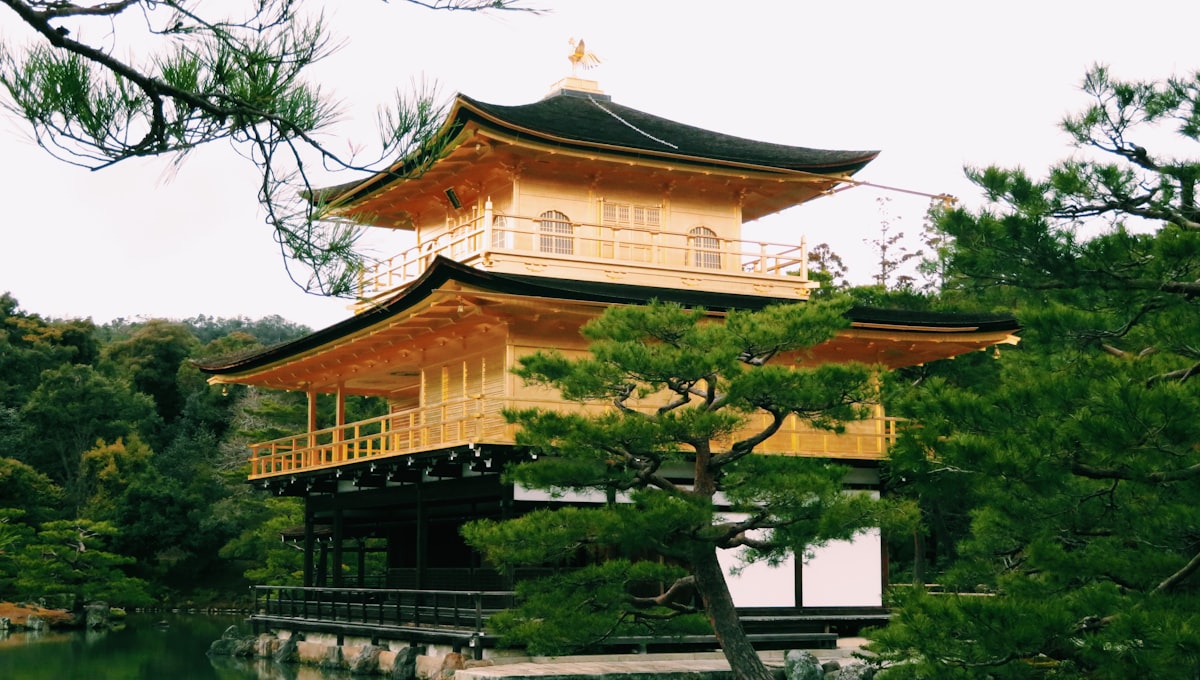
Kyoto in winter is less crowded and almost as beautiful: the temples under light snow are extraordinarily photogenic, and the absence of tour groups means you can actually spend time in front of Kinkaku-ji (the Golden Pavilion) without six hundred other people doing the same.
When to Book and How to Save
Regardless of which season you choose, the timing of your booking and the market you book through both matter significantly on Japan routes.
For cherry blossom (late March–April): book 5–6 months out, no later. January for March travel. August for November travel in autumn.
For budget optimization: the cheapest window is January to mid-February, and September is a second-best alternative — post-summer drop, pre-autumn peak. Shoulder periods in early June and late October–November are decent values with good weather.
Regional pricing on Japan flights is substantial. The same Tokyo flight searched through a Southeast Asian booking market — Singapore, Thailand, South Korea — regularly comes in £150–300 cheaper than the equivalent UK-market search. This holds regardless of which month you travel. RegionFare checks all 97 regional markets simultaneously, which for a long-haul route like London to Tokyo can mean the difference between the cheapest price being on Skyscanner UK versus Skyscanner Singapore versus a Korean or Israeli market version.
Regional Timing: Tokyo vs Kyoto vs Hokkaido
Japan rewards visitors who plan by region, not by season alone. The same calendar week can mean radically different conditions depending on where you are.
Tokyo is the most forgiving city in Japan for year-round visits. Its seasons are distinct but never extreme: comfortable winters, warm springs, hot and humid summers, pleasant autumns. The city's best travel windows align with national patterns — late March to early April for cherry blossoms, mid-November for autumn colour, and January through February for cheap flights and uncrowded museums. Tokyo's infrastructure is also the most tourist-ready: signage in English, an excellent subway, and accommodation in every price bracket.
Kyoto operates on a slightly different rhythm. Its basin geography means summers are hotter than Tokyo and winters are colder. The two peak seasons — cherry blossom (late March–early April) and autumn foliage (November) — are significantly more crowded in Kyoto than in Tokyo because the temple circuit is uniquely dense and the visitor numbers are proportionally higher relative to space. Visiting Kyoto outside these two windows is genuinely easier: January and February in Kyoto offer temple gardens with almost no crowds, and early June (before the rainy season crowds gather) is underrated.
Hokkaido runs 2–6 weeks behind Honshu for both cherry blossoms and autumn foliage. Sapporo's sakura peaks in late April to early May — useful for travellers who miss Tokyo's season but still want the spectacle. Hokkaido's winters are severe but world-class for skiing: Niseko, Rusutsu, and Furano receive some of the driest powder snow anywhere, and the ski season runs from December through April. Summer in Hokkaido (July–August) is dramatically cooler than Honshu — daytime temperatures of 22–25°C make it a genuine escape from the heat that makes Tokyo and Kyoto uncomfortable in July.
JR Pass Tips
The Japan Rail Pass (JR Pass) is the most debated purchase in Japan travel, and the decision hinges entirely on your itinerary.
The 7-day JR Pass (¥50,000/approximately £250 at current rates) covers all shinkansen (bullet train) services except the Nozomi and Mizuho express services on the Tokaido/Sanyo line. For a Tokyo–Kyoto–Hiroshima–Tokyo routing in 7 days, the math works in your favour: a single Tokyo–Kyoto shinkansen return costs ¥27,000, meaning you break even before adding any other journeys.
The pass stops making sense for travellers who base themselves in one city for most of their trip. A traveller spending 8 of 10 days in Tokyo and taking one Kyoto day-trip is better off buying point-to-point tickets. The JR Pass is most valuable for multi-city itineraries covering at least three widely spaced cities.
Buy the JR Pass before you leave home — the overseas purchase price has been lower than the domestic price until recently. Check current pricing; the differential has narrowed. Activate at any major JR station on arrival.
One JR Pass caveat: the pass does not cover the Nozomi express between Tokyo and Osaka, which is the fastest and most frequent shinkansen. You'll travel on the slightly slower Hikari or Sakura services, which add 10–20 minutes — a minor inconvenience on a 2.5-hour journey.

Accommodation Booking Windows
Japan's popular travel periods require booking accommodation earlier than most Western destinations. The accommodation market is tight not just at peak times but also at capacity-constrained destinations like Kyoto and smaller hot spring towns (onsen towns).
Cherry blossom (late March–early April): Book 5–6 months in advance. Kyoto is the most critical — the city's most popular areas run essentially at capacity during peak sakura. Tokyo has more supply and is slightly easier, but quality mid-range accommodation still fills fast.
Autumn foliage in Kyoto (mid-November): Book 3–4 months out. Less internationally crowded than cherry blossom but domestic Japanese tourism fills supply quickly.
Golden Week (late April–early May): This is Japan's busiest domestic travel week. Unless you have specific reasons to be there, plan around it. Accommodation in resort areas can cost 2–3x normal rates.
Off-peak (January–February, September): Book 4–6 weeks out, or even last-minute in January. This is the easiest period to find good accommodation at standard rates.
Onsen towns (Hakone, Kinosaki, Yufuin): These are almost always tighter than the cities regardless of season. Book Hakone accommodation 6–8 weeks ahead even in low season.
Budget by Season
Budget planning for Japan becomes straightforward once you separate fixed costs (flights) from variable costs (accommodation, food).
Flight costs vary by 50–60% between the cheapest and most expensive season. Food and transport in Japan are largely price-stable: a bowl of excellent ramen costs ¥900–1,200 in January and the same in April; the Tokyo metro is the same price year-round. The seasonal budget difference is almost entirely flights and accommodation.
A practical framework: mid-range 10-day Japan trip from London, including flights and accommodation, runs approximately:
January–February: £1,600–2,000 per person. September: £1,900–2,400 per person. November (autumn): £2,100–2,700 per person. Late March–April (cherry blossom): £2,600–3,400 per person.
These ranges assume mid-range hotels (¥15,000–25,000 per night) and don't include activities, food, or JR Pass. Food in Japan is excellent value at every price point — ¥3,000 per day is sufficient for three solid meals if you eat at izakayas and convenience stores.
 When Are Flights to Tokyo Cheapest? Month-by-Month Breakdown (2026)