
Hidden Gems in Japan: 6 Places Beyond Tokyo and Kyoto
May 17, 2026
The cheapest flights to Tokyo–Kyoto–Osaka "Golden Route" is popular for good reason — it's excellent. But Japan's depth is in the places between: cities that don't appear in every itinerary, landscapes that require an extra train connection, towns that close their good restaurants at 9pm because locals eat early. These six destinations reward the detour.
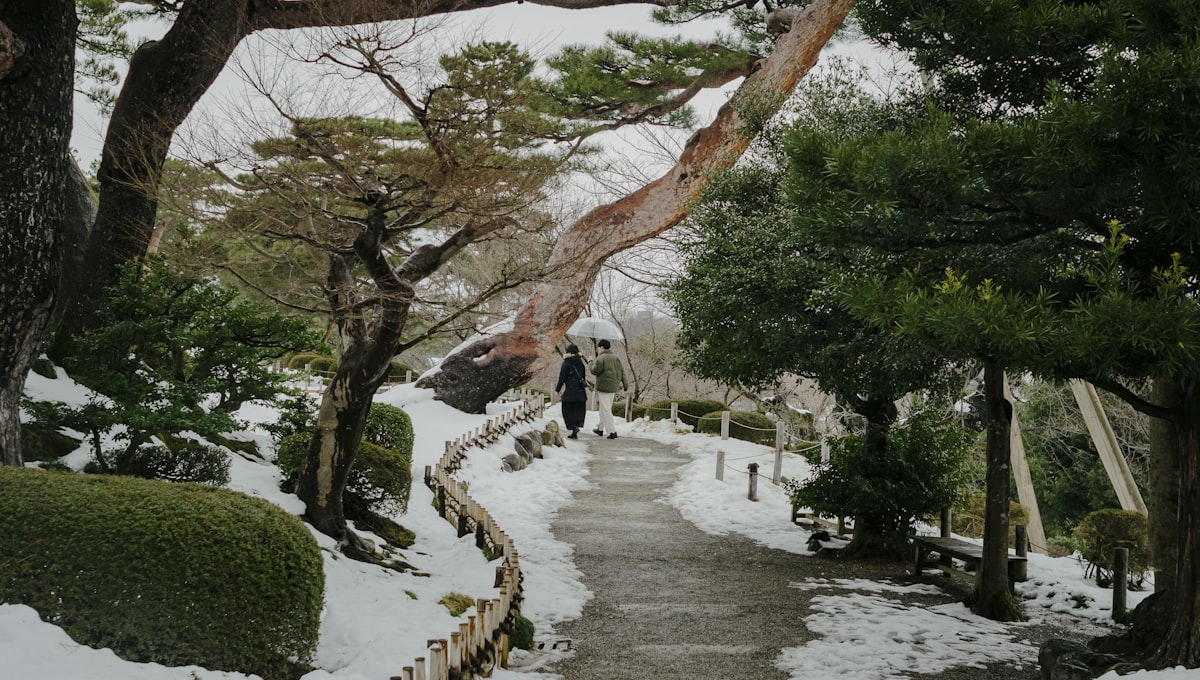
1. Kanazawa (KNZ) — The Kyoto That Wasn't Bombed
Kanazawa's nickname — "little Kyoto" — undersells it. The city's Higashi Chaya geisha district is smaller than Gion but almost entirely free of tour groups on weekday mornings. Kenroku-en, one of Japan's three great gardens, is best in late autumn when the yukitsuri rope structures are installed to protect the pine trees from snow — a practice dating back three centuries.
The D.T. Suzuki Museum (dedicated to the Buddhist philosopher who introduced Zen to the West) is architecturally and intellectually one of the finest small museums in Japan. Two nights in Kanazawa is the right amount.
Getting there: Hokuriku Shinkansen from Tokyo in 2.5 hours, or from Kyoto/Osaka via the Thunderbird limited express through the mountains. A Japan Rail Pass covers this.
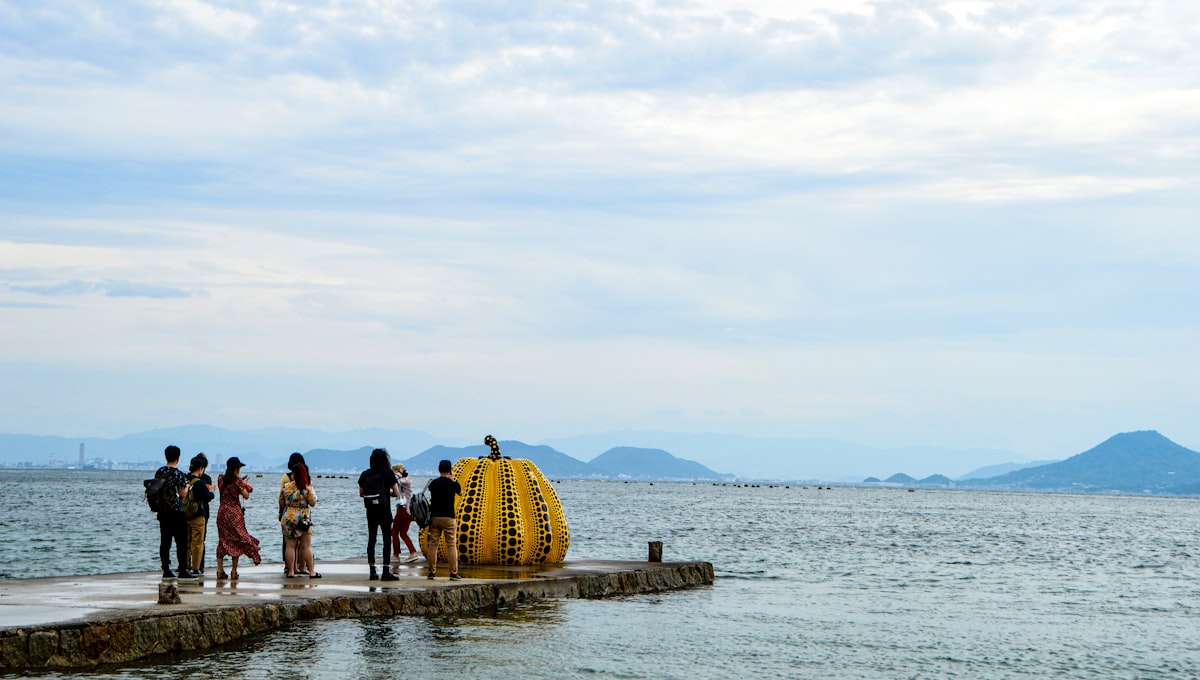
2. Naoshima — Art Island in the Seto Inland Sea
Naoshima is a small island in the Seto Inland Sea that has been transformed since the 1990s into one of the world's most thoughtfully designed contemporary art destinations. The Benesse House Museum (Tadao Ando architect) integrates contemporary art into the cliffside landscape. The Art House Project has converted derelict homes in the old fishing village of Honmura into site-specific art installations — James Turrell, Lee Ufan, and others — that you book and enter in groups of three.
The island is small enough to cycle in an afternoon. Stay overnight to experience it after the day-trippers leave from Takamatsu. Ferry from Takamatsu takes 50 minutes; from Uno (near Okayama) about 20 minutes.
3. Matsumoto — Alps Castle Town
Matsumoto's black-and-white castle (Matsumoto-jo) is one of Japan's twelve surviving original castles and arguably the most beautiful in the country — the contrast of black lacquered wood against snow or the surrounding mountains is genuinely dramatic. The city sits at the foot of the Northern Japan Alps and is a starting point for the Kamikochi alpine valley (open May–November).
Matsumoto is also known for its traditional craft culture: lacquerware, frog motifs (the city's mascot), and an unexpectedly strong jazz scene — the Jazz Street Festival in November is worth planning around.
Getting there: 2.5 hours from Shinjuku (Tokyo) on the Azusa Limited Express, or from Nagoya in 1.5 hours.
4. Takayama — Preserved Edo Merchant Town
The Sanmachi Suji district in central Takayama is the best-preserved Edo-period merchant quarter in Japan outside of protected open-air museums. The sake breweries (look for the cedar ball, sugidama, hung above the entrance), miso shops, and traditional guesthouses are all operating businesses, not museum pieces.
The Hida Folk Village on the edge of town gathers thatched-farmhouse architecture from the surrounding mountain valleys that would otherwise be inaccessible in winter. Takayama's twice-annual festivals (Sanno Matsuri in April, Hachiman Matsuri in October) involve some of the most elaborate portable shrine floats in Japan.
5. Yakushima — Subtropical Ancient Forest
Yakushima is a small island south of Kyushu, most of which is UNESCO-listed primary forest and national park. The Yakusugi ancient cedars — some estimated at 3,000–7,200 years old — are the centrepiece, but the island also has subtropical beach on its coast and 1,935-metre mountain peaks that receive more snow than almost anywhere else in Japan.
Access is via ferry from Kagoshima (2–4 hours depending on the type of vessel) or by air on ANA/Japan Air Commuter from Kagoshima Airport. A minimum of 2 nights is needed; 3 is better if you want to do the full Jomon Sugi trekking day (10 hours return, significant). Best seasons: April–June for clear weather, September–October for the autumn colours at altitude.
6. Aomori and the Tsugaru Peninsula
Aomori (AOJ) is in Japan's deep north — a region where the winters are severe, the dialect is impenetrable, and the seafood is extraordinary. The Tsugaru Strait that separates Honshu from Hokkaido has some of Japan's strongest scallop, sea urchin, and tuna fishing grounds, and local izakayas in Aomori city make use of all of it.
Nebuta Matsuri (first week of August) is one of Japan's most spectacular festivals: enormous illuminated float sculptures depicting mythological figures, 3–5 metres tall, carried through the streets at night accompanied by percussion and flute. Seikan Tunnel and the Shinkansen link Aomori to Tokyo in about 3.5 hours.
Logistics Notes
A 14-day or 21-day JR Pass remains worthwhile if combining three or more of these destinations. The Hokuriku Shinkansen extension to Tsuruga (opened 2024) now makes Kanazawa–Kyoto connections seamless without changing trains. For Naoshima, the Shikoku loop (Takamatsu–Naoshima–Matsuyama–Kochi) is one of the great underrated itineraries in Japanese travel.
Flying into Japan: Tokyo Narita (NRT) or Haneda (HND) offer the widest options from Europe and North America, but Osaka Kansai (KIX) or Fukuoka (FUK) can be cheaper entry points and better positioned for Hiroshima, Naoshima, or Kyushu destinations.
7. Hiroshima and Miyajima — History and Sacred Island
Hiroshima (HIJ) is a city that has fully rebuilt itself and demands to be visited with open eyes. The Peace Memorial Museum is one of the most important small museums in the world — allow at least two hours, and don't skip the personal testimonies wing. The Hiroshima Peace Memorial (Genbaku Dome), the only structure left standing near the hypocentre, is a UNESCO World Heritage Site and far more affecting in person than any photograph suggests.
Fifteen minutes by ferry from Hiroshima lies Miyajima island, home to Itsukushima Shrine, whose floating torii gate is one of Japan's three canonical views (along with Amanohashidate and Matsushima). Stay overnight on the island to experience the shrine after the last boat-trippers leave — the atmosphere in early morning and late evening is entirely different from the midday crowds. Miyajima's sika deer are semi-wild and will investigate any bag or food wrapper with cheerful determination.
Getting there: Hiroshima is on the Tokaido-Sanyo Shinkansen from Tokyo (4 hours), Kyoto (1.5 hours), and Osaka (1 hour). It is well-served by Narita and Kansai airports via bullet train connections.
8. Beppu and Oita — Hot Springs Capital
Beppu, on the eastern coast of Kyushu, has more hot spring (onsen) volume than any city in Japan — around 100 million litres of geothermal water daily across eight distinct thermal zones (the "Hells of Beppu," or Beppu Jigoku). The spectacle of steam rising from the city streets is genuinely surreal. The Hells themselves — cobalt-blue pools, blood-red iron springs, mud-boiling craters — are tourist attractions, but the dozens of public bathhouses (sento) scattered through the neighbourhoods are where locals actually bathe, and entry costs ¥100–300 ($0.70–2).
Nearby Yufuin is a more refined onsen resort town in a mountain valley, with boutique guesthouses and a quieter pace than Beppu. The combination of one night in Yufuin and one night in Beppu gives a good contrast.
Getting there: Fukuoka (FUK) is the nearest major airport — 1.5 hours by highway bus or limited express train.

Is the JR Pass Worth It?
The Japan Rail Pass question is genuinely complicated and the correct answer depends entirely on your itinerary. As of October 2023, JR Pass prices increased substantially (roughly 70%), which changed the maths significantly.
The JR Pass makes sense if you are travelling long distances between multiple cities covered by Shinkansen. A Tokyo–Hiroshima–Kyoto–Osaka–Kanazawa–Tokyo loop in 14 days, for example, involves enough Shinkansen travel that the 14-day pass (currently around ¥50,000 / £270) will pay for itself. Add Yakushima (ferry and bus) or Aomori (Tohoku Shinkansen) and the value improves further.
The JR Pass may not make sense if your itinerary is concentrated in one region, or if you are spending most of your time in Tokyo and making only one or two long-distance trips. A single Tokyo–Kyoto–Osaka visit, for example, can be done cheaply by booking Shinkansen tickets in advance through discount platforms (Eki-net, Smartex, or IC card early bird discounts) at prices that total less than the full pass.
A practical approach: before buying a JR Pass, add up your planned Shinkansen journeys using Japan Railways' fare calculator (jreast.co.jp) and compare the total against the pass price. If the pass costs more than your planned journeys, don't buy it. Suica IC cards (loaded at any JR station) cover local transit everywhere and are the standard for non-Shinkansen travel.
For the destinations in this guide, a 21-day JR Pass makes strong sense if combining Kanazawa, Matsumoto, Takayama, Aomori, and Hiroshima in a single trip. For Naoshima and Yakushima specifically, the JR Pass helps with the trunk routes but the final ferry legs require separate payment.
Seasonal Timing Per Destination
Japan's seasonal calendar has a direct bearing on which destinations are best at which time of year.
Spring (late March–April): Cherry blossom season. Kanazawa, Matsumoto, and Hiroshima all have excellent sakura, and the crowds are more manageable than in Tokyo and Kyoto. Yakushima's rhododendrons bloom at altitude in April–May. Book accommodation 3–6 months ahead for this window nationwide.
Summer (June–August): Aomori's Nebuta Matsuri (first week of August) is the unmissable summer event in this list — plan around it if you're visiting the north. Yakushima's hiking season peaks June–September but the island receives significant rainfall year-round. Naoshima is busiest in July–August (Tokyo families and school groups); visit on a weekday to avoid the worst crowds.
Autumn (September–November): The best season for most destinations in this guide. Kanazawa's yukitsuri rope installations go up in November. Takayama's Hachiman Matsuri is in October. Yakushima's mountain colours peak in October–November. Hiroshima's Peace Memorial is less crowded than spring or summer.
Winter (December–February): Kanazawa under snow (December–February) is arguably its best season — the garden in snow, the Higashi Chaya quiet, the seafood markets. Matsumoto for the castle against snow is dramatic. Beppu/Oita hot springs are obviously ideal in winter. Naoshima operates year-round but some indoor installations are closed Monday (check in advance).
Budget Tips for Japan Beyond the Main Cities
Japan has a reputation for expense that is partially deserved and partially overstated. Tokyo and Kyoto hotel prices are genuinely high in peak season. The places in this guide are substantially cheaper.
Guesthouses and minshuku (family-run B&Bs) in Takayama, Kanazawa, and Aomori run ¥6,000–¥12,000 per person including dinner and breakfast — roughly £30–£60 per person all-in. This is exceptional value by European standards. Ryokan (traditional inn with full kaiseki dinner service) in these cities cost ¥15,000–¥25,000 per person — expensive, but the multi-course dinner alone is worth much of that.
Food outside Tokyo is cheaper across the board. A bowl of Aomori's local ramen or Kanazawa's kani (crab) rice bowl will cost ¥800–¥1,200 ($5–8) at a standard local restaurant. Convenience store meals (onigiri, sandwiches, pre-made bento) remain one of Japan's genuinely great budget eating options at ¥300–¥600 per item.
Getting from Tokyo to most destinations on this list without a JR Pass: highway buses (Willer Express, Japan Bus Online) are a fraction of the Shinkansen price and run overnight — saving a night's accommodation cost. Tokyo to Kanazawa overnight is around ¥4,500 ($30) versus ¥14,120 ($95) for the Shinkansen.
 Hidden Gems in South Korea: 6 Places Beyond Seoul
 Hidden Gems in Vietnam: 7 Places Beyond Hanoi and Saigon
 Backpacking Southeast Asia: Real Costs in 2026 by Country