
Greece Travel Cost Per Day: Complete Budget Breakdown (2026)
June 5, 2026
Greece is cheaper than most Western Europeans expect, and more expensive than many budget travelers hope. The honest answer to "how much does Greece cost per day" sits in a wide band — anywhere from $55 to $250+ — depending almost entirely on two variables: whether you're in Athens versus a Cyclades island, and what time of year you're traveling. Here's what things actually cost in 2026.
Athens: The Affordable Base
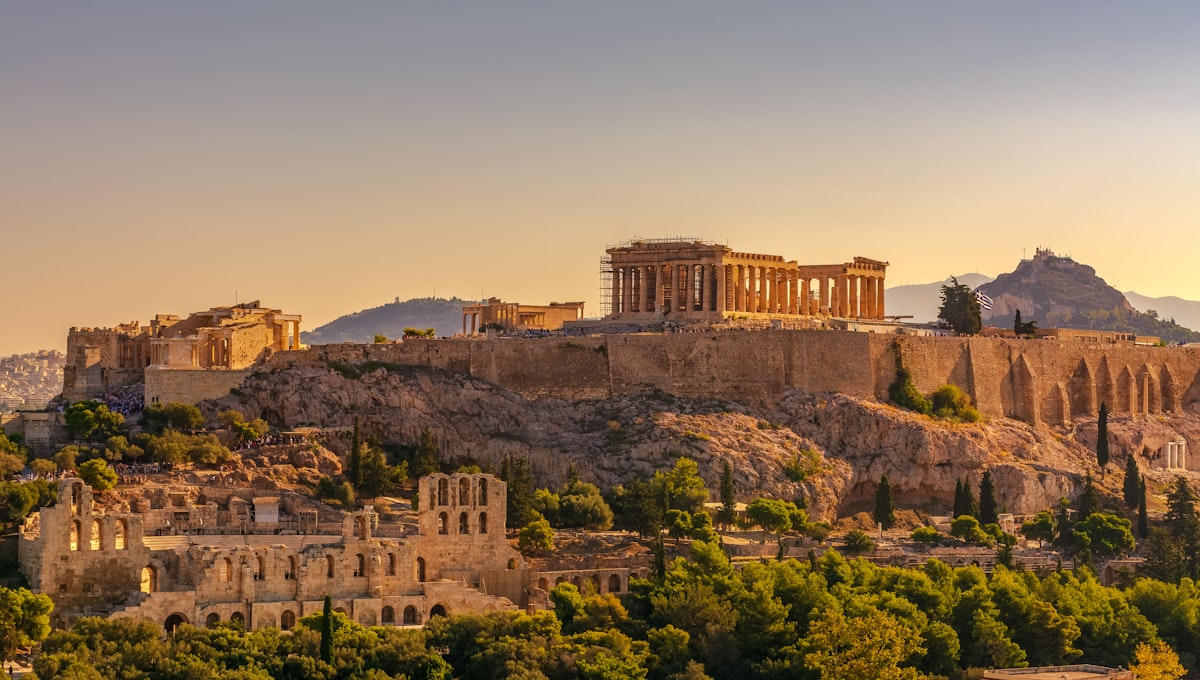
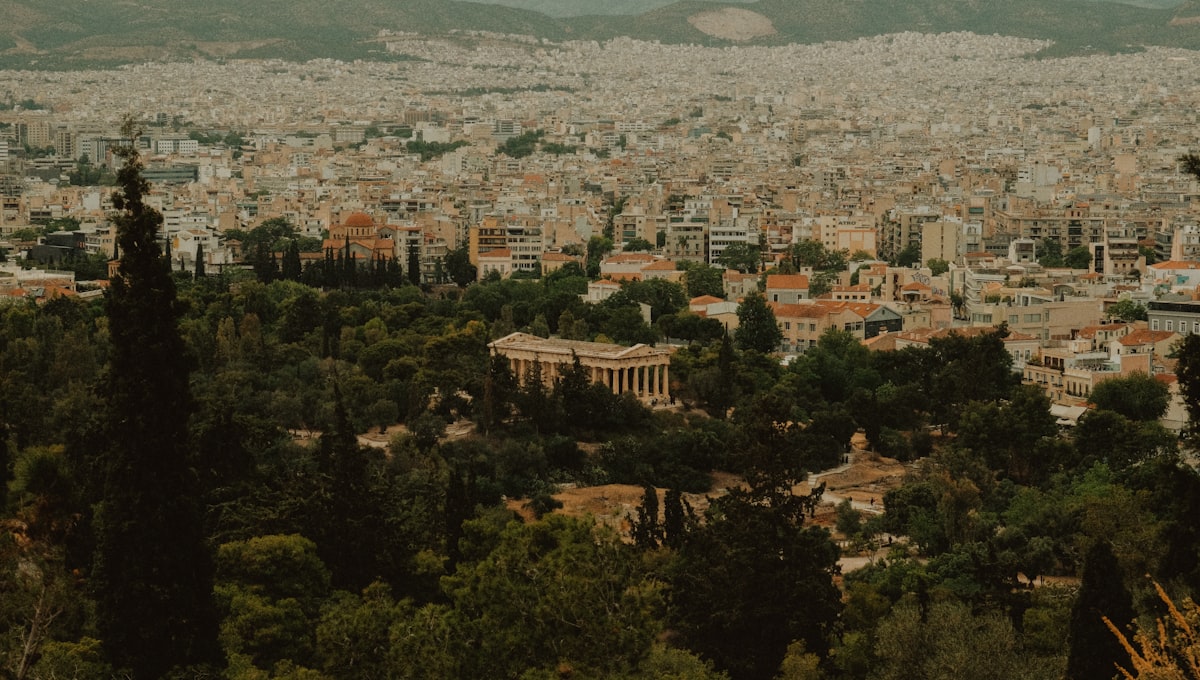
Athens (ATH) is the most budget-friendly part of any Greek trip. A private double room in a solid 3-star hotel in Monastiraki or Psyrri runs €70–100 per night. Hostels in the same neighborhoods charge €20–35 for a dorm bed or €55–70 for a private room. An Airbnb apartment in Koukaki, the local neighborhood just south of the Acropolis, runs €60–80 for a one-bedroom.
Food in Athens operates on two tracks. Street food and taverna lunch runs €8–14 per person: a souvlaki wrap at Kostas on Plateia Agias Irinis costs €3.50; a full lunch at a neighborhood taverna in Exarcheia — lamb kleftiko, horiatiki salad, half-liter of house wine — runs €18–22 for two. Sit-down dinner at a mid-range restaurant in Monastiraki runs €15–22 per person with a glass of wine. Fine dining at Hytra or Spondi (both Michelin-starred) means €90–120 per person.
Transport in Athens is cheap. The metro (M1, M2, M3) runs from the airport to Syntagma for €9. A 24-hour unlimited transit pass (metro, bus, tram) costs €4.10. Taxis from Syntagma to Piraeus port run €15–20.
Admission: the Acropolis combined ticket (Acropolis, Agora, Kerameikos, and four other sites) costs €30 and is valid for five days. The Acropolis Museum is €15. If you're staying several days and hitting multiple museums, the combined ticket pays off quickly.
An Honest Athens Daily Budget
Budget traveler (hostel, street food, one paid attraction): $55–70/day Mid-range (3-star hotel, taverna meals, two attractions): $110–150/day Comfort (boutique hotel, restaurant dinners, private tours): $200–280/day
Santorini: The Premium Island
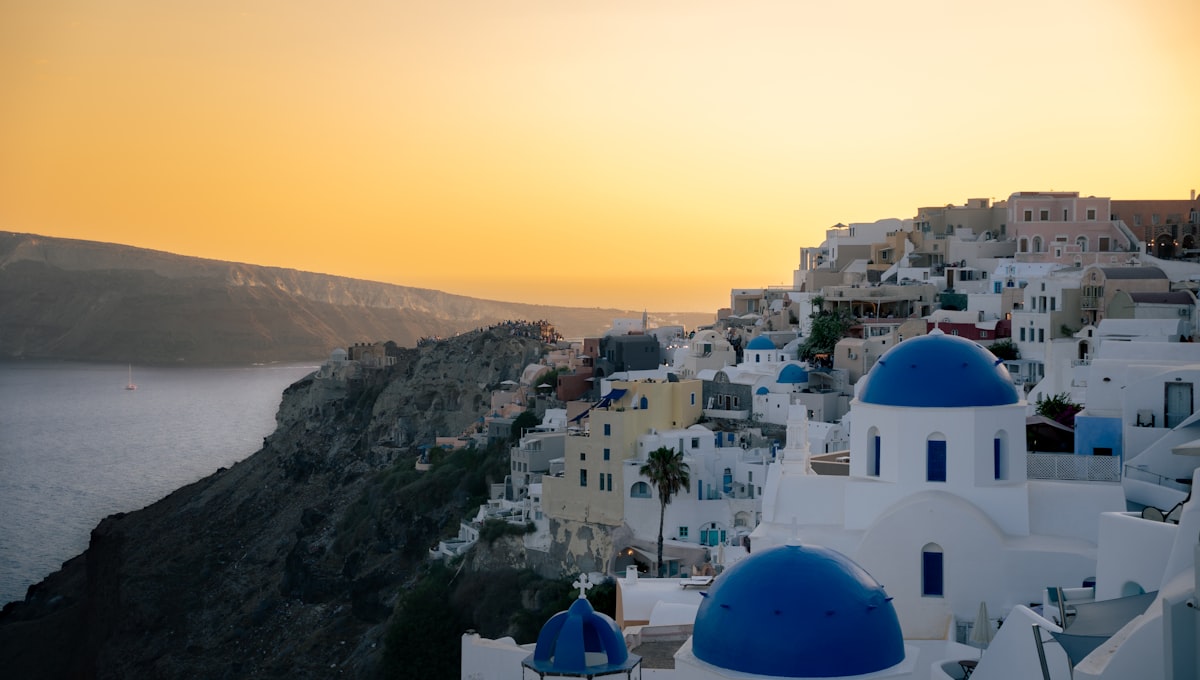
Santorini (JTR) operates in a different cost universe, especially in July and August. A caldera-view room in Oia during peak season costs €350–900 per night — those iconic infinity-pool-over-the-caldera shots come with a price. The same room in May runs €140–280; in October, €120–200.
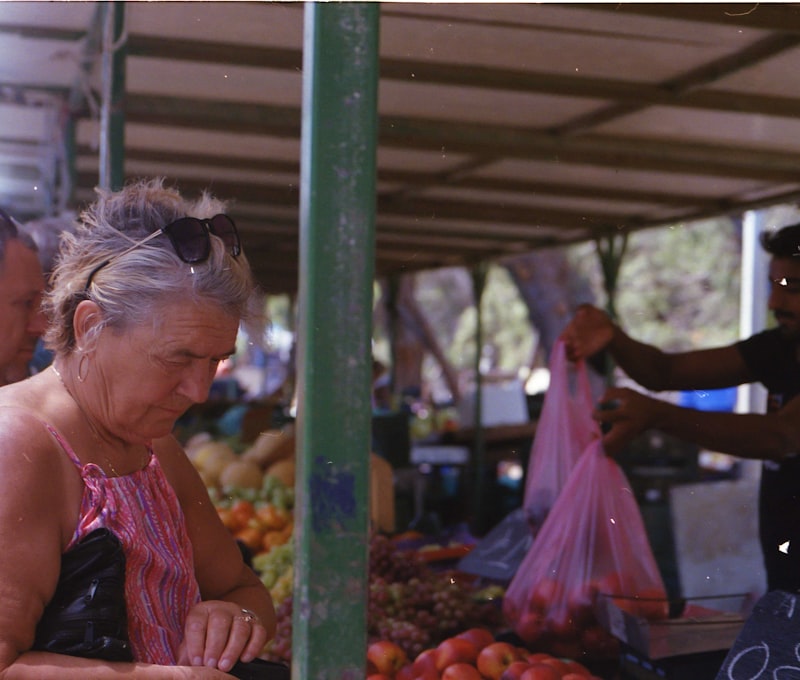
Food on Santorini is significantly more expensive than Athens. A taverna main course runs €18–28. A glass of local Assyrtiko white wine costs €7–12. Dinner for two at a mid-range restaurant with caldera views will run €90–130. The grocery store in Fira is the budget traveler's friend — excellent local cheeses, tomatoes, and bread for self-catering.
The key Santorini insight: it's primarily a hotel-and-views destination. Most visitors spend more on accommodation than anything else. If the iconic caldera hotel is the point of the trip, budget for it directly. If it's not, Naxos or Sifnos offer comparable Cycladic charm at 40–60% lower accommodation costs.
Budget for Santorini realistically runs $150–200/day minimum (budget hostel + taverna meals + ferry connection). Mid-range Santorini — a small hotel with caldera views, restaurant dinners — runs $280–400/day in May or October, and $400–600+ in July–August.
Crete: The Best Value Major Island
Heraklion (HER) and Chania (CHQ) offer the best value of the major Greek island destinations. A solid 3-star hotel with pool in the Chania old town area runs €70–120 in shoulder season; beach resorts along the northern coast run €60–90. In peak summer, add 30–50%.
Cretan food is a standout value: the island has its own culinary tradition, and a proper lunch of dakos (barley rusk with tomato and graviera cheese), grilled octopus, and two glasses of local raki will run €14–18 per person at a harbor-side taverna. The local olive oil, honey, and cheeses available at Chania's covered market are worth building meals around.
The Samaria Gorge entry (€5) and Knossos Palace (€15) are the headline paid attractions. Most of Crete's best beaches — Elafonisi, Balos, Falasarna — are free.
Islands Comparison: Daily Cost Benchmark
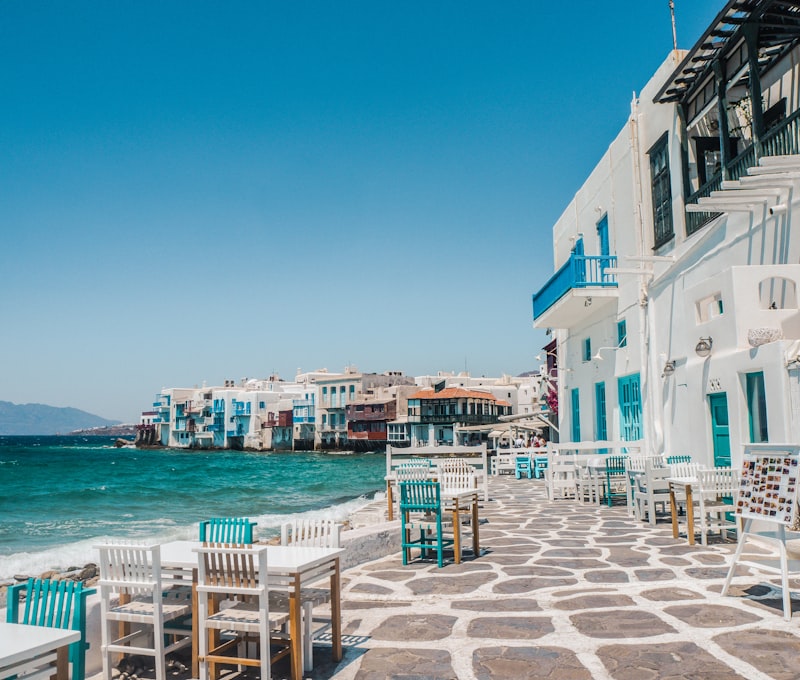
| Island | Budget/day | Mid-range/day | Peak summer premium | |--------|-----------|---------------|---------------------| | Athens | $55–70 | $110–150 | Low | | Crete | $65–85 | $130–160 | +20–30% | | Rhodes | $70–90 | $140–170 | +25–35% | | Mykonos | $120–150 | $220–320 | +50–80% | | Santorini | $150–200 | $280–400 | +60–100% |
These are real, achievable figures based on current 2026 market pricing. Santorini on a budget is hard but not impossible — the island has a few guesthouses in Imerovigli and Firostefani at €80–100/night that are a 15-minute walk from the Oia crowds.
How to Reduce Your Daily Greece Cost
Travel in May or October. A €320 caldera hotel room in August becomes €160 in May — the caldera view is identical. The 40-50% accommodation saving compounds across the whole trip.
Use ferries as budget transport. The overnight Piraeus–Heraklion ferry (Blue Star Ferries, €35–45 deck class) gets you to Crete without a hotel night. The daytime Piraeus–Naxos or Piraeus–Paros run costs €35–55 and doubles as a scenic afternoon.
Eat at lunch, not dinner. Greek tavernas serve the same food at lunch for 15–25% less than at dinner. The set lunch at most tavernas (starter, main, dessert, quarter-liter wine) runs €12–18 per person and is often better than the dinner equivalent.
Flights and Cross-Market Savings
Return airfares to Athens from London run £80–150 in shoulder season (May–June, September–October) on easyJet (U2), Ryanair (FR), or British Airways (BA). August fares on the same routes run £200–350. From New York (JFK), fares to Athens range $650–950 round-trip in shoulder season.
What many travelers miss: the same ticket can be booked through different national versions of the same booking platform at different prices. RegionFare searches all 97 regional markets simultaneously, and Greece routes regularly show €40–80 differences between UK, German, and Greek booking markets for identical itineraries.
Greece is exceptional value outside the peak July–August window. The combination of affordable mainland accommodation, excellent cheap food, and a ferry network that makes multi-island hopping accessible means a well-planned trip can stay well under $100/day while seeing some of the most famous landscapes in the world. The key variable is simply which island and which month — and that decision is worth making deliberately. The shoulder season travel guide has more detail on timing across Mediterranean destinations.
 Best Time to Visit Greece: Islands, Mainland, and Shoulder Season Secrets
 48 Hours in Athens: Ruins, Rooftops, and Souvlaki
 The Shoulder Season Advantage: How to Travel Better for Less