
Best Time to Visit Turkey: Istanbul, Cappadocia, and the Coast
June 9, 2026
Turkey is one of the most geographically and climatically diverse countries in the world, which makes the question of when to visit considerably more complex than it is for most destinations. Istanbul on a budget sits at the intersection of Europe and Asia with a temperate maritime climate influenced by both the Black Sea and the Marmara. Cappadocia, 750 km to the southeast on the Anatolian plateau at 1,000 metres elevation, experiences continental extremes — scorching summers and regularly snowy winters. The Aegean and Mediterranean coasts are semi-arid and warm, with the kind of summers that have made Bodrum, Fethiye, Antalya, and Kaş into some of Europe's most popular beach destinations. Understanding which region you're visiting determines when you should go far more than any generalisation about Turkey as a country.
Istanbul: April–May and September–October Are the Optimal Windows
Istanbul is a year-round destination and genuinely worth visiting in any month, but the tourist experience differs dramatically by season and the city's tolerance for large visitor volumes is finite. Summer (July–August) brings intense heat at 30–35°C, very high humidity from the Marmara Sea and Bosphorus, and the convergence of European and domestic Turkish tourism at its annual peak. The Grand Bazaar, Sultanahmet (the dense historic peninsula containing Hagia Sophia, the Blue Mosque, and Topkapi Palace), and the cruise ship docking areas at Karaköy are congested to the point of meaningfully reducing the experience. Queues for Hagia Sophia without a pre-booked timed entry ticket can exceed two hours in July. The Topkapi Treasury — one of the world's great collections of Ottoman imperial objects — requires queuing even with an advance ticket in August.
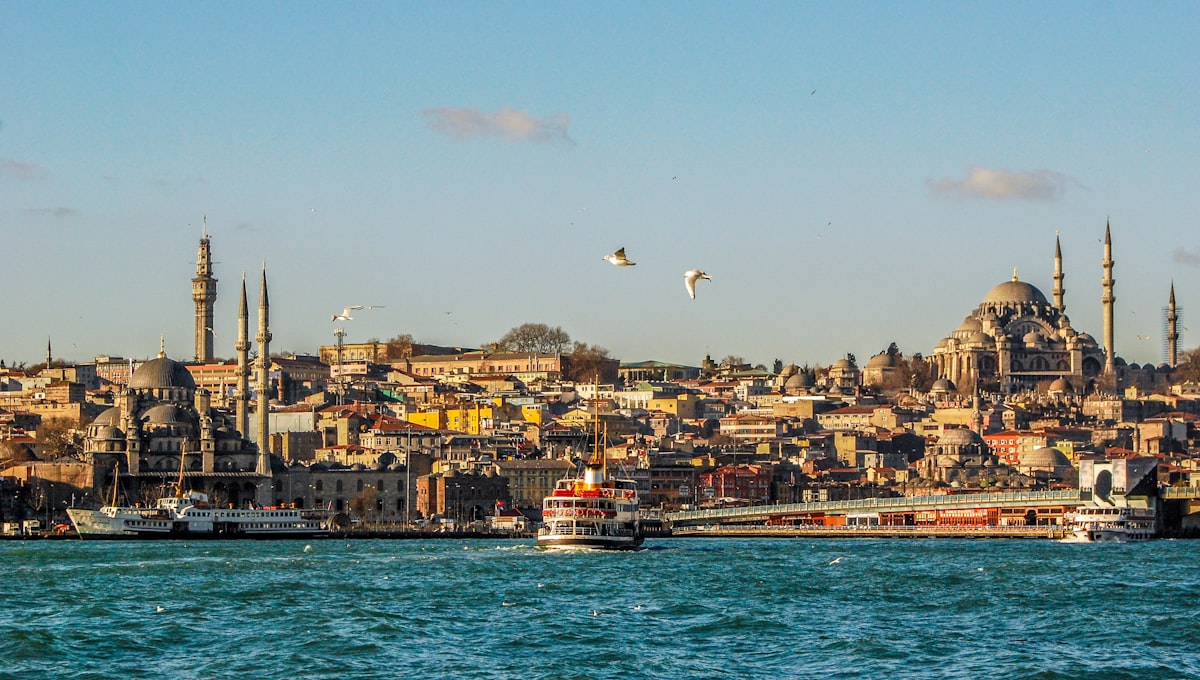
Spring (April–May) and autumn (September–October) are the consensus best periods for Istanbul and the consensus is correct. Temperatures hold at 16–24°C — warm enough for rooftop dinners, cool enough for walking through the covered Bazaars without sweating through your clothes. Tourist volumes are lower but the city is fully operational, all attractions and ferry services are running, and Istanbul's extraordinary light — the specific quality of Bosphorus light that made it a painters' city from the Orientalists onwards — is at its most flattering. Sunsets over the Bosphorus from a rooftop in Beyoğlu in October are genuinely beautiful.
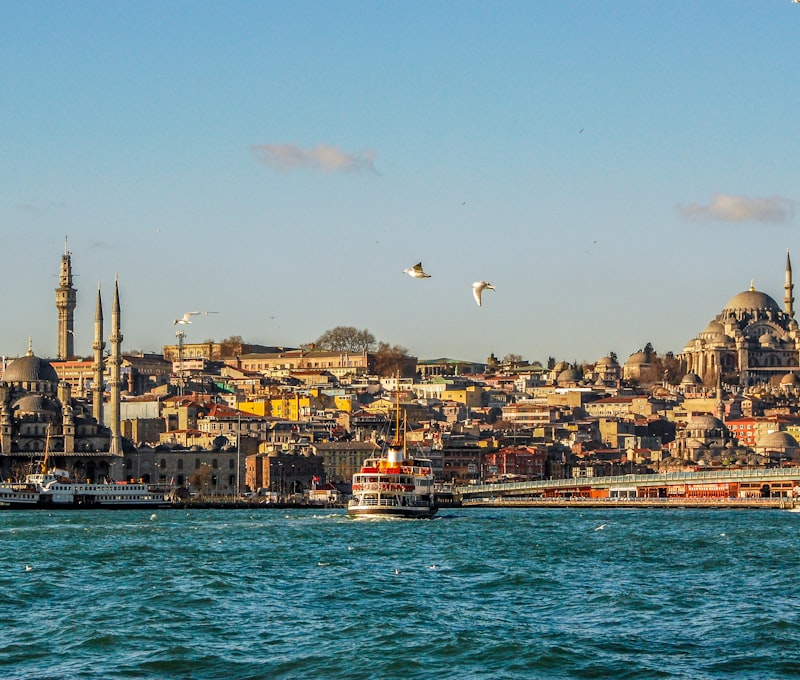
Winter (November–March) makes a case that more travellers should consider. Istanbul in winter is occasionally dramatic — the European and Asian hills under light snow, the Bosphorus grey-green under overcast skies, the historic peninsula looking its most ancient when it's quietest. Hotels in Sultanahmet and the Beyoğlu neighbourhood drop to their lowest prices of the year, often 40–50% below summer rates. The cultural institutions — the Istanbul Archaeology Museum, the Pera Museum with its Orientalist painting collection, the Istanbul Modern — are uncrowded and allow genuinely unhurried viewing. Expect rain, some fog over the strait, and temperatures of 5–10°C in January and February, but a city that's authentically itself rather than performing for peak-season tourism.
Istanbul Airport (IST) — the new airport that opened in 2019 to replace Atatürk — sits 35–45 km northwest of the city centre, further than any major European hub from its city centre. The metro connection from IST to Gayrettepe (connecting to the M2 metro line) is operational and takes approximately 40–45 minutes, then another 15–20 minutes into the historic centre. Total door-to-door transit time from Istanbul Airport to Sultanahmet is typically 60–80 minutes, which should be factored into early departures and late arrivals.
From London, Istanbul flights offer excellent value. Turkish Airlines prices LHR to IST at £200–£350 return depending on season, with the best prices in November through February. easyJet serves the route from London Gatwick at £100–£200 return. Pegasus (PC) flies from London Stansted to Sabiha Gökçen Airport (SAW) on the Asian side of Istanbul — headline fares of £80–£140 return make it the cheapest option, but SAW is 50 km from central Istanbul and the Havabus coach to Taksim takes 60–90 minutes depending on traffic. For first-time Istanbul visitors, using IST even at a slightly higher price is worth the reduced friction.
Cappadocia: May and September for Balloons and Moderate Conditions
Cappadocia — the surreal UNESCO-listed volcanic landscape centred on Göreme and Ürgüp, characterised by its fairy chimneys, underground cities, and cave-cut churches — is primarily visited for hot air balloon flights at dawn, its cave hotel accommodations carved into soft tufa rock, and the extraordinary valley landscapes. The weather here differs fundamentally from Istanbul or the coast.
Summer (June–August) at Cappadocia's altitude is hot and dry — temperatures reach 30–35°C by afternoon. Morning balloon flights operate in still air conditions and summer mornings are usually perfect for ballooning. However, the midday and afternoon heat significantly restricts hiking the Ihlara Valley, the Rose Valley, or the Pigeon Valley trails that are the best way to experience the landscape on foot. July and August are peak visitor months for Cappadocia; cave hotels in Göreme and Ürgüp charge annual-maximum rates and the famous boutique properties like Argos in Cappadocia or the Museum Hotel require booking 3–6 months in advance.
Winter (December–February) at Cappadocia's altitude occasionally brings significant snow, which transforms the landscape into one of the world's most photogenic winter scenes — the fairy chimneys capped in white, hot air balloons rising over a frozen valley at dawn in conditions that exist nowhere else on Earth. Balloon flights are unreliable in winter due to wind and freezing fog, but when they operate on a clear winter morning, the experience is remarkable. Cave hotel prices drop 40–50% from summer highs and most properties are operating with skeleton staff but offering substantial value for the reduced service.
May and September are the clear optimal windows. May offers mild temperatures (18–24°C), excellent balloon flight reliability — operators typically fly more than 90% of scheduled days in May — spring wildflowers on the Ihlara Valley trail, and moderate prices in the 10–20% below summer range. September mirrors these conditions after the August tourist peak thins: temperatures remain warm, balloon reliability is high, and accommodation prices soften toward their autumn levels. The light in September in Cappadocia — golden and long-angled in the late afternoon — is particularly photogenic for the valleys and rock formations.
Reaching Cappadocia from Istanbul is most efficiently done by domestic flight. Turkish Airlines and Pegasus both serve Kayseri (ASR) and Nevşehir (NAV) — the two airports serving the region — with flights of approximately 1.5 hours from IST or SAW. Fares on these routes cost ₺300–₺800 one way (€8–€22) depending on how far in advance you book. The airport transfer to Göreme town takes 45–75 minutes by shuttle depending on which airport you use — Nevşehir is closer but less frequently served. Shuttle services from both airports to Göreme cost approximately ₺150–₺250 per person.
The Aegean and Mediterranean Coast: June Is the Sweet Spot
The Turkish coast — from Bodrum and Marmaris in the Aegean to Antalya, Alanya, and Kaş on the Mediterranean — operates as a viable beach destination from May through October. The question is which month offers the best combination of weather quality, crowd levels, and price.
July and August are the hottest, most crowded, and most expensive months on the Turkish coast without exception. Sea temperatures peak at 28°C in the Mediterranean and 26°C in the Aegean. European package holiday demand combines with substantial domestic Turkish family holiday traffic — Turkish schools break in late June and return in mid-September — to fill resorts and push accommodation prices to their annual maximums. Charter flights from the UK to Antalya (AYT) and Dalaman (DLM) are at their most expensive in July and August.
June represents the sweet spot across all three variables. Temperatures of 27–30°C in the Mediterranean, sea temperatures already at 24–25°C (fully comfortable for swimming), far fewer crowds than July or August, and accommodation prices 20–30% below the August peak. June also sees the Lycian Way hiking route — the 540 km coastal trail between Fethiye and Antalya — at its most accessible before summer heat makes it genuinely dangerous for daytime hiking. The stretch between Fethiye and Kaş through the ancient Lycian ruins at Patara, Xanthos, and Letoon is extraordinary in June.
May on the southern Mediterranean coast (Antalya, Alanya, Side) works as beach season with sea temperatures of 21–23°C — acceptable if not ideal for extended swimming. The Aegean (Bodrum, Marmaris, Göcek) runs 1–2°C cooler in May and some beach club and water sports facilities haven't opened for the season. October on the Mediterranean coast remains genuinely good — sea temperatures hold at 24–25°C through October, crowds thin dramatically after mid-September, and accommodation prices drop 30–40% from peak while restaurants and infrastructure remain fully operational.
Cross-Market Pricing on Turkish Routes
Turkey is a particularly interesting case study in cross-market airfare pricing. Turkish Airlines prices certain European routes differently across its home Turkish market versus European booking channels — the TK yield management team calibrates fares for the Turkish domestic economy and the international markets separately, and the gap occasionally produces meaningful differences. Budget carriers like Pegasus price through Turkish-market Skyscanner at different rates than the UK or German markets show for the same flights.
The spreads aren't always large on Turkish routes — these are typically short-haul or medium-haul fares where the absolute difference is smaller than on long-haul. But on a route where the base fare is £120 return from London to Istanbul, finding the cheapest booking market might save £12–£20 per person. On a family booking for four, that's £48–£80 recovered from a brief comparison.
Tools like RegionFare are designed specifically for surfacing these cross-market differences — scanning the same route across multiple national booking markets simultaneously and returning the cheapest available option. For Turkish Airlines routes in particular, and for peak summer periods when airlines manage revenue most tightly across markets, this check is worth running before confirming a booking.
Building a Multi-Region Turkey Itinerary
A two-week Turkey trip that covers Istanbul, Cappadocia, and the coast is most coherent in May or September. Both months offer reasonable conditions across all three regions simultaneously — neither the coastal heat of July nor the cold of winter, neither peak crowds nor closed hotels. May adds wildflowers in Cappadocia and the Ihlara Valley, and a coast that's warm enough to swim but not yet crowded. September adds the post-August calm, warm autumn light in Istanbul, and sea temperatures that remain excellent for swimming while crowds have thinned to much more comfortable levels.
The logistics work well: fly into Istanbul IST, spend 3–4 days in the city, take a domestic flight to Cappadocia for 2–3 nights, fly or take the overnight bus to Antalya or Dalaman for the coast, and fly home from Antalya (AYT) or Dalaman (DLM) directly — most UK airports have direct charter connections to both in summer and shoulder season.
Avoid July and August unless a dedicated beach holiday on the Mediterranean coast is specifically the goal — in that case, the infrastructure exists to manage the heat and crowds and many travellers find it entirely acceptable. For any multi-region itinerary that includes the cultural weight of Istanbul and the landscape of Cappadocia alongside the coast, the shoulder months turn Turkey into one of Europe's most rewarding and genuinely affordable travel destinations.
 Best Time to Visit Egypt: Pyramids, Red Sea, and Nile Cruises Without the Heat