
Best Time to Visit Egypt: Pyramids, Red Sea, and Nile Cruises Without the Heat
May 25, 2026
Egypt is one of the oldest tourist destinations on Earth and also one of the most rewarding, but the country's extreme summer heat and the variation in conditions across its geography mean that when you visit matters enormously. The pyramids, the Nile, and the Red Sea each have their own ideal windows.
Understanding Egypt's Climate Zones
Egypt has three distinct climate zones that affect travel planning. cheapest flights to Cairo and Lower Egypt (the Nile Delta) are hot desert climate—virtually no rain, summer temperatures regularly exceeding 40°C, winter temperatures in the pleasantly cool 15–22°C range. Upper Egypt (Luxor, Aswan) is even hotter in summer—Aswan routinely records 45°C in July and August—with the same mild, rain-free winters. The Red Sea coast (Hurghada, Sharm el-Sheikh) has a marine-influenced desert climate: slightly less extreme than the inland desert but still very hot in summer, with sea temperatures making summer visits viable for beach travellers.
This geography means there is no single "best time" for Egypt as a whole; the answer depends on what you are doing.
The Nile Cruise: October Through April
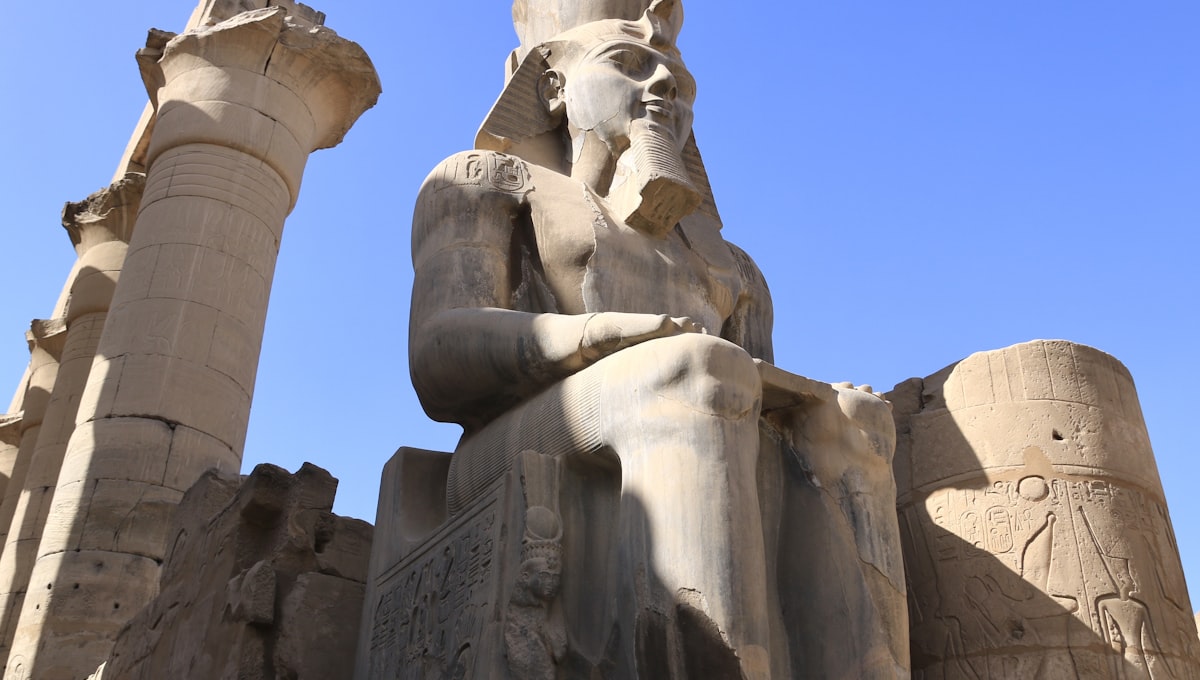
Nile cruises typically run from Luxor to Aswan or the reverse, with the route touching the temples at Karnak, Edfu, Kom Ombo, and Philae. The cruise itself is one of the greatest journeys in world travel—waking at dawn as the boat moves through palm-fringed banks, visiting temples before the tour groups arrive, watching the desert light shift through the day. All of this is vastly more pleasant in cool weather.
October through April is the established cruise season. March is particularly good: school groups are minimal (outside French and British half-terms), temperatures in Luxor reach a comfortable 28°C, and the Nile is at a favourable level after the inundation period. Nile cruise prices from Cairo vary enormously by operator; a mid-range 4-night cruise on a well-reviewed small ship runs approximately $350–$500 per person including meals and guided excursions. Budget operators go much lower, luxury operators much higher.
The summer months (June through September) are not impossible for Nile cruising, but 45°C heat in Aswan makes outdoor temple visits deeply uncomfortable, requiring 5am starts before the temperature becomes dangerous. Most experienced travellers avoid it; the operators who run in summer price significantly lower, which tells you something about demand.
The Pyramids: November Through March
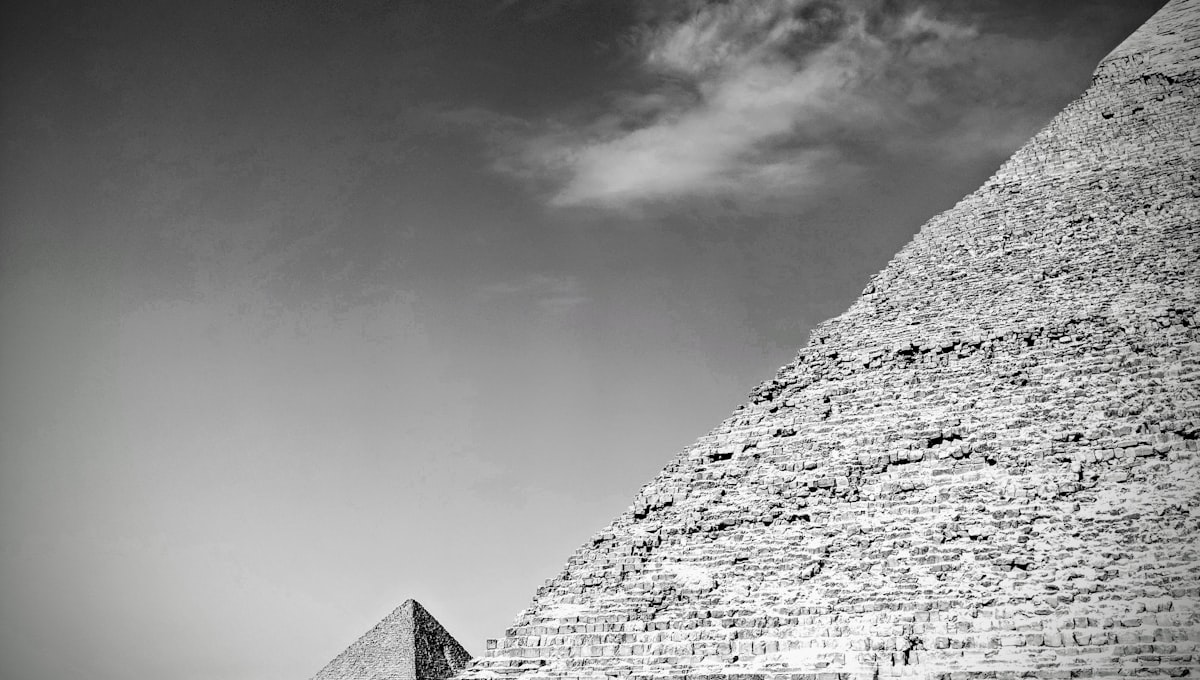
The Giza plateau—home to the three great pyramids, the Sphinx, and the Solar Boat Museum—is best visited in the cooler winter months. November through March offers temperatures of 18–25°C in Cairo, which is the ideal range for walking on the plateau and for the 30–45 minute internal passages within the Great Pyramid (if you opt for the internal ticket at approximately 400 EGP extra).
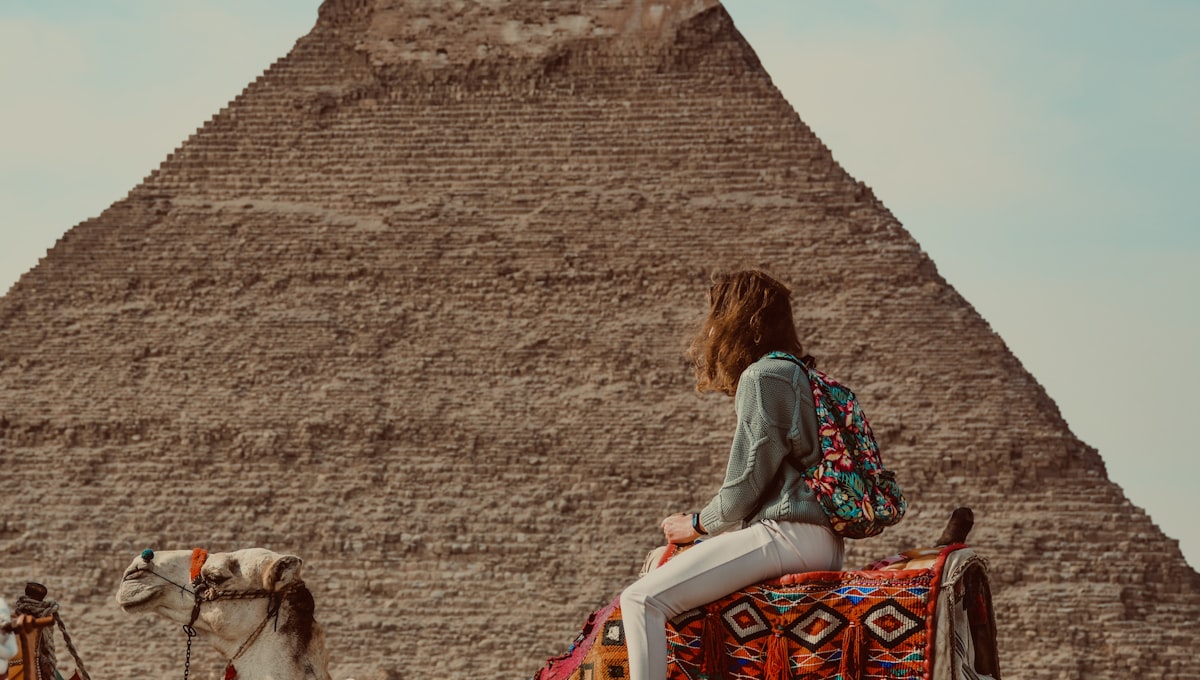
Sunrise and sunset visits to the Giza plateau are possible through several tour operators and are highly recommended. The limestone facades shift from grey to orange to deep amber in the horizontal light, and the plateau feels genuinely different at dawn before the day-trip buses arrive from Red Sea resorts. The standard camel touts and trinket sellers are also less active before 8am.
Avoid the pyramids during Eid al-Fitr and Eid al-Adha, the major Islamic holidays when domestic Egyptian tourism surges and the site becomes genuinely crowded. Dates vary by year as they follow the Islamic lunar calendar.
The Red Sea: Year-Round but Best in Spring and Autumn
Hurghada Airport (HRG) and Sharm el-Sheikh Airport (SSH) are among the busiest charter flight destinations from Europe. EasyJet (U2), TUI Airways (BY), and multiple other carriers operate from UK and German airports, with fares often starting at £150–£250 return from London in spring and autumn.
Summer (June–September) is paradoxically peak season for the Red Sea because European school holidays create demand that overrides the heat. Sea temperatures reach 30°C, which is warm for diving but fine for snorkelling. The main drawback is the 38–42°C air temperature, which limits comfort outside the water.
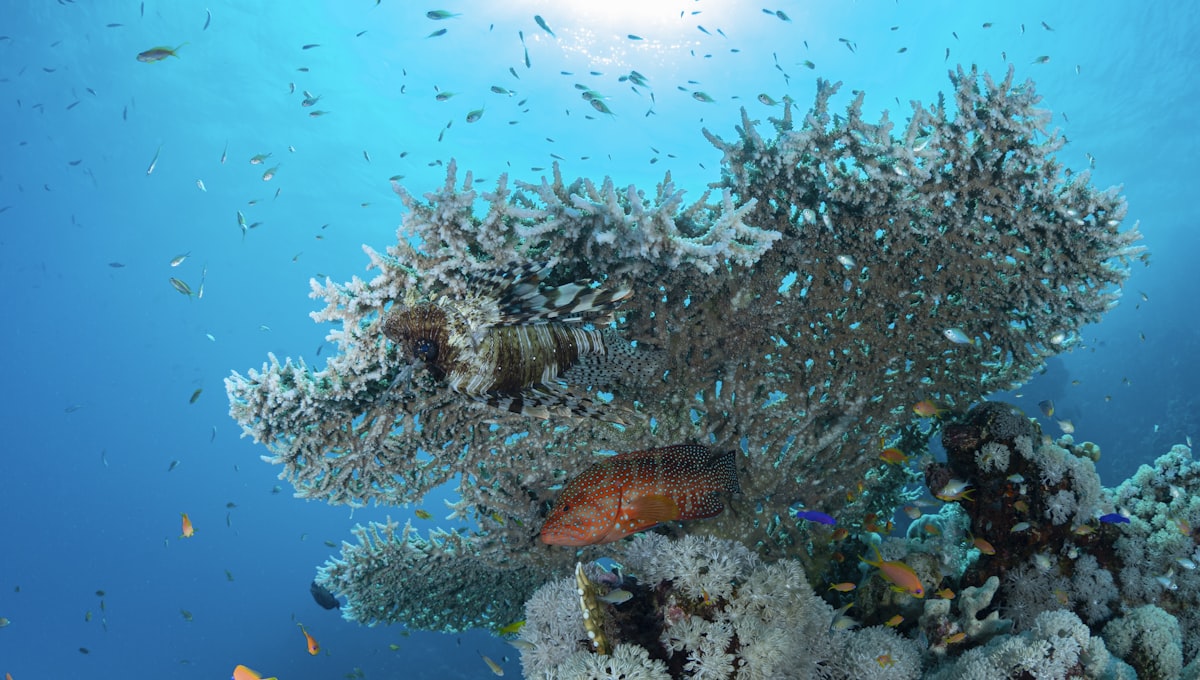
April–May and October–November are the strongest months for the Red Sea. Air temperatures reach a comfortable 28–32°C, sea temperatures are 24–28°C (excellent for diving and snorkelling), and hotels and dive centres are less crowded. The reef diving around the Strait of Tiran and the WWII wreck sites around the SS Thistlegorm (accessible from Hurghada or Sharm) are among the finest in the world—visibility exceeds 20 metres regularly in spring, and the fish density on the reefs is extraordinary.
Sharm el-Sheikh has more diving infrastructure and is closer to the best reef sites. Hurghada is larger, more resort-oriented, and has better nightlife options. For a dedicated diving trip, Sharm; for a general beach-and-sightseeing mix, Hurghada.
Combining the Regions: A Practical Itinerary
Egypt's geography makes multi-region itineraries efficient. A 10-day trip combining Cairo and Giza (3 days), a Nile cruise Luxor to Aswan (4 days), and the Red Sea for diving or relaxation (3 days) is achievable using Egypt's domestic air network. EgyptAir (MS) connects Cairo (CAI), Luxor (LXE), Aswan (ASW), and Hurghada (HRG) with fares often under $60 one-way. Booking this as a multi-city international itinerary with a surface segment in Egypt can sometimes be cheaper than booking separately; checking open-jaw fares from London or other European hubs is worth doing.
Visa requirements: most nationalities can obtain an Egyptian e-visa before departure for approximately $25 USD. Processing takes 3–5 working days.
Flight Timing and Market Pricing
Fares to Egypt vary by market. Charter-heavy routes from UK airports (Gatwick, Manchester, Birmingham) to Hurghada and Sharm are priced competitively for European travellers. However, scheduled fares via Cairo can sometimes be found more cheaply through other markets. Tools like RegionFare allow you to compare what EgyptAir or Air Arabia (G9) charges for the same Cairo routing through different national storefronts—differences of 15–20% between the UK and UAE market prices, for example, are not unusual.
Summary by Month
October–November: Best all-round. Cool for the pyramids and Nile, warm for the Red Sea. Crowds moderate. December–February: Excellent for Cairo and Nile. Red Sea cooler (22–24°C sea temperature) but perfectly pleasant. Christmas and New Year dates bring European crowds to Red Sea resorts. March: Often the single best month—cool, uncrowded, and the Nile at its best. April–May: Shoulder season rising toward summer. Excellent for Red Sea. Cairo becomes warm but not yet extreme. June–September: Feasible for Red Sea beach-and-dive with appropriate heat expectations. Avoid Nile cruising in Upper Egypt; the heat is punishing.
 Best Time to Visit Morocco: Heat, Crowds, and Cheap Flights