
Best Time to Visit India: A Country of 6 Seasons
June 19, 2026
Best Time to Visit India: A Country of 6 Seasons
India is not one climate — it's a subcontinent of radically different weather systems, landscapes, and seasonal rhythms occupying a geographical area spanning 29 degrees of latitude and reaching from the Thar Desert to the world's highest mountain range. The classical Indian calendar recognizes six distinct seasons: Vasanta (spring), Greeshma (summer), Varsha (monsoon), Sharad (autumn), Hemanta (pre-winter), and Shishira (winter). For travelers, the distinction that matters most is regional: where in India are you going, and what does the weather do in that specific place during your proposed travel window?
The cardinal mistake most first-time visitors make is treating India as a single destination and picking a "best time to visit" without specifying which region they mean. Rajasthan in July is brutally hot and humid — 42°C with suffocating air. Kerala's backwaters in July are atmospheric and extraordinarily lush, the monsoon rains having arrived and the foreign tourists having largely departed, leaving the rivers and canals to slow boats and local fishermen. Ladakh in December is inaccessible under 3 metres of snow. Ladakh in August is one of the most extraordinary high-altitude landscapes on earth under cobalt skies that exist nowhere else.
North India: The Golden Triangle and Rajasthan
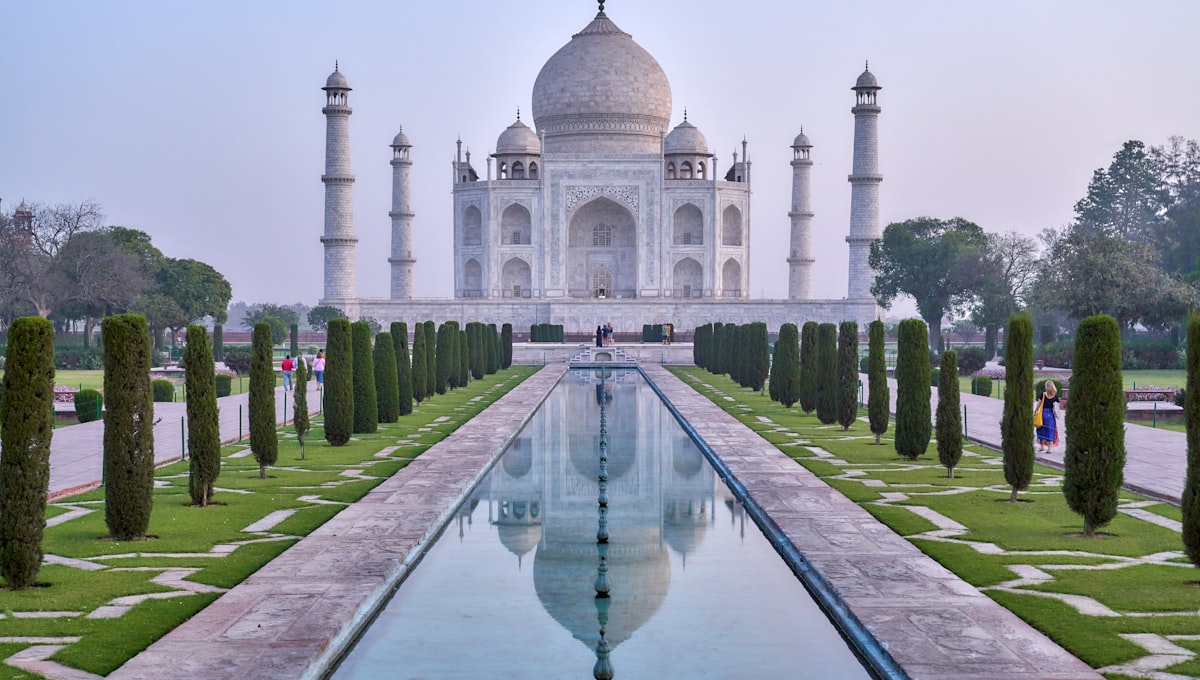
cheapest flights to Delhi, Agra (Taj Mahal), and Jaipur — the classic Golden Triangle — along with the rest of Rajasthan, are best visited from October to March. This is India's winter in the north, and temperatures are genuinely comfortable: 18–28°C during the day, occasionally dropping to 7–10°C at night in December and January.
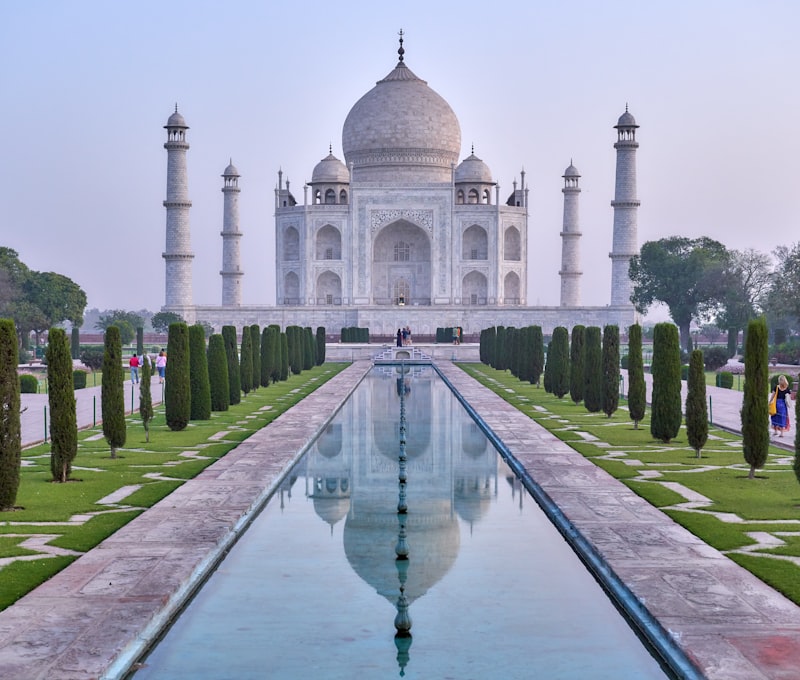
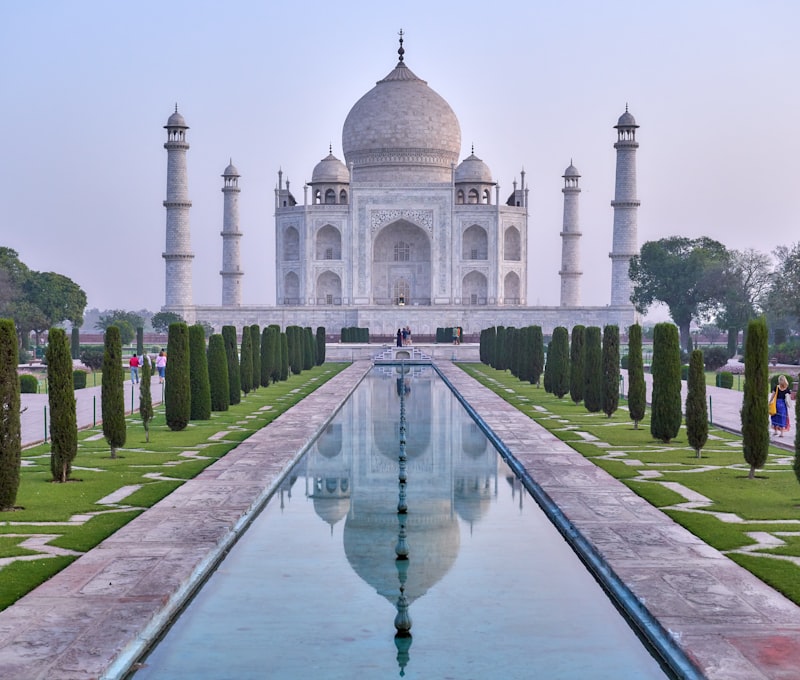
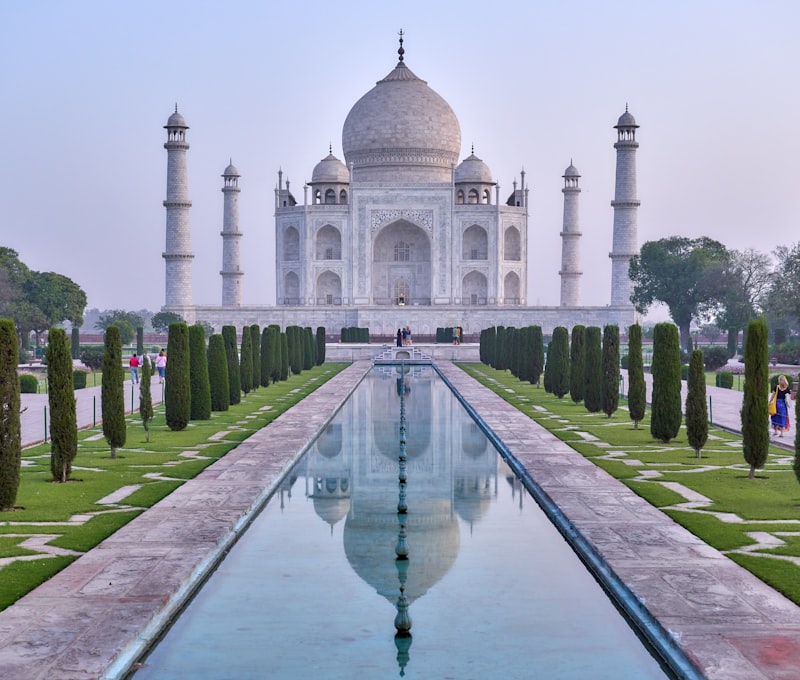
November to February is peak tourist season for northern India and prices reflect that reality fully. The Taj Mahal at sunrise on a December morning, with light mist rising from the Yamuna river valley and the white marble shifting through shades of pink and amber, is one of travel's genuine sensory experiences — one that photographs have made familiar but that the physical reality exceeds entirely. Arrive at the East Gate before 6am to be among the first into the complex as the gates open; the first 20 minutes before the crowds arrive are in a category of their own.
Jaipur's Pink City — the old walled quarter whose sandstone buildings were painted pink in 1876 to welcome the Prince of Wales and have remained so ever since — and the hilltop Amber Fort above it are at their most pleasant in the cool winter months. Jodhpur's Blue City, painted cobalt to denote Brahmin households and now maintained as a local tradition and tourist attraction, is best visited in November. Jaisalmer's golden desert fort (one of the few living forts in the world, still inhabited by thousands of people within its walls) is magical in December and January when the temperature drops enough to make walking the narrow alleyways comfortable.
The months of April, May, and June should be strongly avoided in Rajasthan and Delhi. Temperatures routinely exceed 42°C and can reach 46°C in the hottest years; Rajasthan's Thar Desert in May is genuinely dangerous for anyone not acclimatized to extreme dry heat. Tourism infrastructure operates but the experience is severely compromised. The pre-monsoon thunderstorms in June bring some relief but also drama — occasional dust storms (andhi) that turn the sky orange and reduce visibility to zero within minutes.
Kerala and South India: Embracing the Monsoon
Kerala is one of the few Indian destinations that becomes more appealing during the monsoon (June–September) rather than less, and understanding this is the key to unlocking Kerala's best experiences.
The backwaters of Alleppey — a network of canals, lagoons, and rivers running in a narrow strip between the Arabian Sea coast and the foothills of the Western Ghats — are extraordinarily lush and peaceful in the monsoon. The foreign tourist population drops dramatically while the landscape reaches its peak visual intensity. A houseboat journey through the backwaters in late July or August, with warm rain pattering on the teak roof, coconut palms bending in the wind, and paddy fields glowing an almost impossible green on each bank, costs roughly half the December high-season rate while offering an atmospheric experience that the dry-season version can't fully replicate.
The classical Ayurvedic tradition specifically recommends the monsoon as the ideal season for Panchakarma treatments and therapeutic programs. The logic is that the ambient humidity, cooler temperatures, and open pores make the body maximally receptive to herbal oil treatments and detoxification therapies. Major Ayurvedic centres along the Kerala coast — particularly around Thrissur, Kovalam, and the backwaters — offer their best package rates from June to August.
The hill stations of the Western Ghats — Munnar, Coorg in Karnataka, Ooty in Tamil Nadu — are cool year-round (Munnar sits at 1,600m) and offer a striking contrast to the coastal heat below. They're manageable in all seasons, though the monsoon brings leeches on jungle trekking paths from June to August that some visitors find off-putting. The tea plantations of Munnar at their greenest in the monsoon are genuinely spectacular.
South India — Tamil Nadu, Karnataka, Andhra Pradesh — receives its primary rainfall from the northeast monsoon (October–December) rather than the southwest, meaning Chennai and Pondicherry have their wet season at the tail end of the year. The best time to visit the Tamil Chola temple circuit (Madurai's Meenakshi Amman temple, the magnificent Brihadeeswara at Thanjavur, the Shore Temple at Mahabalipuram) is January–March: comfortable temperatures, post-northeast-monsoon clarity, and full tourist infrastructure operational.
The Himalayas: Ladakh, Spiti, and the Trekking Windows
The Himalayan regions operate on a completely separate seasonal calendar from the rest of India. Ladakh, the high-altitude desert of the western Himalayas at 3,500–4,500m above sea level, is essentially inaccessible in winter (November–April) when the Manali–Leh Highway buries under metres of snow and the Srinagar–Leh road becomes dangerous. The region's winter population retreats to lower-altitude towns.
The extraordinary exception is the Chadar Trek — the frozen Zanskar River walk in January–February, when the river surface freezes solid enough to walk on, and trekkers follow the riverbed through a spectacular canyon that is otherwise accessible only by raft in summer. This is a demanding, genuinely cold (−20°C at night), and logistically complex expedition, but for experienced winter hikers it's one of India's most remarkable physical challenges.
The main Ladakh window is June to mid-September. July and August are the peak months when all passes are open, the Pangong Tso lake glitters electric blue at 4,350m altitude, the Nubra Valley's sand dunes and double-humped Bactrian camels offer their incongruous spectacle, and the landscape of bare brown mountains, ancient Buddhist monasteries, and prayer-flag strings is at its most dramatic. The light in Ladakh is intense and extraordinary — high-altitude clarity creates photographic opportunities unavailable anywhere at sea level.
Spiti Valley in Himachal Pradesh is accessible June to October, with the best conditions in July and August. The Spiti Circuit — Shimla to Kaza to Manali, a 4–5 day jeep journey across some of India's highest and most remote terrain — passes through the Pin Valley National Park, the ancient Key Monastery perched on a conical hill, and the villages of Hikkim and Komic, among the highest permanently inhabited settlements in the world.
Mumbai, Goa, and the Western Coast
Mumbai is a year-round city in the sense that its cultural, culinary, and commercial life never pauses. The monsoon from June to September brings heavy rainfall that makes the city's already-challenging traffic dramatically worse and turns Juhu Beach into a dramatic but swimming-inadvisable sea of brown surf. For leisure visitors without a fixed purpose, October to March is significantly more comfortable and allows full access to the outdoor terrace culture, Marine Drive promenades, and heritage architecture tours of the Fort and Colaba districts.
Goa's beach season runs November to February — the period when all full-service beach clubs are operational, water sports are available, the seafood is fresh and abundant, and the mixture of domestic Indian tourists, European long-stayers, and international visitors creates a uniquely Goan social atmosphere. Goa's Christmas and New Year scene, particularly on Anjuna and Calangute beaches, is one of India's most internationally famous party events.
Off-season Goa (June–September) is entirely different: most beach shacks close, the sea is rough and unsafe for swimming, and rainfall is heavy and persistent. But the historic churches of Old Goa — the Basilica of Bom Jesus, containing the preserved relics of St. Francis Xavier; the Se Cathedral, the largest church in Asia — are accessible without crowds. The inland spice plantations, wildlife corridors of the Western Ghats, and Goan village markets are at their most authentic when the beach-tourist infrastructure is dormant.
The Festival Calendar: India's Greatest Spectacles
India's festival calendar adds a transformative dimension to any visit. Holi (spring full moon, typically February or March) is celebrated most vibrantly in Mathura, Vrindavan, and Barsana — the towns associated with Krishna in Uttar Pradesh. Being immersed in a cloud of vivid colored powder while thousands of people dance, play drums, and sing in the streets of a centuries-old temple town is categorically unlike any other travel experience.
Diwali (October or November per the lunar calendar) transforms all of India, but especially Varanasi and Jaipur, with oil lamps, elaborate rangoli designs, fireworks that continue for five nights, and a collective festive energy that permeates every interaction. Traveling during Diwali requires advance booking — trains, hotels, and flights are booked solid — but the atmosphere is extraordinary.
The Pushkar Camel Fair (November) draws 50,000 camels, horses, cattle, and 200,000 people to a desert lakeside town in Rajasthan for a week of trading, racing, tug-of-war competitions, camel beauty pageants, and folk performances. It is one of the world's most photographically overwhelming events, operating simultaneously as a livestock fair, pilgrimage site (Pushkar Lake is one of the holiest in Hinduism), and cultural festival.
Flight Prices and Cross-Market Savings
Return fares from London to Delhi or Mumbai typically run £450–650 on Air India, British Airways, or Virgin Atlantic. Air India has expanded its Heathrow direct services significantly under Tata Group ownership and often prices competitively, particularly for advance purchase fares. Emirates, Qatar Airways, and Etihad via Gulf hubs remain reliable options, frequently offering promotional fares that break below £400 return during quieter booking periods.
Prices spike significantly around Diwali (October–November, when millions of NRI travelers return to India) and the Christmas–New Year window. January and September tend to offer the cheapest fares of the year.
Cross-market pricing variation is substantial on India routes and consistently worth checking. RegionFare searches regularly surface £80–150 differences between UK-portal prices and fares available through Indian or UAE-origin portals for the same Air India or Emirates itinerary. On a £600 fare, that represents a 13–25% saving available to any traveler who simply takes the time to check multiple market prices before booking.
India is many countries in one geography. The most important planning decision you'll make is not when to visit but where — and once you've identified your regional priorities, the optimal timing becomes clear. Read the regional climate, check the festival calendar against your interests, and you'll arrive having made travel decisions as considered as the itinerary itself.
 Best Time to Visit Japan: Cherry Blossoms, Autumn, or Cheap Season?
 Best Time to Visit Indonesia: Bali, Java, Komodo, and Raja Ampat
 Best Time to Visit Sri Lanka: Two Monsoons, One Perfect Window