
Best Time to Visit Sri Lanka: Two Monsoons, One Perfect Window
June 12, 2026
The Two-Monsoon System Explained
Sri Lanka is a small island — roughly the size of Ireland — but it has one of the most varied microclimates of any comparably sized landmass. The island is divided diagonally by a central mountain range, and this creates two entirely separate monsoon patterns that affect the coasts differently and at different times of year.
The southwest monsoon (Yala) hits the western and southern coasts from May through September, bringing heavy rain to Colombo, Galle, and the southwestern beaches. During this period, the eastern and northern coasts (Trincomalee, Nilaveli, Arugam Bay) are in their dry season — warm, calm, and perfect for swimming.
The northeast monsoon (Maha) reverses the pattern from October through February, bringing rain to the north and east while the south and west clear into their peak season. This is when Colombo, Mirissa, and Unawatuna are at their best.
The practical implication: Sri Lanka doesn't have a single "best time to visit." It has two optimal windows for two different coastlines, and the central highlands operate on their own schedule entirely.
December to March: The Western and Southern Coast Peak
From December through March, the southwest monsoon has retreated and the southern and western beaches are calm. Mirissa is the center of whale watching during this window — blue whales and sperm whales come close to shore from November through April, and Mirissa offers some of the most accessible whale watching in the world. Day trips run around $35–50 per person from Mirissa harbor.
Galle, the fortified colonial city on the southwest tip, is at its most walkable in this dry season. The fort district — a mix of Dutch colonial architecture, boutique hotels, and independent restaurants — is best explored on foot in the morning before the afternoon heat. The Galle Literary Festival traditionally runs in January and draws international authors, making it one of the most cosmopolitan events on the Sri Lankan cultural calendar.
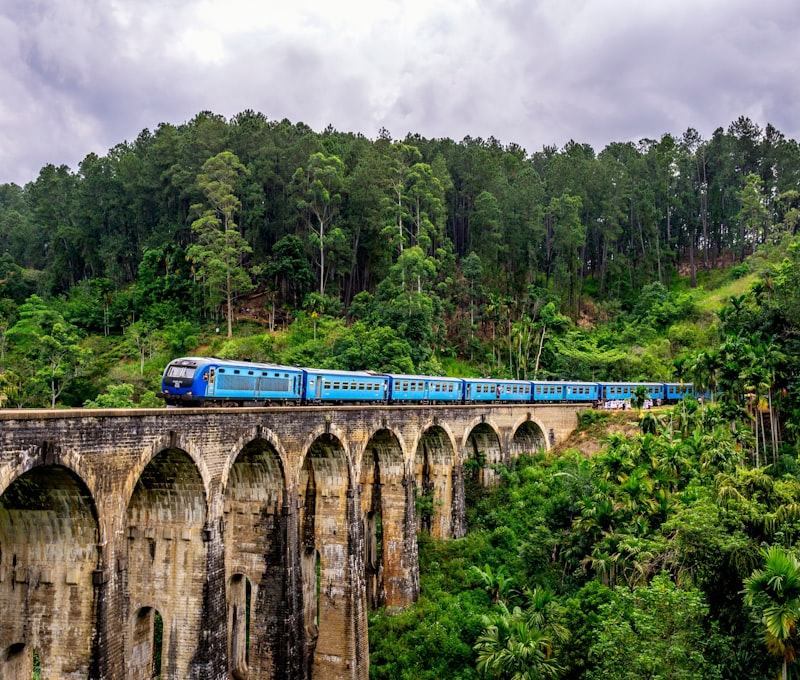
Colombo in December through March has low humidity and comfortable temperatures around 28–30°C. The National Museum, Gangaramaya Temple, and the Pettah market district are manageable in this climate. This is also the best window for the train journey up to Kandy and into the tea country highlands — the views across the central mountains are clearest after the monsoon.
April and May: The Shoulder and Transition
April is the hottest month island-wide — temperatures in the lowlands hit 33–35°C — and marks the transition between monsoon phases. The southern beaches are still generally calm in April before the southwest monsoon arrives. The Sinhala and Tamil New Year (April 13–14) is the island's most important cultural festival and worth experiencing, though hotels and transport book up quickly and prices spike around the date.
May is the riskiest month to visit the south — the southwest monsoon typically arrives mid-month, though the exact timing varies by 2–3 weeks each year. The north and east begin to clear in May, making Trincomalee accessible but still somewhat unpredictable.
June to September: East Coast Season
The eastern coast's dry season runs June through September. Trincomalee in the north of the east coast has one of the finest natural harbors in Asia and some of the calmest, clearest water in Sri Lanka during this window. Pigeon Island National Park, just offshore, has excellent coral reef snorkeling.
Arugam Bay in the south of the east coast is Sri Lanka's surf hub. The bay generates a reliable right-hand point break that draws intermediate and advanced surfers from June through October. The town itself is low-key, inexpensive (guesthouses from $20 per night), and has a backpacker atmosphere distinct from the more polished southern beach resorts.
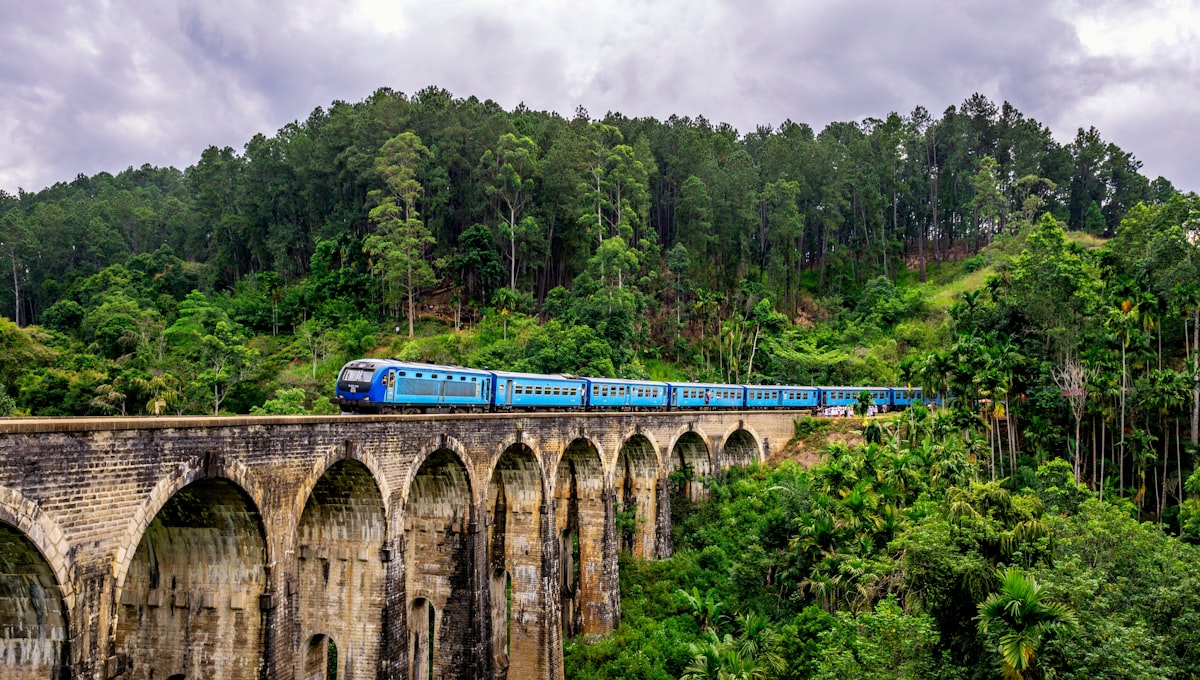
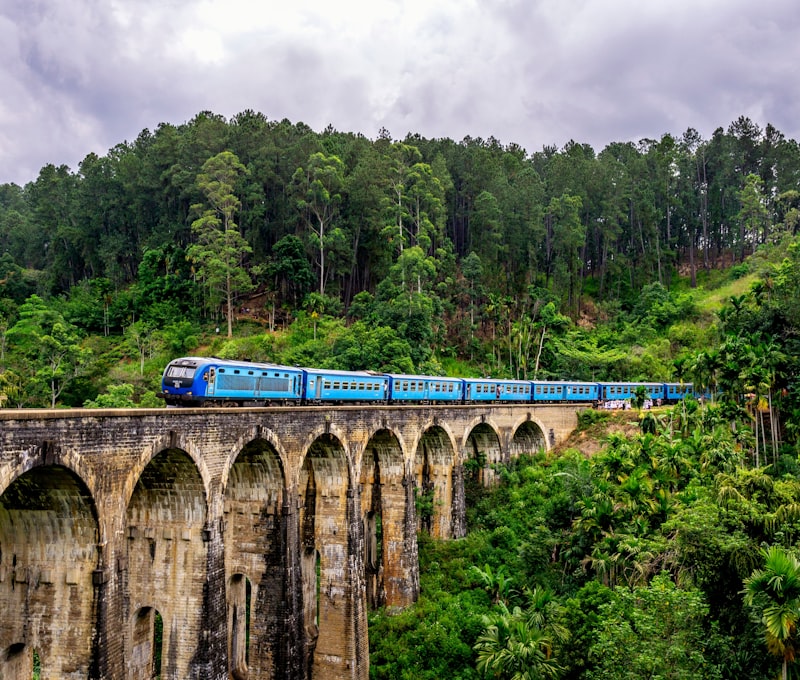
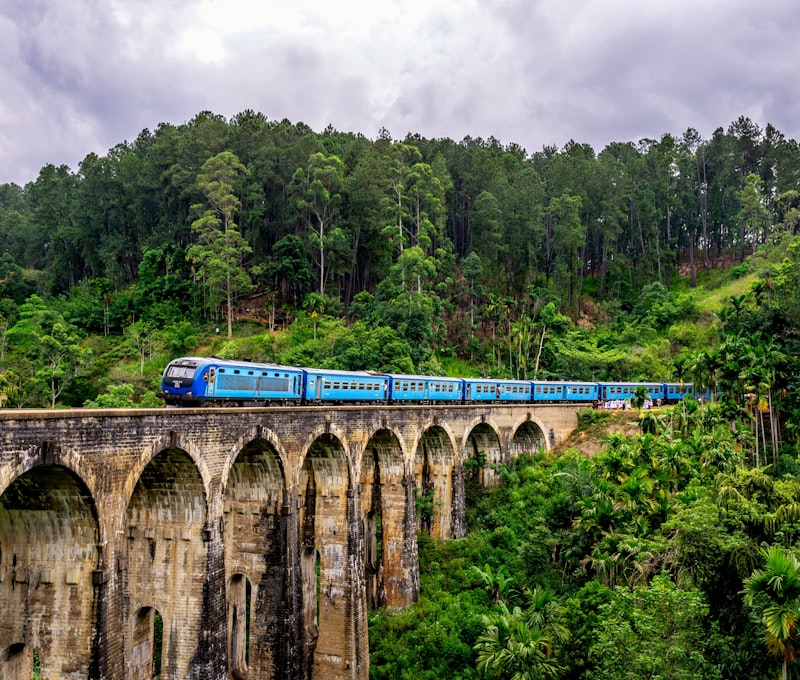
The central highlands — Ella, Nuwara Eliya, Horton Plains — are accessible year-round regardless of coastal conditions. The highlands create their own rainfall pattern and are generally misty rather than heavily rained upon even during monsoon months. The train from Kandy to Ella through the tea plantations is famously scenic and runnable in almost any month, though clear mornings are more common from December through April.
The Wildlife Calendar
Yala National Park, home to one of the highest densities of leopards in the world, is accessible year-round but closes in September for the beginning of the monsoon season. The best leopard sightings are December through June, when the dry conditions concentrate wildlife around waterholes. Safari jeep tours cost around $40–60 per person for a half-day drive.
Minneriya National Park, in the northern cultural triangle, hosts "The Gathering" from July to October — a spectacular migration of hundreds of Asian elephants converging on the reservoir as water levels drop. This is one of the largest gatherings of Asian elephants in the world and is largely unknown outside wildlife-focused travel circles.
Blue whales are most reliably spotted December through March off Mirissa; sperm whales are present almost year-round. Whale sharks appear off Kalpitiya in the northwest from November through February.
Flights and Getting There
Bandaranaike International Airport (CMB) in Colombo is Sri Lanka's main gateway. Direct flights operate from London Heathrow, with SriLankan Airlines and British Airways competing on the route. Fares typically run £600–£900 round-trip from London in economy, with the cheapest fares in September and October (the tail end of the southwest monsoon) and the most expensive in December through January.
From mainland Europe, connecting flights via Dubai, Doha, or Abu Dhabi on Gulf carriers (Emirates, Qatar Airways, Etihad) are often cheaper than direct UK options, frequently coming in at £450–£650 from German, French, or Italian cities.
The Single Best Window
If you're visiting Sri Lanka for the first time and want to cover the southern beaches, cultural triangle, and highlands in one trip, December through early March is the consensus best window. The southern coast is calm, Yala is excellent for wildlife, the highland train is running in clear conditions, and Colombo is at its most pleasant. You'll pay peak-season prices for accommodation — budget $80–150 per night for a decent beach hotel — but the experience is correspondingly rewarding.
If your budget is the priority and you're willing to focus on the east coast, June through September offers the same quality of beach and surf experience at 30–40% lower accommodation costs, with fewer tourists and more space on the best breaks and beaches.
 Best Time to Visit Japan: Cherry Blossoms, Autumn, or Cheap Season?