
Croatia Travel Cost Per Day: Dubrovnik, Split & Beyond
June 6, 2026
Croatia has changed. The country that backpackers recommended to each other in 2010 as a budget gem has matured into a mainstream European destination with prices to match, particularly in Dubrovnik and the more famous Dalmatian islands. But the price inflation has been uneven: Dubrovnik in July is genuinely expensive by any measure, while Istria, Slavonia, and the Kvarner Gulf remain excellent value. Here's the real daily cost breakdown for 2026.
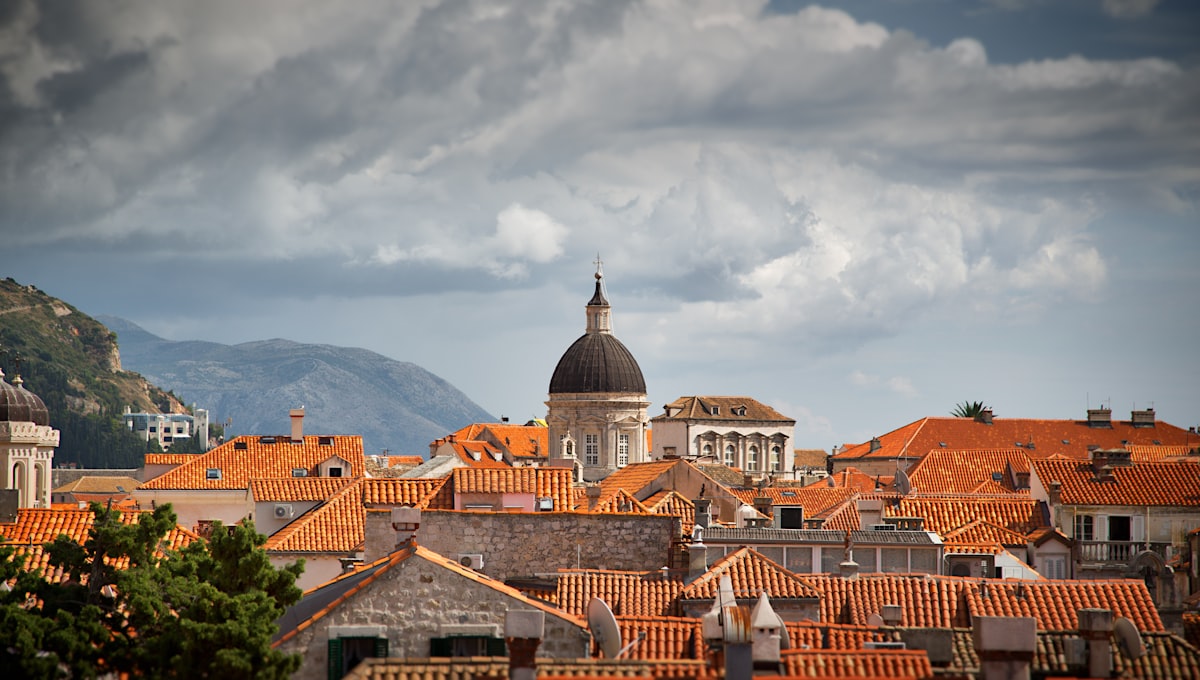
Dubrovnik: The Most Expensive Croatian City
Dubrovnik (DBV) is now one of the more expensive cities in the Mediterranean during its peak season (June–August). A 3-star hotel or guesthouse in the Old Town costs €150–280/night. Staying outside the walls — in Lapad or Babin Kuk, 20 minutes from the Old Town by bus — brings 3-star hotel costs down to €80–130. Apartments in private accommodation (sobe) 10–15 minutes' walk from the Pile Gate run €70–110 for a double room.
Food inside the Old Town charges tourist prices: a restaurant dinner on the Stradun runs €25–40 per person for pasta and grilled fish. Two streets back from the main drag, family-run konobas charge €15–22 per person for the same grilled sea bass, octopus salad, and local wine. Buffet-style eateries near the Gundulićeva Poljana market sell prepared Dalmatian food for €8–12 per person.
The City Walls entry costs €35 (book online, can sell out). The Dubrovnik cable car is €22 return. An afternoon boat trip to Lokrum Island is €13 return. Two or three paid activities per day compound quickly at Dubrovnik prices.
Budget Dubrovnik (apartment outside walls, cooking one meal, two sights): $110–140/day Mid-range (Old Town 3-star, restaurant dinners, city walls): $200–280/day Peak July–August premium: add 30–50% to both tiers
Split: Better Value, Full Dalmatian Experience
Split (SPU) is the practical alternative to Dubrovnik and in some ways a better destination. Diocletian's Palace — a 4th-century Roman emperor's retirement complex where 3,000 people now live, work, and run restaurants inside the actual palace walls — is one of the most extraordinary lived-in historical sites in Europe.
A 3-star hotel in Veli Varoš (the neighborhood immediately west of the palace) costs €80–130/night in shoulder season. An apartment inside the Palace walls costs €70–100/night (and is extraordinary value for the experience). Guesthouses 10 minutes from the Riva promenade run €55–80.
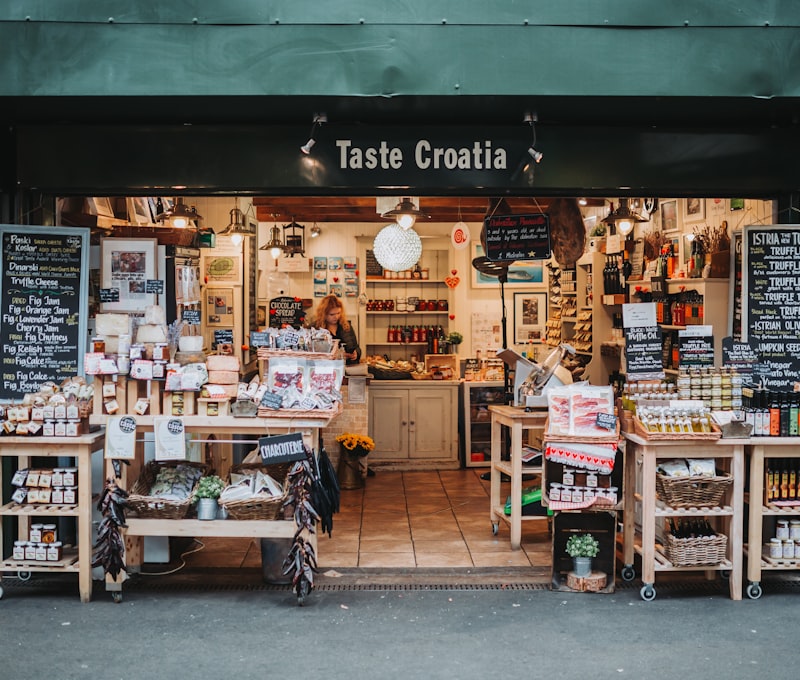
Konoba meals in Split are genuine value: a grilled brancin (sea bass) with blitva (Swiss chard with potatoes and olive oil) and a glass of local plavac mali wine runs €18–24. The Pazar street market near the east entrance of Diocletian's Palace has the cheapest and freshest produce in Split.
Diocletian's Palace entry is free (you can walk through the main street anytime); the cellars cost €10. Hvar Island is a 1-hour fast catamaran from Split (€15 each way). Trogir (UNESCO World Heritage town) is a 30-minute bus ride (€3).
Split daily budget: Budget (guesthouse €70, konoba meals, one island day trip): $80–100/day Mid-range (3-star hotel €110, restaurant dinners, island trips): $130–170/day
The Dalmatian Islands
Island pricing varies significantly by island status:
Hvar — Croatia's most fashionable island, with club-resort pricing in Hvar Town (apartments €100–180/night in July). Stay in Stari Grad (the older, quieter end of the island) and costs drop to €60–90. Hvar Town has good restaurants at every price point; a proper dinner at a konoba in Jelsa (east coast) costs €18–25.
Brač — Zlatni Rat beach near Bol is one of Croatia's most photographed beaches. Bol village accommodation runs €70–120 for a good guesthouse or apartment in shoulder season. Quieter and cheaper than Hvar.
Vis — The island furthest from the mainland, least developed, most authentic. Accommodation in Vis Town or Komiža runs €60–100. One of Croatia's better-value island options and worth the longer ferry.
Korčula — The alleged birthplace of Marco Polo. A well-preserved medieval town, quieter than Hvar, with accommodation at €70–110. The ferry from Split takes 2h 45m; a catamaran takes 2h 15m.
Istria: The Best-Value Croatian Region
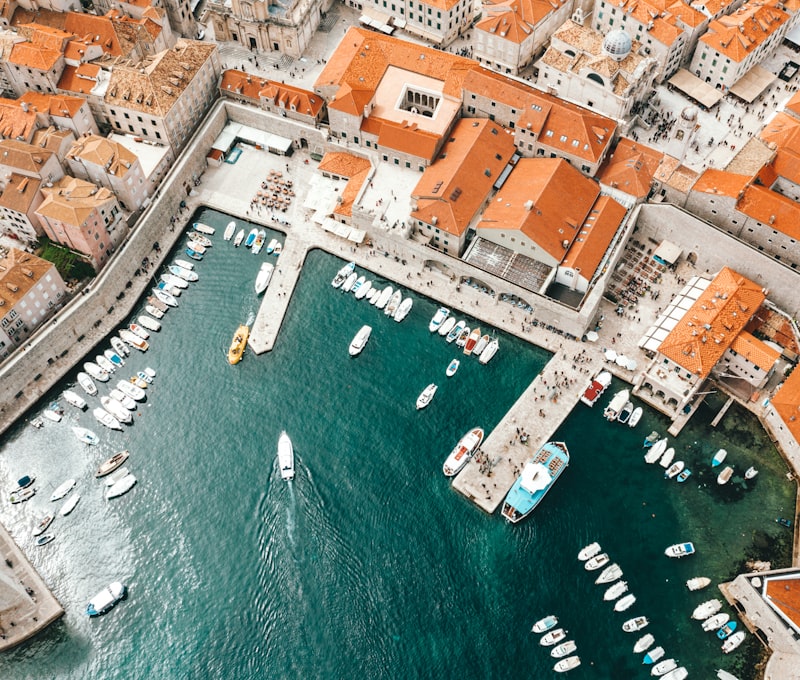
Istria, Croatia's northwestern peninsula (no flights direct, but Pula airport PUY serves it), is where Croatian value still holds. Rovinj — a Venetian-era fishing town on the Istrian west coast — has guesthouses and small hotels at €65–100/night that feel like a different pricing universe from Dubrovnik. The food scene in Istria, featuring truffles, local olive oil, and Malvazija wine, punches well above its price point.
Poreč (a UNESCO-listed Euphrasian Basilica town) and the ruined Roman amphitheatre in Pula are both free or charge under €10. Istria's self-drive wine and truffle routes are a strong competitor for any Croatian itinerary.
Practical Transport
Jadrolinija state ferries connect the mainland to all major islands at fixed prices: Split–Hvar car ferry €7 per passenger (foot passenger), Split–Vis €12. Speed catamarans (Kapetan Luka, Krilo) run at higher speeds for €15–22 per leg.
Buses between coastal cities (Split–Dubrovnik, 4h, €14–22 by FlixBus or Autotrans) are reliable and comfortable. The coastal drive on the D8 Adriatic Highway is stunning and worth renting a car for — day rates at Split airport run €35–60/day in shoulder season.
Flight Costs
Return flights to Dubrovnik (DBV) from London run £80–150 in May or October; £200–350 in July–August. Flights to Split (SPU) run £60–130 in shoulder season. From the US, no direct routes exist — most connections go via Amsterdam (AMS), Frankfurt (FRA), or Zurich (ZRH).
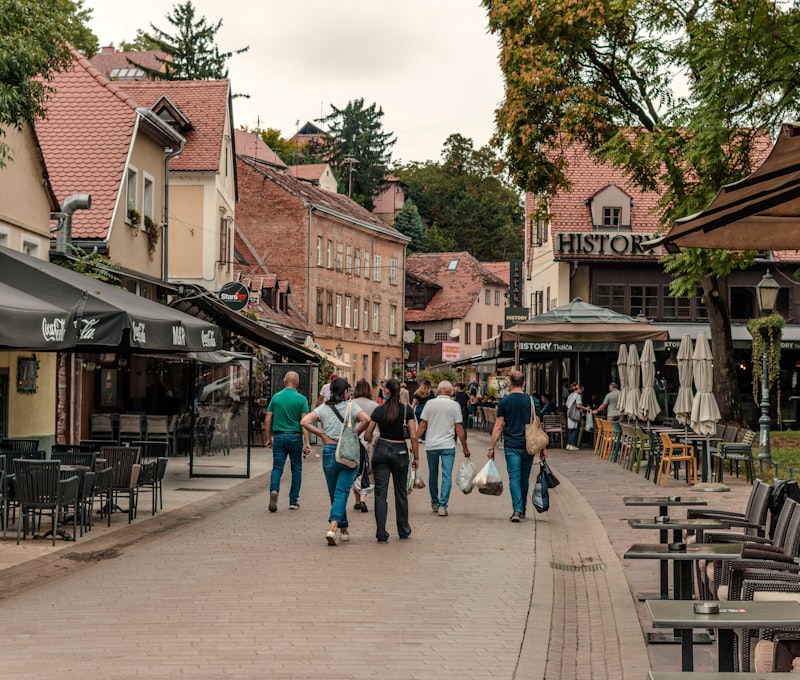
Croatia's best value is in the shoulder seasons (May–June and September), in Split and Istria rather than Dubrovnik, and in private apartments rather than hotels. The best time to visit Croatia guide has the full seasonal breakdown including island opening schedules and ferry frequency by month. A well-timed trip can still deliver the Adriatic that everyone comes for at $85–120/day, even in 2026.
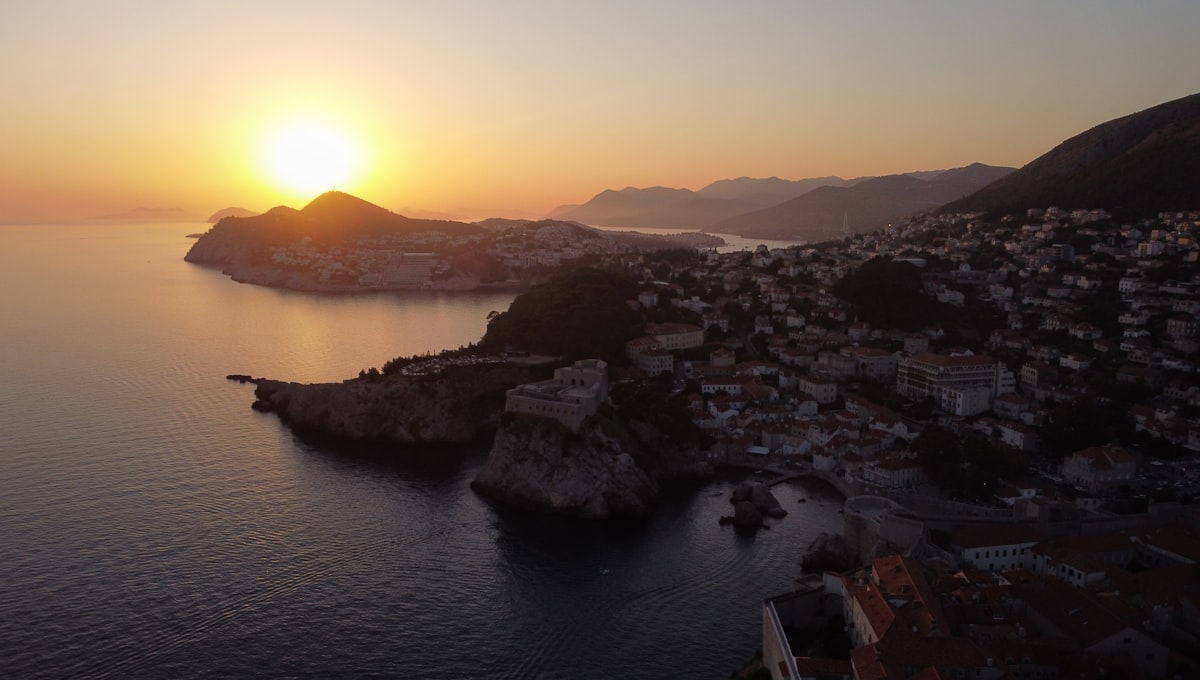 Best Time to Visit Croatia: Coast, Islands, and How to Avoid the Crowds
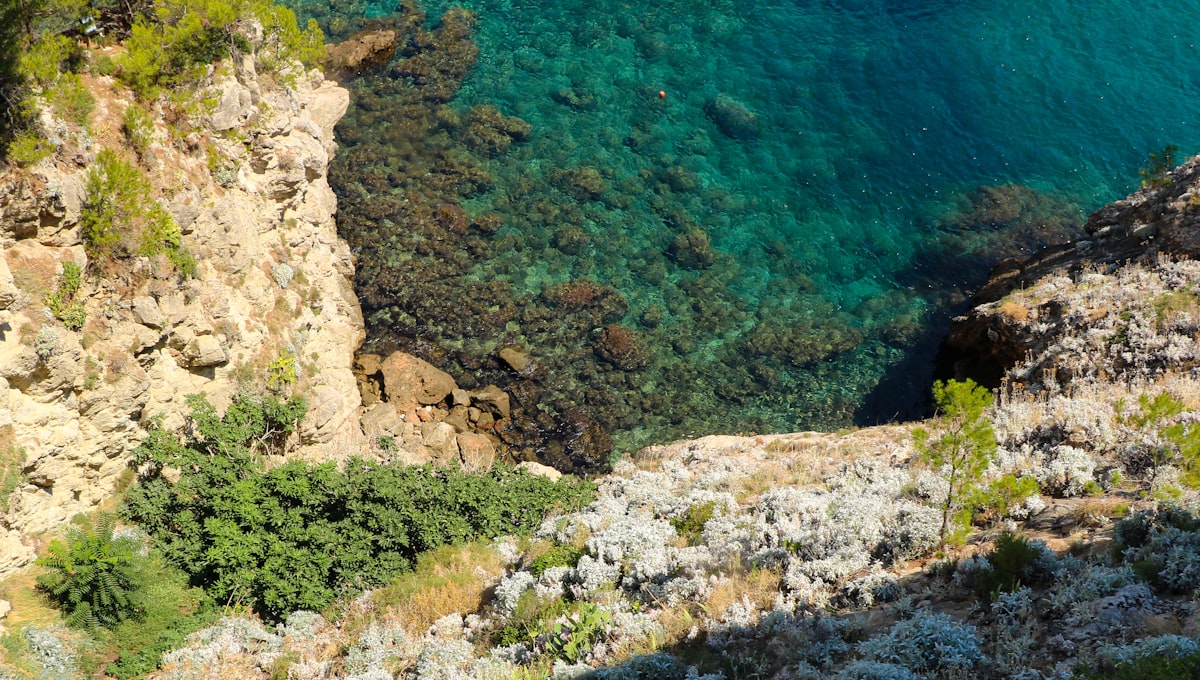 3 Days in Dubrovnik: Old Town, Islands, and the Best Sunset Spots
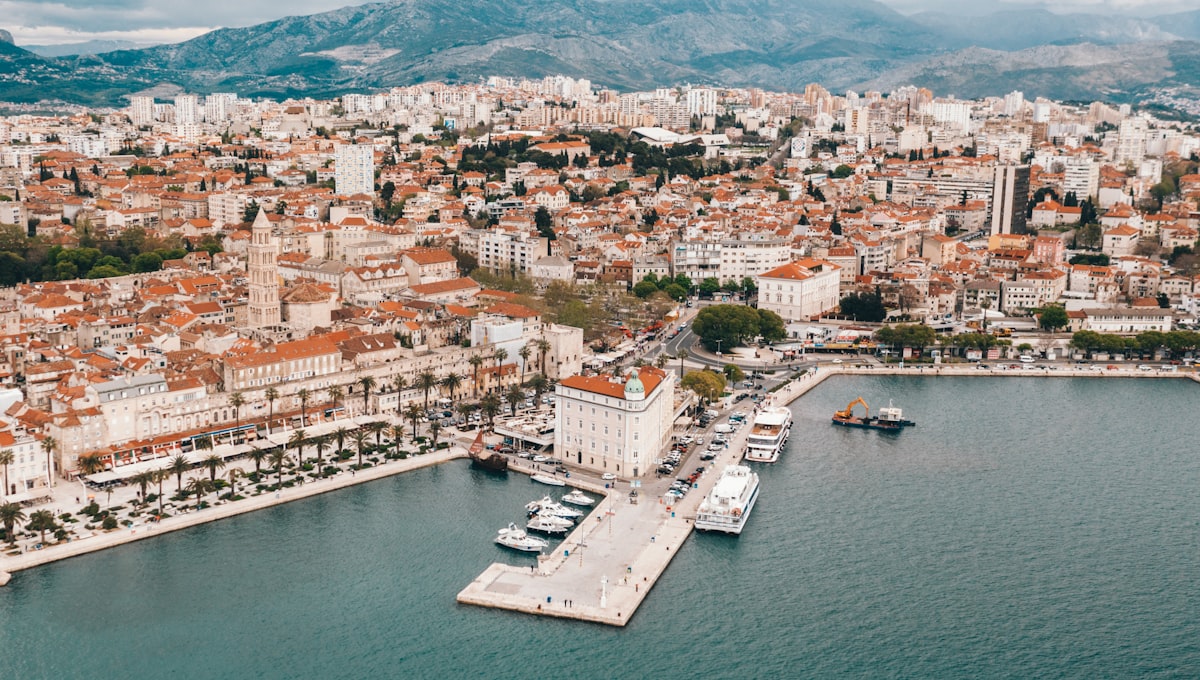 3 Days in Split: Diocletian's Palace and the Islands Beyond