
Costa Rica Travel Cost Per Day: National Parks, Beaches & Cities
June 9, 2026
Costa Rica is Central America's most developed tourism destination and also its most expensive. Unlike neighboring Guatemala or Nicaragua, it never positioned itself as a budget backpacker circuit; the eco-tourism model from the 1990s built infrastructure, conservation areas, and visitor expectations around a different price point. A realistic mid-range traveler should budget $70–130/day in 2026. Here's the full breakdown by region.
San José: The Capital No One Stays In Long
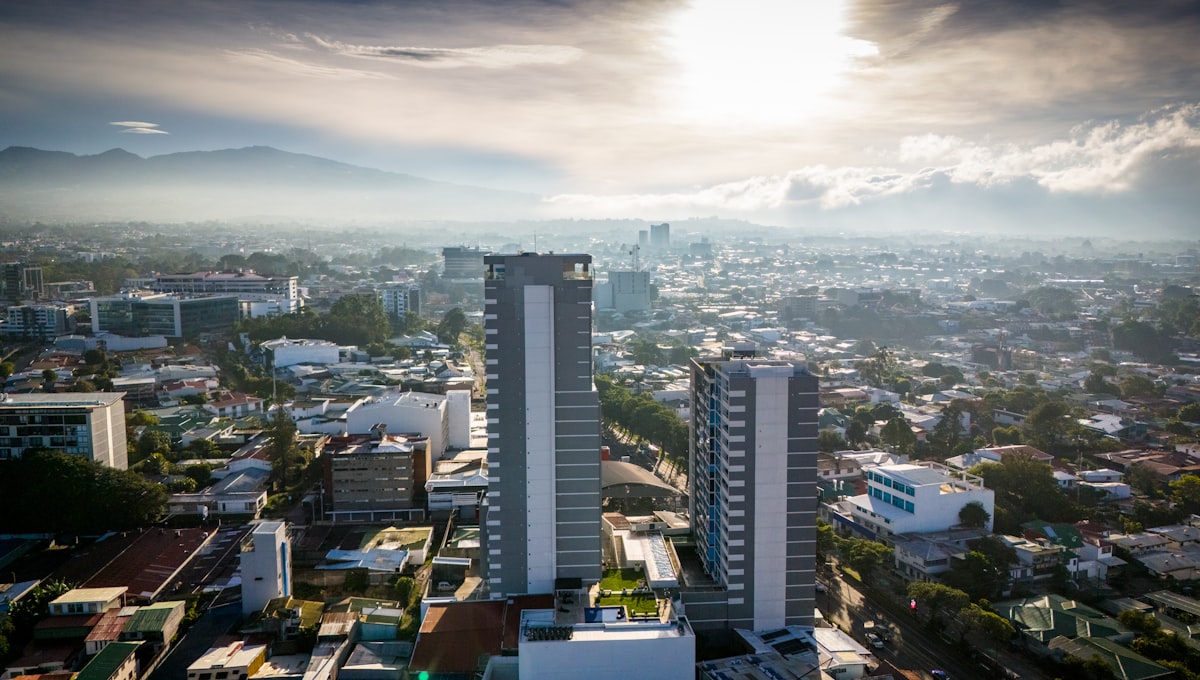
San José (SJO) is the arrival point for most international visitors and is typically treated as a one-night transit base rather than a destination in itself. This is slightly unfair to the city — the Barrio Escalante neighborhood has a strong restaurant and bar scene, and the Jade Museum and Pre-Columbian Gold Museum are genuinely excellent — but the capital's appeal doesn't match the national parks.
A 3-star hotel in Barrio Escalante or the quieter Los Yoses neighborhood costs $55–85/night. Downtown San José (Avenida Central zone) has budget guesthouses at $30–50. Food in San José: a casado (the Costa Rican set plate of rice, beans, salad, plantain, and protein) costs $6–10 at a local soda (small restaurant). Dinner at a Barrio Escalante restaurant runs $20–35 per person.
Manuel Antonio: Beach Premium
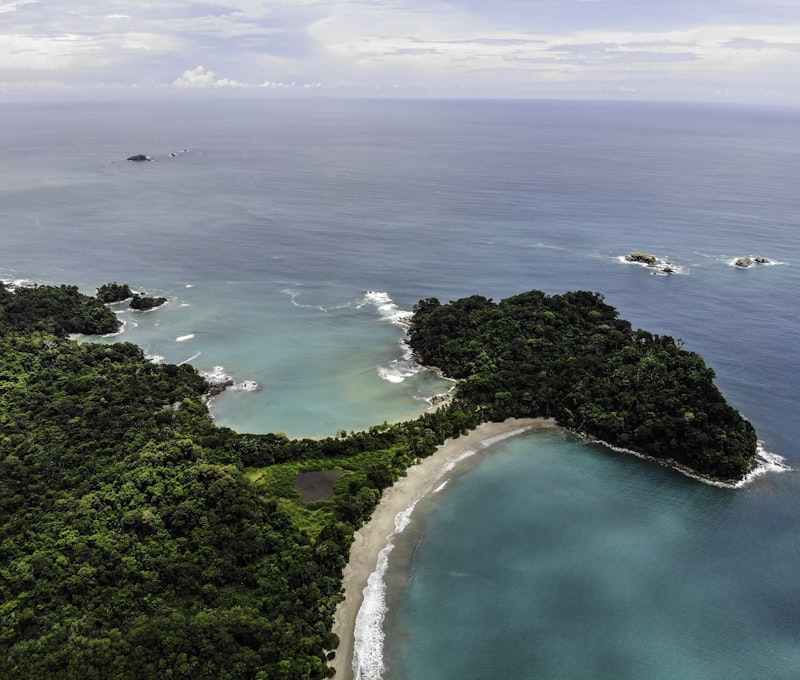
Manuel Antonio National Park (the most visited park in Costa Rica, and one that mixes beach access with wildlife sightings) charges $20 entry per person. This is the park where you're most likely to see all four key species — white-faced capuchin, howler monkey, two-toed sloth, and squirrel monkey — in a single morning walk.
Accommodation near Manuel Antonio (Quepos is the closest town, the park is 7km away) runs at premium: a standard hotel or eco-lodge with pool near the park entrance costs $100–180/night. Staying in Quepos itself cuts this to $50–80 for a 3-star; taxis to the park cost $5–10.
Food in Manuel Antonio: restaurants near the park entrance charge tourist prices ($15–25 per person for lunch). The sodas in Quepos Centro — arroz con pollo, olla de carne stew — run $7–12.
Arenal: Volcano and Hot Springs
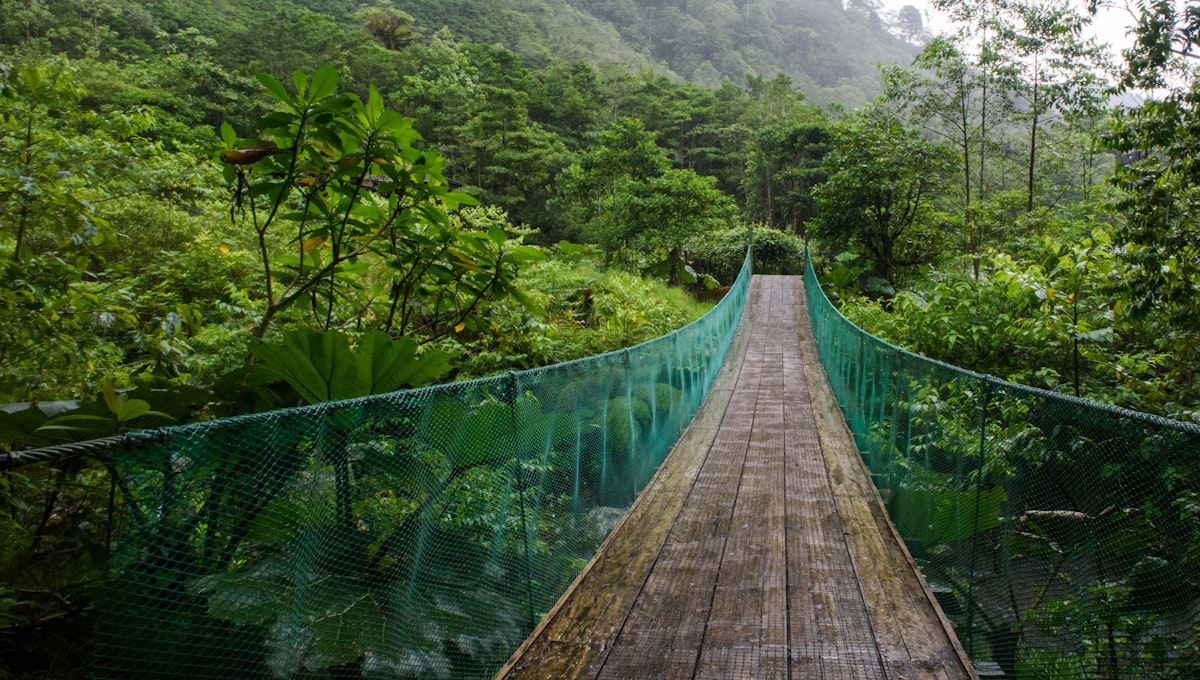
Arenal Volcano and La Fortuna town form Costa Rica's most popular inland destination. The activity cluster — Arenal Volcano National Park entry ($20), hanging bridges, white-water rafting, kayaking, and the Tabacón or Baldi hot springs — means activity costs accumulate quickly.
Tabacón Grand Spa Thermal Resort (the premium hot springs experience) costs $65–85 for day pass entry. Eco Termales, smaller and more atmospheric, costs $40–50. La Fortuna has several municipal-quality hot springs accessible from the road near the park for free or nominal cost ($5–8).
Accommodation in La Fortuna: guesthouses and small hotels run $45–80/night. Eco-lodges with volcano views charge $100–180. An Arenal day from La Fortuna — park entry, Tabacón hot springs, dinner — costs $100–140 per person in activities alone.
Rafting on the Toro or Sarapiquí rivers costs $55–75 per person half-day. Zip-line canopy tours (multiple operators compete in La Fortuna) run $55–85. Day trips to Monteverde by 4WD jeep-boat-jeep combination (the scenic cross-lake route) cost $35–45 per person.
Monteverde Cloud Forest
Monteverde (served by San José bus, 4.5h) has two main reserves: Monteverde Cloud Forest Biological Reserve ($25 entry, private) and Santa Elena Cloud Forest Reserve ($18 entry, government). Night walks ($25–35) and guided canopy tours ($45–70) are the main activities.
Accommodation in Santa Elena village (the main town) runs $40–75/night for guesthouses; the lodge-style eco-hotels near the reserves charge $90–160. The Monteverde area's cold (cloud forest altitude runs 1,400–1,800m) requires bringing a warm layer — a note first-time tropical travelers miss.
The Nicoya Peninsula and Pacific Beaches
Santa Teresa and Nosara are Costa Rica's surf and yoga destinations, with corresponding pricing. A guesthouse room in Santa Teresa (Cobano area) costs $60–100/night in high season. A beachfront boutique costs $150–250. The town's restaurants charge $12–18 per person for lunch; a dinner at one of Santa Teresa's better restaurants runs $25–40.
Playa Sámara — further up the peninsula, less fashionable, better value — has guesthouses at $40–70/night and a small-town feel that the more famous surf beaches have lost.
Tamarindo (the most developed Pacific beach town) has the widest range of accommodation ($45–200) and nightlife options, and is the easiest to reach from San José by direct bus (5h) or regional flight ($80–120 return on SANSA or Skyway).
The Caribbean Side: Tortuguero and Puerto Viejo
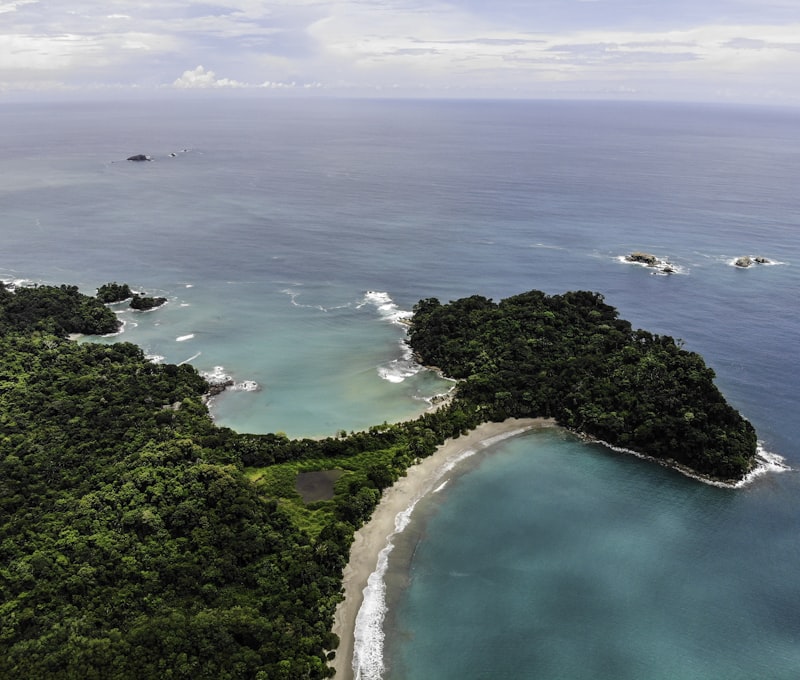
Tortuguero National Park (sea turtle nesting grounds, accessible only by boat or small plane from San José) costs $20 entry. A two-night package from San José including transport, meals, and lodge typically runs $250–350 per person all-in — this is the standard booking format. Independent travel is possible but the logistics add cost.
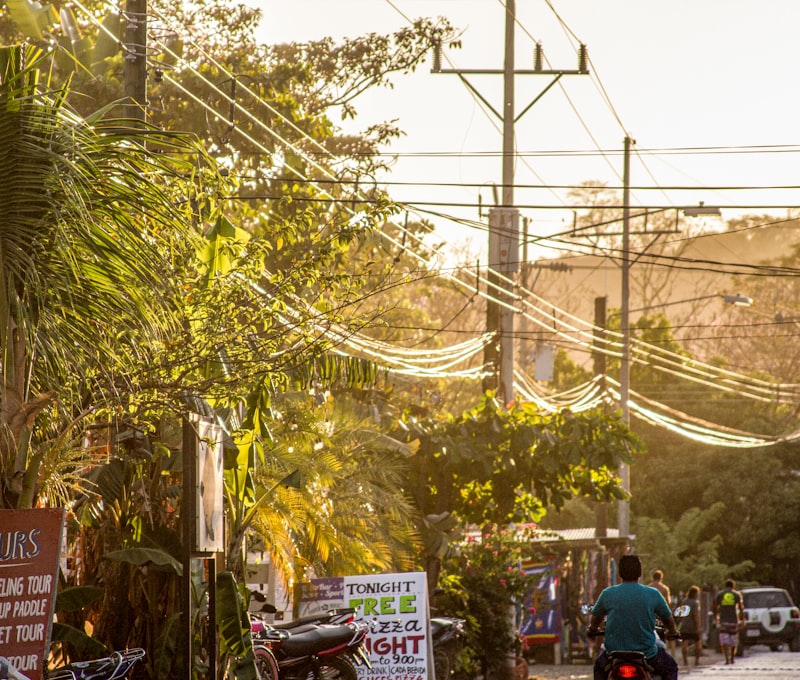
Puerto Viejo de Talamanca (Caribbean coast, accessible by bus from San José in 4h, $8) has a different feel from the Pacific — reggae influence, Afro-Caribbean food (rice and beans cooked in coconut milk, called Rice and Beans here), and a more laid-back tourism scene. Guesthouses in Puerto Viejo run $35–65. Renting a bicycle ($8–12/day) to reach the Cahuita National Park and Manzanillo beaches is the best way to navigate the 13km coastal road.
Consolidated Daily Budget for Costa Rica
| Region | Budget/day | Mid-range/day | |--------|-----------|---------------| | San José | $50–65 | $85–120 | | Manuel Antonio | $70–90 | $120–170 | | Arenal/La Fortuna | $65–85 | $110–160 | | Monteverde | $60–80 | $100–145 | | Pacific beaches (Santa Teresa) | $80–100 | $130–180 | | Caribbean (Puerto Viejo) | $45–65 | $80–110 |
Note: National park entry fees ($18–25/day) and activity costs ($55–85 per activity) are not included above and should be budgeted separately — a day that combines a park visit and one guided activity can add $80–110 per person.
Rental Car vs. Shuttle
Costa Rica's road network makes a rental car the most flexible option for multi-region travel. A 4WD (required for some dry-season dirt roads) costs $45–75/day from San José. Shared shuttle vans (Interbus, Greyhound-style tourist shuttles) cover major routes for $25–55 per leg. The public bus system is cheap ($3–12 for most intercity routes) but slow.
Flights
Return fares to San José (SJO) from New York (JFK) run $350–550 on American, United, or Copa. From London, fares via Miami or Madrid run £550–800. Liberia airport (LIR) in the northwest Guanacaste region receives direct US and European charter flights and is a better entry point if the Pacific beaches are your primary destination — it avoids the San José drive entirely.
The best time to visit Costa Rica guide covers the dry season (December–April in the Pacific, November–January in the Caribbean) and shoulder season trade-offs in depth. Costa Rica costs what it costs — there's limited room to budget-hack the national parks or the best eco-lodges — but mid-range travelers who accept this get one of the world's most biodiverse and well-maintained nature tourism systems for their money.
 Best Time to Visit Costa Rica: Rainforests, Beaches, and Budget Windows
 Mexico Travel Cost Per Day: Budget Breakdown by Region
 The Shoulder Season Advantage: How to Travel Better for Less