
Cheapest Flights to Manila: The Philippines' Overlooked Hub
June 19, 2026
Cheapest Flights to Manila: The Philippines' Overlooked Hub
Manila's Ninoy Aquino International Airport (MNL) is one of Asia's busier international gateways, handling over 50 million passengers per year across its four terminals, yet it remains relatively underpriced compared to Bangkok, Singapore, or cheapest flights to Kuala Lumpur when approached from European markets. Partly this is because the Philippines is still perceived as a secondary Southeast Asia destination — fewer Europeans seek it out compared to Thailand or Bali, and the lower demand translates into lower airfare competition. For those who know how to look, Manila represents some genuinely excellent value fares into an extraordinary archipelago.
How Far Is Manila, and Which Airlines Fly There?
Manila is approximately 10,750 km from London — a journey of 12–14 hours with a single connection, or around 14–16 hours with a routing through the Middle East. There are no direct flights from Europe to Manila, and this is unlikely to change in the foreseeable future given the route distances and passenger volumes.
The main carriers serving Manila from European origins:
Philippine Airlines (PAL) is the flag carrier and the obvious first consideration. PAL has improved its long-haul product significantly after restructuring, operating a fleet of modern Airbus A350s and Boeing 777s on European routings. They fly to London Heathrow via connections in the Middle East and via code-share arrangements with oneworld partners. PAL's product is competitive — not as polished as Cathay or Singapore Airlines but solid for the price.
Cathay Pacific via Hong Kong is historically the most reliable and consistently well-priced option for Manila from Europe. The Hong Kong hub offers an efficient 2–3 hour layover, and CX's economy product on long-haul is a meaningful step above the Gulf carriers on this route. Fares from London via HKG to Manila regularly fall in the £550–700 return range in the shoulder season.
Emirates via Dubai remains one of the most commonly used routings, given Dubai International's central hub position between Europe and backpacking Southeast Asia. The Dubai–Manila leg is around 8 hours, and Emirates' A380 economy is a solid if unglamorous experience. Sale fares can come down to £480–550 return from London Heathrow.
Qatar Airways via Doha prices similarly to Emirates and consistently offers a strong Doha hub experience with generally well-managed connection times. Qatar has expanded its Manila service and frequently runs promotional fares that undercut competitors by £40–80.
Singapore Airlines via Singapore is the premium option — the most reliable carrier with the smoothest connection at Changi, the world's most consistently awarded airport. Changi's transit experience (swimming pool, butterfly garden, retail, multiple hotel options) makes even a 4-hour layover pleasant. Singapore Airlines typically runs £100–150 more expensive than Emirates or Qatar for the same dates, and for many travelers that premium is worth it.
The Kuala Lumpur and Hong Kong Two-Ticket Strategy
For budget-conscious travelers willing to manage separate bookings, there's a compelling alternative to a single through-ticket from Europe. Fly to Kuala Lumpur or Hong Kong on a budget or low-cost long-haul carrier, then take an AirAsia or Cebu Pacific flight from KL or HKG to Manila as a separate booking. This can save £100–200 per person at the cost of more complex logistics and separate ticketing risk.
AirAsia X from London Gatwick to Kuala Lumpur offers fares from around £299 one-way (with a checked bag included in some fare classes). From Kuala Lumpur, AirAsia runs daily direct flights to Manila for as little as £30–50 each way. Total one-way cost including both legs: potentially under £350 — well below a through-ticket from London to Manila. The KLIA2 terminal in Kuala Lumpur connects directly between AirAsia's international and domestic/regional operations, making the connection straightforward if your layover is sufficient.
The risk follows the same logic as any multi-ticket booking: if the long-haul from London is delayed and you miss the Manila AirAsia departure, you bear the cost of rebooking independently. Build a minimum 5–6 hour layover in KL to provide sufficient buffer, and carry travel insurance with multi-ticket connection cover.
Best and Worst Months to Fly to Manila
The Philippines' weather varies significantly by region, but Manila itself follows a clear pattern: dry season from November to May, wet season from June to October. Typhoon season peaks between July and October, with most typhoons tracking across the north of the country and making landfall in the Visayas or Luzon. Manila itself is periodically affected, though not as dramatically as the eastern seaboard.
Flight prices to Manila from Europe roughly follow this seasonal demand:
November to February is peak dry season and prices reflect it — £620–750 from London on most carriers. The weather is excellent and this is the most popular period for both beach holidays in the Visayas and cultural travel in Manila and the provinces.
March to May: late dry season with prices still elevated at £580–680. April and May are actually the hottest months — temperatures reach 36–38°C with high humidity in Manila.
June to August: the wet season begins, prices soften to £500–580. Typhoon risk increases but is not constant — weeks of perfectly good weather alternate with typhoon passages. Good value window for travelers comfortable with the weather risk.
September to October: peak typhoon risk and cheapest fares (£450–550). For intrepid travelers, the savings are substantial but the weather risk is real — always buy comprehensive travel insurance in this window.
Late November to mid-December: arguably the best value window — dry season conditions have reasserted themselves, prices haven't yet spiked for Christmas, and the Philippines' Christmas season (the longest in the world, starting in September and running to January 6) adds a festive atmosphere. Prices typically run £560–640.
Manila as Gateway to the Philippine Archipelago
Many travelers make the mistake of treating Manila only as a destination rather than the hub it also is. The Philippines' domestic air network is well-developed and competitively priced, and the island-hopping opportunities it unlocks are among Southeast Asia's best-kept secrets.
From Manila (MNL or nearby Clark airport CRK), Cebu Pacific and Philippine Airlines offer domestic connections to destinations that range from world-famous to genuinely off the beaten track:
Palawan (Puerto Princesa, then transfer to El Nido or Coron): the Philippines' most spectacular island province. El Nido's limestone karst formations, hidden lagoons, and white-sand beaches are regularly ranked among the world's most beautiful. Coron offers some of Asia's best wreck diving — Japanese WWII ships sunk in shallow clear water, now covered in coral. Book domestic flights to Palawan 4–6 weeks ahead as capacity is limited and prices spike quickly.
Cebu and Bohol: the Central Visayas islands with Cebu City as the regional hub. Bohol's Chocolate Hills (over 1,000 perfectly conical mounds rising from the flat land), the tarsier sanctuary at Corella (the world's smallest primate, barely larger than a fist), and Alona Beach's world-class diving make this one of the most diverse island combinations in the country.
Siargao: Southeast Asia's premier surfing destination, specifically for the Cloud 9 surf break. The island has evolved from a pure surf camp into a broader tropical island destination with excellent restaurants, island-hopping to the Naked Island and Guyam Island, and a laid-back pace that contrasts sharply with Bali's commercial intensity. Best visited March–October for surf, November–May for calmer water activities.
Domestic fares on Cebu Pacific are frequently under £30 each way if booked 4–6 weeks out. The combination of a competitive Manila gateway fare and cheap domestic connections makes the Philippines a remarkably cost-effective destination once you're inside the country.
Cross-Market Pricing on Manila Routes
Cross-market pricing variation is particularly significant on Manila routes. RegionFare searches regularly surface an £80–130 difference between the UK-portal price and fares available on Philippine, UAE, or Australian-origin portals for the same Cathay Pacific or Emirates itinerary. On a route where fares cluster between £530–700, that's a 12–18% saving simply by purchasing through the right market. The Philippines itself often shows slightly lower prices on domestic Philippine portals for carriers based in Manila — worth checking even for a route originating in Europe.
Manila Itself: What Rewards the Visitor
Intramuros — the Spanish walled city built in 1571, covering 64 hectares on the south bank of the Pasig River — is Manila's most historically significant quarter. Walk the stone ramparts at sunset, visit San Agustin Church (the oldest stone church in the Philippines, completed in 1607, still containing the tomb of the conquistador Miguel López de Legazpi), and explore the reconstructed Fort Santiago where José Rizal, the Philippines' national hero, was imprisoned before his execution in 1896. Entry to Fort Santiago costs around 100 pesos (£1.50) and includes access to the Rizal Shrine museum, which is surprisingly moving.
The National Museum of Fine Arts on Padre Burgos Avenue houses Juan Luna's Spoliarium — a monumental 4m × 7m oil painting depicting Roman slaves dragging gladiators' bodies from the Colosseum, which won the gold medal at the 1884 Madrid Fine Arts Exhibition and is considered one of Southeast Asia's most significant artworks. Entry to the National Museum is free on weekends.
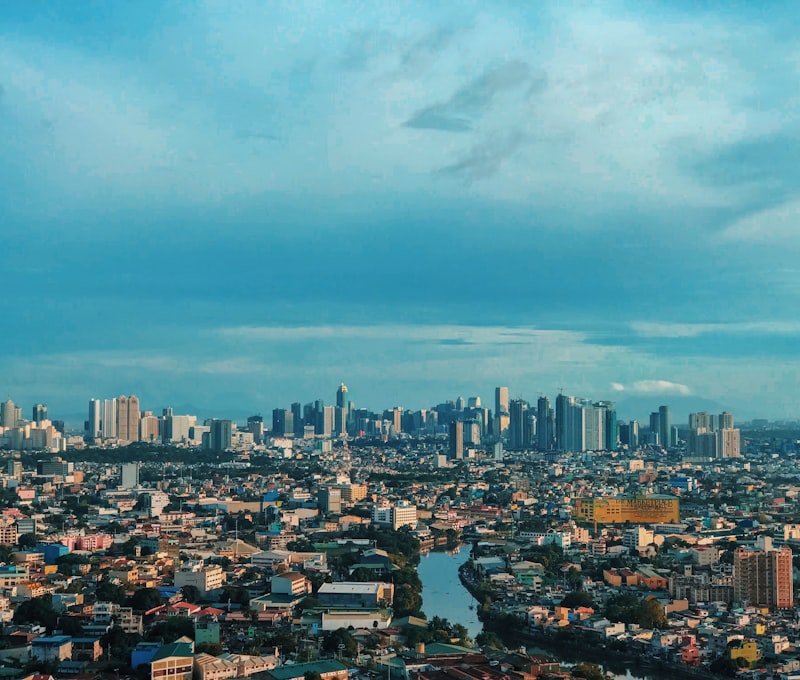
BGC (Bonifacio Global City) is Manila's modern, walkable, upscale district — glass towers, craft coffee roasters, excellent Japanese, Korean, and international restaurants, wide pedestrian avenues, and the High Street retail strip. It's the clearest demonstration of how dramatically Manila has developed in the past decade and a good base for evening dining and nightlife.
The Philippines is one of Southeast Asia's great underrated destinations — extraordinary diving, island scenery of global renown, a warm and distinctively Filipino hospitality, and a cultural identity built from Spanish colonial, American, indigenous, and Southeast Asian influences that is unlike anywhere else in the region. The flight requires planning and the right approach, but it doesn't have to be significantly more expensive than Bangkok or Bali if you know how to look.
Practical Entry and Health Notes
The Philippines eVisa is available for most nationalities online in advance, replacing the previous visa-on-arrival. Processing takes 3–7 days and costs approximately $30 for a 30-day single entry. Extensions are straightforward at any Bureau of Immigration office in Manila, Cebu City, or Davao.
Health considerations: dengue fever is present in the Philippines year-round, particularly during the wet season. Use DEET-based repellent consistently. Typhoid vaccination is recommended given local water and food hygiene standards outside Manila's upscale districts. Hepatitis A cover is advisable. No malaria prophylaxis is typically required for Manila, Cebu, or Palawan (for most of the island), but check current CDC or NHS guidance for remote areas like Mindanao or Palawan's northern regions.
Internet and SIM: the Philippines' mobile networks (Globe and Smart) offer excellent tourist SIM packages with generous data at low prices. Buy at any 7-Eleven, airport terminal, or carrier shop on arrival for approximately ₱300–500 (£4–7) for a month of data. This is essential for using ride-hailing apps (Angkas and Grab work throughout Manila and Cebu), booking domestic ferries, and navigating between islands where signage is limited.
Cash remains king outside Manila's central business districts — most islands operate primarily in Philippine Pesos with minimal card acceptance. Withdraw sufficient pesos in Manila before heading to Palawan or the Visayas, where ATM availability is limited and international withdrawal fees can be disproportionate to the amounts needed.
 Cheapest Flights to Bali from Europe: Routes, Airlines & Prices (2026)
 Cheapest Flights to Bangkok: A Season-by-Season Breakdown
 Cheapest Flights to Delhi: Gulf Hubs, Seasonal Windows, and Market Tricks