
Cheapest Flights to Cairo: When Pyramids Don't Cost a Fortune
June 4, 2026
Cairo International Airport (CAI) sits just four hours from London by air — shorter than the flight to Moscow, closer than Heathrow to Istanbul by scheduled flight, faster than a London–Edinburgh train round trip. Yet many travellers still treat best time to visit Egypt as a complex or expensive long-haul destination when it's actually one of the most accessible and price-competitive routes in the Mediterranean and Middle Eastern basin. Return fares from London to Cairo regularly dip below £200. From continental Europe, they fall even lower — Warsaw to Cairo on Wizz Air has periodically operated for under €100 return. If you've been postponing an Egypt trip because of perceived cost or complexity, the flights are genuinely not the barrier.
The Carrier Landscape from the UK
The Cairo route from the UK is served by a surprisingly competitive mix of carriers covering multiple fare tiers. EgyptAir (MS) is the national carrier and the dominant force on the route, operating multiple daily Heathrow–Cairo flights with a serviceable if not luxurious product. British Airways (BA) competes on the Heathrow route and is the choice for travellers who want UK airline protection and a more reliable service standard. Wizz Air (W6) has entered the market from London Luton with aggressive low-cost pricing and has periodically offered return fares below £99 — the kind of pricing that makes the Egypt trip decision essentially trivial if you can be flexible on dates.
Turkish Airlines (TK) via Istanbul deserves specific mention. The TK routing adds 2–3 hours of total travel time but frequently undercuts direct options by 15–20% in shoulder season. At the new Istanbul Airport (IST), a 2-hour layover is no hardship: the terminal is enormous, well-equipped, and has one of the better airport lounge and food court offerings in the world. EasyJet operates Gatwick–Cairo on a seasonal schedule that's worth checking if Gatwick is more convenient than Heathrow or Luton. Charter operators round out the options, particularly for packaged Red Sea resort products that sometimes include Cairo night extensions.
From Continental Europe: Even More Competition
European travellers have more options than UK passengers and generally lower prices to work from. Ryanair, easyJet, Vueling, and Transavia all operate seasonal or year-round Cairo routes from various European cities. From Paris CDG, the fare market includes Air France, EgyptAir, and low-cost operators with fares regularly below €200 return in shoulder season. From Frankfurt, Lufthansa and EgyptAir compete. From Rome and Milan, EgyptAir and Neos Air offer direct options. From Warsaw, Wizz Air is frequently the market-cheapest option at €80–€120 return — making Cairo one of the most affordable long-haul-adjacent destinations accessible from Central Europe.
The Middle Eastern carriers also play a role in the European–Cairo market, though in a supporting rather than dominant position: Emirates, Etihad, and Qatar all connect European cities to Cairo via Gulf hubs, adding a one-stop routing that's difficult to justify time-wise when direct flights take only 4 hours. The Gulf routing makes sense only if you're already in the region or if pricing is dramatically lower.
The Seasonal Price Curve for Cairo
Cairo's climate creates highly predictable price patterns. Egyptian winters (November–March) are mild and ideal for sightseeing — 18–22°C, low humidity, clear skies, and temperatures that feel genuinely pleasant to European visitors accustomed to grey November. Consequently, winter is peak tourist season, driving up prices for both flights and accommodation. The pyramids at Giza have tour-group density in December–February that requires early arrival (before 8 AM) to manage.
The cheapest windows from Europe are:
- April to June: after Easter crowds and before the summer heat peaks. Daily temperatures reach 30–38°C in June but are manageable with 6–9 AM museum and site visits and midday retreats into air-conditioned spaces. Crowds at the pyramids and Grand Egyptian Museum thin considerably compared to winter. Fares from London typically run £140–£200 return in this window — the best price-to-conditions ratio of the year. - Late August to September: the gap between summer heat peak (July–August, when Cairo regularly hits 38–42°C) and the autumn tourist return. Demand is at its annual low, prices at floor. Late September in particular is worth targeting: the heat has moderated to 28–33°C, prices haven't yet risen for the winter season, and the city is running at normal pace without the peak-tourist overlay. - October: arguably the best overall month from a visitor perspective. Heat has genuinely abated to comfortable levels (24–28°C), tourist season hasn't fully built, and fares remain at shoulder pricing of £160–£230 from London.
The Grand Egyptian Museum: Why Now Is Different
The Grand Egyptian Museum (GEM) at Giza, opened fully in late 2023, fundamentally changes the Cairo museum picture. The old Egyptian Museum on Tahrir Square held Tutankhamun's treasures in crammed, dimly lit galleries that hadn't changed since the 1970s. The GEM is a purpose-built, climate-controlled complex adjacent to the Giza plateau — the largest archaeological museum in the world, housing more than 100,000 artefacts including Tutankhamun's complete treasure in purpose-designed, well-lit galleries with English interpretation. It is, without exaggeration, one of the world's greatest museum experiences.
This matters for trip planning because the GEM requires at minimum a half day and ideally a full day — the Tutankhamun galleries alone justify three hours. Budget your Cairo itinerary accordingly, and visit the GEM on a morning separate from the Giza plateau itself (the adjacent location makes it tempting to combine, but both deserve full attention).
The Red Sea Connection
Many European travellers fly to Egypt primarily for the Red Sea resorts — Sharm el-Sheikh (SSH) on the Sinai Peninsula, Hurghada (HRG) on the mainland Red Sea coast, or Marsa Alam (RMF) further south. These are separate flight markets, largely served by charter operators and package holiday companies rather than scheduled carriers, and frequently sold as all-inclusive packages.
It's worth knowing that a Cairo-first itinerary followed by a domestic EgyptAir flight to the Red Sea is sometimes cheaper than flying directly to a resort, particularly when EgyptAir's Egypt Air Miles program or direct booking pricing is factored in. Cairo to Hurghada on EgyptAir runs $50–$90 one-way booked directly through the airline. The Cairo–Sharm el-Sheikh route is similarly priced. A 4-night Cairo cultural visit followed by 4 nights at a Red Sea resort, connected by domestic flight, can be more affordable in total than the equivalent package holiday, with significantly more control over both segments.
Market Pricing on Cairo Flights
Cairo is a route where cross-market fare checking delivers consistent returns. EgyptAir prices differently across markets — the Egyptian domestic market, the UK market, and various European and Middle Eastern markets all see different fare levels for the same flights, driven by EgyptAir's market-specific yield management and the airline's distribution agreements with different GDS (global distribution system) partners.
RegionFare surfaces these differences by simultaneously checking the same route across dozens of national markets. On a London–Cairo return where the UK market price is £180, finding that the same EgyptAir itinerary prices at £158 through the Egyptian market or £162 through the Emirati market represents a 10–15% saving. Not transformative in absolute terms on a low-base fare, but worth knowing before you book. On more expensive peak-season itineraries or premium cabin bookings, the absolute saving scales proportionally.
Cairo in Three Days: The Essential Itinerary
Most visitors plan 2–4 days in Cairo before continuing to Luxor, the Red Sea, or other Egyptian destinations. The essential three-day structure:
Day 1: Giza plateau (great pyramids, Sphinx, Solar Boat Museum, and the viewpoint above the valley temple). Arrive at opening time (8 AM). The scale of the Khufu pyramid becomes apparent only in person — at 139 metres, it's still taller than any structure in Britain. Hire a licensed guide from the official guide booth (around $45–$65 for 3–4 hours) rather than the informal touts at the gate; the difference in experience is significant. Afternoon: the Grand Egyptian Museum for the Tutankhamun galleries.
Day 2: Old Cairo (the Coptic district, with the Hanging Church of St Mary dating from the 7th century, the Coptic Museum, and the Ben Ezra Synagogue where Moses was supposedly found in the bullrushes). Then Islamic Cairo — the Al-Azhar Mosque complex (founded 970 AD, one of the world's oldest universities), the Mosque of Ibn Tulun (9th century, the oldest mosque in Cairo still standing in its original form), and the Hussein Square neighbourhood for street food. Koshary at El Koshary Abu Tarek on Champollion Street — a three-storey restaurant serving nothing but koshary (Egypt's national dish: rice, lentils, pasta, caramelised onions, spiced tomato sauce) — is an essential Cairo meal for around 25 EGP.
Day 3: Khan el-Khalili bazaar in the morning before heat and crowds peak. This is Cairo's largest and oldest covered market, operating since 1382, and genuinely atmospheric rather than tourist-trap if you navigate away from the main carpet-and-papyrus avenue into the alleys of the gold merchants and spice souks. Afternoon at leisure: Egyptian Museum on Tahrir Square (worth 2 hours for the collections not yet transferred to GEM), or the Islamic Art Museum (underrated, outstanding collection of woodwork, metalwork, and ceramics from 7th–19th century Islamic Egypt).
Practical Notes
UK citizens require a visa for Egypt. The e-Visa is obtained at visa2egypt.gov.eg for $25 USD and is delivered electronically within 3–7 business days — apply at least a week before travel. Many nationalities can obtain visas on arrival at Cairo Airport for $25, but the e-Visa queue moves significantly faster and removes arrival-day uncertainty.
The Egyptian pound has depreciated substantially since 2022; confirm current exchange rates before travel as online price references in local currency may be significantly out of date. ATMs at Cairo Airport and throughout the Zamalek and Maadi neighbourhoods are reliable for withdrawals. Cash is useful for bazaar purchases, smaller restaurants, and tipping guides; cards are accepted at most hotels and larger tourist sites.
Getting between CAI and central Cairo: ride-hailing via Uber or Careem is reliable, safe, and currently runs around EGP 150–250 for the 45-minute journey to Downtown or Zamalek. Cairo Airport taxis are significantly more expensive without firm pre-negotiation. The metro network doesn't reach the airport; the nearest metro station requires a further taxi connection.
Extending Beyond Cairo: Luxor and the Nile
Cairo-only visits miss half of Egypt's archaeological wealth. Luxor (LXR), 650km south, contains more pharaonic monuments per square kilometre than anywhere on earth. The Valley of the Kings (burial site of Tutankhamun and 62 other pharaohs, on the west bank of the Nile), the Temple of Karnak (the largest religious complex ever built, covering 200 hectares and active for 2,000 years), and Luxor Temple (connected to Karnak by the Avenue of Sphinxes) together constitute an itinerary that requires minimum three days to cover properly.
EgyptAir flies Cairo to Luxor in 55 minutes multiple times daily for $60–$120 one-way booked domestically. Alternatively, the overnight sleeper train from Cairo Ramses station to Luxor (12 hours, operated by Abela Egypt Sleeping Trains) is a classic travel experience: private two-berth compartments with dinner and breakfast included, arriving at Luxor at dawn. First-class sleeper fares run around $80–$100 per person and sell out weeks ahead in high season.
Aswan, another 3 hours south of Luxor by train, adds Abu Simbel (70km into the Nubian desert, a 3-hour bus trip or short flight, the most dramatic temple in Egypt — two rock-cut temples commissioned by Ramesses II that were physically relocated 65 metres uphill in 1968 to avoid the rising waters of Lake Nasser after the Aswan High Dam). Aswan itself is smaller and quieter than Luxor with a significantly more relaxed character — the Nubian villages opposite the town, accessible by felucca sailing boat, are a counterpoint to the pharaonic intensity of the rest of the itinerary.
A Cairo-Luxor-Aswan circuit of 7–10 days represents one of the greatest value-for-experience ratios in international travel: extraordinary monument density, affordable domestic transport, low food costs, and a long-haul flight from Europe that prices well below most comparable long-distance destinations.
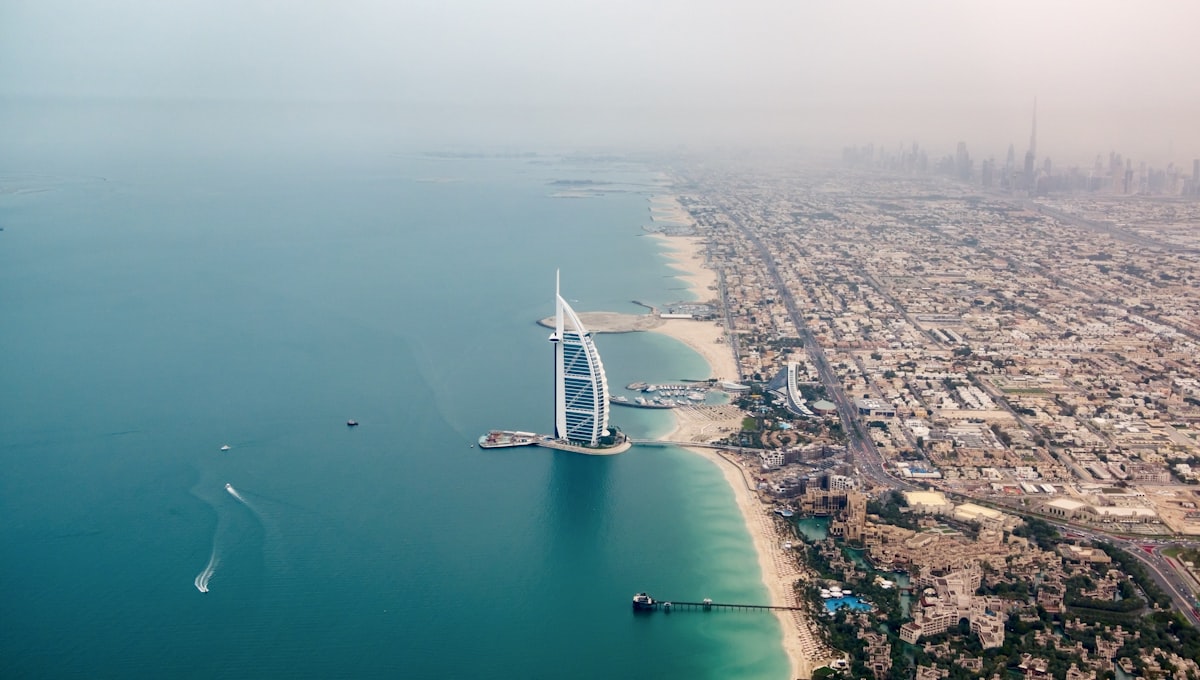 Cheapest Flights to Dubai: Routes, Timing, and Regional Tricks
 Cheapest Flights to Istanbul: The Crossroads Advantage