
Best Time to Visit Kenya: Great Migration, Beaches, and Budget Months
June 15, 2026
Best Time to Visit Kenya: Great Migration, Beaches, and Budget Months
Kenya is not a single destination — it's a country that wears completely different faces depending on the month you arrive. The vast savannahs of the Maasai Mara have their own seasonal rhythms, shaped by the movement of 1.5 million wildebeest. The Swahili Coast of Mombasa and Diani operates on a separate climate cycle, governed by monsoon winds from the Indian Ocean. cheapest flights to Nairobi's highlands stay temperate year-round. Knowing the difference between these regions, and what the wildlife is doing each month, is the essential foundation of a Kenya trip that actually meets your expectations.
Kenya's Two Rainy Seasons
Kenya has two distinct wet periods, which shapes everything about when to visit. The long rains fall from late March through May, with April typically being the wettest month across most of the country. The short rains arrive in October and November, lighter and less predictable — they can be brief daily showers or more sustained wet spells depending on the year. Between these two windows, you have two peak dry seasons: January–February and July–September.
The dry seasons are when safari conditions are at their best. Vegetation thins out as grasses dry and trees shed leaves, animals concentrate around permanent water sources like rivers and waterholes, and spotting game becomes far easier against the spare landscape. Dust replaces mud, and most roads in national parks remain accessible even for standard 4x4 vehicles rather than requiring heavy-duty expedition vehicles.
The rainy seasons bring their own distinct rewards — dramatically green landscapes, fewer tourists crowding the bush, significantly lower prices at lodges and camps, and for birdwatchers, the spectacle of migratory species arriving from Europe and Central Asia. The long rains can make some dirt roads in parks like Tsavo West temporarily impassable, but established lodges with tarmac access remain operational throughout.
The Great Migration: Timing Your Maasai Mara Visit
The Great Migration — the annual movement of roughly 1.5 million wildebeest plus hundreds of thousands of zebra and gazelle between Tanzania's Serengeti and Kenya's Maasai Mara — is one of the natural world's defining spectacles. It is also one of the most misunderstood events in wildlife tourism. The migration is not a single moment or a predictable annual date. It's a continuous, year-round movement following rainfall and pasture across the Serengeti–Mara ecosystem.
Kenya's front-row seat to this event is primarily from July to October, when the herds push north across the Mara River into Kenyan territory. The river crossings are the signature event: panicking wildebeest launching themselves into crocodile-filled water in a chaotic, thundering stampede that lasts only minutes but stays in your memory for a lifetime. These crossings are genuinely unpredictable — guides and rangers track the herds daily, and experienced safari operators know which crossing points to position vehicles for. August and September see the highest frequency of crossings.
Outside migration season, the Mara remains an extraordinary destination. The resident wildlife — lions, elephants, cheetahs, leopards, hippos, and buffalo — is present year-round. The Mara's resident lion prides are among the most studied and habituated in Africa, allowing vehicle approaches that would be impossible in less-visited parks. You'll rarely come away from a full-day game drive disappointed, regardless of month.
January and February, in the dry short-grass season after the short rains, can be excellent for big cat sightings with minimal crowds and lower lodge rates than peak migration. The cheetahs of the Mara are particularly active in this period, hunting Thompson's gazelles across open plains where visibility is excellent.
Amboseli, Samburu, and the Northern Circuit
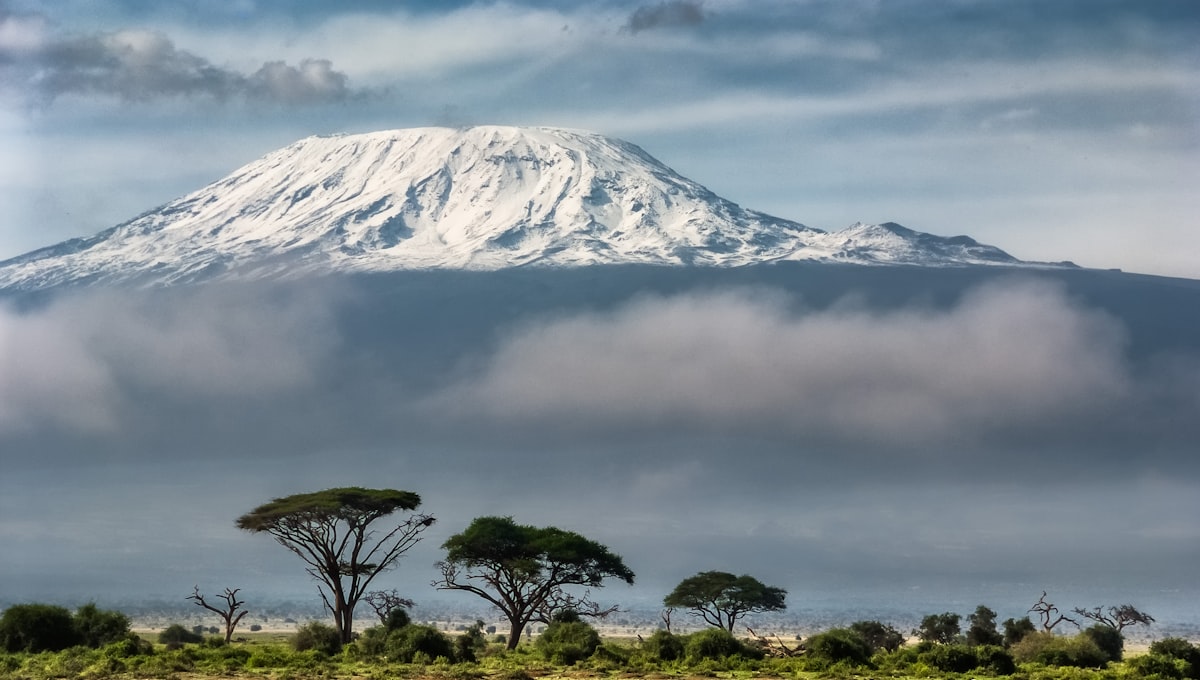
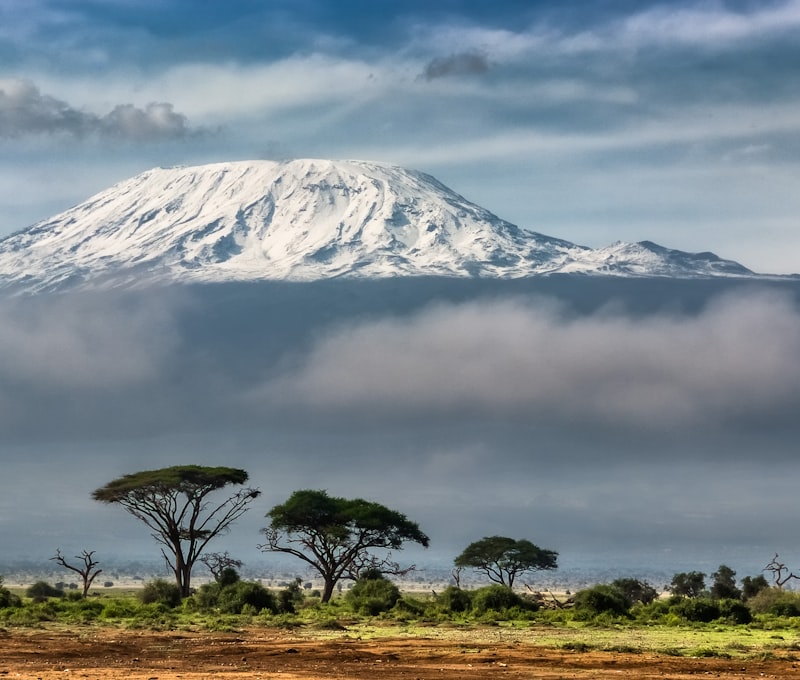
Not all of Kenya is the Mara. Amboseli National Park, with its iconic backdrop of Kilimanjaro and its famous large-tusked elephants, is best visited in the dry months — January–February and July–August — when elephant herds congregate at the swamp margins and the mountain is clearest without cloud cover. The wet season can make Amboseli's notorious black cotton soil roads genuinely treacherous even for experienced 4x4 drivers.
Amboseli's elephant populations include some of the last great-tusked bulls in East Africa — individuals with tusks exceeding 50kg that are rarely encountered elsewhere. The opportunity to watch these animals against the world's highest freestanding mountain is one of Africa's genuinely singular photographic experiences.
Samburu National Reserve in the north is wilder, drier, and significantly less visited than the Mara or Amboseli. The Ewaso Nyiro River runs through the park, sustaining wildlife in an otherwise arid landscape, and the reserve offers species you won't find in southern Kenya: Grevy's zebra (the largest wild equid), reticulated giraffe (the tallest individual giraffes on earth), Beisa oryx, and the long-necked gerenuk antelope, which stands on its hind legs to browse from high branches. The best time to visit Samburu is December to March, before the long rains.
The Swahili Coast: Mombasa, Diani, and Lamu
Kenya's Indian Ocean coast operates on different seasonal logic entirely. The coast has its own monsoon: the Kusi (southwest) monsoon brings rain and rough seas from April to June, and the Kaskazi (northeast) monsoon brings a drier, windier period from November to March. The best beach weather is generally December to March and July to October — two distinct windows of calm, warm seas.
Diani Beach, south of Mombasa, is Kenya's premier beach destination — white sand, clear water of 26–28°C temperature, and a more relaxed scene than the busier resorts around Mombasa itself. The reef running parallel to Diani is a protected marine park and offers accessible snorkeling from the beach. October is particularly good for whale sharks along this coastline.
Lamu, the medieval Swahili island in the north, is best visited between October and March. Its unique dhow culture, UNESCO-listed old town of coral stone buildings and narrow donkey-only streets, and extraordinary atmospheric quality make it unlike anywhere else in East Africa. The sea crossing from the mainland can be rough during the monsoon.
Combining Safari and Beach: The Classic Kenya Itinerary
If you're combining safari and beach — a classic Kenya formula — the cleanest combination is a late July or August safari in the Mara (migration peak), then five days on the coast at Diani or Watamu. You get the best of both worlds in a single trip, and the Nairobi layover between the two works logistically since most beach-bound flights connect via Nairobi's Wilson Airport anyway.
An alternative favourite itinerary: Amboseli (three nights, elephant focus), then Samburu (three nights, northern specials), then Diani (five nights, beach). This covers three distinct ecosystems and three distinct experiences without the migration crowds of the Mara in peak season.
Budget Months: When Prices Drop
The months of May and June represent Kenya's best value period. The long rains are tapering, lodges and camps are partially empty, and prices can fall 30–50% below peak rates. Some ultra-luxury tented camps in the Mara close entirely during the low season, but mid-range options remain open and offer excellent deals. Green season landscapes are spectacular for photography.
November is another budget window. The short rains are falling but unreliably — you might get a week of perfect weather with lodge prices 20–30% below October levels. Game viewing is still productive since the migration has recently departed and resident populations are still concentrated at water sources.
Flight-wise, January and May tend to offer the cheapest airfares from Europe to Nairobi, with return fares on Kenya Airways, British Airways, or KLM dropping below £550. RegionFare's cross-market comparison regularly surfaces lower prices for Nairobi flights booked through Gulf-region portals rather than UK ones — a consistent and significant saving on this route.
What to Pack and What to Know
Kenya sits on the equator but its interior is elevated — Nairobi is at 1,700m, the Mara at 1,500m. Nights in the bush can be genuinely cold, especially in July and August (Southern Hemisphere winter influence pushes temperatures down to 12–15°C at night in the Mara). Pack fleece layers even if you're expecting warm days, and bring a proper safari jacket with multiple pockets for camera gear, sunscreen, and binoculars.
Visa-wise, Kenya introduced an eTA (Electronic Travel Authorization) system in 2023 for most nationalities, replacing the previous visa-on-arrival. Apply online at least 72 hours before travel — it's typically approved within 24 hours at a cost of $30. Processing can occasionally take longer during peak periods.
Yellow fever vaccination is required if arriving from or transiting through a yellow fever endemic country. Malaria prophylaxis is strongly recommended for the coast and low-altitude park regions; the highlands of Nairobi are generally low-risk. Antimalarials should be started in advance — consult your travel health clinic at least six weeks before departure.
Nairobi: More Than Just a Transit Point
Many Kenya itineraries treat Nairobi as a nuisance transfer rather than a destination in its own right. This is a missed opportunity. The city of 5 million people is East Africa's most cosmopolitan capital, with a restaurant scene that has evolved dramatically over the past decade — Japanese, Korean, Ethiopian, Italian, and contemporary Kenyan cuisine are all available at high quality in the Westlands and Karen districts. The David Sheldrick Wildlife Trust at the Nairobi National Park boundary runs elephant orphan feeding sessions each morning where rescued elephant calves interact with visitors, one of East Africa's most charming wildlife experiences. The Giraffe Centre allows you to feed endangered Rothschild giraffes from a raised platform at eye level — unrepeatable close contact with one of Africa's most distinctive animals.
Nairobi National Park itself is unique in the world: a wildlife park literally on the edge of a capital city, where lions, rhinos, leopards, and buffalo roam against a backdrop of office towers. Game drives in Nairobi National Park cost a fraction of the conservancies further afield and can be combined with a morning at the Sheldrick Trust for a full-day wildlife experience without leaving the city.
Flight Prices and How to Find Them
Return fares from London to Nairobi (NBO) have become more competitive since Kenya Airways resumed and expanded direct Heathrow service. Kenya Airways direct flights typically run £520–680 return in the shoulder season. British Airways direct from Heathrow runs £560–720. Emirates via Dubai, Qatar via Doha, and KLM via Amsterdam are all competitive alternatives with slightly longer journey times. January and May consistently offer the lowest fares of the year — sometimes breaking below £500 return.
RegionFare cross-market comparison regularly surfaces meaningful price differences on Nairobi routes. The same Emirates flight from London to Nairobi can differ by £80–120 between UK and UAE-origin portal prices. On a route this popular with the diaspora market, checking multiple market prices before booking is a consistently worthwhile exercise.
Kenya rewards careful seasonal planning more than almost any other destination in the world. Get the timing right for your priorities — migration, beaches, budget, or specific wildlife — and you'll witness some of the most dramatic natural events on the planet.
 Best Time to Visit Egypt: Pyramids, Red Sea, and Nile Cruises Without the Heat
 Best Time to Visit Jordan: Petra, Wadi Rum, and the Dead Sea
 Best Time to Visit Morocco: Heat, Crowds, and Cheap Flights