
Best Time to Visit Jordan: Petra, Wadi Rum, and the Dead Sea
June 10, 2026
Understanding Jordan's Climate Zones
Jordan is a small country by surface area but contains extraordinary climate variation. The Jordan Valley and Dead Sea sit 400 meters below sea level and bake in summer heat. Petra, carved into sandstone at 900 meters elevation, gets cold winter nights. Wadi Rum's desert floor swings between 40°C days and 10°C nights in the same season. Understanding these zones before you book determines whether your trip is comfortable or genuinely difficult.
The country has two principal tourism windows: spring (March–May) and autumn (September–November). Both offer mild temperatures across the major sites and manageable crowds. Summer and winter each have their own logic — not wrong choices, just more demanding ones.
Spring: The Gold Standard (March–May)
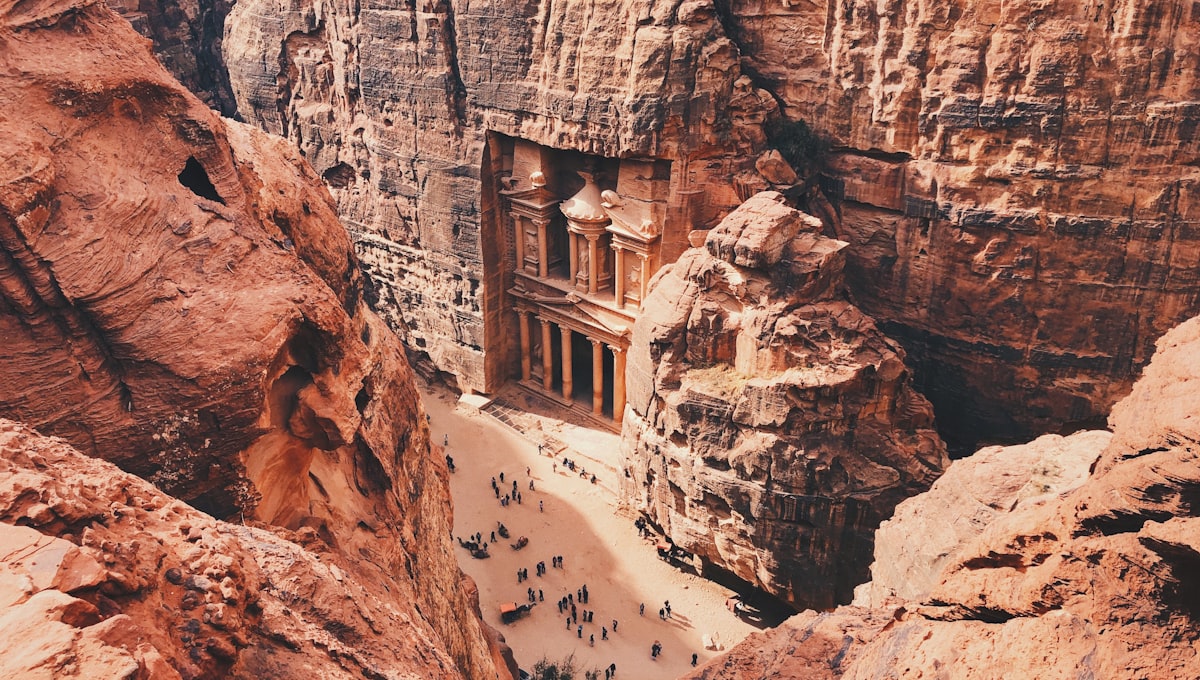
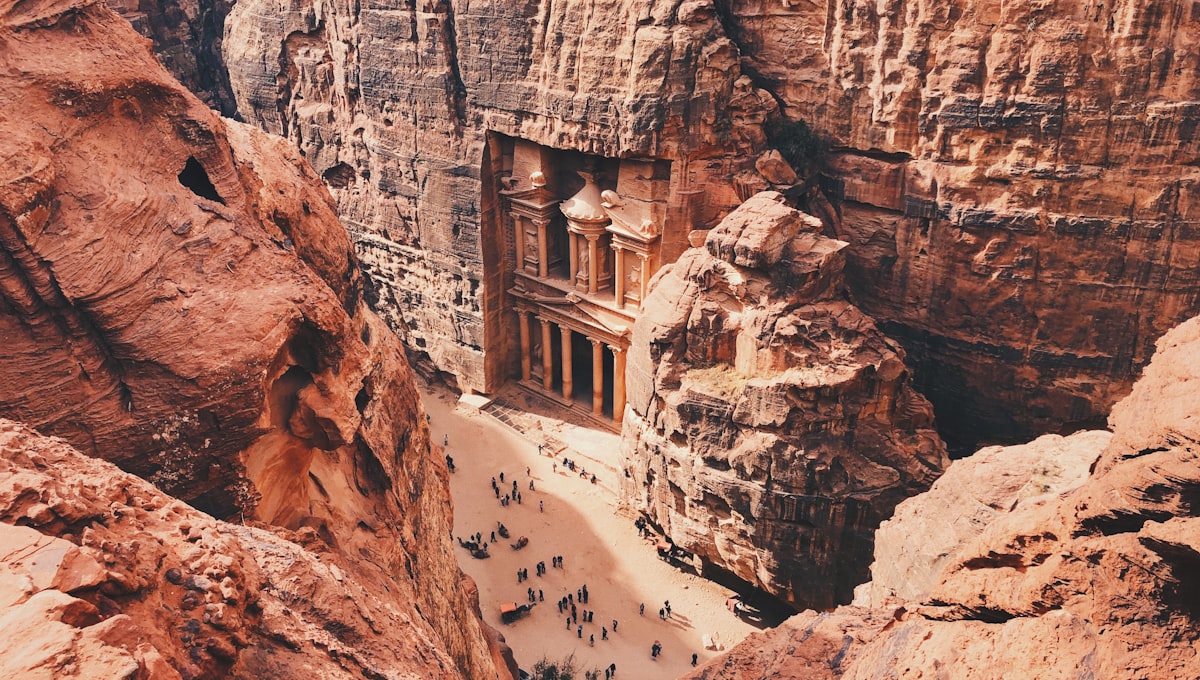
March through May is universally considered the best time to visit Jordan. Temperatures in Petra hover between 15°C and 25°C during the day, ideal for the long walks the site demands. The Treasury looks particularly striking in spring light, and the rose-pink sandstone is at its most vivid without the harsh shadows of midday summer sun. Wildflowers bloom across Wadi Rum in March and April, a sight most visitors don't associate with a desert landscape.
The Dead Sea in spring sits around 28°C — warm enough to float comfortably without the oppressive heat of July and August. Rainfall is possible in March but becomes rare by late April. This window attracts tourists, so expect Petra to be busy on weekends. Weekday visits, particularly Tuesday and Wednesday mornings, are noticeably quieter.
Flights to Queen Alia International Airport in Amman are competitively priced in spring. Royal Jordanian, the national carrier, runs direct routes from London, Paris, Frankfurt, and Amsterdam. Budget options via Turkish Airlines (with a short Istanbul connection) or flydubai frequently undercut direct fares by 20–30%.
Autumn: The Second Window (September–November)
September and October mirror spring in almost every practical way. The summer heat has broken, temperatures are comfortable, and the light in Wadi Rum turns spectacular — long golden hours that make it the most photographed season for desert landscapes. Petra by night events (held Monday, Wednesday, and Thursday evenings) feel particularly atmospheric in autumn.
November brings a slight uptick in rain and colder nights, but it's also when crowds thin most dramatically. Hotel rates in Petra town drop significantly, and Wadi Rum camps offer lower rates than the high season. If you're budget-conscious and don't mind packing an extra layer, early-to-mid November is arguably the shrewdest window in the calendar.
Summer: Hot But Manageable With Strategy (June–August)
Jordan in summer is hot. Amman sits at 900 meters and stays pleasant — rarely above 32°C. But Petra's canyon walks become grueling in the afternoon, and the Dead Sea in August reaches water temperatures above 35°C, which many visitors find uncomfortably warm for floating. Wadi Rum in July and August is extreme midday heat, though guided jeep tours are scheduled around it, leaving at dawn and returning before noon.
The practical upside of summer: fewer European tourists (many find the heat off-putting), lower airfares, and discounted hotel rates. Aqaba on the Red Sea actually peaks in summer for water sports — the sea is perfectly warm and consistently calm. If your trip centers on scuba diving or snorkeling at Aqaba rather than hiking Petra, summer has real advantages.
Winter: Cold Petra, Cheap Everything (December–February)
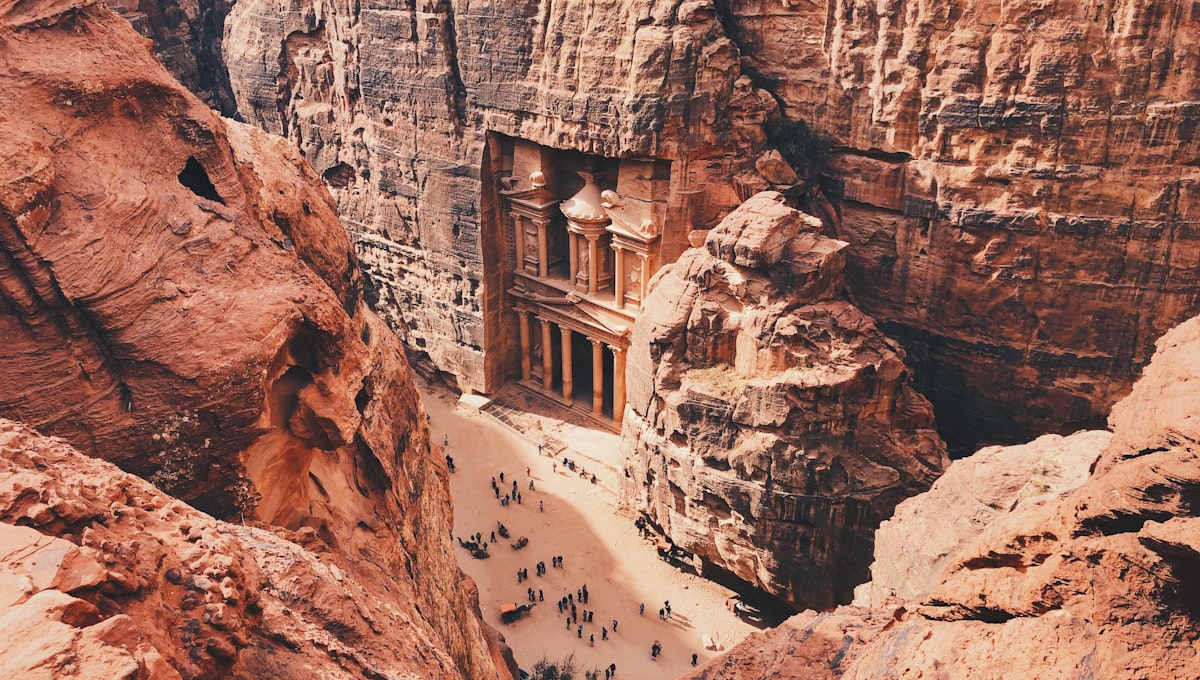
Winter is Jordan's least visited season and its most underrated for a specific type of traveler. Petra in January is cold — 5°C at night, 12°C during the day — and occasionally sees light snow, which turns the canyon walls a striking pink-white. The site is nearly empty. Entry queues that run 45 minutes in April disappear entirely. You can walk to the Monastery, a 850-step climb, without a single other tourist in sight.
The Dead Sea is cold for swimming (around 20°C water temperature) but still functional for floating — the high salt concentration means the body experience is distinct from regular sea swimming, and the winter air makes the floating feel refreshing rather than sticky. Wadi Rum nights in January are genuinely cold, dipping to 3–5°C, so bubble tent camps with heating become valuable rather than a luxury upgrade.
Flights in January and February are at their cheapest. Royal Jordanian often drops round-trip fares from London to under £350, and Turkish Airlines connections regularly come in under £280 when booked 6–8 weeks ahead.
Ramadan: Plan Around It or Into It
Ramadan's timing shifts each year by roughly 11 days. During Ramadan, many restaurants close during daylight hours, some attractions have reduced hours, and the pace of the country changes. For travelers interested in culture, Iftar (the breaking of the fast at sunset) is a genuinely warm community experience — many hotels set up communal Iftar tables open to guests. For travelers primarily interested in hiking and eating freely throughout the day, Ramadan adds logistics complexity and is worth checking before booking.
How Long Do You Need?
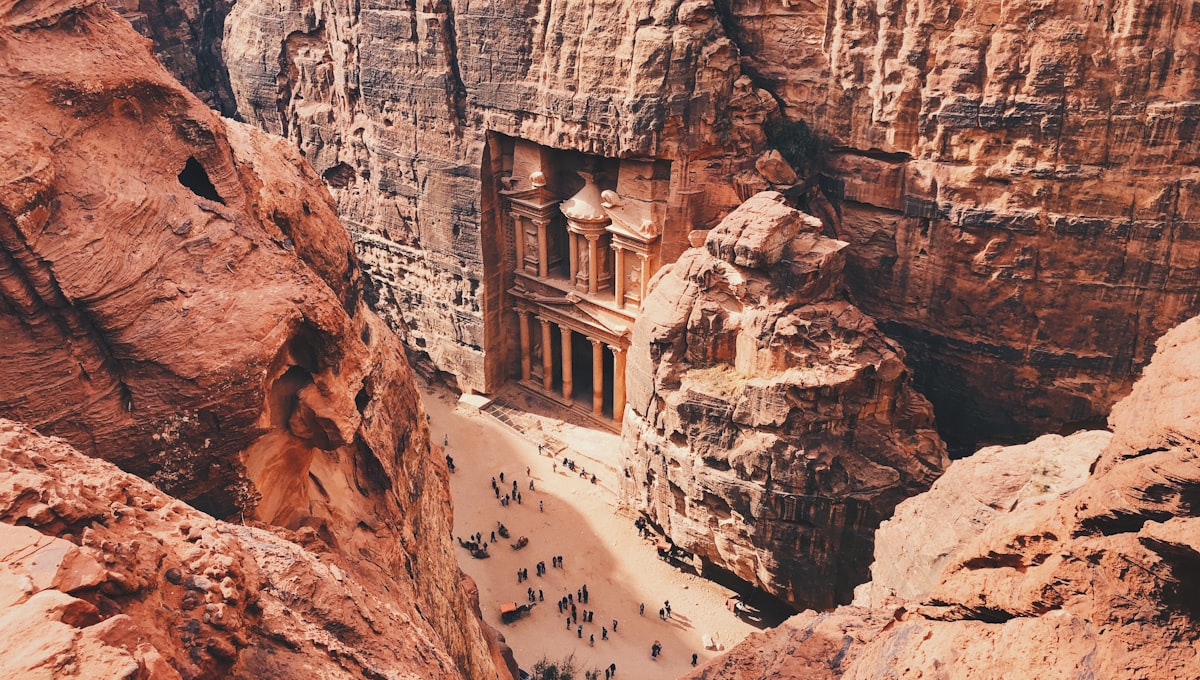
A well-structured Jordan itinerary needs at least 6 days to cover Amman, Petra, Wadi Rum, and the Dead Sea without feeling rushed. 9–10 days allows you to add Jerash (the best-preserved Roman city outside Italy), Aqaba, and Madaba. Petra alone merits two full days — the Treasury is the iconic view, but the Monastery, the High Place of Sacrifice, and the Little Petra annex each warrant dedicated time.
The Verdict
March–April is the consensus best window: comfortable temperatures across all sites, spring wildflowers in Wadi Rum, pleasant Dead Sea conditions, and good flight availability. October runs a close second with better light for photography and lower crowds. If budget is the primary driver, January offers the cheapest flights and near-empty sites at the cost of cold mornings and limited restaurant hours. Whatever window you choose, Jordan rewards visitors with some of the most dramatic landscapes and warmly hospitable communities in the Middle East.
 Best Time to Visit Egypt: Pyramids, Red Sea, and Nile Cruises Without the Heat
 Best Time to Visit Morocco: Heat, Crowds, and Cheap Flights