
Best Time to Visit Iceland: Northern Lights, Midnight Sun, and Cheap Flights
May 20, 2026
Iceland (KEF) doesn't have a single best time to visit — it has different best times depending on what you're optimising for. Northern lights, midnight sun, waterfalls at peak flow, puffins, road access to the Highlands — each has its own narrow seasonal window. Understanding this makes the pricing patterns logical: flights are 30–50% cheaper in winter for a reason, and that reason isn't that Iceland is worse in January.
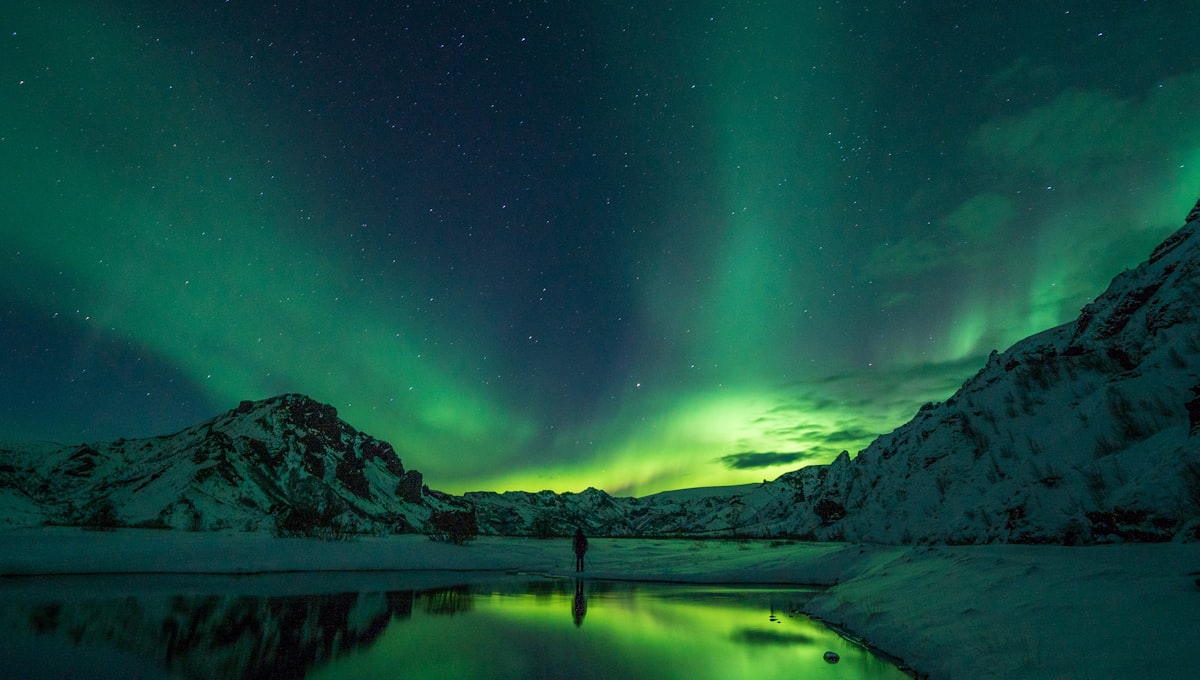
Winter (November–February): Northern Lights and Low Prices
The northern lights (aurora borealis) require three things: darkness, clear skies, and solar activity. Iceland provides the first; the second and third are variable. The prime window for darkness runs from late October through March, with the longest dark nights in December and January. Clear sky probability varies significantly by location — the Westfjords and the eastern interior tend to have clearer skies than the Reykjavik area, which experiences the same Atlantic weather systems that make western Norway unpredictable.
Return flights from London LHR or Gatwick to Reykjavik Keflavik (KEF) in January regularly fall to £120–£180 on Icelandair (FI) or PLAY Airlines (OG). In July, the same routing might cost £250–£350. The price difference represents a real trade-off, not a false economy.
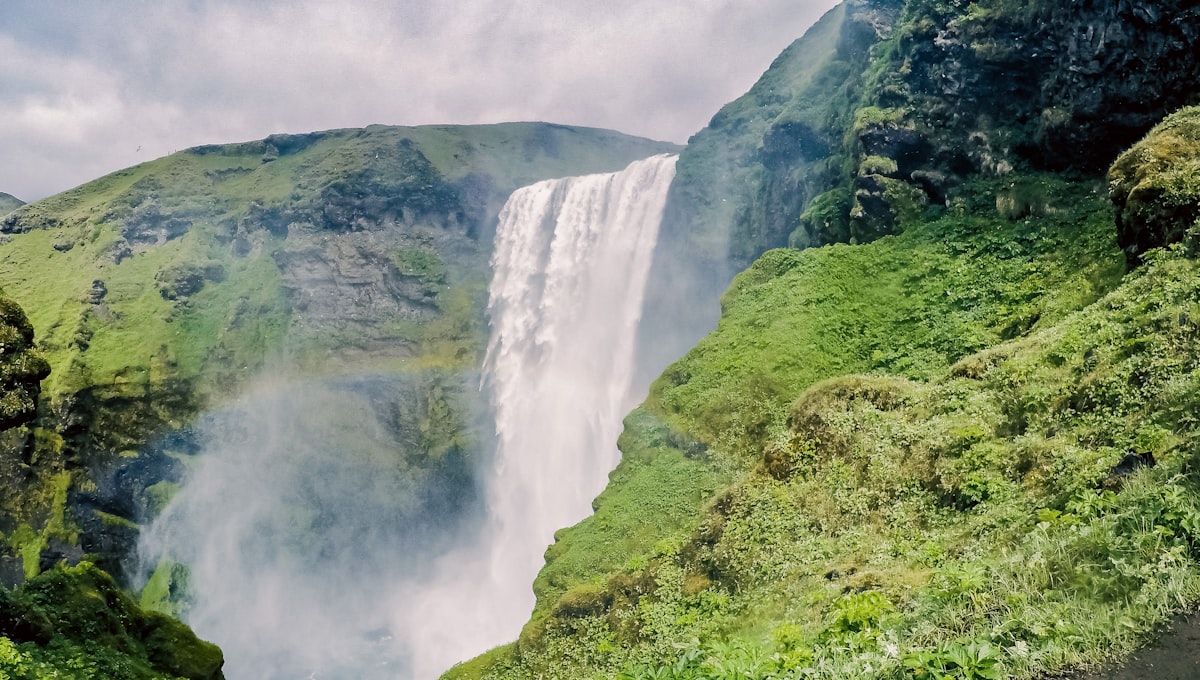
What you give up in winter: Daylight is extremely limited (4–5 hours in December), the Highlands and the F-roads (interior mountain roads) are completely closed, some waterfalls are frozen rather than flowing, and most puffin colonies have left for the open ocean. What you gain: empty Golden Circle, available accommodation at reduced rates, a genuinely dramatic winter landscape, and the potential (probability 30–50% over a clear-sky 3-night trip) of seeing the aurora.
Spring (March–May): The Transition Window
March and April occupy a sweet spot. Daylight increases rapidly (Iceland's latitude means dramatic day-length changes), prices are still moderate, and the landscape is dramatic in a different way: snow at altitude, green emerging at lower elevations, and some of the best waterfall volumes of the year from snowmelt.
The aurora is still visible in March on dark, clear nights, and daylight reaches 12–14 hours by late April. The Snæfellsnes Peninsula (accessible year-round with care) is particularly beautiful in spring. Flight prices in March typically run £160–£220 return from London.
Summer (June–August): Midnight Sun and Maximum Access
The midnight sun — genuine 24-hour daylight — runs from around June 10 to July 2. For many travellers, particularly those who have not experienced high-latitude summers before, it is disorienting in the best possible way: the light quality at 11pm in June is the same as early morning, long and golden and still. Photographers plan entire trips around it.
Summer also unlocks the F-roads — the highland interior routes requiring 4WD vehicles with river-crossing capability. The Kjölur route (F35), the Sprengisandur route (F26), and the tracks around Landmannalaugar are only accessible July–September. The Highlands are Iceland's most dramatic and least visited landscape, and summer is the only time most people can reach them.
The practical downsides: July and August are Iceland's busiest months. Major attractions (Geysir, Gullfoss, Seljalandsfoss) are crowded. Accommodation requires booking 3–6 months ahead. Flight prices peak. Camping is cheap (the Camping Card gives unlimited access to most campsites for €209 for 2 people), but hotels and guesthouses are expensive relative to the rest of the year.
Autumn (September–October): Best Overall Balance
September and October are consistently recommended by repeat Iceland visitors as the best overall combination of factors. The reasons:
- The F-roads are still open in September and most of October - Northern lights become visible from mid-September onward (nights are dark again) - Puffins are still present in early September (they leave around mid-September to late September depending on location) - Autumn colours — yellows, reds, and browns on the heathland — make the landscape visually rich - Prices drop from summer peaks but don't hit winter lows - Crowd levels fall sharply after school holidays end in late August
Return flights in September: £160–£220 from London; €150–€210 from most Northern European cities.
Airlines and Routes
Icelandair (FI) is the main carrier and connects Reykjavik to a wide range of European and North American cities. PLAY Airlines (OG), a Reykjavik-based LCC, has expanded its European network significantly since 2021 and often undercuts Icelandair on price for direct routes from UK, Germany, France, and 48 hours in Copenhagen. WOW Air's successors (including PLAY) continue the budget transatlantic market that briefly made KEF a budget hub — though those prices have moderated.
From North America, Icelandair and Air Iceland Connect (DY on some routes) cover major East Coast gateways (JFK, BOS, ORD). The transatlantic prices vary significantly by booking market — US portal prices vs. UK portal prices for the same Icelandair flight can differ by $80–120.
A Note on the Ring Road
Highway 1, the Ring Road, circumnavigates the island and is the backbone of most self-drive itineraries. It is paved throughout and 4WD is not strictly required in summer. The full ring is approximately 1,332km and can be driven continuously in 24 hours — but requires 7–10 days minimum to do properly. In winter, sections can be closed by weather; the Icelandic Road Administration website (road.is) provides real-time conditions and closures.
Budget Expectations
Iceland is expensive. Budget travellers on camping cards can manage on €80–100/day including accommodation, fuel, and food (self-catering). Mid-range (guesthouses, eating out once a day, occasional tours) runs €150–220/day. A proper Northern Lights jeep tour costs €80–120 per person; the Golden Circle bus tour costs €50–80. The Blue Lagoon geothermal spa (near the airport, perfect for a pre-departure visit) costs €50–90 depending on the package.
Flight prices and accommodation make November–March materially cheaper — often by €200–400 on a total trip budget — which is worth factoring into the seasonal decision.
Month-by-Month Iceland Guide
The broad seasonal categories above compress real variation. Here is what each month actually delivers.
January: The darkest month. Sunrise around 11am, sunset around 3:30pm — less than five hours of usable light. Aurora probability is high on clear nights. Prices are at their annual floor: KEF return from London regularly falls to £120–£160. The Golden Circle, Reykjavik, and the south coast are accessible; the Highlands and most F-roads are completely closed. Expect cold (averaging -1°C in Reykjavik, colder inland) and frequent wind. This is Iceland for aurora hunters who accept the trade-offs.
February: Marginally longer days (sunrise around 10am, sunset around 5pm by month's end). Still aurora season, still winter pricing. February sometimes offers the best value of any month — prices below January's because it lacks the New Year holiday premium that can affect late December and early January.
March: A transition month that many experienced Iceland visitors rate highly. Days lengthen rapidly (gaining 6–8 minutes per day at this latitude). Aurora still visible on dark nights in early March. The landscape has often had fresh snow at altitude while valley roads are clear. Prices remain moderate (£150–£200 from London). The first tour groups arrive but the island is not yet crowded.
April: Spring arrives, but unevenly. The Westfjords still have winter conditions in early April. Puffins begin returning to Látrabjarg cliffs in late April. The waterfalls — Seljalandsfoss, Skógafoss, Dettifoss — carry the first melt volumes. Flight prices begin rising. A good compromise month for first-timers who want reasonable daylight (14–16 hours by late April) without peak-season pricing.
May: One of the quietest good-weather months. The interior F-roads remain mostly closed until mid-June but the highlands periphery begins opening. Puffin colonies at Westman Islands (Vestmannaeyjar) are active. Midnight sun twilight begins — full darkness disappears for a few hours but real night does not return. Flight prices: £170–£230 from London.
June: The midnight sun is at its most complete. Sunrise around 2:50am, sunset around midnight — continuous daylight. The F-roads open progressively through June. Crowds are building but July levels have not yet arrived. Accommodation still bookable 2–4 weeks ahead on many routes. Flight prices: £220–£290 from London.
July: Peak month. Maximum access (all F-roads open, all puffin colonies active, waterfalls at summer volume), maximum crowds, maximum prices. Geysir and Gullfoss are genuinely busy. Accommodation near popular stops requires 2–3 month advance booking. KEF flights from London: £260–£360. Worth it for travellers who need the F-road access or the bird colonies; those with flexibility should consider June or August.
August: Essentially identical to July in terms of access and weather, with slightly shorter days and slightly lower prices as the month progresses. The puffins begin leaving their colonies in late August — if puffins are a priority, early August is safer than late. The Highlands are at their most accessible. A strong overall month.
September: The month repeat visitors most often recommend. Northern lights become visible from mid-September as astronomical darkness returns. The F-roads close progressively through October but remain open in September. Autumn colours — reds and yellows on heathland, mossy green lava fields — make the landscape visually rich. Puffins have mostly departed. Prices drop from August peaks: £170–£230 from London. The combination of aurora potential, F-road access, and manageable crowds makes this the highest-rated month for most purposes.
October: Transitional. F-roads closing. Northern lights increasingly reliable as nights lengthen. The interior becomes inaccessible to most vehicles. The Ring Road remains fully accessible. Flight prices: £150–£200. A good aurora-focused month without January's extreme darkness trade-offs.
November–December: Full winter conditions return. Christmas in Reykjavik is atmospheric — the city is well-lit and the Advent culture is strong — but daylight is at its minimum. Prices for the Christmas and New Year period spike; mid-November and early December before Christmas travel begins are the cheapest windows of the year.

Ring Road Seasons: What to Expect
Highway 1 — the 1,332km Ring Road — is Iceland's essential self-drive route. Its seasonal behaviour determines what kind of trip is possible.
Summer (June–September): The full Ring Road is accessible in a standard 2WD vehicle, though a larger car provides more comfort on rougher sections. A minimum of 7 days is required to drive the full circuit while stopping meaningfully; 10–12 days is more realistic for travellers who want to explore beyond the roadside. The East Fjords section between Höfn and Egilsstaðir and the northern coast between Akureyri and the Eastfjords are the most dramatic and least visited portions of the route.
shoulder season guide (May, October): The Ring Road itself is generally clear and salted, but some connecting roads to specific attractions (Jökulsárlón's northern shore, some waterfall approach roads) may be unpaved and require care. Weather windows are shorter. The VegaKort (Icelandic Road and Coastal Administration) site road.is provides real-time road status.
Winter (November–April): The Ring Road officially remains open year-round but winter closures occur, particularly in the north (between Akureyri and the East Fjords) during heavy snowfall. A 4WD vehicle is strongly recommended and often required for rental in winter. Snow chains are mandatory in certain conditions. The south coast between Reykjavik and Vík is the most reliably accessible in winter and contains much of Iceland's most dramatic scenery (Reynisfjara black sand beach, Dyrhólaey arch, Skógafoss).
Northern Lights: Practical Guidance
The aurora borealis is visible when three conditions align simultaneously: darkness (Kp index-independent), clear skies, and sufficient solar activity (Kp 3+ visible near the horizon, Kp 5+ visible lower in the sky over light-polluted areas).
Clear sky forecasting in Iceland is notoriously difficult beyond 48 hours. The Veðurstofa Íslands (Icelandic Meteorological Office) at vedur.is provides cloud cover forecasts. The aurora forecast itself comes from the Space Weather Prediction Center — vedur.is also publishes the Kp index forecast.
Practical aurora strategy: book accommodation outside Reykjavik. The capital's light pollution significantly reduces visibility. A guesthouse along the south coast (Vík, Kirkjubæjarklaustur) or on the Snæfellsnes Peninsula gives darker skies and more flexibility to chase clear patches. Aurora tours depart Reykjavik nightly in season and use minibuses to drive away from clouds — these work reasonably well for travellers without their own vehicle. Cost: €80–€120 per person.
The Westfjords have the most consistently clear skies of any accessible region. The trade-off is that they require a long drive or internal flight from Reykjavik (Westfjords Air flies KEF–ÍSA in around 45 minutes, around €150 each way).
Flight Pricing Patterns
Icelandair (FI) is the dominant carrier from Europe and North America and controls significant pricing power on many routes. PLAY Airlines (OG) has disrupted this on key European routes since 2021, operating a point-to-point LCC model that consistently undercuts Icelandair on price from UK, Germany, France, and Scandinavia.
From London specifically: Icelandair from LHR and PLAY from LGW are the main options. PLAY's Luton or Gatwick base means a ground transfer that Icelandair's Heathrow service avoids — factor in the £10–£20 airport transfer when comparing headline fares.
Cross-market pricing on Iceland routes is meaningful. Icelandair's US-facing portal frequently shows lower USD prices for the same KEF–JFK or KEF–BOS route than the UK-facing portal does in GBP. The price difference can reach $80–120 on a return ticket. Checking both portals before booking is worth 3 minutes of effort on any transatlantic Iceland fare.
 Best Time to Visit Japan: Cherry Blossoms, Autumn, or Cheap Season?