
48 Hours in Krakow: History, Pierogi, and Kazimierz by Night
May 22, 2026
Krakow is one of Central Europe's most rewarding short-break destinations. Unlike many cities that survived the Second World War with their historic cores badly damaged, Krakow emerged largely intact—its medieval churches, Renaissance courtyards, and Baroque facades still standing in a density that takes most first-time visitors by surprise. Two days is not enough to exhaust the city, but it is enough to get a genuine feel for it.
Arriving: Flights and Getting into the City
Krakow John Paul II International Airport (KRK) is served from across Europe. Ryanair (FR) and Wizz Air (W6) both operate high-frequency routes from London Stansted (STN), Luton (LTN), and several other UK and Irish airports, typically pricing between £40–£90 return when booked four to eight weeks ahead. Lufthansa (LH) and LOT Polish Airlines (LO) offer connections from Frankfurt (FRA) and Vienna (VIE) respectively. The airport sits about 15 kilometres west of the city centre. Train services run every 30 minutes to Krakow Main Station (Kraków Główny), taking around 18 minutes and costing 10 PLN (approximately £2). Taxis are plentiful and the fixed fare to the Old Town should be around 50–70 PLN.
Day One: The Royal Road and Wawel
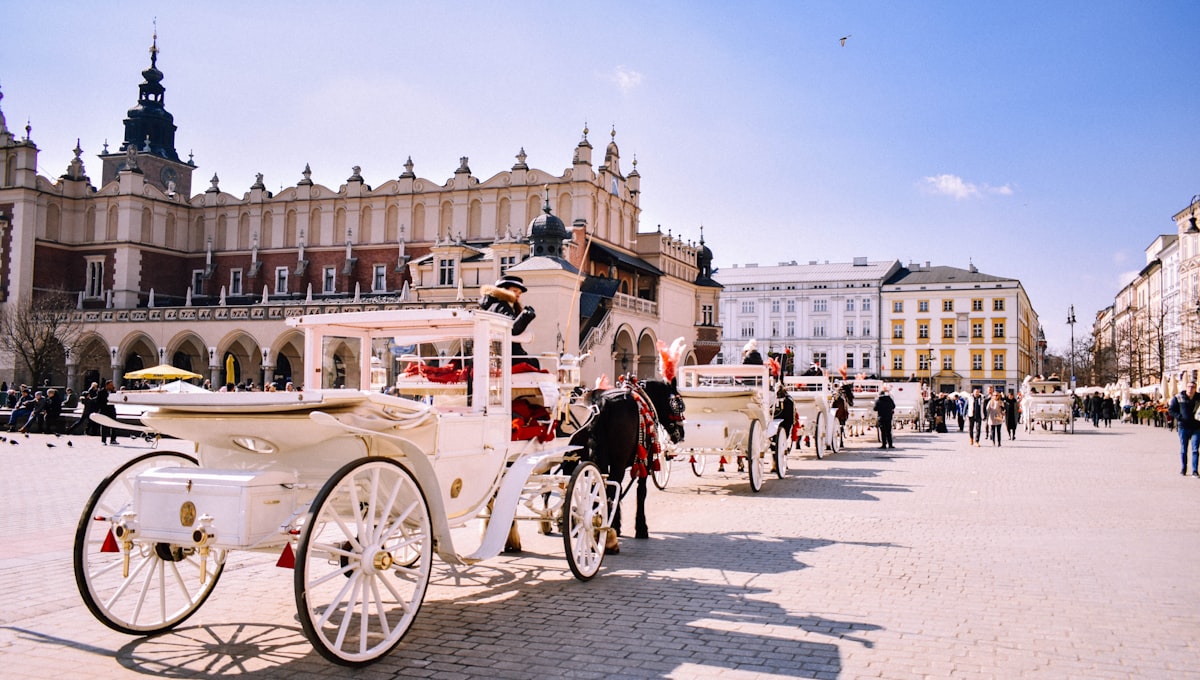
Start at the Barbican—the round fortified gatehouse at the northern edge of the Old Town. Walk south through the Florian Gate into the Old Town proper and along ul. Floriańska, which leads directly to Rynek Główny, the main market square. At roughly 200 metres per side, it is one of the largest medieval market squares in Europe. The Cloth Hall (Sukiennice) runs through the centre and houses a craft market on the ground floor and an impressive branch of the National Museum upstairs, worth 45 minutes.
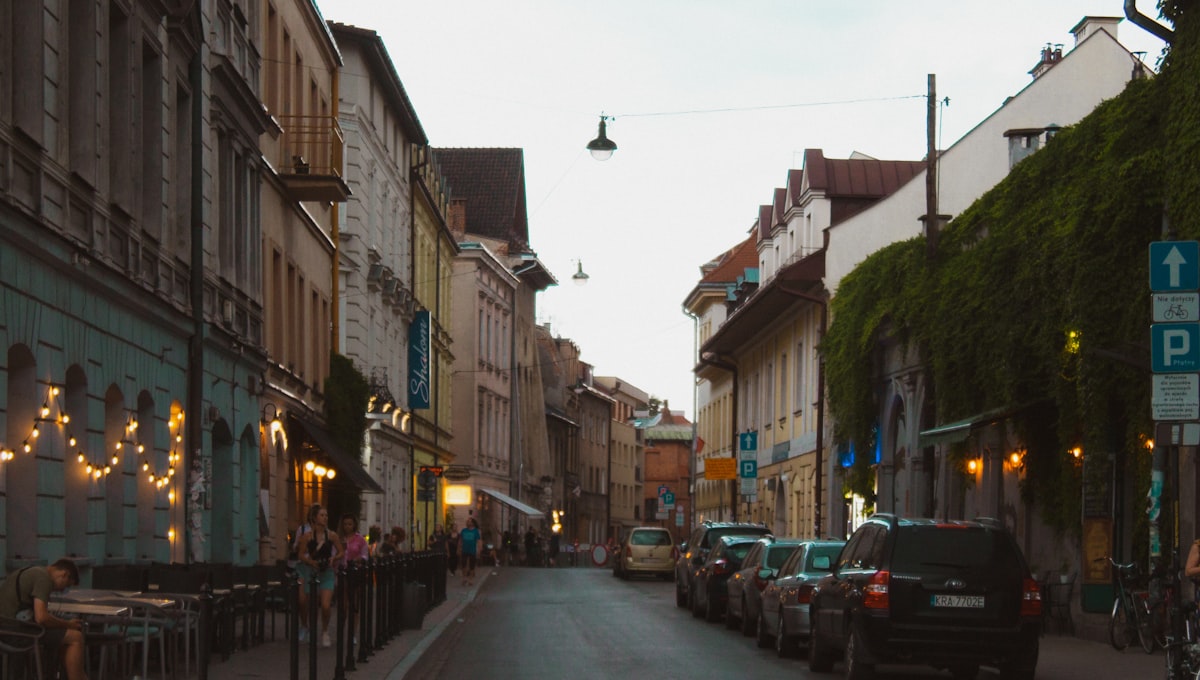
From the square, continue south down ul. Grodzka to Wawel Hill. The Royal Castle and Wawel Cathedral sit atop this limestone outcrop above the Vistula River. The cathedral is where Polish kings were crowned and buried; the crypt contains sarcophagi of monarchs and national heroes including Tadeusz Kościuszko and Józef Piłsudski. Entry to the cathedral itself is free; the crypts and tower require a ticket (around 12 PLN each). The castle's State Rooms are outstanding—the tapestry collection alone justifies the entry fee—though timed tickets sell out, so book online the morning before you visit.
For lunch, Krakow's pierogi culture is extraordinary. Pierogi Mamy Stasi on ul. Sławkowska serves house-made dumplings with fillings ranging from classic ruskie (potato and cheese) to less conventional options like duck with plum. Expect to pay 20–35 PLN for a generous plate. Avoid the pierogi restaurants on the main square itself—they are priced for tourists and the quality rarely matches the price.
The afternoon is well spent in the National Museum's main building on al. 3 Maja, which holds an exceptional collection of Polish 20th-century painting, or wandering south along the Vistula embankment beneath Wawel to the neighbourhood of Podgórze, where the former ghetto and factory district now form a quiet residential area with traces of WWII history still visible in the street layout.
Evening: Kazimierz After Dark
Kazimierz, the former Jewish quarter directly south-east of the Old Town, is where Krakow comes alive after sunset. The neighbourhood retains its narrow streets, courtyard synagogues, and a dense cluster of bars and restaurants that attract both locals and visitors without feeling overly polished. Singer on ul. Estery is the archetypal Kazimierz bar: sewing machines repurposed as tables, candlelight, and a clientele that ranges from students to septuagenarians. A half-litre of Żywiec or Tyskie costs around 12–15 PLN.
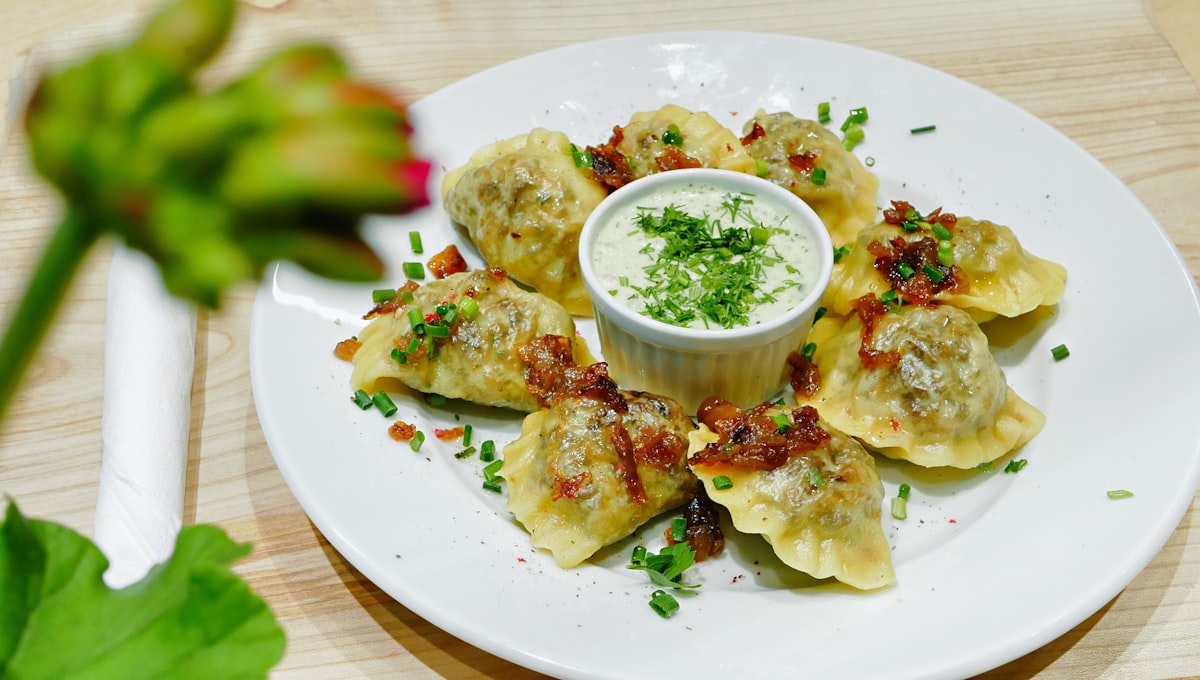
For dinner in Kazimierz, Zalewajka Kuchnia Dobra on ul. Józefa serves honest Polish cooking at prices that make visitors from western Europe do a double take. Żurek (sour rye soup with boiled egg and sausage) followed by golonka (pork knuckle with horseradish) for under 50 PLN is not unusual. The restaurant fills quickly after 7pm; arrive early or book ahead.
Day Two: Auschwitz-Birkenau and Rynek Piwny
Many visitors to Krakow make the 90-minute coach journey west to the Auschwitz-Birkenau memorial and museum. It is an essential, sober experience and takes a full morning minimum to absorb properly. Buses depart from outside Krakow Main Station regularly; the return trip with transport and a guided tour can be booked through several operators for 130–180 PLN. Entry to the museum itself is free, though guided tours require advance booking—these often sell out weeks ahead in summer.
If you prefer to stay in the city, the second day is well used exploring Nowa Huta, the socialist-realist district built east of the city centre in the 1950s. The architecture is striking in a quite different way from the Old Town: vast boulevards, monumental workers' housing blocks, and a steel mill that still operates. Trams 4 and 15 reach it from the city centre in about 20 minutes, and the Central Square (Plac Centralny, now renamed Plac Ronalda Reagana) gives a clear sense of the urban planning ambition.
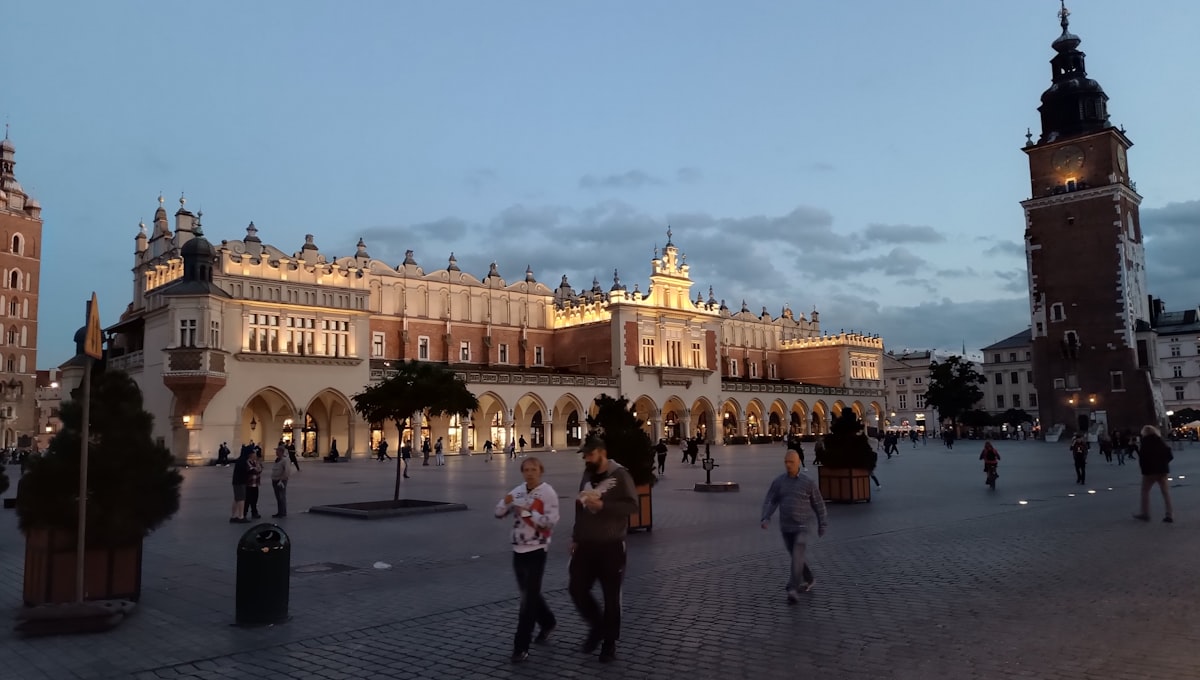
Back in the Old Town for a final evening, Rynek Piwny (the Beer Market) in the basement of the Cloth Hall is the most atmospheric bar in the city centre: low stone vaulting, long communal benches, and a beer list that prioritises Polish craft breweries. It is exactly what the centre-of-the-market location suggests it might be, but executed without cynicism. A fitting end to 48 hours in one of Europe's most underrated cities.
 3 Days in Marrakech: Riads, Souks, and the Atlas Mountains