
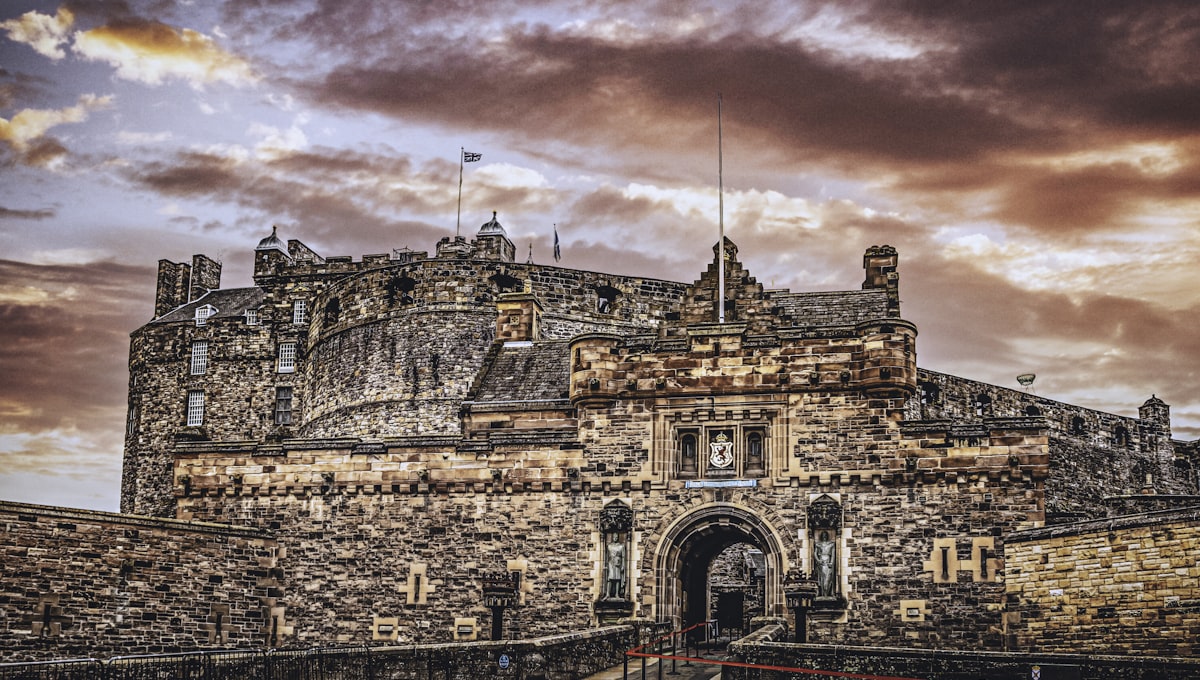
A Weekend in Edinburgh: Beyond the Royal Mile
May 12, 2026
Edinburgh is one of Europe's great short-break cities. It is compact enough to cover on foot, dramatic enough in its architecture to feel genuinely different from anywhere else, and — when you step away from the Royal Mile's souvenir shops — full of neighbourhoods that feel like a real, living city rather than a tourist park.
A well-planned weekend here can take in Old Town geology, a Victorian tenement neighbourhood, a port village, the world's finest whisky selection within a ten-minute walk of each other, and some of the best seafood in the British Isles. Here is how to do it properly.
Getting There
Edinburgh Airport (EDI) is served by direct flights from most major UK and European cities. From London, easyJet (U2) and British Airways (BA) operate multiple daily services from Gatwick, Heathrow, and London City. Ryanair (FR) serves Stansted. Fares start from around £35 one-way and rarely exceed £120 even at short notice.
Alternatively, LNER's Azuma trains connect London King's Cross to Edinburgh Waverley in 4 hours 20 minutes. The train is genuinely competitive with flying once you factor in airport transit time, and the East Coast Main Line scenery through Northumberland and the shoulder season travel Borders is exceptional.
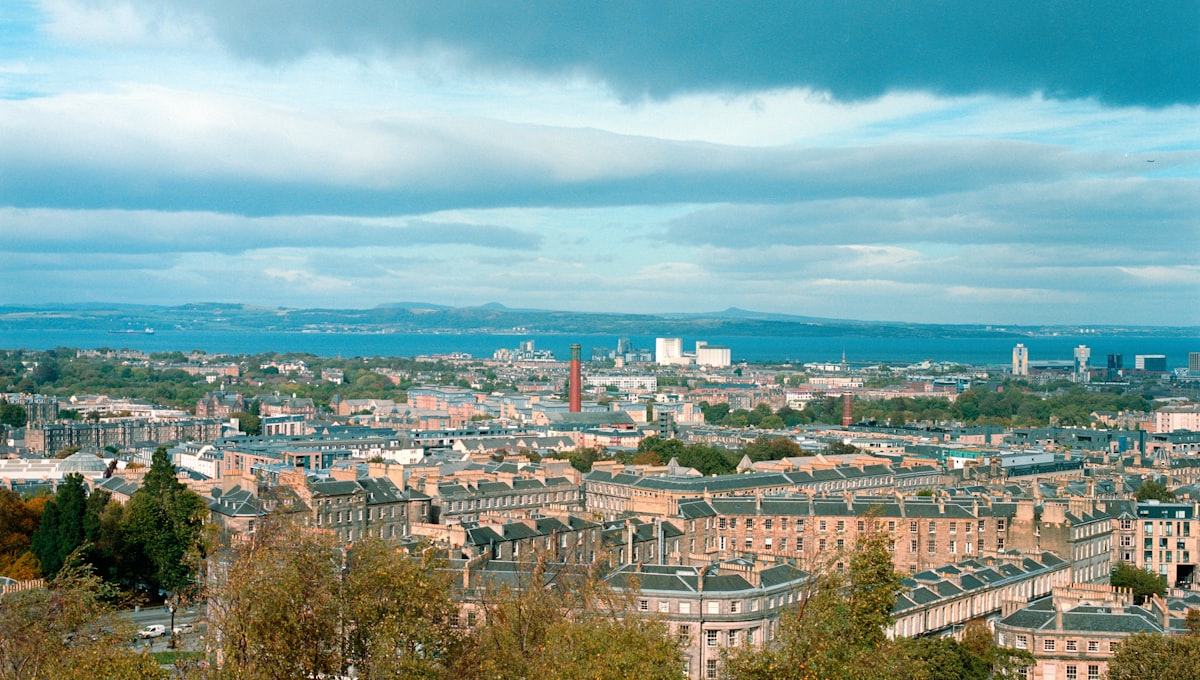
Friday Evening: Old Town and the Grassmarket
Arrive by early evening and head directly to the Old Town. Drop your bags, resist the Royal Mile, and walk down through the Grassmarket — a wide cobbled square beneath the Castle Rock, now lined with independent pubs and restaurants.
Eat at Ondine on George IV Bridge for exceptional Scottish seafood. The Arbroath smokie and Orkney crab dishes are consistently outstanding. Budget £40–£55 per head with wine.
After dinner, follow Victoria Street (the curved, colourful street used as partial inspiration for Diagon Alley in Harry Potter) down to the Cowgate. The Bow Bar on West Bow is one of the city's finest whisky pubs — no music, no food, just an extraordinary selection of single malts served by people who know exactly what they are talking about.
Saturday Morning: Arthur's Seat
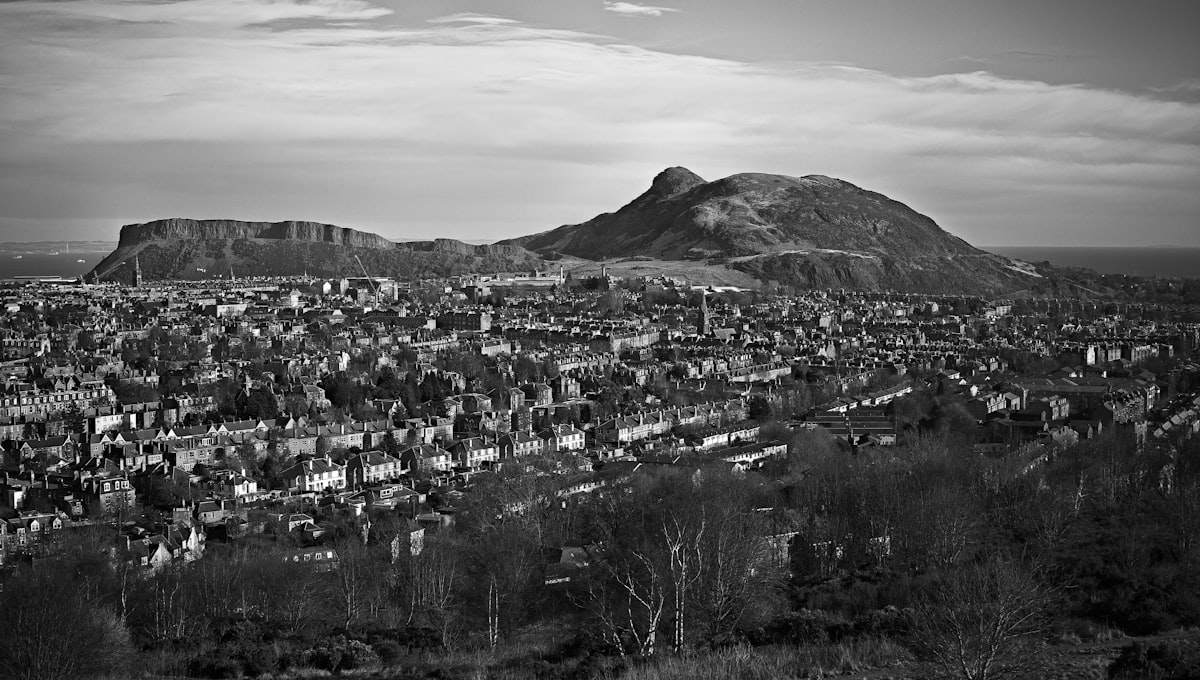
Wake early and climb Arthur's Seat before the crowds arrive. The extinct volcano sits within Holyrood Park, 15 minutes' walk from the Old Town, and reaches 251 metres. The path from the Holyrood Park car park is well-marked and manageable in an hour. The summit view — castle, Firth of Forth, Pentland Hills, and on clear days the Bass Rock — is legitimately one of the best urban panoramas in Europe.
Come down the eastern slope via Dunsapie Loch for a different perspective. Back at the base, the Scottish Parliament building (controversial when built, genuinely interesting architecturally) and the Palace of Holyroodhouse are both worth a look even if you don't go inside.
Saturday Afternoon: Stockbridge and the New Town
Cross into the New Town via Princes Street and turn immediately north into Stockbridge. This is the neighbourhood Edinburgh residents actually live in — Georgian terraces, independent coffee shops, a weekly farmers' market (Saturdays, 9am–2pm), and the Water of Leith path running through it.
The Scottish National Gallery of Modern Art in Dean Village is 10 minutes' walk from Stockbridge's main street. The permanent collection is free and excellent — Matisse, Hockney, Picasso, and a strong selection of Scottish Colourists. The sculpture park outside is pleasant in any weather.
Spend the late afternoon in the New Town proper. The Scotch Whisky Experience near the Castle offers guided tastings if you want to learn the regions systematically. For self-guided exploration, Cadenhead's on Canongate is one of the oldest independent bottlers in Scotland and sells expressions you won't find in supermarkets.
Saturday Evening: Leith
Take a 20-minute walk (or a 10-minute taxi) down to Leith, Edinburgh's port district. Once gritty and overlooked, Leith has transformed over the past 15 years into one of the most interesting eating neighbourhoods in Scotland.
The Shore is the main drag — a canal-side street of restaurants looking onto the Water of Leith as it meets the docks. Restaurant Martin Wishart holds a Michelin star and requires advance booking. The Kitchin is equally lauded. For something less formal, Fishers Bistro has been serving excellent local seafood for over 30 years and doesn't require weeks of forward planning.
Sunday: The Meadows and Departure
Sunday morning in the Meadows — the large park south of the Old Town — captures Edinburgh at its most relaxed. Locals run circuits, families spread picnic blankets, and the cherry trees along Middle Meadow Walk bloom spectacularly in May.
Walk back up through the Southside to the National Museum of Scotland on Chambers Street. The building alone is worth the visit (the Victorian grand hall under a glazed roof is stunning), and the Scotland galleries give genuine context for everything you've seen over the weekend. Free entry.
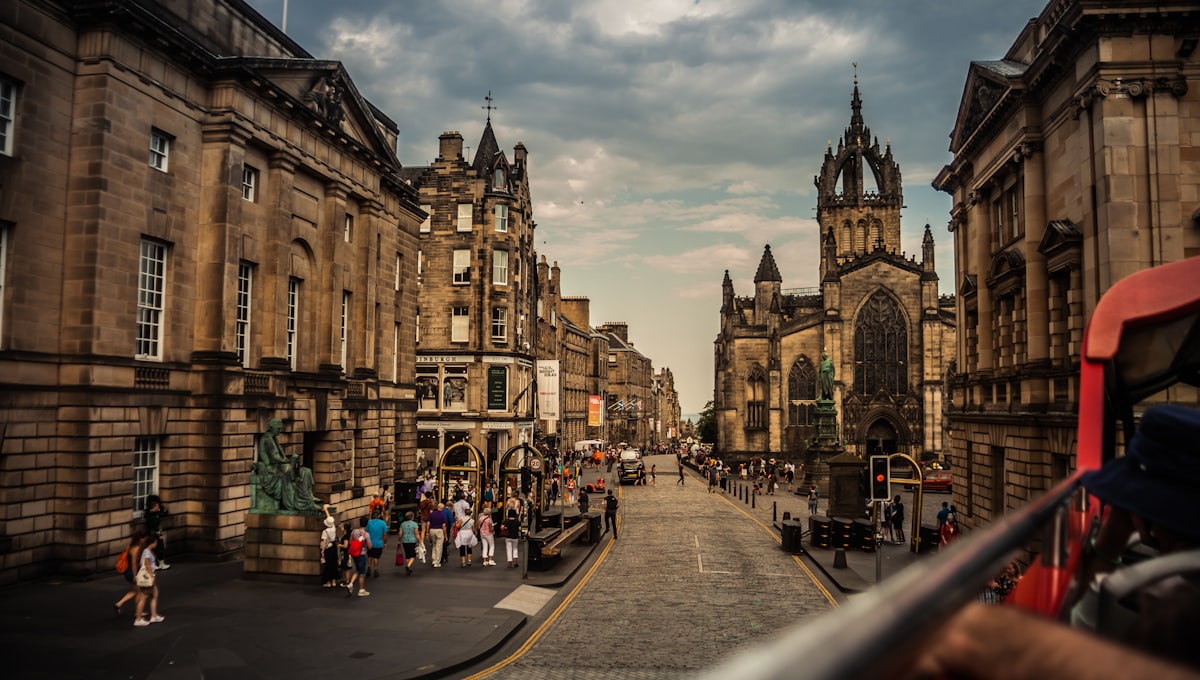
Practical Notes
Edinburgh is compact and walkable; you won't need taxis except for Leith. The Lothian Buses day ticket (around £4.20) covers the whole city if you'd rather not walk. Most attractions charge nothing — the National Museum, National Gallery, and Holyrood Park are all free. Budget £150–£200 per person for a weekend including accommodation in a mid-range city-centre hotel.
Avoid the Fringe (late July through August) if you want a quieter experience — the city is genuinely overwhelmed with visitors and prices spike. May, June, and September are the sweet spots: good light, manageable crowds, and reasonable hotel rates.
Where to Eat and Drink Beyond the Tourist Circuit
Edinburgh has a genuinely good restaurant scene that the Royal Mile's tourist-facing establishments mostly do not represent. A few worth knowing about.
For breakfast and coffee: Cairngorm Coffee on Frederick Street is consistently excellent and draws more locals than tourists. The Pantry in Stockbridge — a short walk from the farmers' market — does a proper Scottish breakfast and is worth the queue on a Saturday morning.
For lunch: Mums Great Comfort Food on Forrest Road near the Meadows is hearty, affordable, and popular with students and locals. Portions are substantial, prices reasonable at 9–14 GBP for a main, and the atmosphere is the opposite of the faux-rustic tourist traps near the castle.
For dinner in the Old Town, Timberyard on Bread Street offers modern Scottish cooking with serious intent — wood-fired cooking, local sourcing, and a wine list that extends well beyond the expected. Around 40–55 GBP per head. For something more casual, Union of Genius on Forrest Road serves rotating soups and stews that change daily and have developed a following among the city's food-aware residents.
For pubs beyond the Bow Bar: Sandy Bell's on Forrest Road is the city's folk music pub — live sessions most evenings, unpretentious, and a place where the folk tradition is kept alive rather than performed for tourists. The Guildford Arms on West Register Street has one of the finest Victorian interiors in Scotland and a well-kept selection of Scottish ales. In Leith, the Port O' Leith bar on Constitution Street is Edinburgh's most characterful maritime pub — cramped, cash-only, and reliably excellent.
Leith Waterfront in Detail
The regeneration of Leith's waterfront has been one of Edinburgh's genuine civic successes of the past 15 years. The Shore — the cobbled street running alongside the Water of Leith where it meets the Firth of Forth — now hosts a cluster of serious restaurants without the tourist premium of central Edinburgh.
Beyond Fishers Bistro and the Michelin-starred options, the area has a more relaxed character. The Compass Bar on Constitution Street stocks a well-chosen range of Scottish craft beers and whiskies. Origano on the Shore does Neapolitan-style pizza that regularly wins Edinburgh's informal pizza debates. Martin Wishart, the restaurant with a Michelin star on The Shore, is worth the advance booking for a special occasion meal.
Walking down to Leith also passes through some of the city's most interesting architectural transitions — from Georgian New Town to Victorian tenements to the regenerated dockland around Ocean Terminal. The Royal Yacht Britannia is moored at Ocean Terminal; it is one of the better heritage attractions in Scotland and takes about 90 minutes to tour properly.

Arthur's Seat: More Than a Morning Detour
Arthur's Seat deserves more than a passing mention. The 251-metre summit of the ancient volcano sits within Holyrood Park — 650 acres of wild landscape inside the city — and the park contains several sites of archaeological significance alongside dramatic geology.
The most popular route from the Holyrood car park takes 40–60 minutes at a moderate pace. The summit view — Edinburgh Castle, the Firth of Forth, the Pentland Hills, and on clear days the East Lothian coast and the Bass Rock — is genuinely one of the best urban panoramas in Europe. It feels different from a tower view because you have earned it and there is nothing between you and the landscape.
Two alternatives worth knowing: the approach from Duddingston Loch on the eastern side is quieter and passes a Neolithic settlement site. The Radical Road path runs along the dramatic Salisbury Crags cliff face and gives excellent views over the city without the full summit climb — best in afternoon light when the Edinburgh skyline is at its most dramatic.
Go early on weekends before 8am to avoid the crowds that develop by 10am. On weekdays, any time is comfortable.
Edinburgh Fringe: If You Do Want the Festival
The advice to avoid the Fringe for a quieter experience is accurate. But the Fringe itself deserves a word for visitors who want to time their trip around it. The Edinburgh Festival Fringe runs for three weeks in August, peaking in the second and third weeks. During this period, the city genuinely transforms: around 3,000 shows across 300 venues, the population doubles, and every available space from church halls to pub back rooms becomes a performance venue.
If the Fringe is your reason for visiting, book accommodation 4–6 months ahead. August hotel rates in Edinburgh can reach 2–3 times the shoulder-season price, and good options sell out quickly. The Fringe Box Office opens in June; popular shows sell out within days. Free Fringe shows — no ticket, bucket collection at the end — are a genuine alternative where the quality is variable but the discovery element is part of the experience.
Many of the best shows are in small rooms far from the Royal Mile — comedy, theatre, and spoken word in venues at Bristo Square, the Pleasance Courtyard, and Summerhall. The Royal Mile itself becomes a performance space in August, which is either energising or exhausting depending on your temperament.
Getting Around the City
Edinburgh is compact enough to walk the Old Town and New Town without using transport. The tram line runs from Edinburgh Airport through the city centre to Newhaven near Leith, making the airport connection genuinely convenient: around 35 minutes and 7.50 GBP for a single. The Lothian Buses network covers the whole city with excellent frequency; a day ticket is 4.20 GBP and covers all buses and trams.
For the airport, the tram is the most reliable option. The Airlink bus from Waverley Bridge is cheaper at 4.50 GBP single but subject to traffic. Avoid driving in central Edinburgh; parking is expensive and the city centre is largely restricted.
Train connections from Edinburgh Waverley are excellent. Glasgow is 50 minutes on ScotRail with multiple services per hour. London King's Cross is 4 hours 20 minutes on LNER's fastest Azuma services. Inverness and the Highlands are 3.5–4 hours. Waverley itself is one of the best-located city-centre stations in Britain — step off the train and you are immediately in the city, with the castle visible from the platform.