
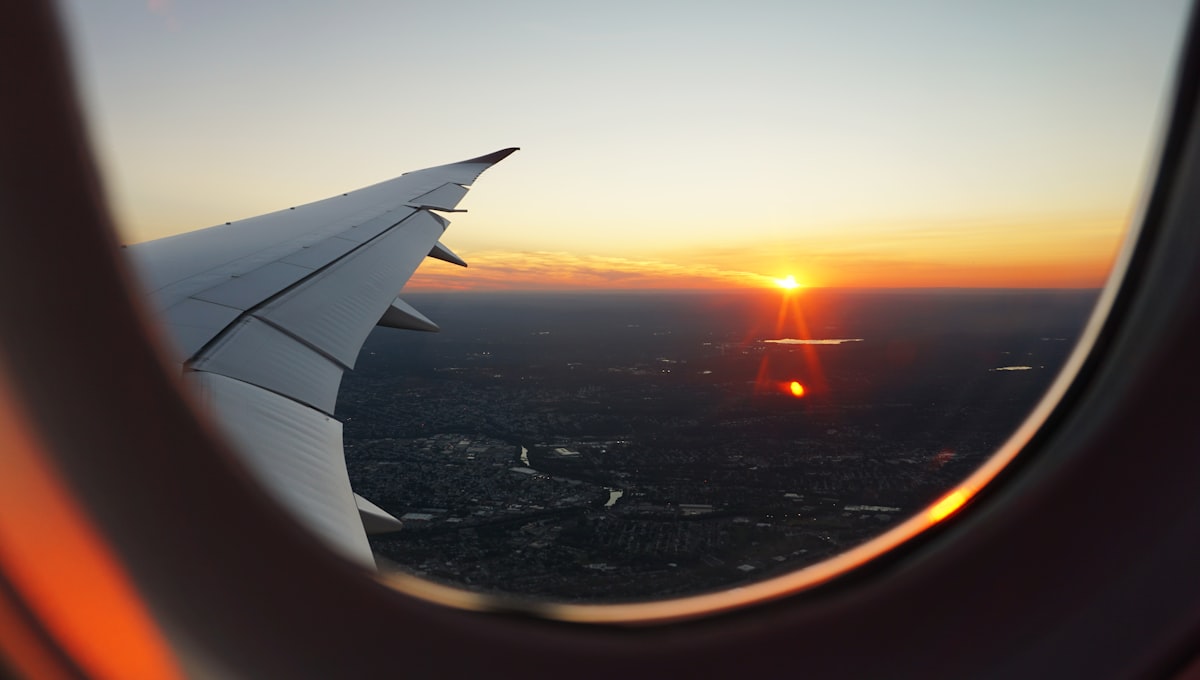
Cheapest Flights to Phuket: Direct vs Connecting and When to Book
June 15, 2026
Cheapest Flights to Phuket: Direct vs Connecting and When to Book
Phuket International Airport receives over 17 million passengers a year, making it one of Southeast Asia's busiest leisure gateways. Yet flight prices to the island vary enormously — sometimes by hundreds of dollars on the same travel date depending on your origin, your airline, and how far in advance you book. This guide breaks down exactly what to expect, what to avoid, and how to find the cheapest fare to one of the world's most visited beach destinations.
Where You're Flying From Changes Everything
If you're based in London, the cheapest return fares to Phuket tend to hover between £480 and £650 on carriers like Thai Airways, Emirates, and Qatar Airways, with one stop in Dubai, Doha, or cheapest flights to Bangkok. Direct flights from London to Phuket do not exist — all European routes connect somewhere. Passengers from mainland Europe flying on budget carriers like Wizz Air or Ryanair to a hub (say, Vienna or Rome) can then book separately to Phuket, shaving another £40–80 off the total when combined with competitive Middle Eastern fares.
Travelers from Australia, particularly Perth, have it easiest — AirAsia X operates direct services to Phuket in around 5 hours, with return fares regularly under AU$500. Sydney passengers usually connect in Kuala Lumpur or Bangkok on Malaysia Airlines or Thai AirAsia. The Malaysia Airlines product through KL has improved substantially and the Kuala Lumpur layover is often brief enough to make it a painless connection.
From the US East Coast, expect one or two connections and fares from around $700 return in low season, rising past $1,200 during Christmas and New Year. Korean Air and Cathay Pacific tend to price well from North America into Thai destinations, both offering strong product quality on the long transpacific segment. West Coast travelers will usually route through Tokyo or Seoul, adding around 2–3 hours versus East Coast routings through the Gulf.
Direct vs Connecting: Is the Extra Stop Worth It?
Flying direct is almost never an option from Western markets, so the real question is: one stop or two? Bangkok (BKK or DMK) is the most common single stop, and Bangkok Airways offers onward connections to Phuket on a code-share with several major carriers. The Bangkok layover typically adds 1.5–3 hours but can be as short as 45 minutes if you're flying in on Thai Airways, which departs from the same Suvarnabhumi terminal.
A two-stop routing — say, London to Dubai to Bangkok to Phuket — sounds brutal but can save £150 or more. It's worth the pain if you're flexible on travel time and comfortable managing two airport transitions. The key is to keep stopovers under 5 hours so the overall journey stays manageable. Emirates offers this routing frequently and the Dubai International terminal is comfortable enough for a 2–3 hour layover, with extensive dining, lounges, and duty-free.
One underused trick: book your long-haul leg to Bangkok (a busier, more competitive route), then add a separate AirAsia or Bangkok Airways shuttle to Phuket. The Bangkok–Phuket segment can often be found for under $30, and you keep full flexibility. Bangkok's Don Mueang Airport (DMK) serves the AirAsia budget flights while Suvarnabhumi handles the Bangkok Airways connections — make sure you know which airport your connection uses, as transferring between them takes 60–90 minutes.

Best Times of Year to Book and to Fly
Phuket has a pronounced wet season from May to October, driven by the southwest monsoon. During this period, occupancy drops and so do airfares. Return flights from Europe in June and July can be 30–40% cheaper than in February. The trade-off is that you'll encounter some rain, though it rarely rains all day and the sea is still swimmable on the east coast during the monsoon months — only the west-facing beaches of Kata and Patong get genuinely rough.
The absolute peak is December 20 to January 5 — prices spike ferociously and seats disappear fast. If you plan to travel at Christmas, you should be booking seven to nine months ahead. Peak season hotel rates in Phuket's main beach areas can triple compared to the wet season, compounding the cost difference significantly.
For the main high season (November to April), a four-to-six month lead time gives you the widest choice at fair prices. The Andaman Sea is at its clearest and calmest in January and February — perfect for diving and island-hopping to Phi Phi and the Similan Islands.
Low season sweet spot: late September to mid-October. The monsoon is fading, prices are still suppressed, and the island starts to warm up. Some resorts even offer all-inclusive deals to lure early guests back. The Similan Islands National Park reopens on October 15 each year, making mid-October an excellent window for serious divers.
Airlines Worth Booking and Airlines Worth Skipping
Qatar Airways consistently ranks among the best value for quality on Phuket routes — its Doha hub allows smooth connections from London, Manchester, and dozens of European cities. Their economy fares include a checked bag and a meal, which matters considerably on a 12–14 hour journey where budget carriers would charge for both separately.
Thai Airways is the flag carrier and prices competitively from European hubs, especially on sale. The Bangkok connection is seamless given the domestic segment is an intra-Thai flight that integrates cleanly into the main booking. Thai has restructured following its bankruptcy reorganization and the product quality on newer aircraft has returned to competitive levels.
Budget carriers — AirAsia, Scoot, and VietJet — are dominant from within Asia. Scoot (Singapore-based, low-cost arm of Singapore Airlines) flies regularly from Singapore and has reasonable reliability given its parent company's operational infrastructure. AirAsia X has expanded its fleet significantly, though customer service and delay policies are more variable than full-service competitors.
Avoid booking on very cheap no-name carriers without checking recent reviews. Some ultra-low-cost Thai operators have poor punctuality records on domestic hops, which can cause you to miss your long-haul connection. The savings rarely justify the risk on a journey this complex.

How Cross-Market Pricing Works on Phuket Fares
Cross-market flight comparison tools like RegionFare can reveal that the same Qatar Airways flight to Phuket is priced differently depending on where you buy it. A traveler booking from a UK-based portal might see £520, while the same seat purchased via a Thai or Qatari portal is closer to £470. These differences are real, consistent, and bookable with a standard credit card — the flight itself is identical, only the market price differs.
This price gap is most pronounced on Phuket routes during peak season, precisely when every pound saved matters most. On a family of four traveling at Christmas, a £50-per-person cross-market saving amounts to £200 — equivalent to a night's accommodation in a mid-range Phuket resort.

Practical Tips Before You Book
Check baggage allowances carefully. Budget carriers on the intra-Asia leg often allow only 7kg carry-on unless you pay separately for a checked bag. If your main carrier gives you 23kg but your connecting AirAsia leg doesn't, you could face an unexpected fee at the departure gate that wipes out your fare savings.
Also consider which part of Phuket you're heading to. Patong is closest to the airport (around 40 minutes), while Kata and Karon are slightly further south. Taxis from Phuket Airport are metered but some drivers refuse the meter — negotiate in advance or book a hotel transfer. The new light rail airport link connecting the airport to Phuket Town is under construction as of mid-2026 and expected to open in 2027.
Consider flying into Krabi instead of Phuket on certain routings — Krabi Airport is served by AirAsia from Kuala Lumpur and Bangkok, and from there you can reach southern Phuket by road in 90 minutes via the bridge. Krabi fares are occasionally £30–50 cheaper, and if your Phuket accommodation is in the south, the access time is almost identical.
Finally, don't forget travel insurance that explicitly covers flight delays and missed connections. Phuket is a multi-leg journey for most Western travelers, and a delay in Dubai or Kuala Lumpur can cascade badly. Having cover that pays for overnight accommodation if you're stranded is essential peace of mind rather than an optional extra on a journey of this complexity.
What to Do Once You've Booked
Once your flight is confirmed, register it with the airline's app to track any schedule changes. Long-haul flights to Southeast Asia are routinely tweaked by 15–45 minutes in the weeks before departure, which can affect connection feasibility at hub airports. If a schedule change puts your connection time below 90 minutes at a Gulf hub, contact the airline immediately to request a rebooking onto an earlier long-haul leg — they're generally accommodating if asked before departure.
Research ground transport from Phuket Airport in advance. The island has no mass transit from the airport yet, and the official metered taxis are cheaper than the private transfer desks in arrivals. For groups of four or more, a private minivan transfer booked through your hotel is often competitive with the meter rate once you factor in luggage. The road into Phuket Town and onward to the beaches involves a lengthy coastal highway that gets genuinely congested during peak hours — arriving mid-morning or mid-afternoon avoids the worst traffic on the 40–70 minute drive to most beach areas.
The Bottom Line on Phuket Fares
Return fares from London to Phuket in the £480–600 range represent genuinely fair value for a 12–14 hour journey to one of the world's most developed beach tourism infrastructures. The island's accommodation range — from $15 guesthouses to $800-per-night private pool villas — means the flight cost can represent anywhere from 10% to 50% of your total trip budget. Getting the flight price right therefore matters proportionately more for budget travelers than luxury ones.
Apply the seasonal timing guidance, check cross-market prices before committing to any portal, and consider a positioning flight if the Continental European hub differential exceeds £120. Follow those three principles and you'll consistently pay less than the travelers around you on the same aircraft.
Island-Hopping from Phuket
Once you've arrived, Phuket is an excellent base for island-hopping day trips and overnight stays. Phi Phi Island — the archipelago made famous by the film The Beach — is reachable by speedboat in 45 minutes. The snorkeling around Phi Phi Leh is spectacular, though the main beach of Phi Phi Don has become heavily commercialized. Book a private longtail boat to reach the quieter bays. The Similan Islands, two hours north by speedboat, are designated a national park and arguably offer the best diving in the Andaman Sea — open annually from October 15 to May 15. Racha Island, 30 minutes south, is closer to Phuket's southern tip and excellent for beginners and snorkelers.
Phuket's beaches, street food, temples, and nightlife are worth the journey. With the right booking strategy — cross-market price checking, seasonal timing, and smart connection planning — the flight doesn't have to be the most expensive part of your trip.
 Cheapest Flights to Bali from Europe: Routes, Airlines & Prices (2026)
 Cheapest Flights to Bangkok: A Season-by-Season Breakdown
 Cheapest Flights to Delhi: Gulf Hubs, Seasonal Windows, and Market Tricks