
48 Hours in Lisbon: The Perfect Weekend Itinerary
April 30, 2026
Lisbon rewards the traveler who shows up with a loose plan and lets the city fill in the gaps. But 48 hours isn't much, so here's a framework that covers the essential neighborhoods, the non-negotiable food stops, and the viewpoints worth waking up early for — without wasting time on anything that doesn't earn its place.
Before You Arrive: Getting Your Bearings
Lisbon is built across seven hills, and the steepness is real. The historic trams exist partly because some streets are too steep for most people to climb comfortably. If you're arriving by flight into Humberto Delgado Airport (LIS), the Aerobus 1 runs directly to Marquês de Pombal, Restauradores, and Cais do Sodré for €4. A taxi to the center runs €15–20; the ride-share apps are active and competitive. The Lisboa Card (€21.50/24h, €36.50/48h) covers unlimited metro, tram, and bus travel plus free or discounted entry to 40+ museums and sights — if you plan to use transport regularly and hit three or more paid attractions, it pays for itself.
Day 1 Morning — Alfama Before the Crowds
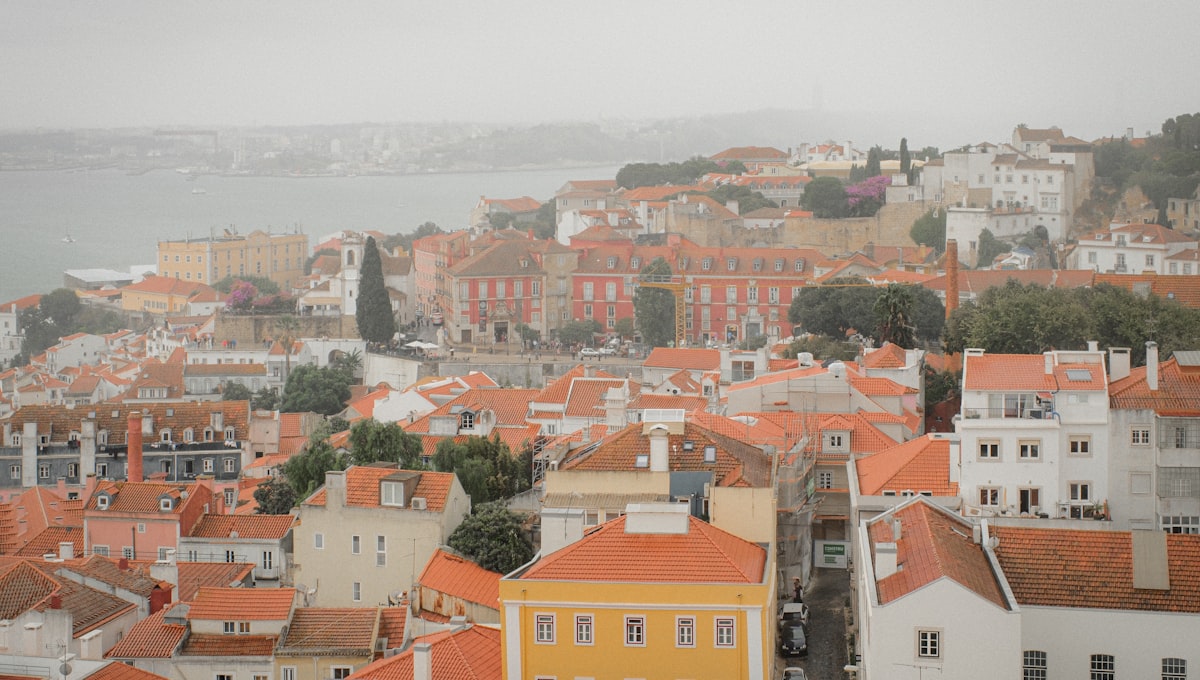
Start in Alfama by 8am, before the tour groups arrive and the narrow streets fill with people photographing the same tiled walls. Alfama is the oldest surviving neighborhood in Lisbon, predating the 1755 earthquake that destroyed most of the city. Its labyrinthine alleys and whitewashed houses are original Moorish city structure, not reconstruction.
Walk up to Miradouro da Graça first — it's quieter than the more famous Miradouro da Senhora do Monte next door, and the view over the castle, the rooftops, and the Tagus estuary in morning light is as good as it gets in this city. From there, work downhill through the alleys toward the Sé de Lisboa, Lisbon's imposing Romanesque cathedral (admission free; the cloister costs €3). Sit inside for ten minutes. At 9am on a weekday it's nearly empty.
The Portas do Sol viewpoint, five minutes from the Sé, has a cafe terrace with tiles and espresso (€1.20) that functions as a perfectly reasonable morning break before the descent continues.
Day 1 Afternoon — Praça do Comércio and the Waterfront
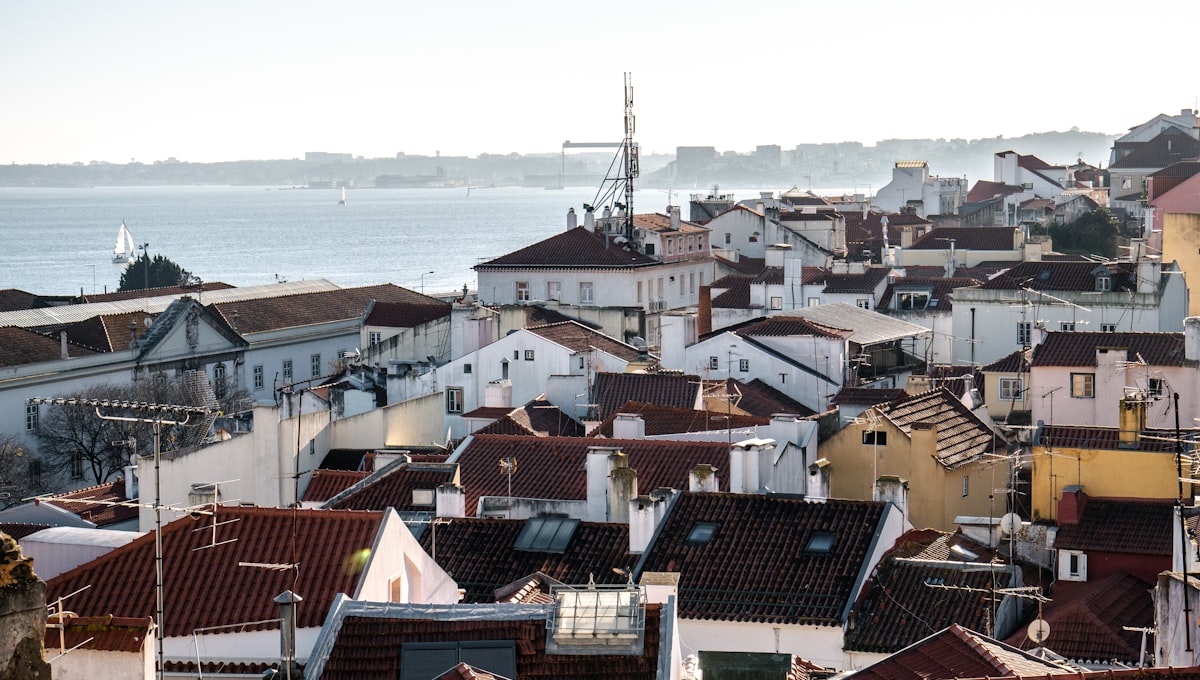
Head down to the waterfront via the steep streets of Alfama and Santa Engrácia. Praça do Comércio opens onto the Tagus in a way that feels genuinely monumental — three sides of yellow arcaded government buildings, the fourth side the river. It was the center of Lisbon's maritime empire for centuries and it still communicates that scale. Walk through the Arco da Rua Augusta (€3 for the rooftop view) and into the Baixa grid for lunch.
For a proper Lisbon lunch, skip the tourist-menu restaurants on the main drag and find a tasca. A Licorista o Bacalhoeiro on Rua dos Sapateiros does an honest bacalhau com natas (salt cod baked in cream) for around €11. A Cevicheria in Príncipe Real (a 20-minute walk west) is the more fashionable choice if you're willing to wait — the sea urchin ceviche at €14 is one of the better single dishes in the city.
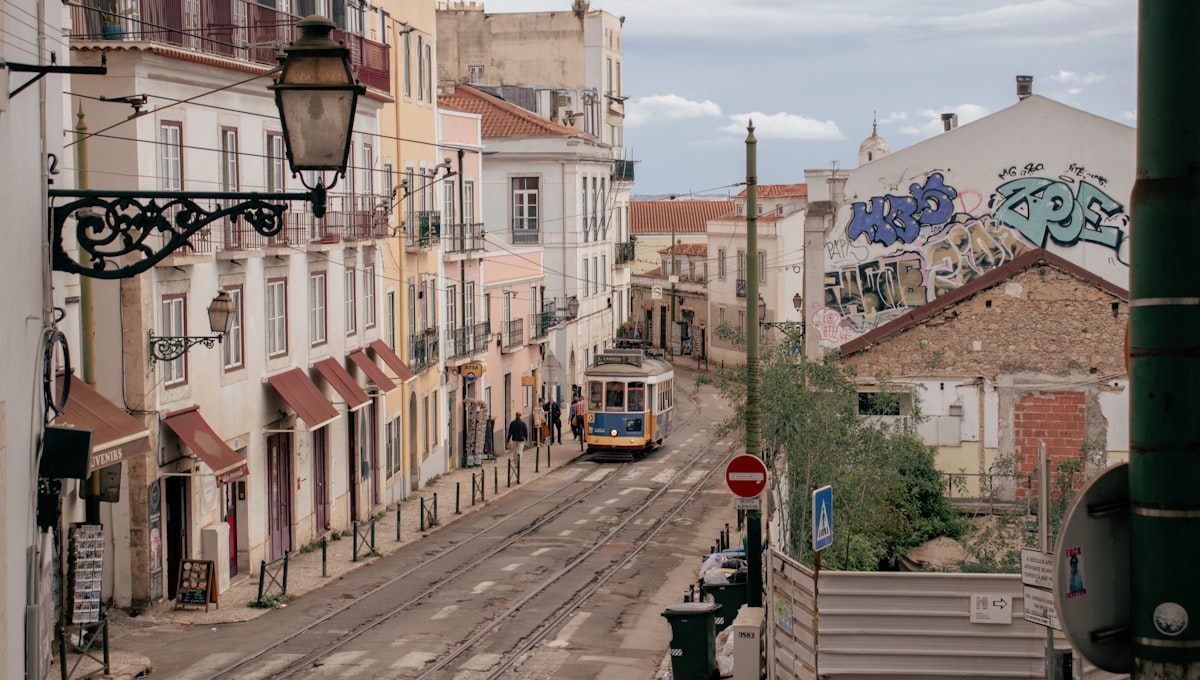
In the afternoon, take Tram 28E from Martim Moniz toward Prazeres. The route runs the full length of Alfama and Graça, up to Estrela — the same hills and the same steep curves that have made it a postcard for decades. Buy a 24h transport pass (€6.40) rather than paying per ride; the tram is included. The ride takes 45 minutes end-to-end and you can ride it twice for the same ticket.
Day 1 Evening — Bairro Alto and Dinner
Bairro Alto comes alive after 8pm. The neighborhood is almost entirely restaurants, wine bars, and fado houses stacked into a grid of streets the width of a car. For dinner, Taberna da Rua das Flores (Rua das Flores 103) serves traditional Portuguese small plates — pork cheek with clams, salt cod fritters, seasonal vegetables — in a narrow dining room that books out by 9pm most nights. Reserve. Budget €30–40 per person with wine.
Fado: if you want to hear it live in a setting that isn't aggressively tourist-oriented, A Tasca do Chico in Madragoa (across the hill from Bairro Alto) runs shows from around 9pm, no cover, reservation needed. The musicians are local and the repertoire is serious.
Day 2 Morning — Belém
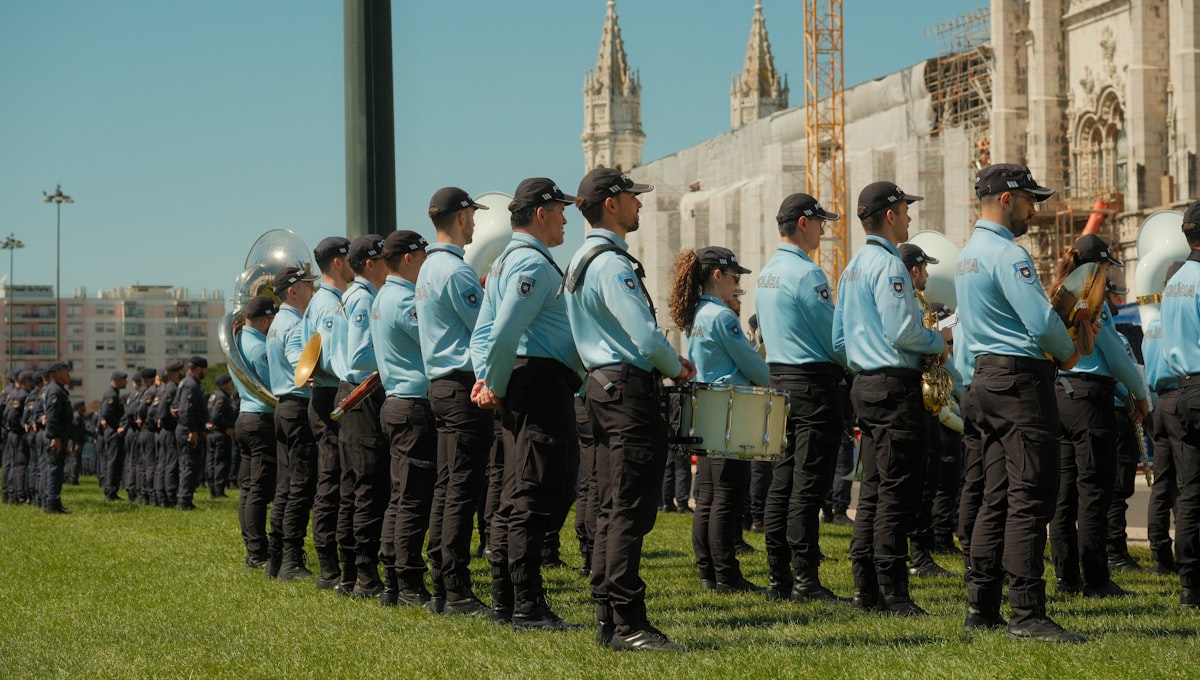
Take the train from Cais do Sodré to Belém station (€1.65, 15 minutes). Belém is where hidden gems in Portugal's Age of Discoveries literally launched — the Torre de Belém was the last sight departing explorers saw as they sailed out of the Tagus. The tower itself (UNESCO World Heritage, €6) is worth the entry for the river view from the battlements. Jerónimos Monastery (€10, free on Sundays before noon) is the more significant architectural achievement — 500 years of Manueline stonework, the cloister in particular, which takes an hour to properly walk.
The mandatory stop: Pastéis de Belém, a five-minute walk from the monastery, at Rua de Belém 84-92. Open since 1837, and still using the original recipe kept secret from everyone but the pastry chefs. The tarts are €1.50 each, served warm, dusted with cinnamon, and there is genuinely no better version anywhere in the world. Eat two at the counter and take a box for the train back. The queue moves fast.
Day 2 Afternoon — LX Factory and Departure
LX Factory (Rua Rodrigues de Faria 103) is a converted 19th-century industrial complex in Alcântara, between Belém and the center. It hosts independent restaurants, design shops, a good bookshop (Ler Devagar, with a bicycle suspended inside), and on Sundays a food and craft market. It's worth 90 minutes if you're not in a rush to the airport — the Sunday market in particular has Lisbon's creative economy on display at honest prices.
Alfama Restaurants Worth Knowing
Most restaurants directly on the Alfama tourist trail are over-priced and mediocre. The ones worth knowing are a block or two off the obvious path. Zé da Mouraria on Rua João do Outeiro is a lunch-only spot serving simple, honest Portuguese food to local workers — the set menu (soup, main, dessert, wine) runs €10–12 and the room fills with regulars from the surrounding streets. For dinner, Chapitô à Mesa (Costa do Castelo 7) sits inside Lisbon's circus school on the castle hill — the terrace has one of the best views in the city and the modern Portuguese menu is surprisingly affordable at €18–24 per main.
Time Out Market and the Cais do Sodré Scene
Time Out Market (Mercado da Ribeira, Avenida 24 de Julho 49) is in the renovated 1892 iron market building on the waterfront. The format works: 40-odd stalls from some of the city's most respected chefs, each cooking a focused menu of three to five dishes. The quality is genuine — Henrique Sá Pessoa's booth sells the same-quality food at €12–16 that he serves in his Michelin-starred restaurant at three times the price. Arrive for lunch before 1pm or after 2:30pm to avoid the worst of the queue. Budget €15–20 per person. The adjacent Cais do Sodré neighborhood, particularly the Pink Street (Rua Nova do Carvalho), has Lisbon's densest bar scene and is worth an evening if you want to stay out late without going to Bairro Alto.
Sintra: The Half-Day Decision
If you have any flexibility in your 48-hour window, the Sintra question deserves consideration. The train from Rossio station runs to Sintra village in 40 minutes and costs €2.50 each way. Arriving by 9am before the tour buses is key — Sintra at noon and Sintra at 9am are dramatically different experiences. The Palácio Nacional de Sintra (the town palace, walkable from the station, €10) is often overlooked in favor of the hilltop palaces, but its kitchen chimneys, Moorish tiles, and intact 15th-century rooms make it arguably the most interesting single building in the town. The Quinta da Regaleira (€10), a neo-Manueline estate with a famous initiation well — a spiral staircase descending 27 metres underground — is one of the more genuinely uncanny spaces in Portugal. Go on a Tuesday or Wednesday and you will have large portions of it to yourself.
Getting Around: Transport Details
A few specifics that save time. The metro covers most useful points: Baixa-Chiado connects the downtown grid with the upper neighborhoods; Intendente is the entry point for the less-touristed eastern neighborhoods. Tram 28E is iconic but consistently overcrowded from around 10am to 6pm — if you want to ride it as a transport option rather than a tourist experience, take it before 9am or after 7pm. The Aerobus runs to the airport from multiple city center stops roughly every 20 minutes; allow 40–50 minutes to Arrivals with traffic. Uber and Bolt are both active and priced at €8–12 for a cross-city ride.
What Things Actually Cost
A mid-range hotel in Chiado or Príncipe Real runs €110–160/night for a double. Budget hostels in Intendente or Mouraria run €25–40 for a private room. Food at the level described above — tascas, market stalls, one sit-down dinner — runs €40–55 per person per day. Coffees are €1–1.40 everywhere. Museum entry: Jerónimos Monastery €10, Torre de Belém €6, Arco da Rua Augusta €3. Transport for two days, including the Sintra train if you go, runs €15–20.
How to Pay Less for Flights
Lisbon Humberto Delgado is one of the most competitive short-haul routes from the UK. Ryanair, easyJet, BA, and TAP all fly the route, and the base fares are genuinely low in the off-peak months (November through February and late September). The regional pricing layer compounds this: the same TAP or easyJet ticket can appear 12–20% cheaper through a non-UK booking market. RegionFare checks all 97 regional versions simultaneously, so you see the actual cheapest price rather than the UK-facing default.
