
48 Hours in Berlin: History, Nightlife, and Currywurst
May 7, 2026
Berlin rewards the visitor who comes without a tight itinerary. The city is contradictory by design: monumental and scrappy, historically heavy and relentlessly forward-looking. Forty-eight hours is enough to feel its pulse, even if it leaves you wanting more.
Getting There and Getting Around
Berlin Brandenburg Airport (BER) is served by most major European carriers and plenty of low-cost operators. Ryanair (FR), easyJet (U2), Wizz Air (W6), and Eurowings (EW) all fly BER from UK and European cities. Return fares from London often sit in the £60–£120 range if you book three to six weeks ahead. From the US, Lufthansa (LH), United (UA), and American (AA) operate transatlantic services into Berlin, often routing through Frankfurt (FRA) or Munich (MUC).
The city's public transport network (BVG) is excellent. The Airport Express (FEX) train connects BER to Ostbahnhof, Alexanderplatz, and Hauptbahnhof in about 30 minutes. A 48-hour travel pass costs around €16 and covers all U-Bahn, S-Bahn, tram, and bus services. Berlin is also a cycling city — rental bikes and shared e-scooters are available everywhere.
Day One: East Berlin and History
Start at Alexanderplatz. The Fernsehturm (TV Tower) looms overhead — built by the East German government in 1969, it remains the tallest structure in Germany. Climb it for the view if you're in the mood for queues; skip it if you'd rather spend the time walking.
Head south toward Museum Island (Museumsinsel), a UNESCO World Heritage Site sitting in the Spree river. The Pergamon Museum houses one of the world's great collections of ancient architecture, including the reconstructed Pergamon Altar and the Ishtar Gate from Babylon. Entry is around €14. If ancient history isn't your focus, the Alte Nationalgalerie next door holds a strong 19th-century European art collection.
From Museum Island, walk along Karl-Liebknecht-Strasse to the Berlin Cathedral (Berliner Dom) — the exterior is more impressive than the interior but worth a photo stop — then continue to the Lustgarten and the reconstructed Berlin Palace (Humboldt Forum), which opened in 2021.
Afternoon: make your way to Checkpoint Charlie and the Cold War Museum on Friedrichstrasse. The museum can feel touristy and commercial, but the documentation of escape attempts across the Berlin Wall is genuinely moving. From there, walk east along Zimmerstrasse and find the preserved sections of the Wall at the Topography of Terror, an outdoor and indoor museum built on the former headquarters of the SS and Gestapo. Entry is free and the documentation is unflinching.
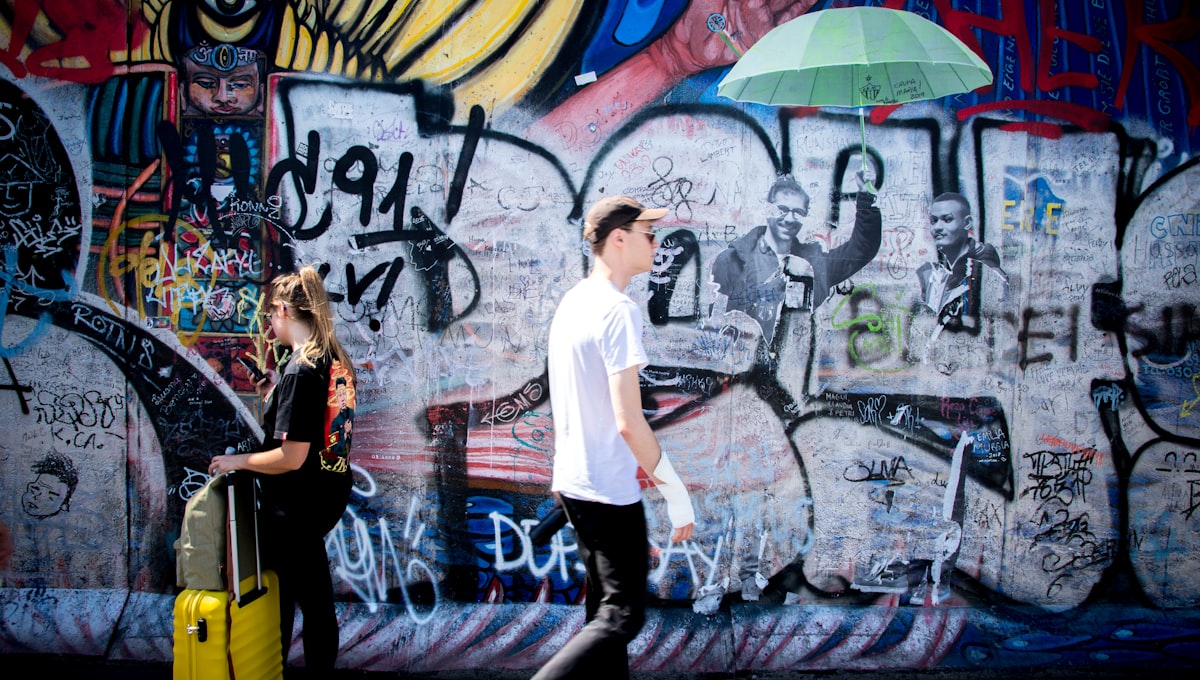
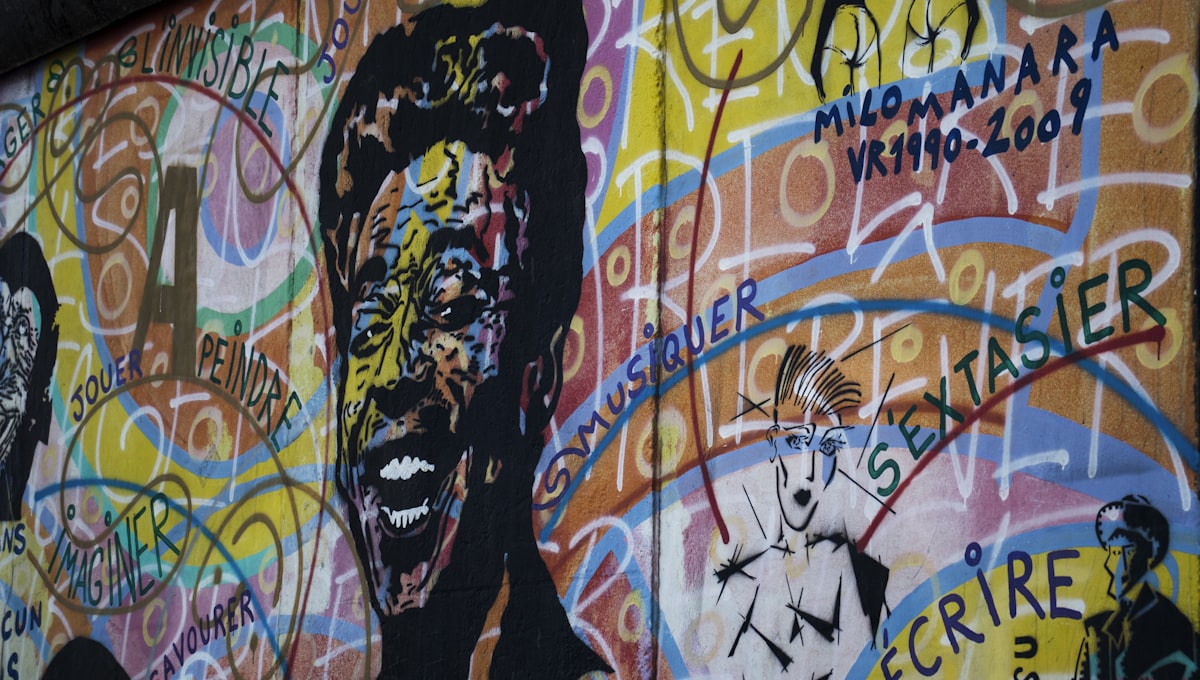
End the afternoon at the East Side Gallery — the longest preserved stretch of the Berlin Wall, painted with murals by artists from 21 countries in 1990. Walk the 1.3 km length in the late afternoon light.
Dinner in Friedrichshain: Boxhagener Platz has a cluster of restaurants and bars that cater to the neighbourhood's mix of locals and visitors. Markthalle Neun in nearby Kreuzberg hosts a Thursday street food market (Streetfood Thursday, 5–10 pm) that's worth timing a visit around.
Day Two: West Berlin, Markets, and Nightlife
Cross to the former West. Start at the Brandenburg Gate, then walk through the Memorial to the Murdered Jews of Europe — an abstract field of 2,711 concrete stelae of varying heights. The underground information centre beneath it provides historical context; don't skip it.
Head west along Unter den Linden and across to the Tiergarten, Berlin's vast central park. Cut through to the Kulturforum museum complex: the Gemäldegalerie holds an outstanding collection of European paintings from the 13th to the 18th centuries, with particular depth in Dutch and Flemish masters. Entry costs €10.
Lunch in Mitte or Charlottenburg. Berlin's food scene has expanded well beyond döner kebab, though the original Mustafa's Gemüse Kebap on Mehringdamm in Kreuzberg remains one of the city's enduring arguments for street food. The wait can be 30–45 minutes on weekends.
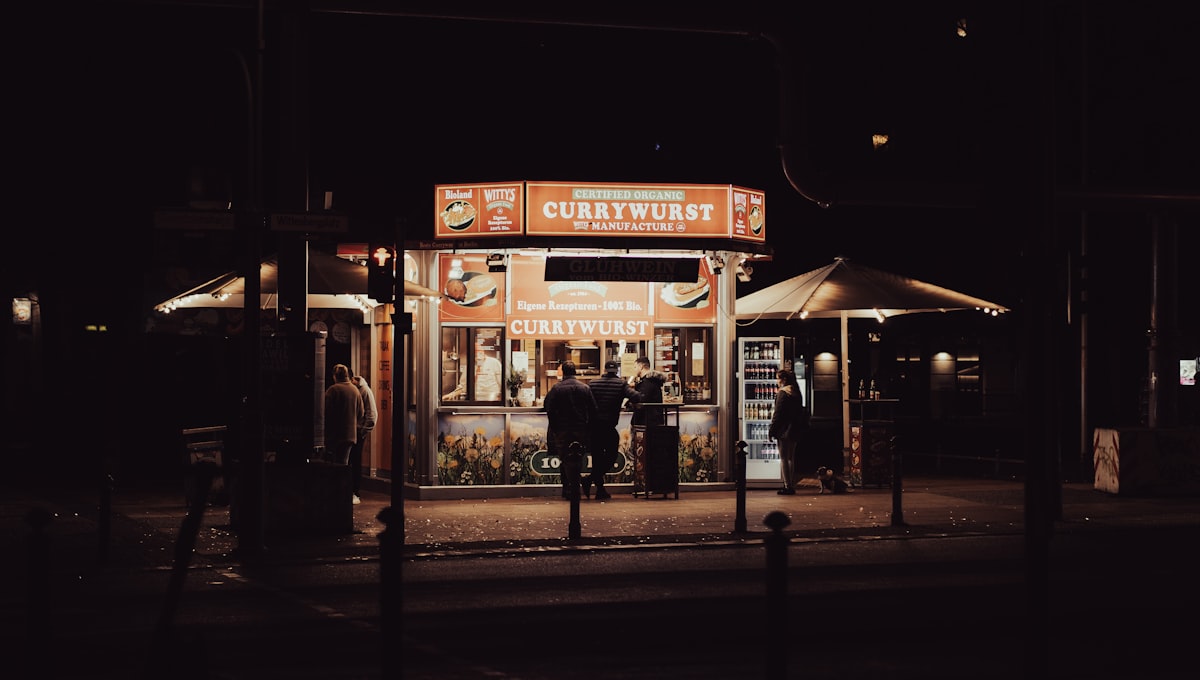
For currywurst — arguably Berlin's signature dish — Curry 36 at Mehringdamm or Konnopke's Imbiss under the U2 viaduct in Prenzlauer Berg are both legitimate institutions. The dish is simple: a fried pork sausage, sliced, doused in a spiced tomato-curry sauce and served with chips or a bread roll. It costs €3–4. It is excellent.
Afternoon: explore Prenzlauer Berg on foot. The neighbourhood was largely untouched by wartime bombing and retains dense Wilhelmine-era architecture. The Mauerpark flea market (Sundays) is worth the trip if your timing aligns — street food, vinyl, vintage clothing, and a weekly community karaoke in the open-air amphitheatre.
Nightlife
Berlin's club scene has a global reputation that is fully deserved. Berghain, the former power station in Friedrichshain, remains the most discussed techno club in the world. The door policy is strict, the music starts late and goes for days, and photography is banned inside. Nearby clubs in the same complex include Panorama Bar (house and techno, earlier hours) and the Kit Kat Club. Watergate on the Spree river has a terrace and resident DJs who focus on deeper house sounds.
For a more relaxed evening, the bars along Simon-Dach-Strasse in Friedrichshain are open late and accessible. Klunkerkranich on a Neukölln rooftop car park offers city views at sunset. Prater Garten in Prenzlauer Berg is Berlin's oldest beer garden, outdoor, cash-only, and genuinely pleasant.
Practical Notes
Berlin is notably affordable by Western European capital standards. A good sit-down meal with beer costs €12–18. The city runs on cash more than most — keep €50 in your wallet. Many smaller bars, clubs, and markets are cash-only. Hotel prices vary widely; Mitte and Prenzlauer Berg tend to be pricier than Neukölln or Friedrichshain, where independent guesthouses and hostels remain reasonably priced.
Forty-eight hours in Berlin is a taster. The city rewards repeat visits more than almost any other in Europe.
Kreuzberg, Neukölln, and Prenzlauer Berg: The Neighbourhood Layer
Berlin's character is defined by its Kieze — neighbourhoods with distinct personalities that developed in isolation during the city's divided decades. Understanding where each district sits in the city's social geography makes the difference between a surface visit and something more interesting.
Kreuzberg is the district that gave Berlin its countercultural reputation. The western part (SO36, named for its postcode) was squeezed against the Wall in West Berlin — cheap, isolated, and therefore magnetic for artists, migrants, and political radicals from the 1970s onward. Today Kreuzberg has gentrified but kept its edge. The Bergmannstrasse market, the Turkish Market on Maybachufer (Tuesdays and Fridays), and Görlitzer Park — polarising, lively, and distinctly Kreuzberg — all reward walking. Restaurants on and around Bergmannstrasse represent one of the city's best casual dining concentrations: Italian, Vietnamese, classic Berlin pub food, and upscale natural wine bars within a few blocks of each other.
Neukölln (specifically Reuterkiez and Schillerkiez, the northern tip) has followed Kreuzberg's trajectory a decade behind. It remains meaningfully cheaper, with a denser mix of Arabic, Kurdish, and West African residents alongside the artists who moved in when Kreuzberg prices rose. The restaurant scene on Weserstrasse and Flughafenstrasse is genuinely good and inexpensive — Syrian, Eritrean, and Georgian food at prices that feel like a different city from London or Paris. Klunkerkranich, the rooftop bar on a Neukölln shopping centre car park, has become something of a Berlin institution for sunset views and unpretentious music.
Prenzlauer Berg occupies a different position. It was East Berlin's bohemian enclave in the GDR years — the Stasi files were thinner here because the residents were more trusted — and post-unification it became the neighbourhood of choice for West Germans who could afford to move east but wanted the GDR architectural stock. The result is a neighbourhood that feels notably bourgeois by Berlin standards: excellent bakeries, wine bars, independent bookshops, and a density of families with children that reflects its transformation into one of the city's most desirable residential areas. Kollwitzplatz and Helmholtzplatz are the twin hearts of the neighbourhood. The Mauerpark flea market on Sundays is here, and it remains genuinely good — vinyl, vintage clothing, handmade furniture, and the weekly karaoke spectacle in the open-air amphitheatre that has become a Berlin Sunday ritual.

Berlin's Food Scene
Berlin is not Paris or 48 hours in Copenhagen but it has become a genuinely interesting food city, partly by not trying to be either of those places. The city's approach to food is inclusive and low-pretension, and the best meals are often found in small rooms with handwritten menus rather than starred restaurants.
The döner kebab: Berlin's Turkish community invented the modern döner in its current form, and the best versions in the city are at Mustafa's Gemüse Kebap on Mehringdamm (worth the queue, genuinely) or at the smaller Dürüm shops in Neukölln that do wrapped versions with roasted vegetables. This is not tourist food — it is the city's working lunch.
For currywurst beyond the established institutions: Curry 36 on Mehringdamm and Konnopke's Imbiss under the Prenzlauer Berg U-Bahn are both legitimate, but the sausage quality at both can vary. The dish is best eaten standing at the counter with chips, not sitting at a table.
For dinner with more ambition: Nobelhart und Schmutzig on Friedrichstrasse was one of the first European restaurants to define a rigorous locally-sourced, hyper-seasonal menu and it remains the most interesting high-end dining experience in the city. Bookings open 2–3 months ahead. Rutz in Mitte is the Michelin-starred option with a more approachable reservation timeline. For something in between, Nobelhart's chef Billy Wagner opened a wine bar (Frea, fully plant-based, zero waste) that has developed a serious following.
Nightlife Beyond Berghain
Berghain is real and is worth trying once, but the queue management is opaque, the rejection rate for obvious tourists is high, and the music starts Thursday and runs without pause to Monday morning. A few practical notes: dress plainly (dark clothes, nothing touristy), go alone or in a small group of two, arrive around 2–3am on Saturday night, and do not take photos.
For a more accessible introduction to Berlin's club culture: Tresor in the former power station on Köpenicker Strasse is the other canonical techno institution, and its door policy is significantly more relaxed. Watergate on the Spree river has a terrace with views over the water and a programme that leans toward deeper house sounds. About Blank in Friedrichshain runs weekend parties with a more democratic door.
For bars rather than clubs: Monarch above a Kottbusser Tor supermarket has become one of the city's best bar venues for live music and DJs at a small scale. Michelberger Hotel in Friedrichshain runs a bar that is open to non-guests and attracts a creative, diverse crowd without the velvet-rope atmosphere of some Mitte venues. Victoria Bar on Potsdamer Strasse is the cocktail institution — precise drinks, late hours, and a clientele that takes both seriously.
Transport and Practical Notes
Berlin's BVG network is excellent and covers the whole city efficiently. The U-Bahn runs express services on Friday and Saturday nights (no last train — it runs all night). Cycling is genuinely viable; the city has extensive dedicated lanes and a flat topography that makes distances feel manageable. Nextbike rental bikes are available across the city at around EUR 1 per 30 minutes.
For orientation: the S-Bahn ring (Ringbahn) encircles the inner city and is the fastest way to move between districts. Neukoelln, Treptow, and Friedrichshain stations sit on the eastern arc; Prenzlauer Berg connects at Schoenhauser Allee and Ringbahnhof Prenzlauer Berg. The U8 line runs north-south through Kreuzberg, Mitte, and Wedding and crosses almost every interesting neighbourhood.
Accommodation pricing is among the most affordable of any major European capital. Friedrichshain and Neukölln consistently offer the best value; Prenzlauer Berg and Mitte charge a premium. Hostels in Berlin remain genuinely good — the Generator and Circus brands operate well-run properties with private rooms that compete with budget hotel pricing.